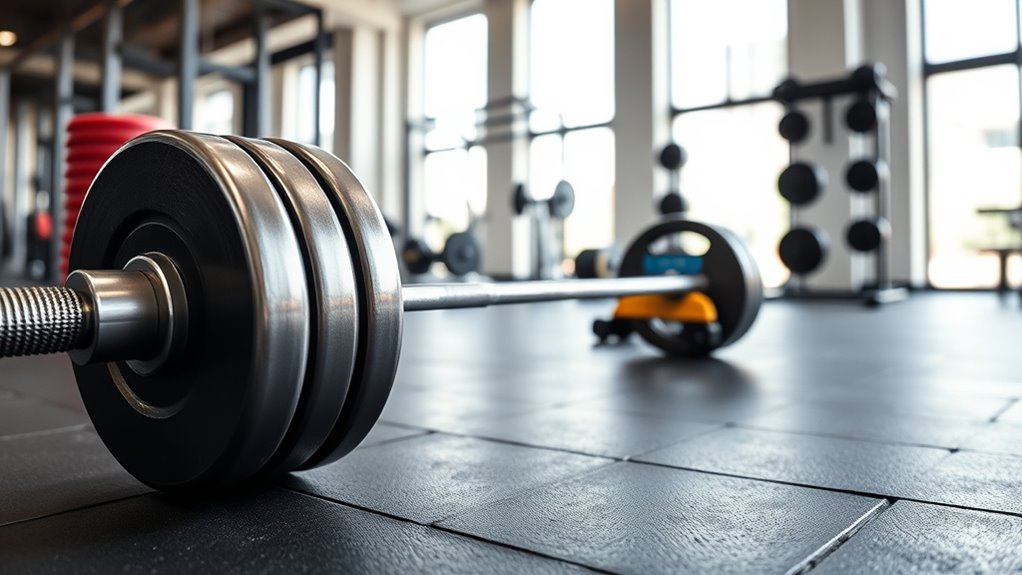
How Much Does the Bar at the Gym Cost?
You can expect to pay anywhere from $30 for a basic steel bar to over $500 for high-quality Olympic or specialty bars.
Prices vary based on materials like stainless steel, length, weight, and brand reputation.
Bars with better durability, advanced designs, and warranties cost more but last longer.
So, it’s worth investing a bit more if you want your gym bar to stand the test of time.
If you want to find the best bar for your budget and workout needs, it helps to understand the different types, features, and where to shop smartly next.
Knowing this can save you money and get you the right equipment for your fitness goals.
Key Takeaways
- Basic gym bars typically cost between $30 and $100, depending on material quality and size. You can find some pretty decent options in this range if you’re just starting out or on a budget.
- Olympic and specialty bars range from $150 to $500 based on brand and design features. These bars often offer better durability and performance, which is worth considering if you’re serious about lifting.
- Higher quality materials like stainless steel and advanced coatings increase bar prices. It’s all about investing in something that lasts and feels good in your hands.
- Well-known brands and warranties add to the cost but improve durability and value. Plus, having a warranty gives you peace of mind in case something goes wrong.
- Buying bars through retailers like Rogue Fitness or Amazon offers competitive prices and user reviews. Checking out reviews can really help you decide which bar suits your needs best.
Factors That Influence the Price of a Gym Bar
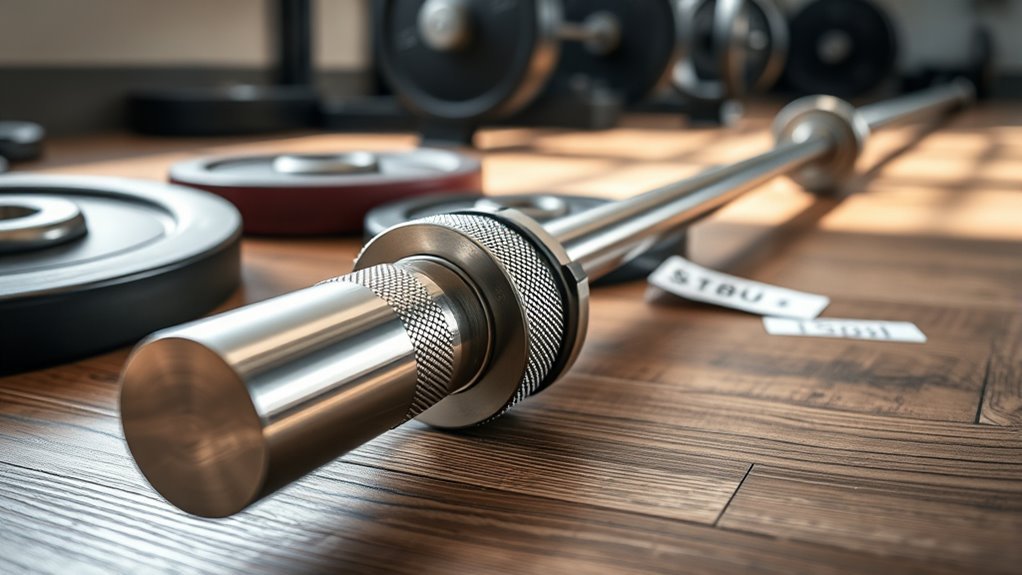
Although gym bars might seem straightforward, several key factors influence their price. When you shop for a gym bar, you’ll notice materials play a huge role—high-quality steel bars cost more but last longer and handle heavier loads.
High-quality steel bars cost more but offer durability and support for heavier lifting.
The bar’s length and diameter matter too; longer, thicker bars generally come with a higher price tag. You’ll also want to contemplate the bar’s weight, as heavier bars can offer better stability but might cost extra.
The design and craftsmanship affect pricing, especially if the bar features advanced knurling or specialized coatings to prevent rust. Finally, the brand reputation and warranty often push prices up but provide peace of mind.
Being aware of these factors helps you pick a gym bar that fits both your needs and budget. It’s all about finding the right balance between quality, features, and cost.
Types of Bars Available for Gym Use
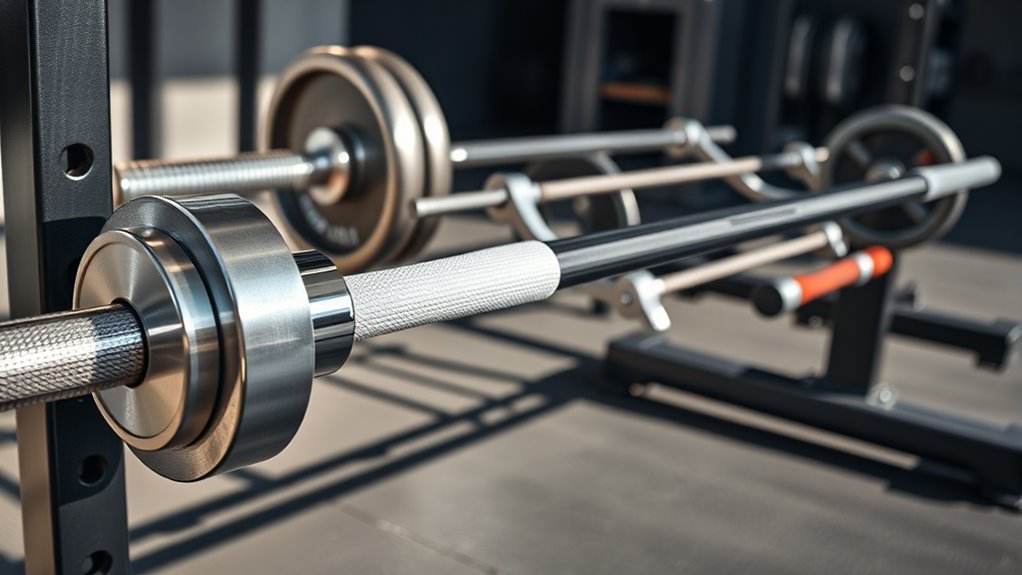
When choosing a gym bar, you’ll find standard Olympic bars and various specialty bars designed for specific lifts.
You’ll want to contemplate the material and construction, as these affect durability and performance.
Understanding these types helps you pick the right bar for your workouts and budget.
It might seem overwhelming at first, but once you get the hang of it, selecting the perfect bar becomes a lot easier!
Standard Olympic Bars
Since you’re looking to equip your gym with reliable weights, understanding standard Olympic bars is essential. These bars are the most common choice for weightlifting and powerlifting due to their durability and versatility.
Typically, a standard Olympic bar weighs 20 kilograms (44 pounds) for men and 15 kilograms (33 pounds) for women. They measure about 7 feet long and feature rotating sleeves, which help reduce stress on your wrists during lifts.
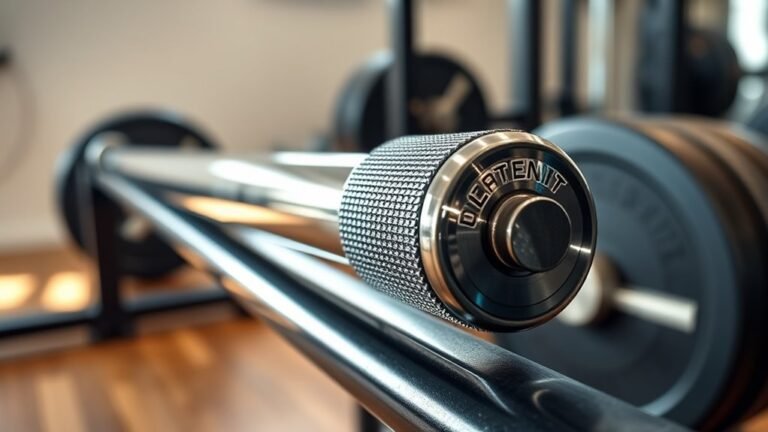
The knurling on the bar enhances your grip, making it easier to handle heavy weights safely. When investing in a standard Olympic bar, consider the tensile strength, sleeve rotation, and whip to match your training needs.
This bar suits a wide range of exercises, from squats to deadlifts, making it a smart gym investment. So, if you want something sturdy and versatile, this is the way to go.
Specialty Bars Overview
Standard Olympic bars serve most lifting needs, but you might want to explore specialty bars if you’re targeting specific muscle groups or training styles. For example, a trap bar helps reduce strain on your lower back during deadlifts by shifting the weight around your body.
Curl bars, with their angled grips, focus on your biceps and forearms for more effective arm workouts. If you’re into Olympic lifts, a hex bar or a specialty squat bar can improve your form and comfort.
Safety squat bars distribute weight differently, making squats easier on your shoulders. Each specialty bar caters to unique exercises or body mechanics, so choosing one depends on your fitness goals.
Knowing these options helps you pick the right bar without overspending or compromising your workout quality.
Material and Construction
Although choosing the right bar might seem simple, understanding the materials and construction behind gym bars can greatly impact your lifting experience. Different bars offer varying durability, grip, and flexibility depending on their build.
Knowing these differences helps you pick a bar that matches your workout style and budget.
| Bar Type | Key Feature |
|---|---|
| Stainless Steel | Corrosion-resistant |
| Chrome | Smooth, shiny finish |
| Zinc | Affordable, rust-proof |
| Black Oxide | Matte finish, grip |
| Cerakote | Durable, colorful coat |
Each material affects grip and longevity, so choose one that suits your training needs and environment. It’s all about finding what feels right for you and lasts through your toughest workouts.
Price Range for Basic Steel Bars
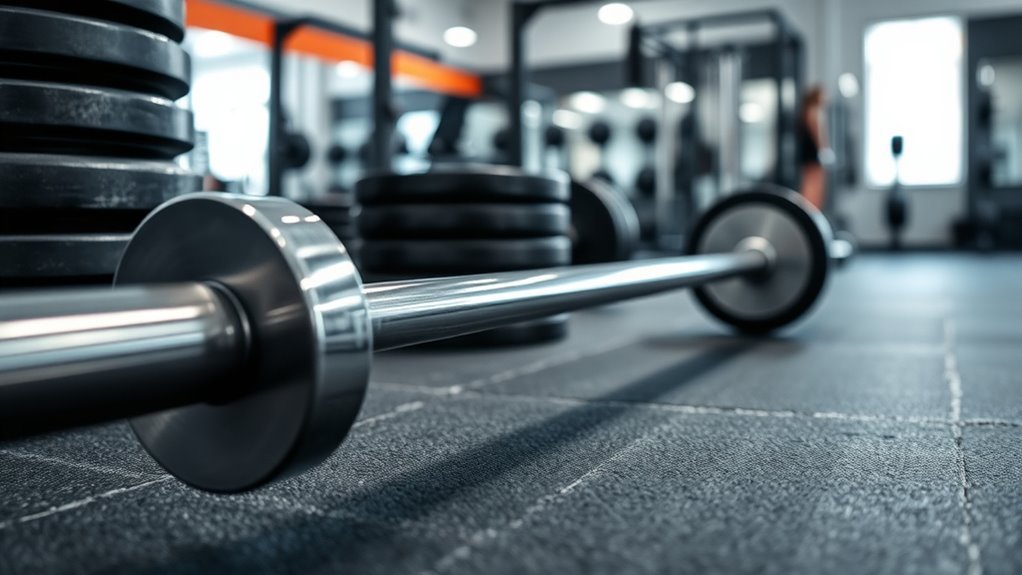
When you’re shopping for basic steel bars, you’ll find prices vary depending on factors like length, diameter, and quality. Generally, these bars cost between $30 and $100.
Shorter bars with smaller diameters tend to be on the lower end, while longer, thicker bars push toward the higher end of that range. The grade of steel also impacts price—higher-quality steel offers better durability but comes with a slightly increased cost.
If you’re buying in bulk or from a wholesale supplier, you might score discounts. Keep in mind that these basic steel bars are designed for general fitness and weightlifting, so they don’t have the advanced features or certifications of specialty bars.
Understanding this price range helps you budget effectively for your home or gym setup.
Cost of Olympic and Specialty Bars
How much should you expect to pay for Olympic and specialty bars? These bars typically cost between $150 and $500, depending on quality and brand. Olympic bars are designed to handle heavier weights and have specific dimensions, so they tend to be pricier than basic steel bars.
Specialty bars—like trap bars, safety squat bars, or deadlift bars—often sit at the higher end of this price range because they serve unique training purposes. When you invest in an Olympic or specialty bar, you’re getting durability, precise engineering, and features that support serious lifting.
Keep in mind, while the upfront cost is higher, these bars are built to last and can enhance your workout experience substantially. If you want performance and reliability, this investment makes sense.
Additional Features That Affect Bar Cost
When choosing a gym bar, you’ll notice that material quality plays a big role in the price. You’ll also want to take into account the brand reputation and warranty offered, as they can affect both cost and long-term value.
These features often make a difference between a basic bar and a premium one. So, it’s worth thinking about what matters most to you before making a decision.
Material Quality Impact
Since the material quality directly influences durability and performance, it plays a crucial role in determining the cost of a gym bar. When you choose a bar made from high-grade steel, you get better strength and resistance to bending or breaking under heavy loads.
Bars crafted from cheaper metals might save you money upfront but won’t last as long or perform as well during intense workouts. You’ll also notice that bars with advanced coatings like chrome or zinc resist rust and wear, extending their lifespan but increasing the price.
If you want a bar that stays reliable and safe over time, investing in superior materials is essential. Remember, better material quality often means paying more initially but saving on replacements down the line.
Brand and Warranty
Beyond material quality, the brand behind a gym bar can considerably influence its price. When you choose a reputable brand, you’re not just paying for a product but for trust, quality assurance, and advanced design.
A strong warranty also adds value, protecting your investment and offering peace of mind. Here’s why brand and warranty matter:
- Trusted brands use higher-grade materials and testing, ensuring durability.
- Warranties cover defects and damage, saving you money on repairs.
- Well-known brands often provide better customer service and support.
- Brand prestige can motivate you to train harder, boosting your commitment.
Where to Buy Quality Bars at Competitive Prices
Although quality gym bars come at various price points, you can find great deals without sacrificing durability or performance. Start by checking reputable fitness equipment websites and local sports stores.
Online marketplaces often offer competitive pricing and user reviews to help you choose wisely. Don’t forget to compare shipping costs and return policies.
Here’s a quick guide to where you might find quality bars at competitive prices:
| Store/Platform | Highlights |
|---|---|
| Rogue Fitness | High-quality, durable bars |
| Amazon | Wide selection, user reviews |
| Dick’s Sporting Goods | In-store pickup, seasonal sales |
| Walmart | Affordable options, local stores |
| Titan Fitness | Budget-friendly, solid build |
Renting vs. Buying: What’s More Cost-Effective?
How do you decide whether renting or buying a gym bar makes more financial sense? You want to balance upfront costs with long-term benefits. Renting might seem cheaper initially, but buying often pays off over time.
Consider these factors:
- Frequency of Use – If you train regularly, buying saves money in the long run.
- Budget Constraints – Renting spreads out expenses, easing immediate financial pressure.
- Maintenance Responsibility – Owners handle upkeep, while renters rely on the provider.
- Equipment Quality – Buying lets you pick a bar that matches your needs and lasts longer.
Evaluate your training schedule and finances carefully. Renting offers flexibility, but owning the right bar can boost your performance and save you money down the road.
Tips for Choosing the Right Bar Within Your Budget
When choosing the right gym bar within your budget, you should focus on balancing quality with cost. Look for bars made from durable materials like stainless steel or solid steel to ensure longevity without overspending.
Focus on durable materials like stainless or solid steel to balance quality and cost within your budget.
Consider the bar’s weight capacity and grip type to match your workout needs. Don’t ignore user reviews—they offer insight into real-world performance and durability.
If you’re on a strict budget, prioritize essential features over extras like fancy coatings or branding. Check for warranty options as they can save you money in the long run.
Finally, compare prices across retailers and online stores to find the best deals. By thoughtfully evaluating these factors, you’ll get a reliable gym bar that fits both your workout goals and your wallet.
Frequently Asked Questions
How Do I Maintain and Clean My Gym Bar?
You should regularly wipe down your gym bar with a dry cloth to remove chalk and sweat. This keeps it clean and ready for your next workout.
Occasionally, clean it with warm soapy water, then make sure to dry it thoroughly. Trust me, you don’t want any moisture lingering around.
Also, applying a light oil helps prevent rust and keeps the bar smooth. It’s a simple step that really makes a difference over time.
Can I Use a Gym Bar for Home Workouts?
Yes, you can use a gym bar for home workouts. It’s versatile, letting you perform various exercises like squats and presses.
Just make certain you have enough space and proper flooring for safety and effectiveness. That way, you’ll get the most out of your workout without any risks.
What Weight Capacity Should I Look for in a Gym Bar?
You should look for a bar that can handle your heaviest lifts, your future progress, and your safety.
Typically, a 700-1500 lb capacity bar works well, giving you strength, durability, and confidence during workouts.
It’s all about making sure your equipment keeps up with you as you get stronger. That way, you can focus on lifting without worrying about the bar giving out.
Are There Gym Bars Designed Specifically for Beginners?
Yes, there are gym bars designed specifically for beginners. You’ll find lighter, shorter bars with lower weight capacities to help you build strength safely.
These bars are great for mastering your form before you move on to the standard Olympic bars. They make starting out less intimidating and more manageable.
How Long Does a Typical Gym Bar Last With Regular Use?
A typical gym bar lasts about 5 to 10 years with regular use, depending on maintenance and quality.
You should inspect it periodically for wear, rust, or damage to guarantee safety during your workouts. It’s really important to keep an eye on it so you don’t run into any issues later on.
Conclusion
Choosing the right gym bar is like finding Excalibur—it’s all about what fits your strength and style. Whether you’re lifting basic steel or Olympic-grade bars, knowing the factors that influence price helps you make a wise choice without breaking the bank.
Remember, the right bar isn’t just equipment; it’s your partner in every rep and goal. Invest wisely, and you’ll wield your own power to conquer every workout challenge ahead.
When considering how much the bar at the gym costs, keep in mind quality, durability, and your workout needs. A good gym bar might cost more upfront but pays off through better performance and longevity. So, pick a bar that matches your strength level and training style to get the most out of your fitness journey.