
How Old Do You Have to Be to Go to the Gym?
You usually need to be at least 16 to join a gym on your own, though some gyms let younger teens in with parental consent or supervision.
Kids under 13 mostly can’t use gyms alone and may need to participate in youth programs.
Age restrictions help keep you safe and make certain you receive proper guidance.
If you’re curious about what options and safety tips fit your age, there’s plenty more to explore about getting started the right way.
Key Takeaways
– Most gyms require you to be at least 16 to join without needing parental consent.
But some gyms do allow kids as young as 14 if they’re supervised while working out.
– If you’re under 13, you usually can’t just walk into a gym on your own.
Instead, you might only be able to join special youth fitness programs designed for younger kids.
– Usually, if you’re under 16, you’ll need your parents to give the okay before you can access the gym.
This is mainly for safety and legal reasons, to make sure everyone’s protected.
– When teens do get access to gyms, there are often rules about what they can use.
For example, heavy weights and complicated machines might be off-limits to prevent injuries and help proper development.
– If you’re younger and can’t get into a gym yet, don’t worry!
There are plenty of alternatives like youth sports, outdoor activities, or fitness classes made just for kids outside the gym setting.
Typical Age Requirements for Gym Memberships

Although age policies vary by gym, most facilities require you to be at least 16 to get a membership. Some gyms allow those younger, typically starting at 14, but they often need parental consent or supervision.
If you’re under 12, most gyms won’t let you work out alone and may require you to join kids’ fitness programs instead. When you hit 16, you can generally access most gym areas and equipment without restrictions.
However, some gyms have different rules for specific activities like weightlifting or group classes, so it’s wise to check with your gym beforehand. Remember, these age requirements aim to keep you safe while you exercise, so following them helps ensure a positive and secure gym experience.
Why Gyms Set Age Restrictions
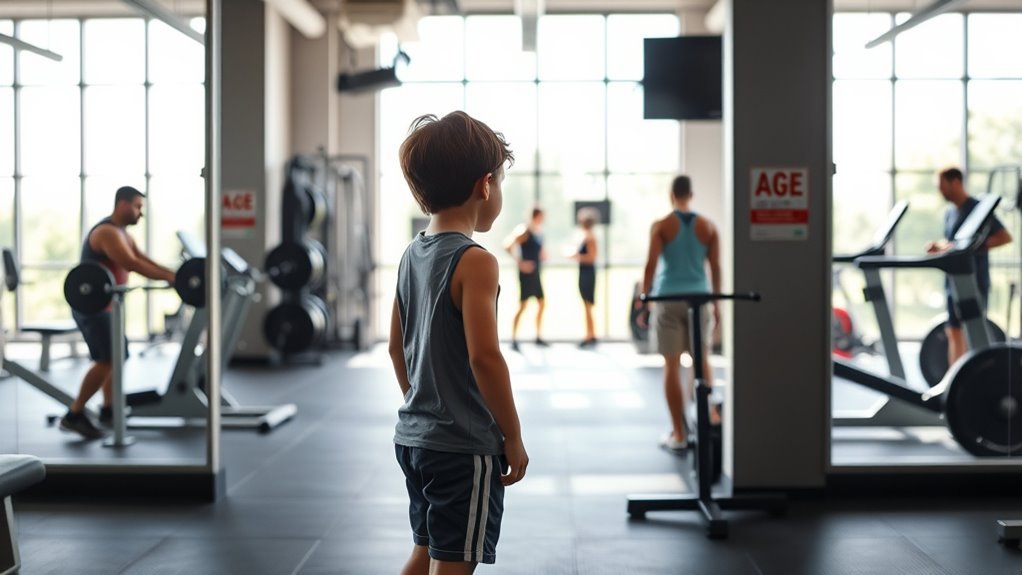
You might wonder why gyms set age restrictions in the first place. They do this to keep you safe, considering your physical development and to meet legal and insurance rules.
Understanding these reasons helps you see why some gyms have strict policies for younger members. It’s all about making sure everyone can work out safely and responsibly.
Safety and Liability Concerns
Because gyms want to keep everyone safe, they set age restrictions to minimize risks for younger members. When you’re younger, you might not fully understand how to use equipment properly or recognize signs of overexertion.
Gyms have a responsibility to prevent accidents, injuries, and potential harm. If something goes wrong, they could face legal liabilities, especially if safety protocols weren’t followed.
By restricting access based on age, gyms reduce these risks and protect both you and themselves. This helps guarantee that everyone working out understands the rules, uses the machines safely, and can follow instructions.
Physical Development Considerations
While your enthusiasm to hit the gym is great, your body might not be ready for certain exercises until you reach specific stages of physical development. Your muscles, bones, and joints are still growing, and pushing them too hard too soon can lead to injuries or long-term issues.
Gyms set age restrictions to guarantee you develop strength and coordination safely. For example, heavy weightlifting may stress your growth plates if done prematurely.
Additionally, your cardiovascular system and overall endurance improve as you mature, meaning some workouts might be too intense at a younger age. By waiting until your body is more physically prepared, you reduce the risk of harm and build a solid fitness foundation.
This approach helps you enjoy exercising now and maintain it for years to come.
Legal and Insurance Requirements
Although gyms encourage fitness for all ages, they must follow legal and insurance regulations that limit who can use their facilities. These rules often set minimum age requirements to reduce liability risks and ensure safety.
Insurance providers demand that gyms enforce age limits, as younger gym-goers may need supervision or special accommodations. If you’re underage, gyms might require parental consent or restrict access to certain equipment.
Here’s a simple view of why gyms set age restrictions:
| Reason | Age Group Affected | Impact on Gym Policy |
|---|---|---|
| Liability Risk | Under 16 | Requires waivers/supervision |
| Equipment Safety | Under 18 | Limits access to machines |
| Insurance Rules | All Ages | Enforces strict age limits |
Understanding these helps you respect gym rules and stay safe.
Differences Between Teen and Adult Gym Access
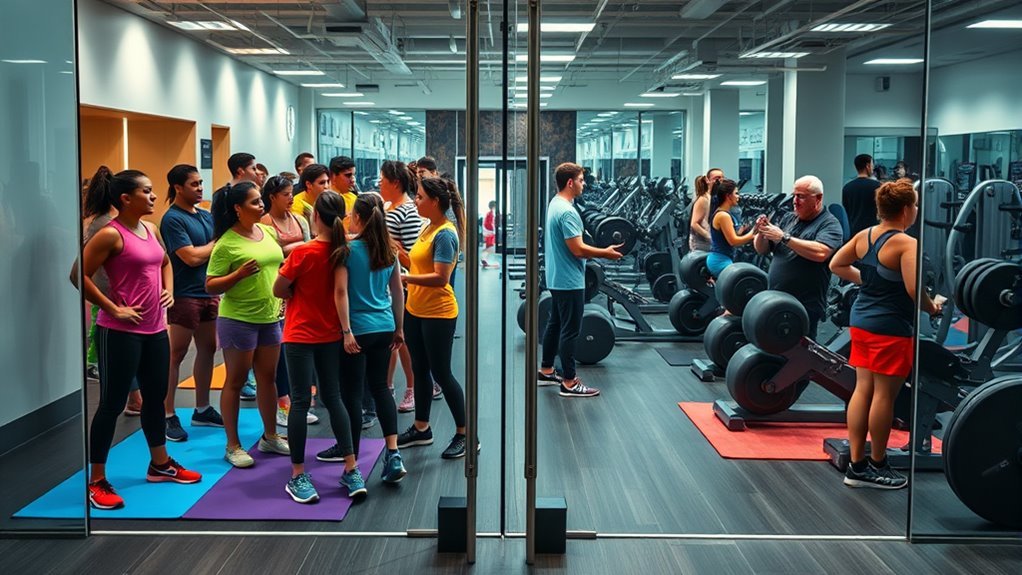
When you compare teen and adult gym access, you’ll notice clear differences in rules and restrictions. As a teen, you often face more limitations than adults, such as restricted hours or access to certain equipment.
Gyms typically limit your use of heavy weights or complex machines to make sure of safety. Adults, on the other hand, usually have unrestricted access to all facilities and classes.
You’ll also find that workout programs for teens are often tailored to their developmental needs, focusing on proper form and injury prevention. Adults can join more intense training sessions or specialized classes without such constraints.
These distinctions help gyms provide a safer, more suitable environment for both age groups while accommodating their unique fitness requirements.
Parental Consent and Supervision Policies
Because gyms want to make certain of safety, they often require parental consent for teens under a certain age before granting access.
If you’re under 16, you’ll likely need a parent or guardian to sign a permission form. Many gyms also have supervision policies, meaning you might have to work out with an adult or trainer nearby.
Here’s a quick overview:
| Age Group | Parental Consent Needed | Supervision Requirement |
|---|---|---|
| Under 12 | Yes | Always supervised |
| 12-15 | Yes | Supervised during workouts |
| 16-17 | Sometimes | May need supervision for machines |
| 18+ | No | No supervision required |
| Special Cases | Yes | As per gym discretion |
Knowing these rules helps you prepare before hitting the gym.
Benefits of Starting Gym Workouts at a Young Age
Starting gym workouts at a young age can boost your physical health, build confidence, and establish lifelong fitness habits. When you start early, you improve your strength, flexibility, and endurance, which supports your overall growth and development.
Starting gym workouts young strengthens your body, boosts confidence, and builds lasting fitness habits.
Regular exercise also sharpens your focus and helps manage stress, making school and daily challenges easier to handle. Plus, hitting the gym early teaches discipline and goal-setting, valuable skills that carry into other areas of life.
You’ll also create a positive relationship with fitness, making it easier to stay active as you grow older. By making exercise a routine now, you lay the foundation for a healthier future and reduce the risk of lifestyle-related diseases later on.
Starting young truly sets you up for long-term success.
Safety Considerations for Young Gym-Goers
You need to follow age guidelines to make sure your gym time is safe and effective. Always work with supervision and proper training to avoid common mistakes.
Paying attention to injury prevention tips will help you stay healthy while building strength. It’s all about keeping yourself safe while getting stronger!
Age Guidelines Importance
Although the exact age to start going to the gym varies, understanding age guidelines is essential to keep young gym-goers safe. These guidelines help you recognize when your body is ready for different types of exercise, reducing the risk of injury.
They also make sure that workouts match your developmental stage, so you don’t strain growing muscles and bones. By following age recommendations, you can build a solid fitness foundation without pushing yourself too hard too soon.
Ignoring these guidelines might lead to setbacks like overuse injuries or burnout. So, it’s really important to respect them.
Ultimately, sticking to age guidelines helps you enjoy the gym safely and effectively. It sets you up for a lifetime of healthy habits without unnecessary risks.
Supervision and Training
Because young gym-goers are still developing, supervision and proper training are vital to keep you safe and make your workouts effective. When you start, having a qualified trainer guide you guarantees that you use equipment correctly and perform exercises with proper form.
This not only boosts your confidence but also reduces the risk of injury. A trainer can tailor workouts to your age, fitness level, and goals, helping you progress steadily without overexerting yourself.
Additionally, supervision by gym staff or an adult is indispensable, especially if you’re new to certain machines or routines. They’re there to assist if you need help and to guarantee the gym environment remains safe for you.
Injury Prevention Tips
To prevent injuries while working out, it’s essential to focus on proper warm-ups, listen to your body, and use equipment correctly. Start each session with dynamic stretches and light cardio to increase blood flow and loosen muscles.
Pay close attention to how your body feels—if something hurts, stop immediately and adjust your form or take a break. Always use gym equipment as instructed, and never lift weights that feel too heavy.
Wearing appropriate footwear and comfortable clothing also helps reduce injury risks. If you’re new, ask a trainer for guidance to ensure you’re performing exercises safely.
Alternatives to Traditional Gyms for Younger Fitness Enthusiasts
If you’re too young for a traditional gym membership, don’t worry—there are plenty of alternatives that can help you stay active and build fitness. You can join community centers or youth sports leagues, which offer structured activities tailored for your age group.
Outdoor activities like biking, running, or hiking are great ways to stay fit while having fun. Dance classes, martial arts, or swimming lessons provide excellent full-body workouts without needing gym access.
You might also try home workout videos designed specifically for younger fitness enthusiasts. These options help you develop strength, flexibility, and endurance safely.
Tips for Parents to Support Their Child’s Fitness Journey
While your child explores different ways to stay active, you play a crucial role in encouraging their fitness journey. Start by setting a positive example—show enthusiasm for physical activity yourself.
Encourage activities your child enjoys rather than pushing specific workouts. Make fitness a fun family affair with hikes, bike rides, or dance sessions.
Celebrate progress, no matter how small, to build their confidence. Guarantee they get proper rest and nutrition to support their efforts.
Communicate openly about their goals and feelings toward exercise to keep motivation strong. In the end, choose age-appropriate activities and environments that prioritize safety.
Frequently Asked Questions
Are Gym Memberships Refundable if a Minor Cancels?
Refundability depends on the gym’s policy, but often, minors can get refunds if they cancel early. You should review the contract carefully and contact the gym directly to understand their specific refund rules and procedures.
It’s a good idea to ask about any special conditions that apply to minors. Sometimes gyms have different rules for people under 18, so getting clarity can save you hassle later.
Do Gyms Offer Discounts for Students or Teenagers?
Think of gyms as castles with secret doors—many open discounts for students or teenagers. If you flash your student ID or age proof, you’ll often snag lower rates, making your fitness quest easier and more affordable.
It’s like having a little magic key that unlocks special deals just for you. So, don’t be shy about asking at the front desk. You might be surprised at the savings waiting for you!
Can Minors Use Gym Facilities Unsupervised During Holidays?
You usually can’t use gym facilities unsupervised as a minor during holidays. Most gyms require adult supervision or special permission to guarantee safety.
Are There Gym-Specific Insurance Policies for Underage Members?
Yes, some gyms offer insurance policies specifically for underage members. You’ll want to check with the facility, as coverage varies.
These policies often cover accidents and liability while minors use gym equipment. It’s a good idea to ask about the details so you know what’s included.
How Do Gyms Verify the Age of New Members?
Just like a Victorian clerk verifying a telegram, gyms ask for your ID—driver’s license or passport—to confirm your age.
They might also require parental consent if you’re underage, ensuring everyone’s safe and legal within their walls.
Conclusion
Think of starting at the gym like planting a seed—just as a young tree needs the right care to grow strong, your fitness journey requires the right age and guidance to thrive. Many gyms set age limits around 16, but with parental support, you can build healthy habits earlier.
Remember, safety and patience help you grow, so don’t rush. With the right foundation, you’ll soon stand tall and strong, ready for any challenge.
When it comes to how old you have to be to go to the gym, it’s important to follow gym policies and listen to your body. Starting young with the proper guidance can set the stage for a lifelong commitment to health and fitness. So, whether you’re just turning 16 or younger with supervision, the gym can be a great place to grow stronger and healthier every day.