How to Build Muscle Using Just Dumbbells
You can build muscle with just dumbbells by focusing on compound and isolation exercises that hit all major muscle groups, like goblet squats, dumbbell presses, rows, and curls. These exercises are great for targeting multiple areas effectively and efficiently.
Using dumbbells gives you the flexibility to work your muscles from different angles, which is key for balanced growth.
Make sure to use proper form and control the weight during each movement. Gradually increase reps or weights over time to ensure progressive overload, which is essential for muscle growth.
Don’t forget to warm up before your workouts and balance your routine with core exercises and adequate rest.
Pair your training with good nutrition, especially enough protein, to support muscle repair and growth.
Keep progressing smartly, listen to your body, and you’ll discover even more effective strategies as you go along. Building muscle with just dumbbells can be simple and rewarding!
Key Takeaways
- Use compound and isolation dumbbell exercises targeting all major muscle groups for balanced muscle growth and coordination. This way, you make sure no muscle gets left behind.
- Perform 3-4 sets of 8-12 controlled reps, increasing weight or reps progressively. Doing this helps apply overload and really stimulates hypertrophy.
- Maintain proper form, control tempo, and keep a neutral spine to prevent injury. Plus, it maximizes muscle activation during each exercise.
- Structure workouts with push-pull balance and include unilateral movements. Don’t forget to add core exercises for comprehensive strength development.
- Support your training with adequate protein intake and balanced nutrition. Staying hydrated and having post-workout meals also boost muscle repair and growth.
Benefits of Dumbbell Training for Muscle Growth
Although machines and barbells have their place, dumbbell training offers unique benefits that can accelerate your muscle growth. When you use dumbbells, you engage more stabilizing muscles because each arm works independently. This improves muscle balance and coordination, reducing the risk of injury.
Dumbbells also allow a greater range of motion compared to machines, letting you target muscles more effectively. Plus, they’re versatile—you can easily switch exercises or adjust weights to challenge your muscles continuously. Because of this, your muscles adapt quickly, promoting hypertrophy.
Dumbbell workouts let you train multiple muscle groups with functional, natural movements that translate well into real-life activities. Incorporating dumbbells into your routine guarantees balanced development and keeps your workouts dynamic and efficient. Pretty great, right?
Essential Dumbbell Exercises for All Major Muscle Groups
You’ll want to focus on key dumbbell exercises that target your upper body, lower body, and core for balanced muscle growth.
Incorporating moves like dumbbell presses, squats, and Russian twists guarantees you hit all major muscle groups. Let’s break down each area to help you build a solid, effective routine.
Upper Body Dumbbell Moves
When targeting your upper body, dumbbells offer unmatched versatility to strengthen every major muscle group. Start with dumbbell bench presses to build your chest and triceps, keeping your movements controlled.
Incorporate dumbbell rows to engage your back and biceps, ensuring a full range of motion. Shoulder presses will develop your deltoids, while lateral raises isolate the side delts for broader shoulders.
Don’t skip bicep curls and tricep kickbacks; they target your arms directly and improve muscle definition. To maximize gains, focus on proper form and gradually increase weight or reps.
These moves collectively hit your chest, back, shoulders, and arms, making dumbbells a complete tool for upper body strength and muscle growth without needing machines or a spotter. Easy, right? Just give it a go!
Lower Body Dumbbell Workouts
Just as dumbbells effectively target your upper body muscles, they’re equally powerful for building strength and tone in your lower body. Using dumbbells in your leg workouts challenges your muscles, boosts stability, and enhances balance.
To make the most of your sessions, focus on these essential exercises:
- Goblet Squats: Hold a dumbbell close to your chest to engage quads, hamstrings, and glutes.
- Dumbbell Lunges: Step forward or backward while holding dumbbells to work each leg independently.
- Romanian Deadlifts: Target your hamstrings and glutes by hinging at the hips with dumbbells in hand.
- Dumbbell Step-Ups: Step onto a bench or platform while holding dumbbells to build unilateral leg strength.
- Calf Raises: Hold dumbbells to add resistance and sculpt your calves effectively.
Incorporate these moves consistently for strong, sculpted legs. Give them a try, and you’ll notice the difference in no time!
Core Strengthening Dumbbell Exercises
Although many focus on upper and lower body workouts, strengthening your core with dumbbells is essential for overall stability and power. Incorporate exercises like dumbbell Russian twists to target your obliques while engaging your entire midsection.
Try dumbbell side bends to strengthen your lateral core muscles and improve balance. Weighted planks, where you place a dumbbell on your back, increase core activation and endurance.
Additionally, dumbbell woodchoppers mimic rotational movements, enhancing functional strength. These moves not only sculpt your abs but also support better posture and reduce injury risk.
How to Structure a Dumbbell Workout Routine
To build muscle effectively, you need a smart plan for choosing exercises, sets, and reps that match your goals. You’ll also want to manage your rest periods and gradually increase the challenge to keep making progress.
Let’s break down how to structure your dumbbell workout routine for the best results. It’s not as complicated as it sounds, really! Just a few tweaks can make a big difference in your gains.
Exercise Selection Strategy
When building muscle with dumbbells, you’ll want to carefully choose exercises that target all major muscle groups while fitting your fitness level and goals. Start by selecting compound movements that engage multiple muscles, then add isolation exercises to focus on specific areas.
Balance pushing and pulling actions to avoid imbalances, and consider unilateral exercises for symmetry and coordination. Prioritize exercises that allow progressive overload as you advance.
- Include presses, rows, and squats for overall strength
- Add curls and tricep extensions to isolate arms
- Incorporate lunges or step-ups for legs and stability
Use variations like incline or decline angles for chest. Mix in core-focused moves like Russian twists or dumbbell side bends.
This approach ensures a thorough, efficient dumbbell workout that promotes muscle growth. Pretty straightforward, right? Just keep it balanced and progressive!
Sets and Reps
Choosing the right exercises sets the foundation, but structuring your sets and reps determines how your muscles respond and grow.
For muscle building, aim for 3 to 4 sets per exercise. Reps should fall between 8 to 12, the sweet spot for hypertrophy. This range challenges your muscles enough to cause growth without overexertion.
Focus on maintaining proper form throughout each set to maximize effectiveness and reduce injury risk. If you can easily exceed 12 reps, increase the dumbbell weight. Conversely, if you struggle to reach 8 reps, lower the weight slightly.
Keep your tempo controlled—lift with intent and lower slowly. This approach guarantees each rep counts, driving muscle adaptation with every workout session.
Rest and Progression
Although rest might seem like downtime, it plays a crucial role in muscle recovery and growth between dumbbell workouts. Giving your muscles time to repair ensures you come back stronger and reduces injury risk.
To structure your routine effectively, balance your effort and recovery by following these tips:
- Rest 48 hours between sessions targeting the same muscle group
- Take 30-90 seconds rest between sets to maintain intensity
- Gradually increase dumbbell weight or reps to keep challenging muscles
Keep track of your progress to know exactly when to up the difficulty. Also, don’t forget to incorporate deload weeks every 4-6 weeks to avoid burnout.
Progressive Overload Techniques With Dumbbells
Since building muscle requires consistent challenge, you’ll need to apply progressive overload techniques with your dumbbells to keep making gains. You can increase the weight, reps, or sets gradually, or decrease rest time to push your muscles beyond their current limits.
Tracking your progress helps you know when to step it up.
| Technique | How to Apply |
|---|---|
| Increase Weight | Add heavier dumbbells incrementally |
| Add Repetitions | Perform more reps per set |
| Adjust Rest Periods | Shorten rest to boost intensity |
Tips for Proper Form and Injury Prevention
Applying progressive overload effectively means pushing your muscles harder, but doing so safely depends on maintaining proper form.
To prevent injury and maximize gains, focus on technique rather than just lifting heavier weights. Here are key tips to keep you safe and effective:
- Warm up thoroughly to prepare your muscles and joints.
- Keep a neutral spine to avoid back strain.
- Control the dumbbells during both lifting and lowering phases.
- Avoid locking your joints at the top of movements.
- Use mirrors or record yourself to monitor form.
Combining Dumbbell Training With Nutrition for Muscle Gain
To build muscle effectively with dumbbell training, you need to fuel your body with the right nutrients. Focus on consuming enough protein to repair and grow your muscles—aim for about 1.6 to 2.2 grams per kilogram of body weight daily.
Don’t skip carbs, either; they provide energy for your workouts and help with recovery. Healthy fats support hormone production, so include sources like nuts, avocados, and olive oil.
Timing matters, too. Eat a balanced meal containing protein and carbs within two hours after your workout to maximize muscle repair.
Staying hydrated is vital, as water supports all metabolic processes. Combining smart nutrition with your dumbbell routine ensures your muscles get the building blocks they need to grow stronger and bigger.
Adapting Workouts for Different Fitness Levels
Whether you’re just starting out or have been training for years, you can tailor your dumbbell workouts to fit your current fitness level. Adjusting exercises guarantees you stay challenged without risking injury.
Start with lighter weights and fewer reps if you’re a beginner, then increase intensity as you progress. Focus on proper form above all. Here’s how you can adapt:
- Reduce weight and reps for beginners
- Increase weight or reps for intermediates
- Add tempo variations for advanced lifters
You can also incorporate supersets or circuits for more intensity. Modify rest periods to match your endurance and goals.
It’s all about listening to your body and making sure you’re pushing yourself just the right amount!
Tracking Progress and Adjusting Your Dumbbell Program
As you progress with your dumbbell workouts, tracking your results becomes essential for continued improvement. Keep a workout journal or use an app to log weights, reps, and sets. This helps you identify when exercises become too easy or when you hit plateaus.
Regularly assess your strength and muscle gains every few weeks. When you notice progress slowing, adjust your program by increasing weights, adding more reps, or changing exercises to challenge your muscles differently.
Don’t forget to track how your body feels; fatigue or discomfort might signal the need for rest or form adjustments. Staying consistent with tracking allows you to tailor your workouts effectively, ensuring steady muscle growth and preventing stagnation.
Frequently Asked Questions
Can Dumbbell Training Improve Cardiovascular Fitness?
Yes, dumbbell training can improve your cardiovascular fitness if you keep the intensity high and minimize rest between sets.
Try incorporating circuit-style workouts to keep your heart rate elevated. This way, you can boost both strength and endurance effectively.
How Do I Clean and Maintain My Dumbbells?
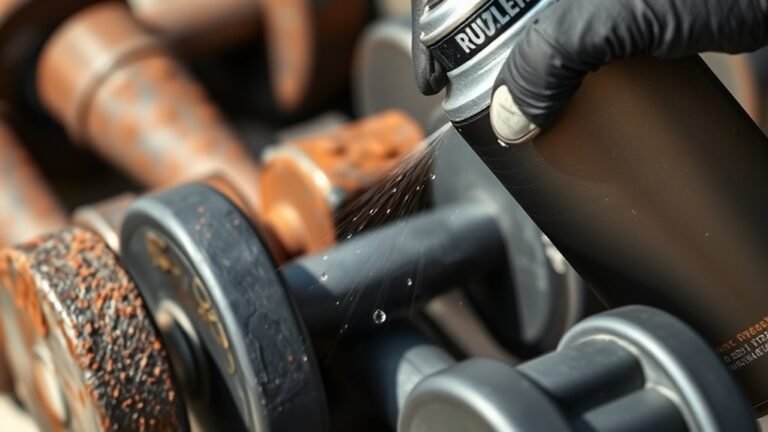
Like wiping a foggy mirror, clean your dumbbells with a damp cloth and mild soap after each use. Dry them thoroughly to prevent rust.
Make sure to tighten any loose parts regularly. And don’t forget to store them in a dry, cool place. Keeps everything in tip-top shape!
Are Adjustable Dumbbells Better Than Fixed-Weight Dumbbells?
Adjustable dumbbells are better if you want variety and save space, but fixed-weight dumbbells offer durability and quicker changes.
You’ll choose based on convenience, budget, and workout preferences. Both can effectively build muscle.
It really comes down to what fits your routine and needs best. So, think about how you like to work out and what you have room for.
Can Dumbbell Workouts Help With Weight Loss?
Like a furnace burning steadily, dumbbell workouts can help you lose weight by boosting your metabolism and building muscle. You’ll burn calories during and after exercise, making your weight loss journey more effective and sustainable.
Plus, using dumbbells adds resistance that challenges your body, so you get stronger while shedding pounds. It’s a win-win! Just keep at it consistently, and you’ll see the results over time.
What Is the Best Time of Day to Train With Dumbbells?
You’ll get the best results training with dumbbells when you feel most energized, whether morning or evening.
Consistency matters more than timing, so pick a time you can stick to regularly for peak muscle growth.
Conclusion
Building muscle with just dumbbells is like planting a garden—you need the right tools, consistent care, and patience to see growth. By mastering essential exercises and focusing on proper form, you set a solid foundation for your strength journey.
Progressively challenging yourself is key. As you get stronger, increase the weight or reps to keep those muscles growing. Remember, fueling your body with good nutrition and rest plays a huge role in muscle development too.
Stay committed to your routine, and you’ll find your dumbbells are the seeds that grow your strongest, healthiest self. With consistent lifting and smart workouts, building muscle using just dumbbells becomes both effective and rewarding. Keep at it, and watch your gains flourish!