7 Facts About How Much Gym Teachers Make
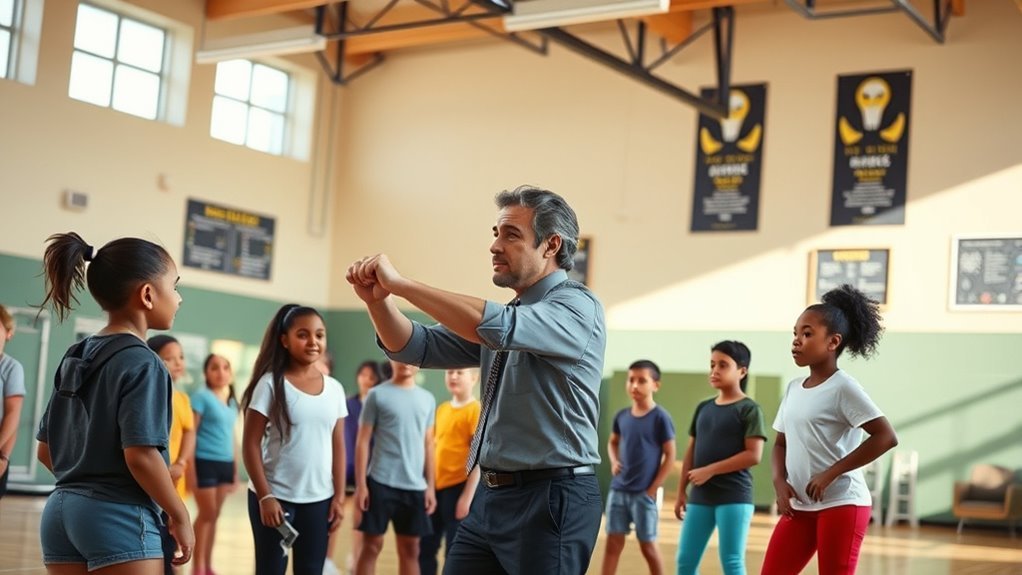
You can expect to earn between $40,000 and $60,000 as a gym teacher, but your pay depends on where you work, your experience, and whether you’re in a public or private school.
Urban areas usually pay more, and having advanced degrees or certifications can boost your salary.
Coaching sports or running fitness programs may also bring extra income.
While gym teachers often earn less than other educators, their role is essential.
There’s plenty more to understand about these variations.
Key Takeaways
- Gym teachers typically earn between $40,000 and $60,000 annually, with salaries increasing based on experience and education.
- Urban gym teachers often receive higher pay due to increased living costs and school funding compared to rural areas.
- Despite their impact on student health, gym teachers usually earn less than other educators with similar qualifications.
- Advanced degrees, certifications, and coaching roles can boost gym teachers’ salaries beyond the typical range.
- Additional income opportunities include coaching sports teams and creating specialized fitness programs for extra pay.
Average Salary Range for Gym Teachers

Wondering how much gym teachers typically earn? You’ll find that the average salary for gym teachers usually falls between $40,000 and $60,000 annually. This range depends on factors like experience and education level.
If you’re just starting out, expect a salary near the lower end, around $40,000. But as you gain experience and possibly earn advanced degrees or certifications, your pay can rise toward $60,000 or more.
Keep in mind that school districts often set these salaries based on budgets and pay scales. So, while you won’t get rich, you can earn a decent wage doing what you love—helping students stay active and healthy.
Impact of Geographic Location on Earnings
Although gym teachers across the country share similar roles, where you teach can considerably affect how much you earn. Geographic location influences salary due to varying living costs, school budgets, and state funding.
For example, urban areas often offer higher pay than rural ones, but that comes with a higher cost of living. Additionally, some states prioritize education funding more than others, impacting your paycheck directly.
Consider these location factors that affect your earnings:
- State and local education budgets
- Cost of living in the area
- Demand for specialized physical education skills
- Regional economic conditions and funding priorities
Understanding this helps you weigh salary offers against living expenses and benefits when choosing where to work. It’s all about finding the right balance for your situation.
Differences in Pay Between Public and Private Schools

When you compare salaries, you’ll find that gym teachers at public and private schools often earn differently due to funding sources and budget priorities. Public schools usually rely on government budgets, which can limit salary growth but offer more consistent pay scales with benefits like pensions and healthcare.
On the other hand, private schools often have more flexibility in setting salaries. Sometimes they pay more to attract top talent or offer unique perks. However, private school pay can vary widely depending on the school’s size and resources.
If you’re considering a job in either sector, understand that public school gym teachers often enjoy more stability. Meanwhile, private school teachers might see higher pay potential but less consistency. Knowing these differences helps you make informed career decisions.
How Experience Affects Gym Teacher Salaries
Since experience directly shapes your skills and confidence as a gym teacher, it also plays a key role in determining your salary. The more years you spend teaching, the better you become at managing classes, designing effective programs, and engaging students.
This progression often leads to pay raises and promotions. Here’s how experience impacts your earnings:
- Entry-level gym teachers earn less but gain valuable practical skills.
- Mid-career professionals see significant salary boosts as they refine their expertise.
- Veteran teachers often qualify for senior roles with higher pay.
- Experience also increases your chances of receiving bonuses or stipends for extra responsibilities.
Influence of Education Level on Compensation
You’ll notice that having a higher degree can boost your gym teacher salary considerably. Earning certifications also often leads to better pay and more opportunities.
Let’s explore how your education level directly influences your compensation. It’s pretty clear that the more you learn, the more you can earn. And who doesn’t want that?
Degree Impact on Salary
Although gym teachers may share similar job titles, your level of education can considerably influence your salary. Generally, higher degrees open doors to better pay and advanced roles.
For example, holding a bachelor’s degree is often the minimum requirement, but pursuing further education can boost your earnings. Consider these impacts on your salary:
- An associate degree may limit your pay scale and job opportunities.
- A bachelor’s degree typically offers a solid starting salary.
- A master’s degree often leads to higher wages and leadership positions.
- Doctorate degrees can position you for top-tier roles and the highest salaries.
Certification Benefits on Pay
Earning certifications can substantially boost your pay as a gym teacher by demonstrating specialized skills and commitment to the profession. When you obtain certifications like CPR/AED, fitness training, or coaching credentials, schools often recognize your extra qualifications with higher salaries or stipends.
These credentials show you’re serious about safety and effective teaching, making you more valuable. Plus, certifications can open doors to advanced roles or leadership positions, which usually come with better pay.
Employers appreciate when you stay updated on best practices and industry standards. So, investing in certification often leads to tangible financial rewards.
Additional Income Opportunities for Gym Teachers
You can boost your income by coaching sports teams outside regular school hours. Developing specialized fitness programs is another way to earn extra money.
These opportunities let you use your skills while increasing your earnings. It’s a great way to stay active and make some extra cash on the side.
Coaching Sports Teams
How can coaching sports teams boost your income as a gym teacher? Taking on coaching roles often comes with stipends or extra pay, supplementing your base salary. Plus, it enhances your resume, making you more valuable to your school or district.
By committing to coaching, you also build stronger relationships with students and parents, which can lead to additional opportunities. It’s a win-win!
Here’s how coaching can help financially:
- Earn stipends or bonuses for coaching seasons
- Access part-time jobs outside school hours
- Increase chances for promotions or salary raises
- Network with community organizations for paid clinics
Fitness Program Development
Coaching sports teams can open doors beyond the field, especially when you start creating fitness programs tailored to your students’ needs. Developing specialized workout plans or wellness initiatives can boost your income by offering extra classes before or after school.
You might design strength training, flexibility routines, or cardio sessions that appeal to different age groups or skill levels. Schools often appreciate these programs as they promote student health, making it easier for you to gain approval and support.
Plus, you can market your programs to parents interested in supplemental fitness for their kids. By taking this approach, you not only enhance your students’ physical well-being but also create a valuable side income stream that complements your gym teacher salary.
Comparison of Gym Teacher Salaries to Other Teaching Roles
Although gym teachers play an essential role in student development, their salaries often differ from those of other teaching professionals.
Gym teachers are vital to student growth but often earn less than other educators.
When you compare gym teacher pay to roles like math, science, or English teachers, you’ll notice some disparities. Typically, gym teachers earn less, despite their important contributions to physical health and wellness.
Here’s why that happens:
- Gym teaching positions sometimes require fewer academic qualifications.
- Demand for physical education varies by district and school.
- Budget allocations often prioritize core academic subjects.
- Extra duties like coaching can influence overall compensation.
Understanding these differences helps you appreciate the challenges gym teachers face in salary negotiations compared to other educators.
Even though their impact on students is equally essential, the pay doesn’t always reflect that.
Frequently Asked Questions
What Certifications Are Required to Become a Gym Teacher?
You’ll need a teaching license and usually a degree in physical education. Certifications like CPR and first aid are often required too.
Requirements vary by state, so check local education boards before applying. It’s a good idea to get all your paperwork in order ahead of time.
How Do Gym Teachers Manage Student Injuries During Class?
When injuries pop up like unexpected rain, you stay calm, assess quickly, and provide first aid.
You’ll also call for medical help if needed, keep parents informed, and always follow your school’s safety protocols.
What Are Common Challenges Faced by Gym Teachers Daily?
You face challenges like managing diverse skill levels, keeping students engaged, and ensuring safety. Handling injuries and balancing administrative tasks also come up regularly.
Plus, you have to adapt to limited equipment and weather changes. All of this while maintaining a positive, energetic environment every single day. It’s a lot to juggle, right?
Do Gym Teachers Have Summer Breaks Like Other Teachers?
Yes, you usually get summer breaks like other teachers, but some gym teachers might work summer camps or coaching jobs.
It depends on your school district and personal choices, so your summer schedule can vary quite a bit.
How Do Gym Teachers Stay Fit While Working?
You stay fit by actively participating in physical activities with your students.
Maintaining a regular personal workout routine is key, too. You can use your work schedule to incorporate exercise, making fitness a natural part of your daily life.
Conclusion
If you’re curious about how much gym teachers make, here’s a surprising fact: those with over 10 years of experience can earn up to 30% more than beginners. That means sticking with it really pays off!
Whether you’re just starting or thinking about switching careers, knowing how experience boosts your salary can help you plan better. So, if you love sports and teaching, this might be a rewarding path worth considering.
Understanding the salary trends for gym teachers shows that dedication and time in the field lead to significant financial benefits. Plus, the job satisfaction from combining your passion for sports with education makes it even more appealing. If you’re looking for a career that values your experience and love for fitness, becoming a gym teacher could be a smart and fulfilling choice.