
7 Tips to Pass Your Treadmill Stress Test With Confidence
To pass your treadmill stress test with confidence, it’s important to understand what the test is for and follow all the pre-test instructions carefully. This test evaluates how well your heart works during physical activity, so being prepared can make a big difference.
Make sure to wear comfortable, breathable clothes that won’t restrict your movement. Avoid heavy meals or stimulants like caffeine before the test to keep your heart rate steady.
Be honest and share your full medical history with the technician—that helps them monitor you safely. When you start the test, pace yourself by beginning slowly and maintaining steady, controlled breathing.
Try to stay calm throughout to prevent unnecessary stress on your heart. Mastering these basics sets you up for success.
Keep reading to discover helpful techniques that enhance your performance and safety during the treadmill stress test.
Key Takeaways
– Follow all pre-test instructions, including fasting and medication guidance, to ensure accurate and safe test results.
It really helps to stick to these guidelines so the test can give the best information about your heart.
– Wear comfortable, breathable clothing and supportive athletic shoes for optimal movement and monitoring.
You want to feel good and move easily during the test, so choose your outfit wisely.
– Communicate your medical history and symptoms clearly to tailor the test and enhance safety.
Letting the staff know what’s going on with your health helps them keep you safe and get the most from the test.
– Pace yourself gradually, starting slow and increasing speed steadily to prevent early fatigue or overexertion.
Don’t rush it—build up your speed bit by bit to avoid burning out too soon.
– Maintain controlled, deep breathing—inhale through your nose and exhale through your mouth—to stay calm and focused.
Keeping your breath steady really makes a difference in how comfortable and effective the test feels.
Understand the Purpose of the Test

Why does your doctor recommend a treadmill stress test? It’s a way to see how well your heart handles physical activity. During the test, you’ll walk on a treadmill while your heart rate, blood pressure, and breathing are monitored.
This helps your doctor spot any irregularities or issues that might not appear when you’re resting. Understanding this purpose helps you approach the test with the right mindset—it’s not about winning a race, but about providing accurate information.
Knowing why you’re there keeps you calm and focused, which can improve your performance. Remember, the test is a tool for your health, designed to catch problems early and guide your treatment.
Follow Pre-Test Instructions Carefully
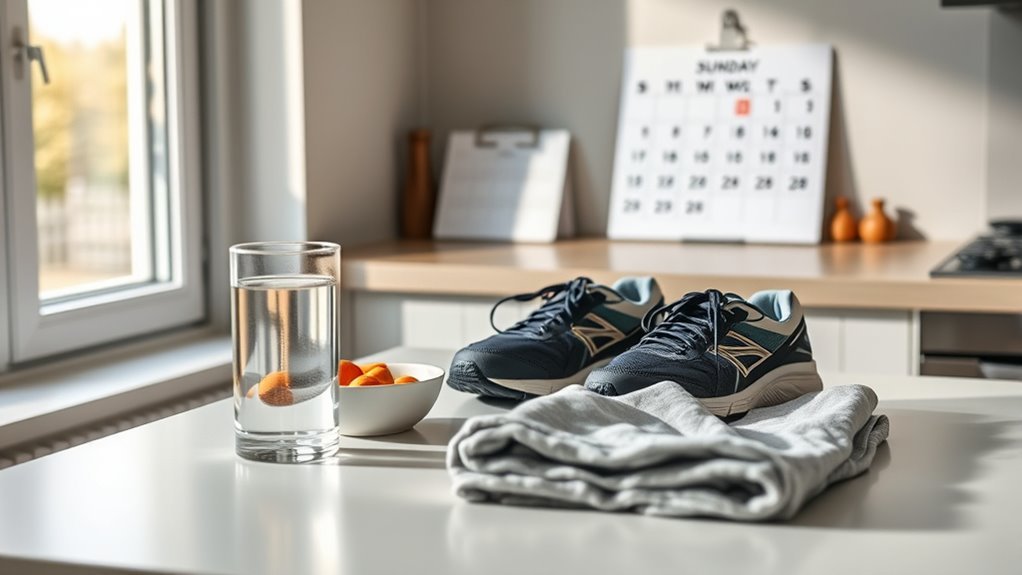
Make sure you follow all fasting and medication instructions before your test to get accurate results.
Choose comfortable, breathable clothing and proper shoes to help you move easily on the treadmill.
Sticking to these guidelines will set you up for a smoother experience.
Fasting and Medication Guidelines
Although it might be tempting to skip, following fasting and medication instructions before your treadmill stress test is essential for accurate results. Usually, you’ll be asked not to eat or drink anything except water for several hours before the test.
Eating can affect your heart rate and blood sugar levels, potentially skewing the outcome. Also, your doctor may advise you to adjust or temporarily stop certain medications, especially those affecting heart rate or blood pressure.
Don’t make changes on your own; always check with your healthcare provider first. Taking medications as directed ensures your safety and the test’s effectiveness.
Appropriate Clothing Selection
Since you’ll be walking or running on a treadmill, wearing comfortable, breathable clothing is essential to help you perform your best during the test.
Choose lightweight fabrics like cotton or moisture-wicking materials that keep sweat away from your skin. Avoid restrictive or heavy clothing that might limit your movement or cause overheating.
Make sure your shoes are well-fitted and designed for exercise to provide proper support and reduce injury risk.
Also, follow any specific pre-test instructions regarding clothing, such as avoiding certain fabrics or accessories.
Wearing appropriate attire not only ensures your comfort but also helps the medical staff monitor your condition accurately during the test.
Preparing this way sets you up to tackle the test confidently and without distractions.
Dress Appropriately for Exercise

When you dress appropriately for your treadmill stress test, you’ll guarantee comfort and accurate results. Choose lightweight, breathable workout clothes that allow you to move freely.
Opt for moisture-wicking fabrics to keep sweat at bay and prevent discomfort during the test. Wear well-fitting athletic shoes with good support to protect your feet and maintain balance on the treadmill.
Choose moisture-wicking clothes and supportive athletic shoes for comfort and stability during your treadmill stress test.
Avoid heavy or restrictive clothing that can interfere with your movement or cause overheating. Keep accessories minimal—remove jewelry and avoid tight bands that might restrict circulation.
Dressing right helps your body perform naturally, giving your healthcare provider the clearest picture of your cardiovascular health. Remember, comfortable, functional attire isn’t just about looks—it’s about supporting your best performance during the test.
Avoid Heavy Meals and Stimulants Before the Test
To guarantee accurate results during your treadmill stress test, you should avoid heavy meals and stimulants beforehand. Eating large meals can cause discomfort and affect your heart rate.
Stimulants like caffeine and nicotine can artificially raise your heart rate too. Instead, opt for light, easily digestible snacks if needed.
Make sure to skip coffee, energy drinks, and smoking for at least 4 hours before the test. Staying mindful of what you consume helps your heart’s response remain natural.
That way, your doctor gets the clearest picture of your cardiovascular health.
| What to Avoid | Why Avoid It | Recommended Alternatives |
|---|---|---|
| Heavy meals | Causes discomfort, affects heart rate | Light snacks like fruit or yogurt |
| Caffeine (coffee, energy drinks) | Raises heart rate artificially | Water or herbal tea |
| Nicotine (smoking) | Stimulates the heart, skews results | Avoid smoking altogether |
| Large amounts of sugar | Can cause energy spikes and crashes | Small portions of complex carbs |
Communicate Your Medical History Clearly
Although the treadmill stress test focuses on your heart’s response to exercise, you need to clearly communicate your full medical history to your healthcare provider. Be honest about any symptoms like chest pain, dizziness, or shortness of breath you’ve experienced.
Share details about previous heart conditions, surgeries, or medications you’re taking. Don’t forget to mention other health issues such as diabetes, asthma, or high blood pressure, as they can affect your test results and safety.
Providing complete information helps your doctor tailor the test to your needs and ensures accurate interpretation of results. If you’re unsure about what to disclose, just ask your provider beforehand.
Clear communication reduces risks and helps you pass the test with confidence. It’s always better to be open and thorough so your doctor can give you the best care possible.
Pace Yourself During the Test
You’ll want to start slow and steady to avoid overwhelming yourself early on.
Keep an eye on your breathing rhythm to stay in control throughout the test.
As you progress, adjust your speed gradually to match your comfort level.
Start Slow and Steady
When you start your treadmill stress test, pacing yourself with a slow and steady approach helps conserve energy and keeps your heart rate within a manageable range. Begin by walking at a comfortable speed, allowing your body to adjust gradually.
Avoid rushing or pushing too hard right away, as this can spike your heart rate prematurely and increase fatigue. By starting slow, you build a solid foundation for the test, letting your cardiovascular system respond naturally.
This strategy also reduces anxiety, helping you stay calm and focused. Remember, the goal is to reach a target heart rate safely, not to sprint from the start.
Maintaining a steady pace gives you better control over your performance and improves your chances of completing the test successfully. So, take it easy at first—you’ll thank yourself later.
Monitor Breathing Rhythm
As you progress through your treadmill stress test, keeping a steady breathing rhythm helps you maintain control and avoid unnecessary fatigue. Focus on deep, even breaths rather than shallow, rapid ones.
Inhale through your nose and exhale through your mouth to optimize oxygen intake and carbon dioxide release. This steady pattern supports your endurance and keeps your heart rate stable.
If you notice your breathing becoming erratic or too fast, consciously slow it down to regain composure. Staying mindful of your breath also helps you stay calm, reducing anxiety that might otherwise make the test feel harder than it actually is.
Adjust Speed Gradually
Maintaining a steady breathing rhythm sets a strong foundation for pacing yourself on the treadmill. As you begin the test, don’t rush into high speeds. Instead, adjust your speed gradually to give your body time to adapt.
Start at a comfortable pace, then increase the speed in small increments as instructed. This approach helps maintain control and prevents sudden fatigue.
Pay close attention to how your body responds with each change—if you feel dizzy or overly strained, let the technician know immediately. By pacing yourself and adjusting speed slowly, you’ll conserve energy and improve your chances of completing the test successfully.
Stay Calm and Focus on Your Breathing
Even if the treadmill stress test feels intimidating, staying calm and controlling your breathing can make a big difference in your performance. When you focus on steady, deep breaths, you help your body get the oxygen it needs, reducing feelings of panic or dizziness.
Try inhaling slowly through your nose for a count of three, then exhaling fully through your mouth for a count of three. This rhythm keeps your heart rate steady and helps you stay relaxed.
If you notice your breathing becoming shallow or rapid, consciously return to this pattern. Staying calm also helps you concentrate on the test itself, allowing you to respond better to instructions.
Frequently Asked Questions
Can I Take My Regular Medications Before the Treadmill Stress Test?
You should check with your doctor before the treadmill stress test about your regular medications. Some meds might affect results, so don’t skip this step.
Your healthcare provider will guide you on what’s best. It’s always better to be safe and clear on what to take before the test.
How Long Does the Treadmill Stress Test Usually Take?
You’ll be on the treadmill for about 10 to 15 minutes, but the whole test usually takes around 30 to 45 minutes. This includes preparation and recovery.
Don’t worry—you’ll get clear instructions every step of the way. It’s pretty straightforward once you get started!
What Happens if I Feel Chest Pain During the Test?
If you feel chest pain during the test, tell the technician immediately. They’ll stop the treadmill and monitor you closely to guarantee your safety.
Don’t ignore any discomfort; your health comes first. It’s really important to speak up right away.
Is the Treadmill Stress Test Safe for People With Asthma?
Yes, you can safely take the treadmill stress test with asthma. Your doctor will monitor you closely, ready to act if breathing gets tricky.
Just stay calm, breathe steadily, and trust the process. It’s all about keeping you safe while checking how your heart responds to exercise.
Will I Need Someone to Drive Me Home After the Test?
You usually won’t need someone to drive you home after the treadmill stress test unless you feel dizzy or unwell.
But hey, it’s best to arrange a ride just in case you’re worried about how you’ll feel afterward. Better safe than sorry!
Conclusion
By understanding the test and following these tips, you’ll face your treadmill stress test like a steady ship cutting through calm waters.
Remember to dress right, eat light, and share your medical history honestly.
Pace yourself and keep calm—your breath is your anchor.
With confidence and preparation, you’re not just passing a test; you’re taking a strong step toward better heart health.
You’ve got this! Taking these steps will help you pass your treadmill stress test with confidence and ease.
Embrace the process, stay relaxed, and know that each moment on the treadmill is a stride toward a healthier heart and a stronger you.