Are Dumbbells FSA Eligible and How to Use Your FSA for Fitness Equipment
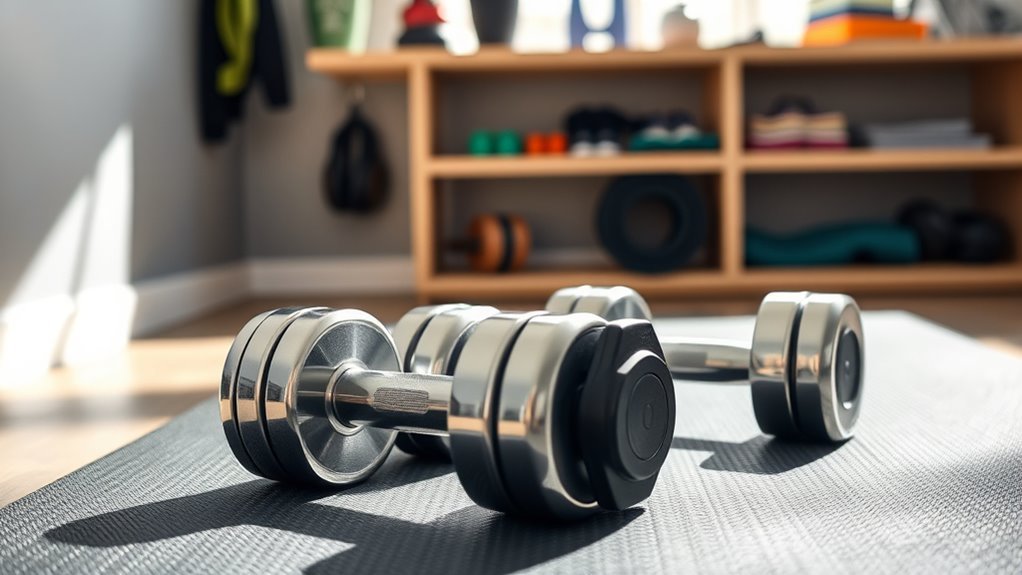
You generally can’t use your FSA to buy dumbbells unless a healthcare provider prescribes them for a specific medical condition, like physical therapy. FSAs cover medical expenses, not general fitness gear.
But if you have a letter of medical necessity, some fitness equipment might qualify.
Always keep receipts and documentation when submitting claims. This helps ensure your expenses get approved without a hassle.
If you want to explore how to maximize your FSA for fitness-related health needs and understand the required paperwork, there’s more helpful information ahead. Let’s dive into how you can make the most of your FSA for fitness equipment!
Key Takeaways
- Dumbbells are generally not FSA eligible unless prescribed by a healthcare provider for a specific medical condition.
- Fitness equipment qualifies only if medically necessary and supported by a letter of medical necessity from a doctor.
- You’ll need to submit claims with receipts and documentation proving the equipment’s medical purpose to your FSA administrator.
- Keep in mind, general fitness use of dumbbells without medical necessity does not qualify for FSA reimbursement.
- It’s a good idea to keep detailed records and be prepared to appeal if your FSA claim for fitness equipment is denied.
Understanding Flexible Spending Accounts (FSAs)
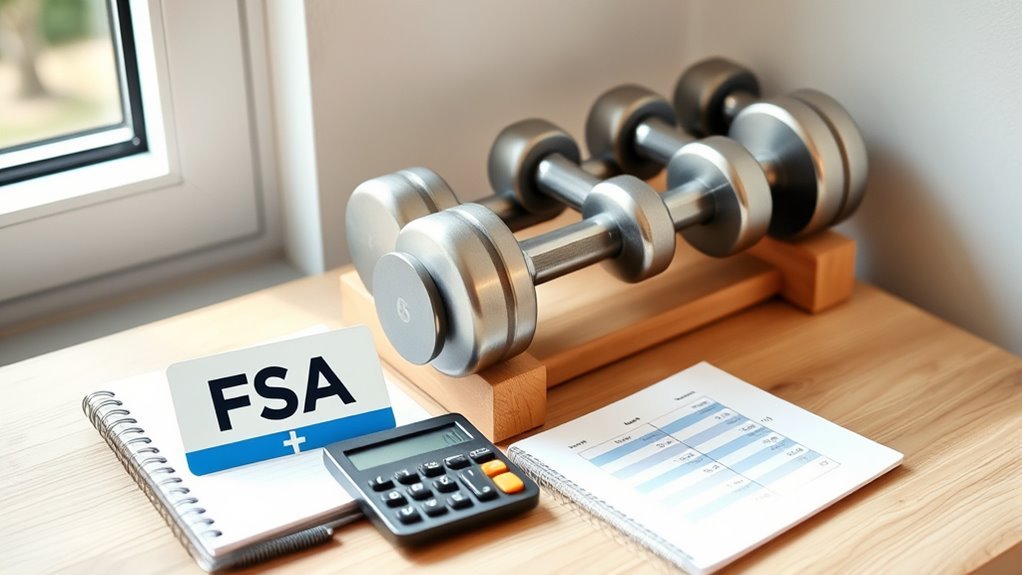
Although FSAs might seem complex, they offer a simple way for you to save on healthcare costs by using pre-tax dollars. When you contribute to an FSA, your money is set aside before taxes, reducing your taxable income. This means you keep more of your paycheck.
You can use these funds to pay for eligible medical expenses throughout the year without worrying about immediate out-of-pocket costs. FSAs are usually offered through your employer, and you decide how much to contribute during open enrollment.
Keep in mind, the money in an FSA typically must be used within the plan year, or you risk losing it. Understanding these basics helps you make smarter decisions about managing healthcare expenses and maximizing your savings.
What Expenses Are Typically Covered by FSAs?
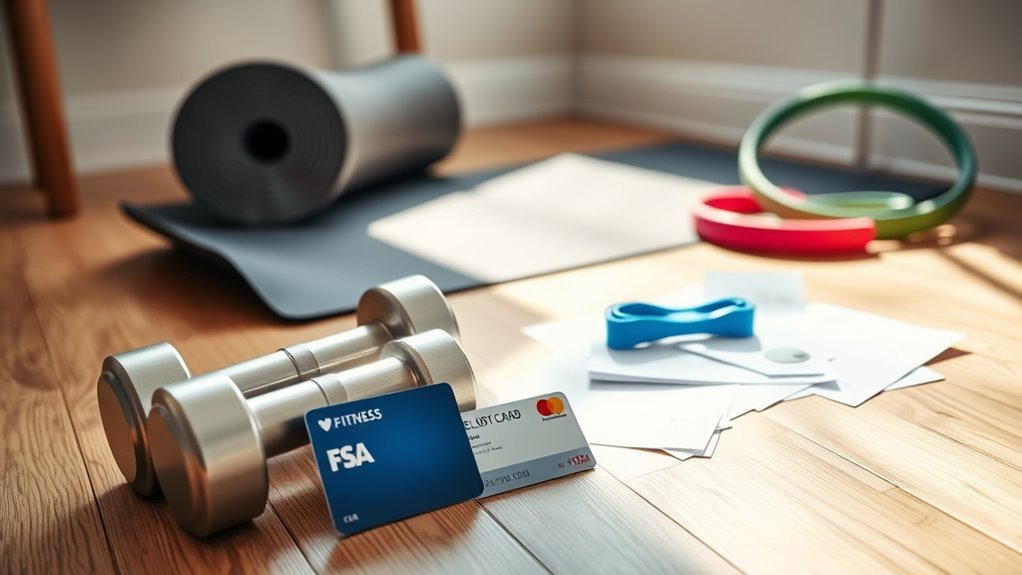
You can use your FSA funds for a variety of common medical expenses, but it’s important to know which items qualify. Over-the-counter products often count, though there are limits on what health-related equipment you can purchase.
Let’s break down what expenses typically qualify so you can plan your spending wisely. This way, you’ll get the most out of your FSA without any surprises.
Common Eligible Medical Expenses
While maneuvering your FSA benefits, it’s important to know which medical expenses typically qualify for reimbursement. FSAs usually cover costs directly related to medical care, treatment, and prevention. You’ll find that doctor visits, prescription medications, and certain medical supplies like bandages or crutches are commonly eligible.
Diagnostic tests, vaccinations, and some physical therapy services also qualify. Additionally, hearing aids, glasses, and contact lenses can be reimbursed. Dental treatments and mental health counseling often fall under eligible expenses, too.
However, remember that general wellness items or fitness equipment, like dumbbells, usually don’t qualify unless prescribed by a healthcare provider for a specific medical condition. Knowing these common eligible expenses helps you make the most of your FSA without surprises at claim time.
Over-the-Counter Item Coverage
Understanding which over-the-counter (OTC) items qualify for FSA reimbursement can help you better manage your healthcare expenses. Typically, FSAs cover OTC products that treat or prevent a medical condition, like pain relievers, allergy medications, and cold remedies.
You can also claim items such as bandages, first-aid supplies, and certain medical devices like blood pressure monitors. However, general wellness items like vitamins or fitness supplements usually aren’t eligible unless prescribed by a doctor.
Remember, you must keep receipts and, in some cases, a doctor’s note to prove medical necessity. Knowing these rules lets you confidently use your FSA funds on essential OTC products without risking denied claims.
This way, you can stay healthy while maximizing your benefits.
Health-Related Equipment Limits
Although FSAs cover a variety of health-related expenses, they often have specific limits on the types of equipment you can purchase. Generally, FSAs focus on items that treat or manage medical conditions rather than general fitness gear.
This means not all exercise equipment, like dumbbells, qualifies unless prescribed by a doctor for a medical purpose.
Typical expenses covered by FSAs include durable medical equipment (e.g., crutches, blood pressure monitors) and prescription orthotics and braces.
They also cover medical supplies for chronic conditions, like glucose monitors, and certain therapeutic devices recommended by a healthcare provider.
Understanding these limits helps you use your FSA funds wisely. That way, you can make sure your purchases align with IRS guidelines and your plan’s specific rules.
Are Dumbbells Considered Medical Expenses?
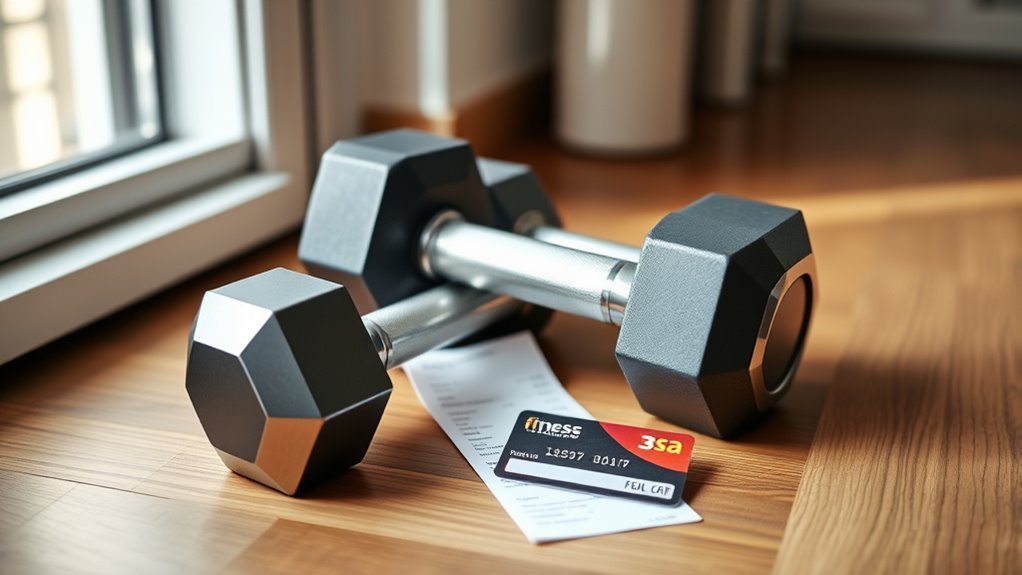
You might wonder if dumbbells qualify as medical expenses under IRS rules.
To figure this out, you’ll need to understand the criteria the IRS uses for medical equipment.
Let’s look at how these guidelines apply to fitness gear like dumbbells.
Medical Expense Criteria
Since medical expenses must directly relate to diagnosing, treating, or preventing a specific health condition, dumbbells generally don’t qualify as eligible FSA purchases.
To be FSA-eligible, an expense has to meet strict criteria set by the IRS. You need to prove the item is primarily for medical care, not general wellness or fitness.
Here’s what you should consider about medical expense criteria:
- The equipment must treat or prevent a diagnosed medical condition.
- It should be recommended by a healthcare professional.
- The expense must have a clear medical purpose, not just fitness.
- General exercise equipment, like dumbbells, typically doesn’t meet these standards.
Understanding these rules helps you decide if your purchase qualifies for FSA reimbursement. So, before you buy, make sure your expense ticks all these boxes!
IRS Guidelines on Equipment
When determining if dumbbells count as medical expenses under IRS guidelines, the key factor is whether they serve a specific medical purpose prescribed by a healthcare provider. The IRS typically allows expenses that treat or prevent a medical condition, so dumbbells used for general fitness won’t qualify.
However, if your doctor prescribes dumbbells as part of physical therapy for an injury or condition, you can consider them eligible. You’ll need documentation like a letter of medical necessity to submit with your FSA claim.
Without that, your claim will likely be denied since the IRS views fitness equipment as a personal expense. Always check with your FSA administrator and keep thorough records to ensure you’re following IRS rules correctly when submitting claims for equipment like dumbbells.
IRS Guidelines on Fitness Equipment and FSA Eligibility
Although fitness equipment like dumbbells can boost your health, the IRS sets specific rules about what qualifies for Flexible Spending Account (FSA) reimbursement. You need to know that not all fitness gear automatically qualifies.
The IRS requires that the equipment be medically necessary and prescribed by a healthcare provider for a specific condition. General health or fitness improvements usually don’t meet eligibility criteria.
Here’s what you should keep in mind:
- Equipment must treat or alleviate a medical condition.
- You need a letter of medical necessity from your doctor.
- Items for general wellness or weight loss are typically excluded.
- Documentation is essential for FSA claims approval.
Understanding these guidelines helps you use your FSA wisely without surprises. So, before you buy, make sure you check if your gear meets the IRS requirements!
When Can Fitness Equipment Be FSA Eligible?
If you want your fitness equipment to qualify for FSA reimbursement, it must serve a specific medical purpose prescribed by your healthcare provider. This means you need a letter of medical necessity explaining how the equipment helps treat or alleviate a medical condition.
For example, if you’ve been diagnosed with arthritis and your doctor recommends a stationary bike to improve joint mobility, that bike could be FSA eligible. General fitness or weight loss goals don’t qualify.
You’ll also want to keep all documentation, including your prescription and receipts, to submit with your FSA claim. Remember, the IRS requires proof that the equipment is medically necessary, so without that, your dumbbells or treadmill likely won’t be eligible for reimbursement.
Always check with your FSA plan administrator for specific rules. It’s a good idea to double-check before making any purchases!
Alternative Ways to Use Your FSA for Fitness and Health
Even though fitness equipment like dumbbells might not always qualify for FSA reimbursement, you can still use your FSA funds for various health-related expenses. FSAs cover a wide range of items and services that support your overall wellness and medical needs. This way, you can really make the most of your benefits.
Consider these alternative ways to use your FSA for fitness and health:
- Prescription orthotics or arch supports to improve mobility
- Physical therapy sessions prescribed by a doctor
- Blood pressure monitors or glucose testing kits
- Approved medical supplies like compression stockings
There are plenty of options that can help keep you healthy, even if traditional gym gear isn’t covered. So, check your plan details and see what works best for you!
Tips for Submitting Fitness Equipment Claims to Your FSA
When submitting claims for fitness equipment like dumbbells to your FSA, you’ll want to gather all necessary documentation upfront. This includes receipts, a letter of medical necessity from your healthcare provider, and any product descriptions that clarify the equipment’s health purpose.
Make sure the letter explicitly states why the equipment is required for your treatment or therapy. Double-check your FSA provider’s submission guidelines, as some require online uploads while others accept mailed forms.
Submit your claim promptly to avoid missing deadlines. Keep copies of everything for your records.
If your claim is denied, don’t hesitate to appeal with additional documentation or clarification from your doctor. Staying organized and thorough increases your chances of approval and ensures you get reimbursed smoothly.
Other Health-Related Purchases That Qualify for FSA Reimbursement
Although dumbbells are a common example, your FSA can cover a variety of other health-related purchases that support your well-being. You might be surprised by the range of items eligible for reimbursement, especially those that assist with medical conditions or overall health maintenance.
When using your FSA, consider these options:
- Orthopedic supports, like braces and compression sleeves
- Blood pressure monitors and glucose testing kits
- Sunscreen with SPF 15 or higher for skin protection
- First aid supplies, including bandages and antiseptics
Keep in mind, items primarily for general fitness or convenience usually don’t qualify unless prescribed by a healthcare professional. So, always check with your FSA administrator to confirm eligibility before making a purchase.
That way, you can make sure you’re getting the most out of your benefits without any surprises.
Frequently Asked Questions
Can FSA Funds Be Used to Pay for Personal Training Sessions?
You generally can’t use FSA funds for personal training sessions since they’re considered fitness services, not medical expenses.
However, if a doctor prescribes them for a specific condition, you might be able to get reimbursed. Just make sure you have the proper documentation to back it up.
Are Adjustable Dumbbells More Likely to Be FSA Eligible Than Fixed Weights?
No, adjustable dumbbells aren’t more likely to be FSA eligible than fixed weights. Typically, neither qualify since fitness equipment usually isn’t covered unless prescribed for a medical condition.
It’s a good idea to check your plan details before buying. That way, you’ll know for sure what’s covered and avoid any surprises.
Does My FSA Plan Require a Doctor’s Note for Fitness Equipment Purchases?
Before you delve into buying fitness gear with your FSA, check if your plan demands a doctor’s note—it’s like a golden ticket in a treasure hunt.
Many plans do, so don’t skip this essential step!
Can I Use FSA Funds to Buy Workout Clothing or Shoes?
You can’t use FSA funds to buy workout clothing or shoes since they’re considered general apparel, not medical expenses.
However, if a doctor prescribes specific footwear for a medical condition, FSA might cover those costs.
How Do FSA Reimbursements for Fitness Equipment Affect My Taxes?
Taxes rise while your FSA reimbursements for fitness equipment don’t count as income, so you won’t owe extra tax.
You’ll save money now, but keep records to avoid confusion during tax season.
Conclusion
Remember, “an ounce of prevention is worth a pound of cure.” While dumbbells alone usually aren’t FSA eligible, you can still use your FSA for certain fitness equipment if prescribed by a doctor or tied to a specific medical condition.
Keep your receipts and documentation handy when submitting claims. This helps ensure your expenses are approved without any hassle.
By understanding the rules and thinking creatively, you can make the most of your FSA to support your health and wellness goals. Using your FSA for fitness equipment can be a smart way to invest in your well-being while managing costs. Just remember, eligibility often depends on medical necessity and proper documentation, so always check with your plan provider before making a purchase.