How to Sit Safely on a Vibration Plate
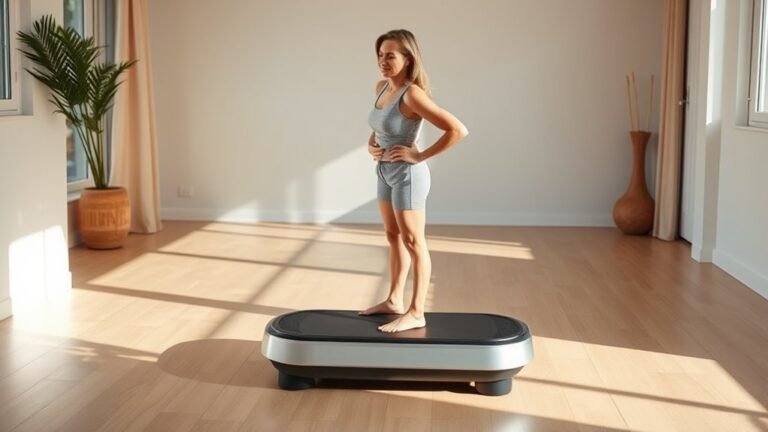
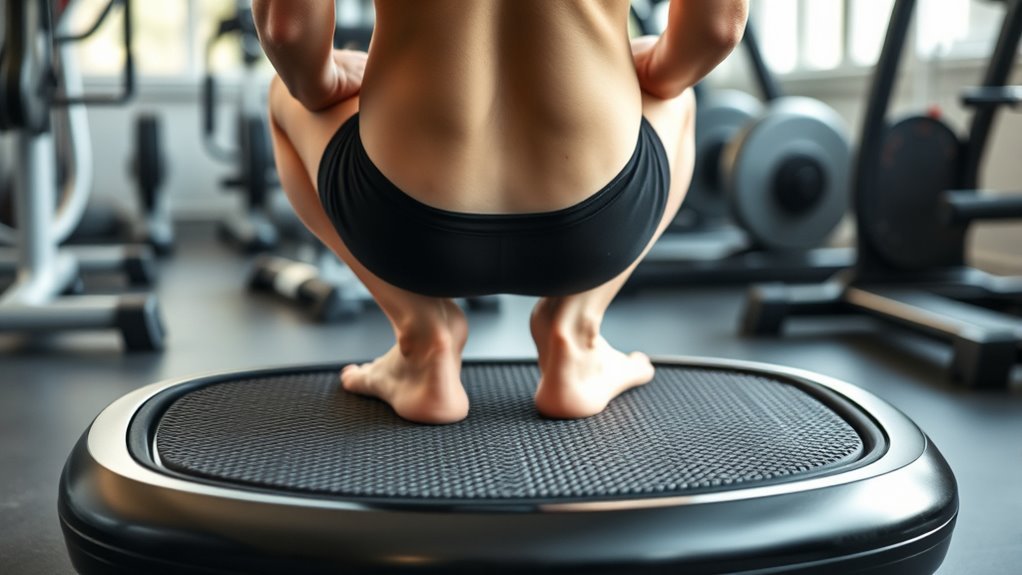
To sit safely on a vibration plate, start by choosing a stable model with adjustable intensity for comfort. Wearing fitted clothing and supportive shoes helps you stay secure during your session. Don’t forget to warm up your muscles beforehand to prepare your body for the vibrations.
Sit upright with your back straight and feet flat on the plate. Engage your core to support your spine and maintain good posture. It’s important to begin with low vibrations and listen closely to your body. Avoid slouching or pushing through any pain you might feel.
Breathe deeply and try to relax as you go. Keeping these steps in mind will help you maximize both safety and the benefits of using a vibration plate. Give it a try, and you’ll soon find what works best for you!
Key Takeaways
– Sit upright with a straight back, relaxed shoulders, and feet flat on the vibration plate for balanced weight distribution.
Start with low vibration intensity and gradually increase to avoid discomfort or injury during sitting exercises.
– Engage core muscles to support spinal alignment and maintain proper posture throughout the session.
Use slow, deep breathing to enhance muscle engagement and maintain relaxation while sitting on the plate.
– Limit session duration, take breaks if needed, and stop immediately if any pain or discomfort occurs.
Benefits of Using a Vibration Plate for Sitting Exercises
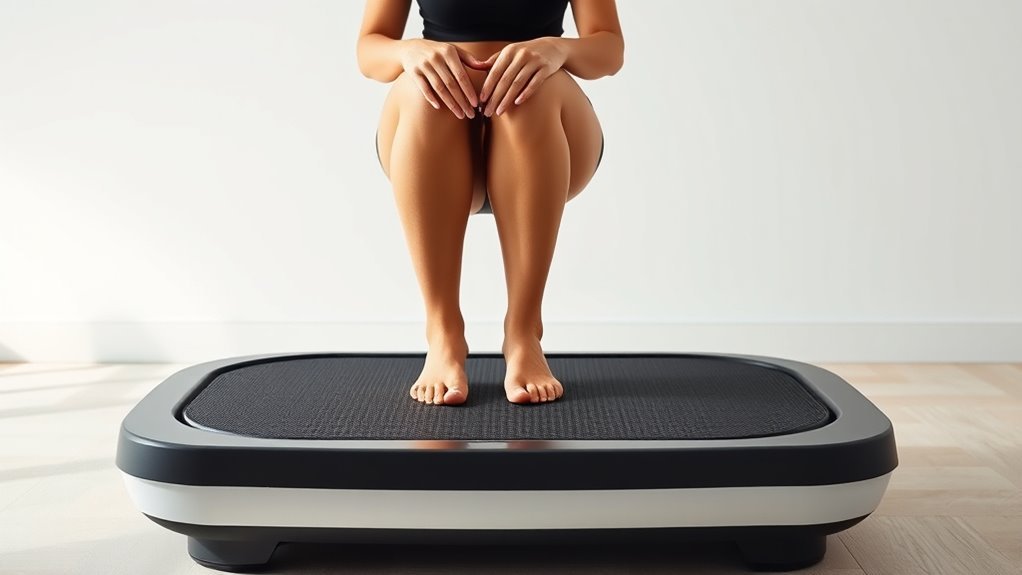
Although vibration plates are often used for standing workouts, sitting exercises on these devices offer unique benefits that you might not expect. When you sit on a vibration plate, you engage your core muscles more effectively, improving stability and posture.
The vibrations stimulate circulation in your lower body, helping reduce muscle stiffness and promoting quicker recovery after long periods of inactivity. You’ll also find that sitting exercises can be gentler on your joints while still providing muscle activation.
This makes them ideal if you’re recovering from injury or have limited mobility. Plus, the gentle vibrations can enhance relaxation and reduce stress.
Choosing the Right Vibration Plate for Sitting
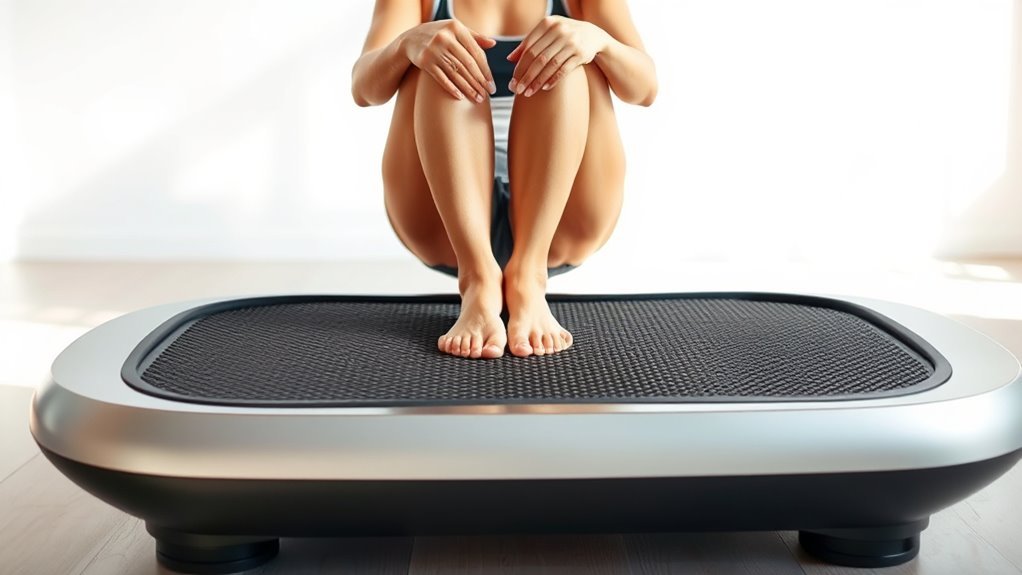
You’ll want to pick a vibration plate that’s stable and the right size for sitting comfortably. Look for adjustable intensity levels so you can control the vibration strength.
Also, check if the plate offers seat compatibility or attachments designed for sitting exercises. That way, you’ll get the most out of your workout without any hassle.
Size and Stability
When selecting a vibration plate for sitting, you need to focus on its size and stability to guarantee safety and comfort. Choose a plate with a surface large enough to support your entire seating area without feeling cramped. This prevents you from slipping off or losing balance during use.
Stability is equally important; look for vibration plates with a solid, non-slip base and sturdy construction that won’t wobble or shift when you sit down. Avoid models with narrow or lightweight designs, as they can tip easily.
Additionally, check for rubber feet or anti-skid pads to keep the plate firmly in place on different floor types. By prioritizing size and stability, you’ll create a safer, more comfortable vibration plate experience while sitting.
Adjustable Intensity Levels
Since everyone has different comfort levels and fitness goals, choosing a vibration plate with adjustable intensity settings helps you find the perfect balance between challenge and safety. You can start at a low level and gradually increase as your body adapts. This reduces the risk of discomfort or injury.
This flexibility lets you customize your experience to match your needs, making each session effective yet comfortable.
Look for these features to enhance your safety and enjoyment:
- Multiple vibration speeds for gradual progression
- Easy-to-use controls for quick adjustments
- Memory presets to save your favorite settings
- Seamless shifts between intensity levels
- Clear display to monitor your current setting
These options empower you to use your vibration plate safely and confidently.
Seat Compatibility Options
Although vibration plates are often designed for standing exercises, many models offer features that make sitting both safe and comfortable.
When choosing a vibration plate for sitting, consider seat compatibility options like surface texture, size, and stability.
You’ll want a model that supports a chair or bench securely without excessive movement. Some plates come with attachments or cushioned seats to enhance comfort during seated use.
| Feature | Benefit |
|---|---|
| Non-slip surface | Prevents sliding |
| Wide platform | Supports larger seats |
| Adjustable height | Fits various chair types |
| Stability controls | Keeps vibration steady |
| Seat attachments | Adds comfort and support |
Choosing the right vibration plate ensures you can sit safely while enjoying the benefits of vibration therapy.
Preparing Your Body Before Sitting on the Vibration Plate
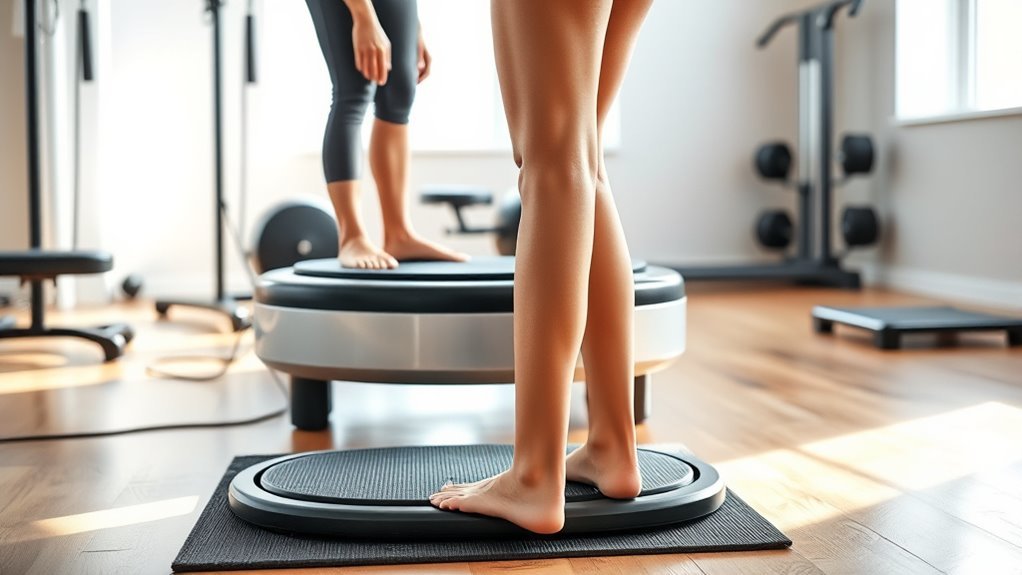
Before you sit on the vibration plate, make sure to warm up your muscles with some light exercises to prevent injury.
Choose comfortable, breathable clothing that allows full movement and won’t interfere with the machine.
Preparing your body properly helps you get the most out of your session safely.
Warm-Up Exercises
To get the most out of your vibration plate session, you should always warm up your muscles and joints first. Warming up prepares your body, reduces injury risk, and helps you feel more comfortable while sitting on the plate.
A simple, effective warm-up gets your blood flowing and loosens tight areas, making the vibration more beneficial.
Try these warm-up exercises before you sit down:
- Gentle neck rolls to release tension
- Arm circles to loosen shoulders
- Hip circles to increase joint mobility
- Light marching in place to raise your heart rate
- Ankle rotations to prepare lower limbs
Proper Clothing Choices
Choosing the right clothing is essential for a safe and effective vibration plate session. Wear comfortable, breathable fabrics like cotton or moisture-wicking materials that allow your skin to breathe and prevent overheating.
Avoid overly loose clothing that might get caught in the machine or restrict your movements. Opt for fitted workout clothes that let you move freely and maintain proper posture while sitting on the plate.
Choose supportive athletic shoes with good grip to keep your feet stable, especially if you *switch* from sitting to standing. Also, remove any jewelry or accessories that could interfere with the machine’s vibration or cause discomfort.
Correct Posture for Sitting on a Vibration Plate
Although sitting on a vibration plate might seem simple, maintaining the correct posture is essential to maximize benefits and prevent injury. You want to sit with your back straight and shoulders relaxed, avoiding slouching or leaning too far back.
Keep your feet flat on the plate, evenly distributing your weight to stay balanced. Engage your core muscles to support your spine and reduce strain.
Make sure your head is aligned with your spine, not jutting forward. It might feel a bit awkward at first, but it really helps.
Focus on these key posture points:
- Sit upright to protect your lower back
- Relax your shoulders to avoid tension
- Keep feet flat for stability
- Engage your core to maintain balance
- Align your head with your spine for comfort
This posture helps you feel confident and safe during your session. Give it a try and notice the difference!
Adjusting Settings for Safe Vibration Plate Use
When you adjust the settings on your vibration plate, you control how your body responds to the workout. Start with the lowest intensity and frequency to let your muscles gradually adapt.
Avoid jumping straight into high speeds or strong vibrations, which can cause discomfort or strain. Use the timer settings to limit your sessions, especially when sitting, to prevent overexposure.
If your plate offers different programs, choose one designed for beginners or gentle stimulation. Pay attention to how your body feels during each session; if you notice any pain or dizziness, reduce the intensity immediately.
Common Mistakes to Avoid While Sitting on a Vibration Plate
Since sitting on a vibration plate requires careful attention, you shouldn’t overlook common mistakes that can reduce effectiveness or cause injury. Avoid these pitfalls to get the most from your session and stay safe.
- Slouching or poor posture: This strains your back and lessens benefits. So, try to sit up straight and keep your posture in check.
- Using too high intensity too soon: It can cause discomfort or muscle strain. Start slow and gradually increase the intensity as your body gets used to it.
- Not securing your feet properly: This increases the risk of slipping or imbalance. Make sure your feet are firmly planted before starting.
- Ignoring pain signals: Pushing through pain can lead to injury. Listen to your body and stop if something doesn’t feel right.
- Sitting for too long without breaks: Overuse may cause fatigue or joint stress. Take regular breaks to keep your muscles and joints happy.
Incorporating Breathing Techniques During Vibration Training
Mastering proper posture and avoiding common mistakes sets a strong foundation for your vibration plate sessions. To enhance your experience, focus on incorporating controlled breathing techniques.
Start by taking slow, deep breaths through your nose, filling your lungs completely. This helps oxygenate your muscles and keeps you relaxed.
Avoid shallow or rapid breathing, which can increase tension and reduce the benefits. As the vibration activates your muscles, coordinate your breath with the movement—inhale during less intense moments and exhale during peak vibration.
This rhythm supports better muscle engagement and stability while sitting on the plate. Remember, steady breathing also improves your focus and prevents dizziness.
Practice these techniques consistently, and you’ll maximize efficiency and safety during each vibration training session.
Post-Session Care and Stretching After Using the Vibration Plate
Although the vibration plate effectively stimulates your muscles, you’ll want to prioritize post-session care to aid recovery and prevent stiffness. After your session, take time to cool down and gently stretch the muscles you’ve engaged.
This helps improve flexibility and reduces soreness. Don’t rush this phase; your body needs it.
Here’s what you should focus on after using the vibration plate:
- Hydrate well to flush out toxins and rehydrate muscles
- Perform gentle stretches targeting legs, back, and core
- Use deep breathing to relax your nervous system
- Apply a warm compress if you feel tightness or discomfort
- Rest adequately before your next workout to allow muscle repair
Taking these steps ensures you’ll feel refreshed and ready for your next session. Just give yourself that little extra care — your body will thank you!
Frequently Asked Questions
Can Vibration Plates Help With Improving Bone Density?
Yes, vibration plates can help improve bone density by stimulating bone growth through mechanical vibrations. When you use them regularly, they promote stronger bones and may reduce osteoporosis risk.
This is especially true when combined with proper exercise and nutrition. So, think of vibration plates as a helpful addition to your overall bone health routine.
Is Vibration Plate Therapy Suitable for Pregnant Women?
You shouldn’t use vibration plate therapy if you’re pregnant. It can cause discomfort, increase risk, and influence your baby’s health.
Always consult your doctor first to make sure you’re choosing safe, suitable exercises during pregnancy. It’s better to be cautious and get professional advice!
How Often Should I Clean My Vibration Plate?
You should clean your vibration plate after every use to prevent dust and sweat buildup. Wiping it down with a damp cloth and mild detergent does the trick.
Then, make sure to dry it thoroughly. This helps keep it safe and functioning well. It’s a simple step that really makes a difference!
Are Vibration Plates Safe for People With Pacemakers?
You shouldn’t use vibration plates if you have a pacemaker. The vibrations can interfere with your device’s function.
It’s always best to check with your doctor before trying vibration therapy. That way, you can be sure it’s safe for your health condition.
Can Children Use Vibration Plates Safely?
Children generally shouldn’t use vibration plates without adult supervision, as their bodies are still developing.
You should consult a pediatrician before letting kids use one to make certain it’s safe and appropriate for their age and health. It’s always better to be cautious when it comes to their well-being.
Conclusion
Think of sitting on a vibration plate like planting a seed in your body’s garden. With the right posture, careful settings, and mindful breathing, you nurture growth and strength safely.
Skip the shortcuts or careless moves, and you risk shaking your roots loose. So, tend to your body with respect and care before, during, and after your session—just like a gardener who knows that patience and attention bring the best blooms.
Sitting safely on a vibration plate means focusing on your posture and adjusting the settings to fit your comfort level. Remember to engage your core and breathe steadily to maximize benefits without strain.
By following these simple steps, you protect your body and promote better results. Think of it as nurturing your health with every session, ensuring your body stays strong and balanced while enjoying the vibration plate safely.