How to Use HSA for Gym Equipment Purchases
You can use your HSA to buy gym equipment if it’s prescribed by your doctor to treat a medical condition. This means the equipment should be medically necessary, not just for general fitness.
Make sure to get a written note showing the medical necessity to support your purchase.
Keep your receipts organized for tax purposes—it’s important for tracking your expenses. The equipment must be mainly for your treatment, so don’t use your HSA funds for regular workout gear.
You can either use your HSA funds directly or pay out-of-pocket and get reimbursed later.
Understanding these rules helps you maximize your tax benefits and avoid penalties.
There’s a bit more to consider when planning your purchases effectively, so keep these guidelines in mind before buying your gym equipment.
Key Takeaways
- Use HSA funds only for gym equipment prescribed by a doctor to treat or manage a medical condition. Make sure you have the proper documentation before you buy anything.
- Obtain and keep a doctor’s note or prescription that shows the medical necessity of the gym equipment. This paperwork is important if you need to prove the expense later.
- Purchase eligible equipment like treadmills, stationary bikes, or therapy tools recommended for your condition. Not all gym gear qualifies, so stick to what your doctor suggests.
- Save all receipts and medical documentation to verify qualified expenses for tax-free HSA withdrawals. Keeping everything organized will make tax time much easier.
- You can use your HSA debit card at the time of purchase, or if you pay out of pocket, just submit your receipts later to get reimbursed for eligible gym equipment. It’s flexible, so choose what works best for you.
Understanding Health Savings Accounts and Their Benefits
Although Health Savings Accounts (HSAs) are often linked to medical expenses, they offer several benefits that you might not realize. For starters, you can contribute pre-tax dollars, which lowers your taxable income and helps you save money.
Your funds grow tax-free, and when you withdraw money for qualified medical expenses, you don’t pay taxes on those distributions. Plus, the money in your HSA rolls over year after year, so you won’t lose what you don’t spend.
You’re also in control—you decide how and when to use your funds, making HSAs a flexible tool for managing healthcare costs. Understanding these benefits helps you see why HSAs can be a smart part of your financial and health planning.
Criteria for Gym Equipment Eligibility Under HSA
When you want to use your HSA funds for gym equipment, you need to meet specific criteria set by the IRS to guarantee the purchase qualifies as a medical expense. First, the equipment must be primarily for treating or preventing a medical condition diagnosed by a healthcare professional. This means general fitness gear usually won’t qualify unless prescribed.
Second, you’ll need documentation, like a doctor’s note, confirming the medical necessity. Third, the equipment should be used mainly by the person with the condition, not for family use or general exercise.
Finally, you must keep all receipts and medical recommendations for tax purposes. Meeting these criteria ensures your HSA funds are used correctly and helps avoid potential IRS penalties during audits. So, make sure you have everything in order before making that purchase!
Types of Gym Equipment Commonly Covered by HSAs
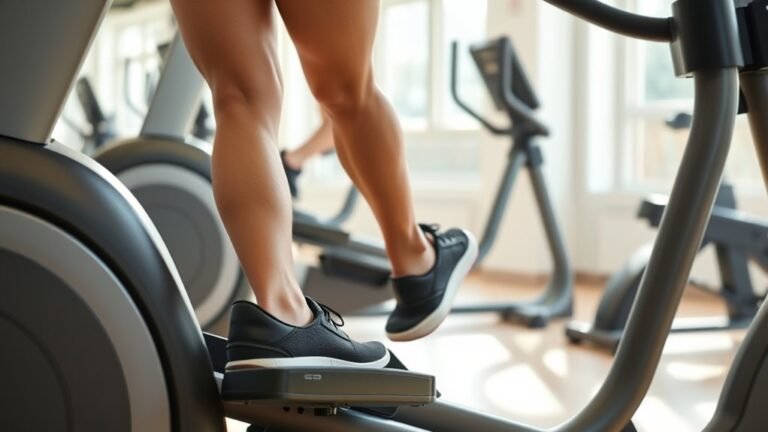
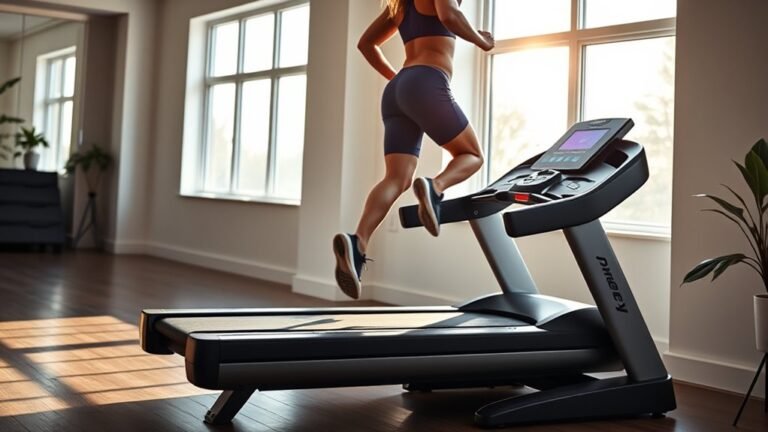
Since HSAs cover gym equipment only if it’s medically necessary, you’ll find that certain types are more commonly approved. Equipment like treadmills, stationary bikes, and elliptical machines often qualify when prescribed to improve cardiovascular health or aid rehabilitation.
HSAs often cover gym equipment like treadmills and stationary bikes when prescribed for heart health or rehab.
You might also see coverage for resistance bands, hand weights, or therapy balls if they’re part of a physical therapy program. Specialized machines designed for mobility improvement, such as recumbent bikes or adaptive exercise equipment, are frequently included.
However, general fitness gear without a clear medical purpose usually isn’t eligible. To maximize your HSA benefits, focus on equipment specifically recommended by your healthcare provider to address a medical condition or support recovery.
This targeted approach helps ensure your purchases meet HSA guidelines. It’s always a good idea to check with your provider before buying.
How to Determine Medical Necessity for Gym Equipment
Determining whether your gym equipment qualifies as medically necessary starts with understanding your healthcare provider’s recommendations and documentation. Your doctor must clearly state that the equipment is essential for treating or managing a specific medical condition.
To determine medical necessity, follow these steps:
- Obtain a written prescription or letter from your healthcare provider explaining why the equipment is required for your health.
- Ensure the equipment directly relates to your diagnosed condition and supports prescribed therapy or rehabilitation.
- Keep all documentation, including your provider’s notes and diagnosis, as proof when using your HSA funds.
It’s important to have everything clearly documented so you can confidently use your HSA funds without any issues. Just keep your provider’s notes and diagnosis handy, and you’re good to go!
Steps to Use Your HSA Funds for Gym Equipment Purchases
To use your HSA funds for gym equipment, start by confirming the items you want are eligible expenses. Then, make your purchase using your HSA debit card or pay out of pocket and save the receipt.
Keep all documentation handy in case you need to prove the medical necessity later. It’s always good to stay organized with these things, just in case.
Eligible Gym Equipment
Wondering which gym equipment qualifies for HSA purchases? Generally, your HSA funds can cover equipment prescribed by a healthcare professional to treat a medical condition.
Here are three common eligible items:
- Treadmills or elliptical machines prescribed for cardiovascular therapy.
- Weights and resistance bands recommended for physical rehabilitation.
- Stationary bikes used as part of a doctor-approved exercise plan.
Keep in mind, the equipment must be necessary for medical treatment rather than general fitness. Over-the-counter or general-use gym gear typically isn’t eligible.
To make sure your purchase qualifies, get a doctor’s note specifying how the equipment addresses your health needs. That way, you can confidently use your HSA funds without risking disqualification.
Payment and Documentation
Once you’ve confirmed your gym equipment is eligible and have a doctor’s note in hand, you’ll need to handle payment and keep proper documentation. Use your HSA debit card directly at the point of sale whenever possible to pay for the equipment.
If you pay out of pocket, save the receipts and submit claims to your HSA provider for reimbursement. Make sure the receipts clearly show the purchase date, item description, and amount paid.
Keep a copy of your doctor’s recommendation alongside the receipts in case you need to verify the medical necessity. Proper documentation is essential to avoid tax penalties and ensure your expenses qualify.
Staying organized with receipts and notes will make using your HSA for gym equipment smooth and hassle-free. It’s really all about keeping things simple and well-documented!
Documentation and Record-Keeping Requirements
When you use your HSA for gym equipment, it’s vital to keep all receipts and invoices for proof of purchase. You’ll also need documentation showing the equipment is medically necessary.
Make sure you store these records in an organized way to easily access them if needed. It’s always better to be prepared in case you need to verify your expenses later.
Required Receipts and Invoices
Although using your HSA for gym equipment can offer tax advantages, you must keep detailed receipts and invoices to prove the purchase qualifies. These documents are essential if you’re ever asked to verify your expenses by the IRS or your HSA administrator.
When gathering your paperwork, make sure your receipts clearly state the date of purchase and the vendor’s name. They should also include a detailed description of the equipment bought, showing it’s workout-related.
Don’t forget that the receipts need to show the exact amount paid, including any taxes or fees. Keep digital or physical copies organized and accessible.
Without these records, you risk your HSA expense being disqualified, which could lead to penalties or additional taxes. So, always save your receipts and invoices immediately after buying gym gear.
Medical Necessity Documentation
Keeping detailed receipts is just one part of what you need to use your HSA for gym equipment. You also have to keep medical necessity documentation. This means you’ll need a doctor’s note or prescription stating that the equipment is required to treat or manage a specific medical condition.
Without this, your HSA administrator could deny the expense as non-qualified. Make sure the note clearly explains why the equipment is medically necessary for your health. Keep copies of these documents alongside your receipts for easy reference during audits or tax time.
Staying organized with your medical necessity paperwork helps you avoid unexpected penalties and ensures your HSA funds are used correctly. Always check your HSA plan’s rules for any additional documentation requirements.
Storage and Organization Tips
Since proper storage and organization of your HSA documentation can save you time and stress, it’s vital to develop a system that keeps your receipts, medical necessity notes, and related paperwork easily accessible.
Start by creating a dedicated folder—physical or digital—specifically for all HSA-related documents. Next, label each item clearly with the purchase date, vendor, and purpose to simplify future reference.
Finally, regularly update your records after every gym equipment purchase to avoid missing essential documents.
- Use a labeled folder or digital app for all HSA paperwork
- Annotate each document with date, vendor, and medical purpose
- Consistently update your files immediately after purchases
This organized approach ensures you’re always prepared for HSA audits and easy reimbursement claims.
Potential Tax Implications of Using HSA for Fitness Equipment
When you use your HSA to buy gym equipment, you need to consider how the IRS views these expenses. Only medically necessary items qualify for tax-free withdrawals. If the IRS deems your purchase non-qualified, you’ll face taxes and a 20% penalty.
Keep documentation proving medical necessity to avoid issues.
| Expense Type | Qualified? | Tax Consequences if Not Qualified |
|---|---|---|
| Prescribed Equipment | Yes | No tax or penalty |
| General Equipment | No | Taxes + 20% penalty |
| Documentation | Required | Risk of audit without proof |
Always check if your fitness equipment is prescribed or recommended by a healthcare provider. This helps ensure your HSA funds remain tax-advantaged.
Tips for Maximizing Your HSA for Health and Wellness Purchases
Understanding the tax rules around HSA spending on gym equipment is just one part of making the most of your account.
Knowing how HSA rules apply to gym equipment helps you optimize your health savings effectively.
To truly maximize your HSA for health and wellness purchases, consider these tips:
- Prioritize Qualified Expenses: Focus on items and services the IRS deems eligible, like certain gym equipment prescribed by a doctor. This ensures your withdrawals are tax-free.
- Keep Detailed Records: Save receipts and any relevant prescriptions or documentation. It’s helpful if you ever need to prove your expenses were qualified.
- Plan Purchases Strategically: Try to make larger purchases in years when your HSA balance is looking healthy. Also, think about combining expenses to get the most out of your tax benefits.
Frequently Asked Questions
Can I Use My HSA for Gym Memberships as Well as Equipment?
You generally can’t use your HSA for gym memberships since they’re considered a general wellness expense, not a qualified medical expense.
However, gym equipment might qualify if prescribed by a doctor for a specific medical condition. So, if your doctor recommends certain equipment for treatment, you could use your HSA funds for that. Otherwise, memberships usually don’t qualify.
Are There Restrictions on Where I Can Buy Hsa-Eligible Gym Equipment?
Yes, you can only buy HSA-eligible gym equipment from retailers that provide qualified medical products.
Make sure the equipment is prescribed by a doctor and keep receipts to prove it’s for medical use, not general fitness.
It’s important to follow these steps so your purchase qualifies for HSA reimbursement. That way, you avoid any issues with the IRS later on.
Can I Use HSA Funds to Repair or Maintain Gym Equipment?
You generally can’t use HSA funds to repair or maintain gym equipment since these expenses aren’t considered qualified medical expenses.
Focus your HSA spending on eligible items prescribed by a healthcare professional to avoid issues.
Basically, if it’s not directly related to a medical treatment or condition, it probably won’t qualify. So, it’s best to keep your HSA dollars for those approved medical costs.
How Do HSAS Differ From FSAS for Gym Equipment Purchases?
You might think HSAs and FSAs work the same for gym gear, but they don’t. HSAs let you save and invest funds year-round, which is pretty convenient.
FSAs, on the other hand, have a use-it-or-lose-it rule. That means you need to spend the money within the plan year, or you lose it. This limits your flexibility quite a bit.
What Happens if I Use HSA Funds for Non-Eligible Gym Items?
If you use HSA funds for non-eligible gym items, you’ll owe income taxes on that amount plus a 20% penalty. It’s a pretty steep cost to pay, so it’s definitely something to avoid.
To keep things smooth, make sure your purchases actually qualify. Or, at the very least, keep your receipts handy in case you need to prove what you spent the money on.
Conclusion
Using your HSA for gym equipment can be a game-changer for your health and wallet, but you’ve got to know the rules of the road. Remember, only medically necessary items qualify, so keep your documentation tight and clear.
Think of your HSA as a secret weapon in your wellness arsenal—used wisely, it can power your fitness journey without draining your finances. Stay informed, stay organized, and watch your health investments pay off.
When considering how to use your HSA for gym equipment purchases, always verify that the equipment is prescribed by a healthcare professional for a specific medical condition. This ensures your spending aligns with IRS guidelines. By doing so, you maximize the benefits of your HSA, making your fitness goals more affordable and accessible.
In summary, using your HSA for gym equipment requires careful planning and proper documentation. With this approach, your health savings account becomes a valuable tool, helping you invest smartly in your well-being while managing costs effectively. Stay proactive and make the most of your HSA to support a healthier lifestyle.