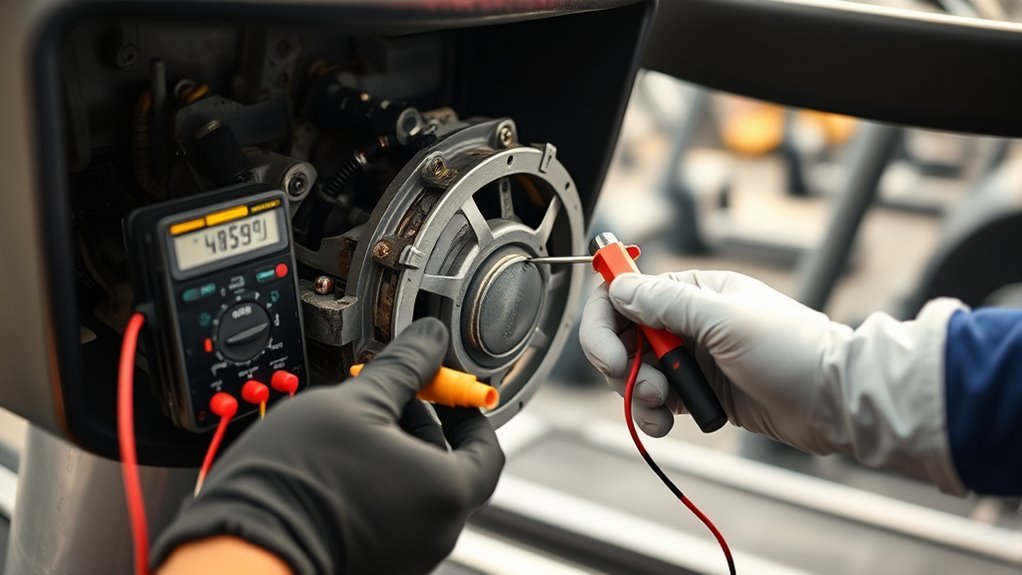
How Much to Repair Treadmill Water Damage
You’ll usually pay between $100 and $600 to repair treadmill water damage, depending on how bad it is and which parts are affected.
Minor electrical fixes cost less, while motor or control board replacements push costs higher.
Keep in mind, DIY attempts can risk further damage or safety issues.
Knowing when to call a pro or consider replacing your machine can save you time and money.
Explore what factors influence these decisions next.
Understanding the costs and repair options will help you make the best choice for your treadmill’s water damage.
Key Takeaways
– Treadmill water damage repair costs typically range from $100 to $600 depending on severity and parts affected. Minor electrical fixes usually cost around $100-$250.
But if the motor or control board needs replacing, you could be looking at $300-$600. Water damage often messes with the electronics, motor, wiring, belt, and deck, which makes repairs more complicated and expensive.
That’s why a professional assessment is super important. They can check the internal damage and make sure the repairs are safe and effective.
Also, keep in mind the age of your treadmill. Sometimes, if the damage is extensive, it might make more sense to replace the whole unit instead of repairing it.
Common Causes of Water Damage in Treadmills
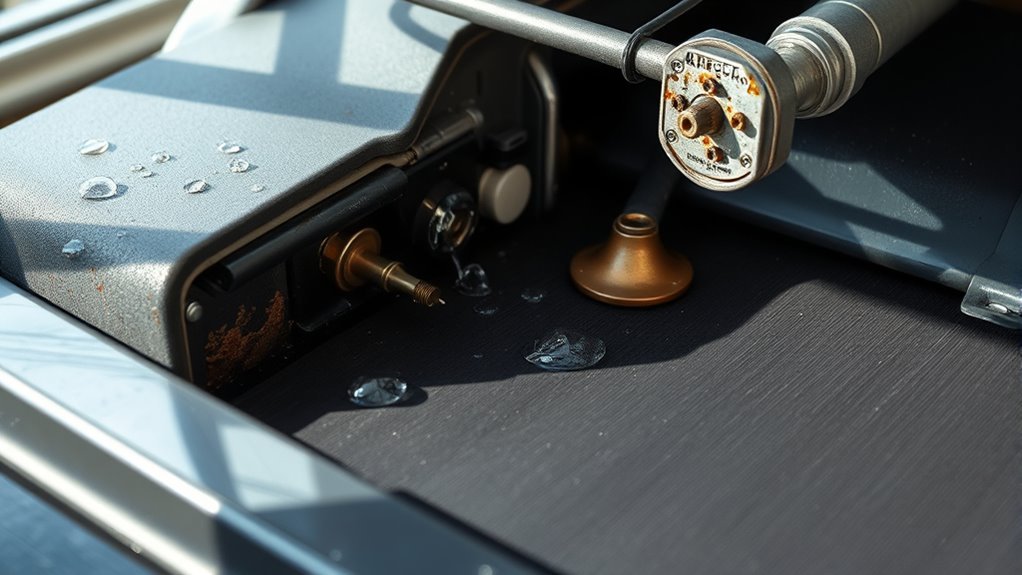
Although treadmills are designed for indoor use, they can still suffer water damage from several common sources. You might accidentally spill water or sports drinks while working out, and those liquids can seep into the machine’s electronics.
If you keep your treadmill near windows or doors, rain or humidity can also cause moisture buildup inside. Cleaning your treadmill with too much water or using a damp cloth without proper drying can lead to corrosion over time.
Even sweat, which contains salt and moisture, can damage the belt and motor if it isn’t wiped off regularly. By understanding these causes, you can take steps to protect your treadmill and avoid costly repairs down the line.
Signs Your Treadmill Has Water Damage
If you notice visible rust or corrosion on your treadmill, it’s a clear sign water has caused damage. You might also experience electrical issues like flickering displays or sudden power loss.
Paying attention to these symptoms can help you address the problem before it gets worse. So, keep an eye out and don’t ignore any unusual signs.
Visible Rust and Corrosion
When you spot visible rust and corrosion on your treadmill, it’s a clear sign that water has seeped into areas it shouldn’t. Rust often appears on metal parts like the frame, screws, or bolts, weakening their integrity.
Corrosion can also form on moving components, causing friction and impairing performance. Ignoring these signs can lead to more extensive damage, increasing repair costs.
Check for these common indicators:
- Orange or brown discoloration on metal surfaces
- Flaking or pitting on the frame or fasteners
- Stiff or noisy joints due to corrosion buildup
If you notice these symptoms, address them promptly. Doing so will help prevent further deterioration and keep your treadmill safe and functioning well.
Electrical Malfunction Symptoms
Water exposure can cause your treadmill’s electrical components to malfunction, leading to erratic behavior or complete failure. If you notice your treadmill suddenly shuts off during use, struggles to start, or displays error codes frequently, water damage might be the culprit.
You might also experience unresponsive buttons, flickering display screens, or unusual noises from the motor. These symptoms often signal short circuits or corroded wiring inside the console or motor housing.
Ignoring these signs can worsen the damage and increase repair costs. If your treadmill behaves unpredictably after exposure to moisture, it’s essential to power it down immediately and have a professional inspect it.
Early detection of electrical issues helps prevent further damage and guarantees your treadmill remains safe to use. So, don’t wait around if something feels off—get it checked out!
Components Most Affected by Water Exposure
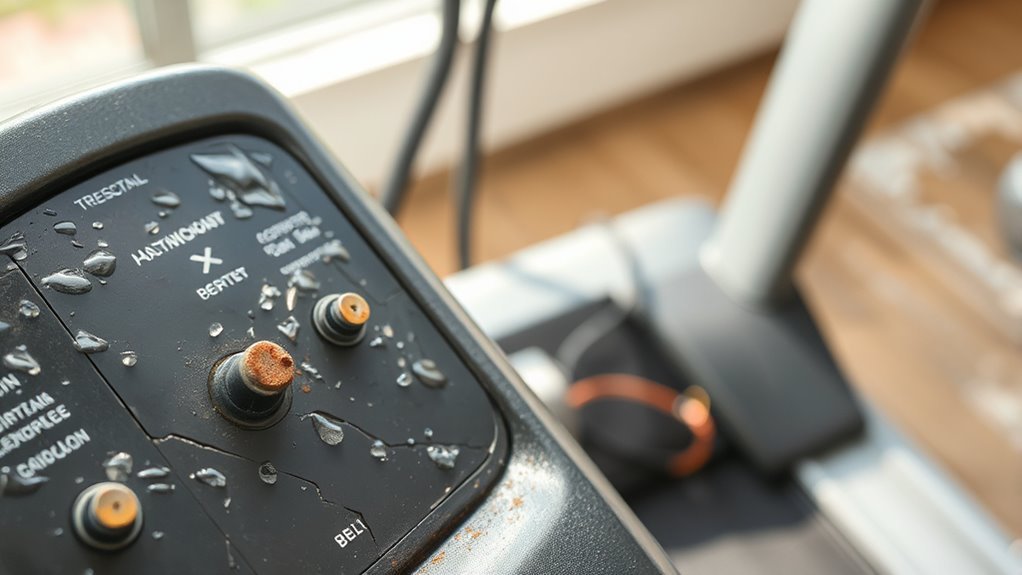
When water gets inside your treadmill, the electronics and motor are the first to face serious risks.
You’ll also notice that the belt and deck can suffer from warping or damage.
Understanding which parts are most vulnerable helps you address the problem quickly and effectively.
Electronics and Motor Risks
Although you might focus on visible damage, the electronics and motor inside your treadmill suffer the most from water exposure. Water can cause short circuits, corrosion, and permanent component failure. This may result in costly repairs or replacement.
You’ll want to act quickly to prevent further damage and assess what parts need attention.
Key risks to consider include:
- Control board damage: Water can short out circuits, rendering the treadmill unusable.
- Motor corrosion: Moisture causes rust and decreased motor efficiency.
- Wiring issues: Wet wires can create shorts or dangerous electrical faults.
Addressing these problems early can save you money and extend your treadmill’s lifespan. Always have a professional inspect the electronics and motor after water exposure for safe and effective repairs.
Belt and Deck Damage
Beyond the electronics and motor, the treadmill’s belt and deck often bear the brunt of water exposure. When water seeps under the belt, it can cause the material to warp, stretch, or weaken, leading to slipping or uneven movement.
The deck beneath the belt, usually made of wood or composite, absorbs moisture and can swell or crack, damaging its smooth surface. This damage not only affects your workout experience but also puts extra strain on the motor.
If you notice your belt slipping, unusual noises, or a rough running surface, water damage to these parts might be the cause. Replacing or repairing the belt and deck can be costly, so addressing water exposure quickly is vital to minimize long-term damage and costly repairs.
Average Cost Range for Treadmill Water Damage Repairs
Repairing treadmill water damage typically costs between $100 and $600, depending on the severity of the issue and the parts affected.
If the damage is minor, like a damp motor cover or small electrical issues, expect costs on the lower end. More extensive repairs, such as replacing the motor or control board, push the price higher.
Here’s a quick breakdown of common repair costs:
- Minor electrical fixes: $100 to $250
- Motor or control board replacement: $300 to $600
- Belt or deck repair: $200 to $400
Knowing this range helps you budget and decide if repair or replacement makes more sense. Always get a professional assessment for an accurate estimate.
Factors Influencing Repair Costs
When you’re facing treadmill water damage, several factors influence how much the repair will cost. The extent of the damage plays a big role—minor moisture issues cost less than severe electrical or motor damage.
Repair costs for treadmill water damage depend largely on the severity, with minor issues being less expensive than major electrical problems.
The model and brand of your treadmill also matter; parts for high-end machines are pricier. Labor costs vary depending on where you live and the technician’s expertise.
If the water reached critical components like the motor or control board, expect higher expenses. Additionally, how quickly you act can affect costs; prompt repairs might prevent further damage.
Finally, warranty status can reduce your out-of-pocket expenses if water damage is covered. Understanding these factors helps you prepare for the potential repair bill.
DIY Troubleshooting and Temporary Fixes
If you catch water damage early, you can try some DIY troubleshooting steps to assess and temporarily fix your treadmill. First, unplug the machine and let it dry completely to prevent electrical issues.
Next, inspect key components like the motor, belt, and control panel for signs of moisture or corrosion. Finally, test the treadmill carefully after drying, watching for unusual sounds or malfunctions.
Here are three quick DIY steps to try:
- Remove the motor cover and use a dry cloth or compressed air to clear moisture.
- Check the belt tension and alignment, adjusting if water caused slipping.
- Apply contact cleaner to electronic connectors to improve conductivity.
These fixes can help you avoid further damage until you decide on a permanent solution. Just remember, they’re temporary, so keep an eye on how your treadmill is working!
When to Consider Professional Repair Services
While DIY steps can help manage minor water damage on your treadmill, some issues require expert attention to prevent further harm. You should consider professional repair services if your treadmill shows persistent electrical problems, such as failure to power on or erratic display behavior after drying it out.
Also, if you notice unusual noises, belt slippage, or motor overheating, it’s a sign that internal components might be damaged. Water can corrode wiring and circuit boards, so avoiding DIY fixes beyond surface cleaning protects you from potential safety hazards.
Professionals have the tools and expertise to thoroughly assess and repair complex damage, ensuring your treadmill runs safely and efficiently. Don’t hesitate to seek help when simple fixes don’t restore normal function.
Comparing Repair Costs vs. Replacement Options
Because repair costs can quickly add up, you’ll want to weigh them against the price of a new treadmill. If your water damage is extensive, repairs might approach or even exceed what a new machine costs.
Consider how old your treadmill is—investing too much in an aging model might not be worth it. Also, think about warranty coverage and how long you plan to keep the treadmill.
Here are key points to help you decide:
- Extent of damage: Minor fixes cost less; major repairs add up fast.
- Age and condition: Older treadmills may not justify high repair costs.
- Replacement price: New models often come with updated features and warranties.
Comparing these factors helps you make a smart, cost-effective choice. It’s all about finding the best value for your money!
Frequently Asked Questions
Can Water Damage Affect Treadmill Warranty Coverage?
Yes, water damage usually voids your treadmill warranty since most manufacturers don’t cover liquid damage.
You’ll want to check your warranty terms carefully, but expect to cover repairs or replacements out of pocket if water’s involved.
How Long After Water Exposure Should I Wait Before Using the Treadmill?
Before hopping on your treadmill, wait at least 48 hours after water exposure to make certain it’s completely dry.
You wouldn’t want it short-circuiting like a steampunk gadget gone haywire, right?
Safety first!
Are There Specific Treadmill Brands More Prone to Water Damage?
You won’t find specific treadmill brands more prone to water damage; it mainly depends on build quality and protection measures.
Still, you should avoid water contact altogether to keep any treadmill working smoothly and safely. It’s just better to be safe than sorry when it comes to electronics and moisture.
Does Humidity Alone Cause Similar Damage as Direct Water Exposure?
Think of humidity as a slow drip, not a flood; it can sneakily corrode your treadmill’s parts over time.
What Preventive Measures Reduce Treadmill Water Damage Risk Indoors?
You should keep your treadmill in a dry, well-ventilated area, and use a protective cover. Avoid placing drinks nearby to prevent spills.
Also, regularly clean any moisture buildup. These simple steps really help reduce the risk of water damage.
Plus, they can extend your treadmill’s lifespan indoors. It’s all about keeping things dry and tidy!
Conclusion
Just like a ship caught in a sudden storm, your treadmill can face unexpected water damage that threatens its journey. But with the right care and timely repairs, you can steer it back on course without sinking your budget.
Remember, sometimes a quick fix is all you need, while other times calling in a pro is your safest harbor. Weigh your options wisely, and keep your fitness goals sailing smoothly.
When it comes to treadmill water damage, costs can vary depending on the extent of the damage and the parts affected. Minor issues like drying out electronics or replacing belts might be affordable, but severe damage to the motor or console could be pricier.
So, whether you’re tackling a small repair yourself or hiring a professional, acting quickly is key to minimizing costs. Taking care of treadmill water damage promptly helps you avoid bigger expenses down the road and keeps your workouts on track.