How Much Weight Does a Typical Bench Press Bar Hold?
You can safely load a typical Olympic bench press bar with between 700 and 1,500 pounds, depending on the bar’s type and quality.
Standard bars hold less weight and suit beginners, while power bars and specialty bars handle heavier loads.
Material quality, diameter, and construction also affect how much weight the bar supports.
Proper maintenance and storage help keep your bar strong and safe.
Keep exploring to find the best bar for your training needs and how to care for it.
Choosing the right bench press bar is key to maximizing your workout safely and effectively.
Key Takeaways
- A typical men’s Olympic bench press bar holds between 700 and 1,500 pounds safely. These bars are built tough and designed to handle heavy loads.
- Standard bars for beginners usually support less weight than Olympic bars. So, if you’re just starting out, you might want to go with these.
- Specialty bars like cambered or Swiss bars have weight limits ranging from 600 to 900 pounds. They offer different grips and angles for varied workouts.
- Bar strength depends on material quality, diameter, and manufacturing processes. Not all bars are created equal, you know?
- Always check manufacturer weight limits to ensure safe lifting and avoid accidents. It’s better to be safe than sorry when lifting heavy!
Types of Bench Press Bars

Although you might think all bench press bars are the same, they actually come in several types designed for different purposes and weight capacities. You’ll find standard bars, which are lighter and usually suited for home gyms or beginners.
Then there are Olympic bars, often used in competitions and gyms, built to handle heavier loads and offer better durability. If you focus on powerlifting, you might use specialized bars like the power bar, designed for maximum strength training with less whip.
There’s also the technique bar, lighter and thinner, perfect for beginners to practice form. Knowing the type of bar you’re using helps you understand its strength limits and how much weight it can safely hold.
Standard Weight Capacity of Olympic Bars
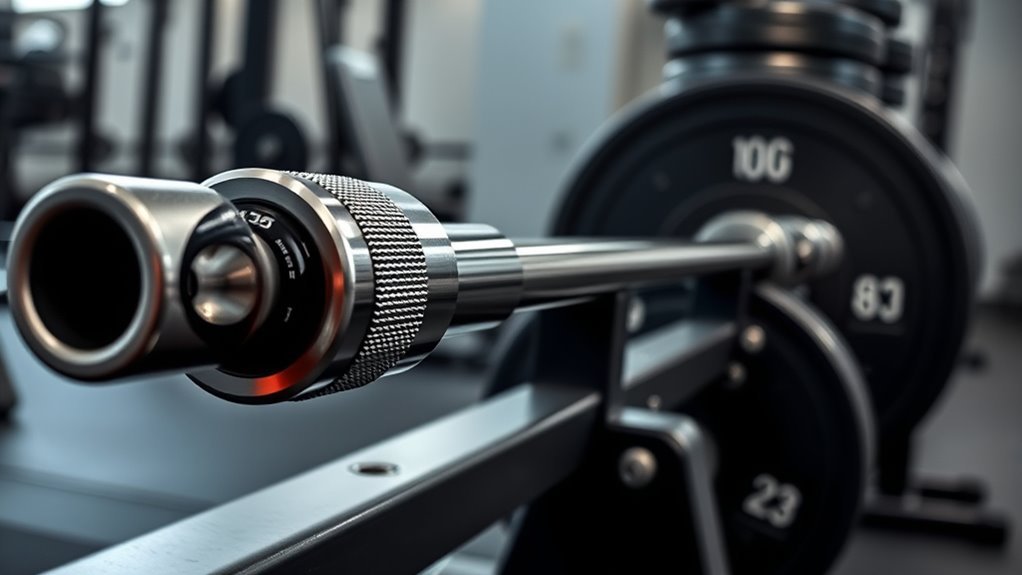
When you choose an Olympic bar, you can expect it to support a significant amount of weight due to its design and construction. Typically, standard Olympic bars hold between 700 and 1,500 pounds.
Olympic bars are designed to support heavy loads, typically between 700 and 1,500 pounds.
Most commonly found in gyms, the men’s Olympic bar weighs 45 pounds and has a length of about 7 feet. It’s engineered to handle heavy loads safely.
Women’s Olympic bars are lighter, usually weighing 33 pounds with a slightly shorter length. They support slightly less weight, often around 500 to 700 pounds.
These bars feature high-quality steel and rotating sleeves to reduce stress and improve durability. So, when you pick up an Olympic bar for your bench press, you can confidently load it with substantial weight, knowing it’s built to handle intense training sessions.
Factors Affecting Bar Strength
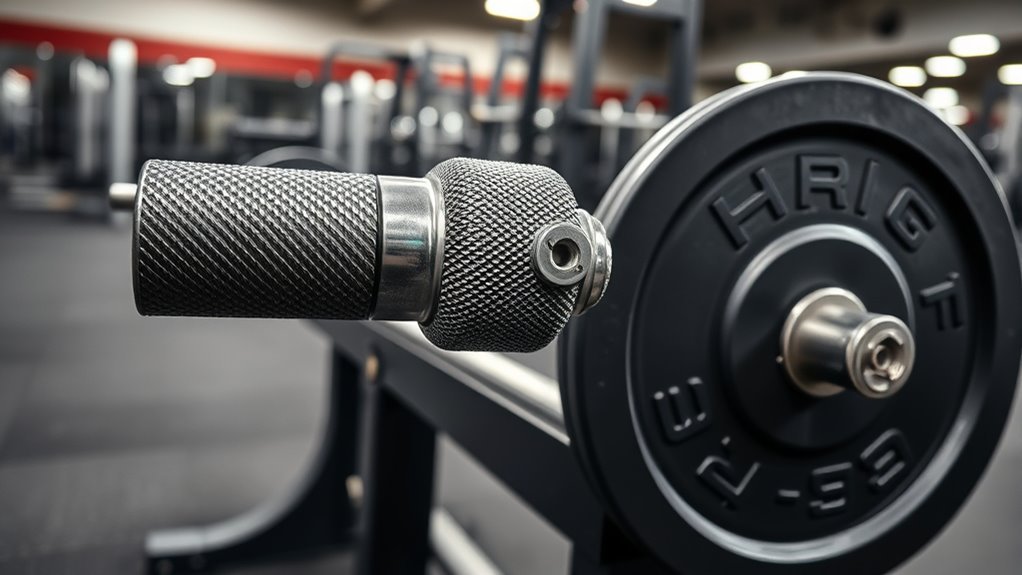
Understanding the standard weight capacities of Olympic bars gives you a baseline, but several factors influence how much weight a bench press bar can actually handle.
First, the bar’s material plays a vital role—high-quality steel offers greater strength and durability. The bar’s diameter and thickness also matter; thicker bars generally support heavier loads.
Additionally, the manufacturing process and heat treatment affect the bar’s tensile strength. Wear and tear from frequent use or improper handling can weaken the bar over time, reducing its safe weight capacity.
The design of the bar sleeves and the quality of the bearings impact how the bar rotates under load, indirectly affecting performance and safety.
Specialty Bars and Their Load Limits
Because specialty bars are designed for specific training purposes, their load limits often differ from standard Olympic bars. When you use these bars, you need to be aware of their unique capacities to avoid injury or equipment damage.
Specialty bars have unique load limits—know them to train safely and protect your equipment.
Here’s what you should know:
- Cambered Bars – These bars have a curved design, typically holding around 700 to 900 pounds.
- Swiss Bars – Featuring multiple grip options, their load limits usually range between 600 to 800 pounds.
- Safety Squat Bars – Built with padding and handles, they often support 600 to 1,000 pounds, depending on construction.
- Trap Bars – Mainly for deadlifts, these bars can hold between 700 to 1,200 pounds.
Always verify the manufacturer’s specifications before loading a specialty bar to guarantee safe training. It’s better to be safe than sorry!
Material and Construction of Bench Press Bars
You’ll find that most bench press bars are made from high-quality steel, which gives them impressive strength and durability. The type of steel and how the bar is constructed directly affect how much weight it can safely hold.
Understanding these factors helps you choose a bar that matches your lifting needs. It’s pretty important to get this right so you can lift confidently and safely.
Common Materials Used
Although bench press bars come in various designs, the materials used in their construction play a crucial role in determining their strength and durability.
When choosing a bar, you’ll typically encounter these common materials:
- Steel – The most popular choice, known for its excellent balance of strength and flexibility.
- Stainless Steel – Offers corrosion resistance and a sleek finish, great if you want a bar that lasts longer.
- Chrome-Plated Steel – Provides a smooth surface resistant to rust but can wear over time.
- Cerakote Coating – A newer option, this ceramic-based coating adds extra protection against scratches and corrosion.
Each material affects the bar’s feel, maintenance, and longevity, so pick one that fits your workout style and environment.
It really depends on what you value most—whether that’s durability, appearance, or how the bar feels in your hands. Choose wisely!
Bar Strength and Durability
When selecting a bench press bar, understanding how its material and construction impact strength and durability is essential. High-quality bars typically use steel alloys with specific tensile strengths measured in pounds per square inch (PSI). The higher the PSI, the more weight the bar can handle without bending or breaking.
You’ll also want to think about the bar’s diameter and sleeve design, as these contribute to its overall stability during lifts. Bars with solid sleeves and precise machining resist wear and wobbling, which helps ensure consistent performance.
Additionally, protective coatings like chrome or zinc prevent rust and extend the bar’s lifespan. By choosing a bar built with durable materials and solid construction, you protect your investment and keep yourself safe during heavy lifts.
Signs a Bench Press Bar Is Overloaded
If you notice unusual bending or excessive wobbling in the bar during your lifts, it’s a clear sign you’ve overloaded your bench press bar. Pushing beyond the bar’s capacity can lead to damage or injury.
Here are four signs that indicate your bar is overloaded:
- Visible bending: The bar curves noticeably under weight, beyond normal flex.
- Unstable rotation: The sleeves wobble or spin inconsistently when loaded.
- Unusual noises: Creaking or cracking sounds come from the bar during lifts.
- Difficulty reracking: The bar doesn’t sit properly on the rack due to deformation.
If you experience these signs, reduce the load immediately to protect your equipment and ensure your safety. Better safe than sorry, right?
Choosing the Right Bar for Your Training Goals
Because different training goals demand specific bar features, choosing the right bench press bar can substantially influence your progress and safety. If you’re focused on building maximum strength, opt for a heavy-duty bar with a higher weight capacity and minimal whip to handle heavier loads safely.
For muscle hypertrophy and endurance, a standard Olympic bar with moderate flexibility and knurling will provide a good grip and enough resilience for varied repetitions. If your training includes speed or technique work, a lighter, more flexible bar might suit you better, allowing for faster bar movement and better control.
Always match the bar’s specifications—weight, length, and tensile strength—to your goals to ensure you train effectively without risking injury or equipment damage. It’s all about finding the right fit for what you want to achieve.
Maintenance Tips to Extend Bar Lifespan
Choosing the right bench press bar sets the foundation for effective and safe training, but maintaining that bar properly guarantees it stays reliable over time. To extend your bar’s lifespan, you’ll want to focus on consistent care and attention.
- Clean regularly: Wipe down your bar after each session to remove sweat and chalk that can cause rust. This simple step helps keep the bar looking and performing great.
- Lubricate bearings: Apply light oil to the sleeves and bearings every few months to keep rotation smooth. It’s a small effort that makes a big difference in how your bar spins.
- Store properly: Keep your bar in a dry, cool place and use a bar rack or wall mount to avoid bending. Proper storage helps prevent damage when the bar isn’t in use.
- Inspect frequently: Check for any signs of wear, cracks, or loose parts to address problems early and avoid injury. Catching issues early means you can fix them before they become serious.
Follow these tips, and your bench press bar will stay in great shape for years. Taking a little time to care for your equipment now pays off in the long run.
Frequently Asked Questions
How Should I Warm up Before Using a Bench Press Bar?
You should start with light cardio, then do dynamic stretches for your shoulders and chest.
Begin bench pressing with an empty bar, gradually adding weight to warm up your muscles and prevent injury before your main sets.
This way, your body gets ready step by step and you reduce the risk of straining anything. It’s a simple routine but super effective!
What Safety Equipment Is Recommended for Bench Pressing?
You should always wear a spotter or use safety bars—over 70% of bench press injuries happen without a spotter.
Wrist wraps and a weightlifting belt also help protect your joints and support your form during heavy lifts.
It’s all about keeping yourself safe while pushing your limits. Don’t skip these essentials!
How Often Should I Replace My Bench Press Bar?
You should replace your bench press bar when you notice bending, rust, or damaged knurling.
Typically, this happens every few years with regular use, but inspect it often to guarantee safety and peak performance during workouts.
It’s better to catch any issues early so you don’t risk injury. Keeping an eye on your equipment ensures you get the most out of your training sessions.
Can Beginners Use the Same Bars as Advanced Lifters?
You can use the same bars as advanced lifters, like wearing the same shoes for a walk or a marathon. Just focus on your form and gradually increase weight.
Make sure you’re prioritizing safety and proper technique as you progress. It’s all about steady improvement!
What Is the Proper Bench Press Form to Avoid Injury?
You should keep your feet flat and grip the bar evenly. Then, lower it to your mid-chest.
Press the bar up while keeping your back slightly arched. Don’t lock your elbows or bounce the bar.
These little things can help you avoid injury. So, make sure to focus on your form every time you bench press!
Conclusion
When choosing your bench press bar, consider its construction, capacity, and your current capabilities carefully. Standard Olympic bars typically carry considerable weight, but specialty bars vary markedly.
By being mindful of material, maintenance, and maximum load limits, you’ll maximize muscle gains while minimizing mishaps. Remember, proper preparation prevents problems.
So, pick the perfect bar, prioritize proper upkeep, and push past plateaus safely and smartly for strong, steady strength success. A high-quality bench press bar that supports your weight needs is key to effective training and injury prevention.
Stay consistent with maintenance and choose bars that suit your lifting goals. This way, your bench press sessions remain safe, productive, and rewarding.