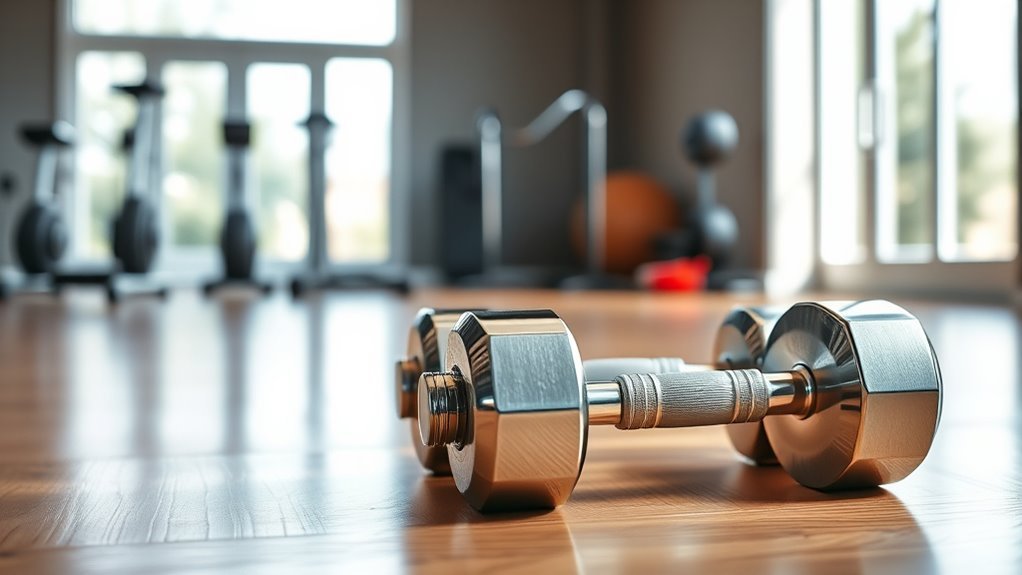
Are Dumbbells HSA Eligible for Fitness Equipment?
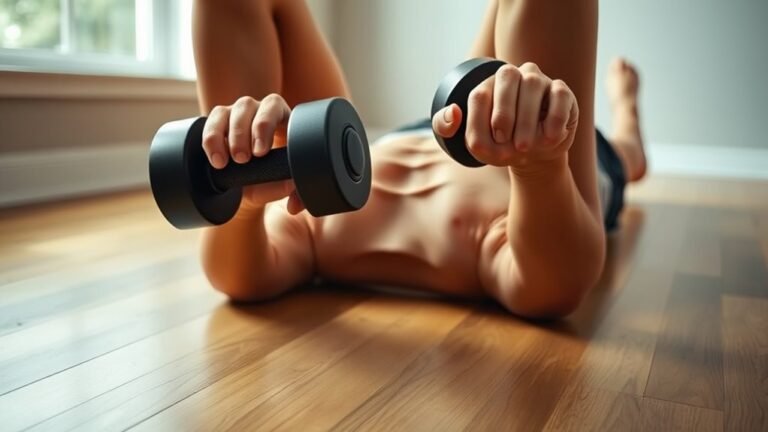
You can’t use HSA funds to buy dumbbells unless a doctor prescribes them for a specific medical condition.
Generally, dumbbells used for general fitness or weight loss don’t qualify as medical expenses under IRS rules.
To use your HSA on fitness equipment, it needs to be medically necessary, supported by a healthcare provider’s documentation.
If you want to make smart HSA choices for your health, understanding what’s allowed can really help.
So, before you reach for those dumbbells with your HSA card, check if you have a prescription or medical reason. Otherwise, the IRS won’t consider them an eligible expense.
It’s all about making sure your spending aligns with the rules for HSA eligibility.
Key Takeaways
- Dumbbells are generally not HSA eligible because they are considered general fitness equipment, not a qualified medical expense.
- To qualify for HSA funds, dumbbells must be prescribed by a healthcare provider for a specific medical condition. Proper medical necessity documentation, such as a doctor’s letter, is required to justify dumbbells as a therapeutic expense.
- HSA funds can be used for therapeutic or rehabilitative equipment but not for general wellness or fitness purposes.
- Always verify eligibility with your HSA provider before purchasing dumbbells to ensure compliance with IRS guidelines. It’s better to check first than to assume!
Understanding Health Savings Account (HSA) Basics
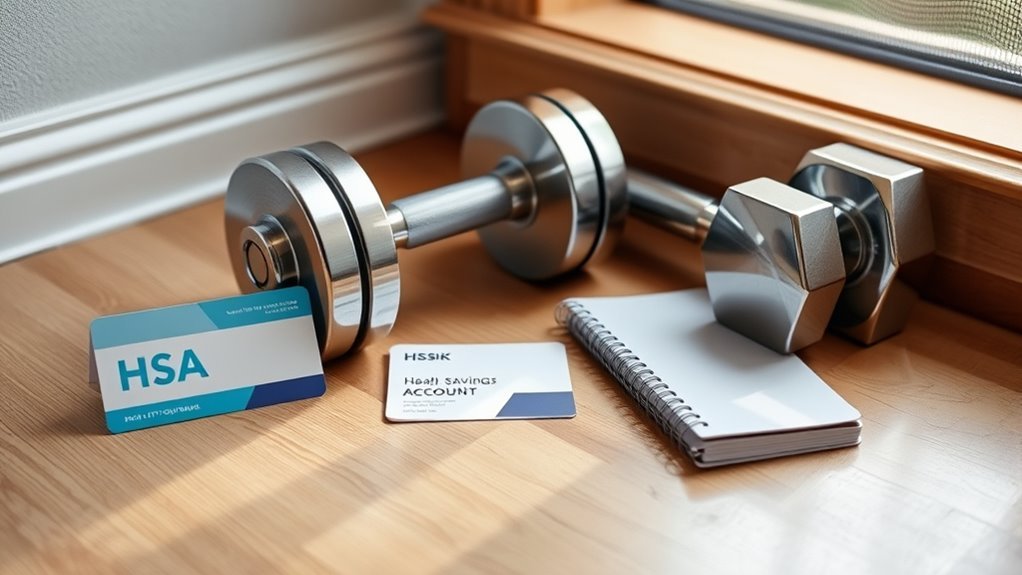
Before you plunge into using your Health Savings Account (HSA), it’s important to understand how it works. An HSA is a tax-advantaged savings account designed to help you pay for qualified medical expenses.
Understanding how your Health Savings Account works is key before you start using it for medical expenses.
You can contribute pre-tax dollars, which grow tax-free, and withdraw funds tax-free when used for eligible costs. To open an HSA, you need a high-deductible health plan (HDHP).
You control the account, which means you can invest your funds or save them for future medical needs. Remember, HSAs have annual contribution limits set by the IRS.
Also, funds roll over year to year, so you won’t lose unused money. Knowing these basics helps you manage your HSA wisely and avoid unexpected tax penalties or disallowed expenses.
What Expenses Qualify for HSA Reimbursement?
Knowing which expenses qualify for HSA reimbursement helps you make the most of your account and avoid tax issues. Generally, you can use your HSA funds for medical expenses that the IRS considers “necessary.” This includes doctor visits, prescriptions, medical devices, and treatments.
Some preventive care items and services also qualify. However, not all health-related purchases are eligible. Over-the-counter drugs, menstrual products, and certain medical supplies often qualify, but fitness equipment usually does not unless prescribed for a specific medical condition.
You can’t typically use HSA money for general wellness or fitness expenses. To be sure, keep detailed records and receipts of your purchases. This way, you can confidently submit claims and avoid penalties or denied reimbursements.
IRS Guidelines on Fitness Equipment and HSA Eligibility
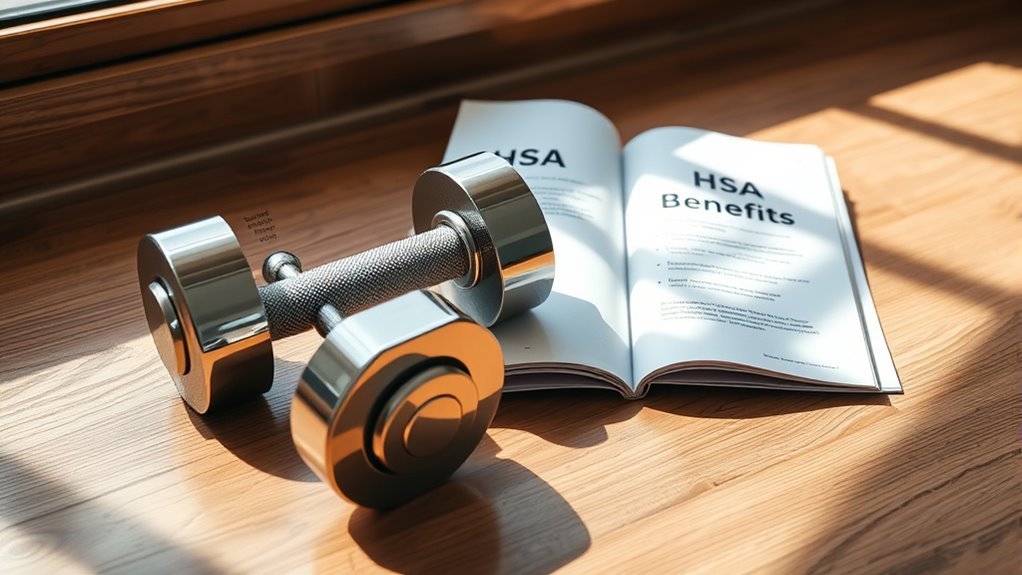
While some medical supplies qualify for HSA reimbursement, fitness equipment usually doesn’t unless a doctor specifically prescribes it to treat a medical condition. The IRS considers expenses eligible if they primarily prevent or treat a medical issue.
Fitness gear like dumbbells generally falls under personal wellness, which isn’t covered. However, if your healthcare provider documents that using fitness equipment is part of a treatment plan—for example, physical therapy after an injury—you might qualify for HSA use.
You’ll need a letter of medical necessity to support your claim during IRS reviews. Without this, dumbbells and similar items are seen as general health expenses, making them ineligible.
Can Dumbbells Be Considered a Medical Expense?
You might wonder if dumbbells qualify as a medical expense for your HSA. The IRS requires that equipment be medically necessary to count, not just for general fitness.
Let’s look at how these guidelines apply to dumbbells.
Medical Necessity Criteria
Although dumbbells are commonly used for general fitness, you can’t automatically classify them as a medical expense for HSA purposes. To qualify, you need to show that their use is medically necessary.
This means a healthcare professional must recommend dumbbells to treat or manage a specific medical condition, such as rehabilitation after injury or improving muscle strength due to illness. Simply wanting to stay in shape or lose weight won’t meet the criteria.
You should keep documentation like a doctor’s note or treatment plan outlining why dumbbells are essential for your health. Without clear medical necessity, your HSA provider may deny the expense.
IRS Guidelines on Equipment
Since the IRS sets strict rules on what counts as a medical expense for your HSA, dumbbells don’t automatically qualify. The IRS generally allows expenses that diagnose, treat, or prevent a medical condition.
For equipment like dumbbells to be eligible, they must be prescribed by a healthcare professional as part of a treatment plan. Simply buying dumbbells for general fitness or weight loss won’t meet IRS criteria.
You’ll need documentation showing the equipment treats a specific medical issue, like rehabilitation after an injury. Without this, the IRS sees dumbbells as personal fitness items, not medical necessities.
Differences Between Medical Necessity and General Fitness
While maintaining general fitness improves overall health, Health Savings Accounts (HSAs) only cover expenses deemed medically necessary. This means you can’t simply use your HSA for general workout gear like dumbbells unless a healthcare provider prescribes them for a specific condition.
Medical necessity implies that the equipment must treat or alleviate a diagnosed health issue.
Medical necessity means equipment is used specifically to treat or relieve a diagnosed medical condition.
Here’s how medical necessity differs from general fitness:
- Medical necessity targets specific health conditions or rehabilitation needs.
- General fitness focuses on overall wellness without a prescribed medical reason.
- HSA eligibility requires documentation from a healthcare professional.
- Fitness equipment for medical use often addresses injuries or chronic illnesses.
- General exercise tools without medical justification usually aren’t covered.
Understanding this distinction helps you know when HSA funds apply to your fitness equipment.
Examples of Fitness Equipment Approved for HSA Use
You might wonder which fitness equipment qualifies for HSA spending. Typically, items like therapeutic exercise machines or equipment prescribed by a doctor meet the criteria.
Let’s explore common examples and what makes them eligible. It’s all about whether the equipment is used for medical purposes, not just general fitness.
Common Eligible Equipment
Although not all fitness equipment qualifies for HSA use, several common items do meet the criteria. This makes it easier for you to invest in your health.
These approved items often target specific medical conditions or assist with physical therapy. When you choose equipment, verify it supports your health goals and meets HSA guidelines.
Here are some common examples you might find eligible:
- Blood pressure monitors
- Treadmills prescribed for rehabilitation
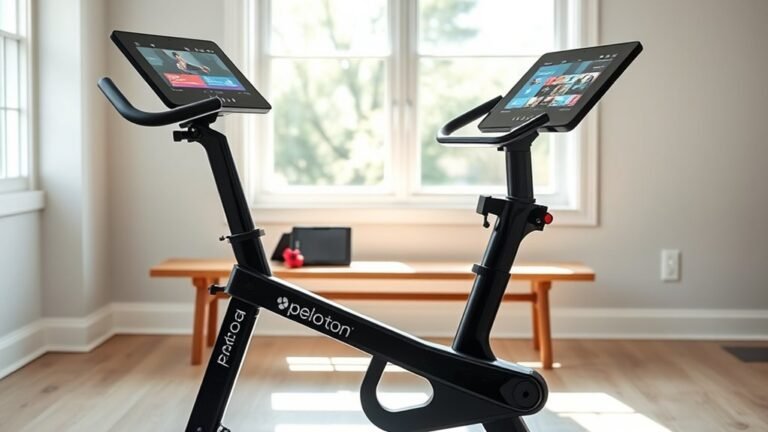
- Stationary bikes for cardiovascular therapy
- Continuous glucose monitors
- Therapeutic weights or resistance bands
Keep in mind, while dumbbells might seem useful, their eligibility depends on medical necessity. So, always check with your HSA provider before purchasing to confirm what’s covered under your plan.
Criteria for Approval
Since HSA funds must be used for medically necessary items, equipment approval hinges on specific criteria that demonstrate health benefits.
To qualify, fitness equipment must be prescribed by a healthcare professional to treat a specific medical condition. It should aid rehabilitation, improve physical function, or manage a chronic illness.
For example, items like blood pressure monitors, therapeutic exercise bands, and certain treadmills designed for physical therapy often qualify. You’ll find that general fitness gear, like dumbbells, rarely meets these criteria unless tied to a prescribed therapy.
When you want to use HSA funds, make sure your equipment directly supports medical treatment and comes with documentation from your doctor. This approach helps you avoid denied claims and ensures your purchase is HSA-eligible.
Alternatives to Dumbbells for HSA-Eligible Fitness Investments
When looking for HSA-eligible fitness options beyond dumbbells, you’ll find several effective alternatives that support strength and overall health. These options often qualify because they focus on improving or maintaining your physical condition, which is key for HSA eligibility.
Consider incorporating these into your routine:
- Resistance bands for versatile strength training
- Stability balls to enhance core strength and balance
- Yoga mats for injury prevention during flexibility exercises
- Foam rollers to aid muscle recovery and reduce soreness
- Elliptical machines for low-impact cardiovascular workouts
Each of these alternatives offers benefits that contribute to your overall health and can often be purchased with your HSA funds. Just make sure to check with your HSA provider to confirm eligibility before buying.
Tips for Using Your HSA Funds Wisely on Health-Related Purchases
To make the most of your HSA funds, you should prioritize purchases that directly support your health and well-being. Focus on items and services that your doctor recommends or that clearly address a medical condition.
Keep detailed receipts and documentation to prove eligibility if needed. Avoid spending on general fitness equipment, like dumbbells, unless prescribed for therapy.
Instead, consider HSA-eligible options like orthopedic supports, blood pressure monitors, or physical therapy sessions. Always check the IRS guidelines or consult your HSA provider before making purchases.
Using your funds wisely ensures you retain money on medical expenses and avoid tax penalties. Plan your spending ahead, and don’t hesitate to ask healthcare professionals for advice on what qualifies.
This approach keeps your health and finances in balance.
Frequently Asked Questions
Can I Use HSA Funds for Personal Trainer Sessions?
You generally can’t use HSA funds for personal trainer sessions since they’re considered fitness expenses. However, if a doctor prescribes it for a specific medical condition, you might qualify.
Always check your HSA plan’s rules first. It’s a good idea to confirm before booking any sessions to avoid surprises.
Are Yoga Mats Covered by HSA?
Yoga mats typically aren’t covered by your HSA since they’re considered general fitness equipment, not medical necessities.
However, if a doctor prescribes one for a specific health condition, you might be able to use your HSA funds to get it. So, it really depends on your situation and what your doctor says.
How Do I Submit a Claim for Fitness Equipment?
First, find your fitness receipt. Then, fill forms faithfully, follow your HSA’s specific submission steps, and swiftly send your claim.
Stay savvy, save securely, and soon see your spending streamlined and supported.
Does HSA Cover Gym Membership Fees?
No, HSA funds don’t typically cover gym membership fees since they’re considered general wellness expenses.
You can use your HSA for specific medical equipment prescribed by a doctor, but memberships usually aren’t eligible. So, while staying active is great, paying for a gym membership with your HSA probably won’t fly.
Can I Buy Fitness Apps With HSA Funds?
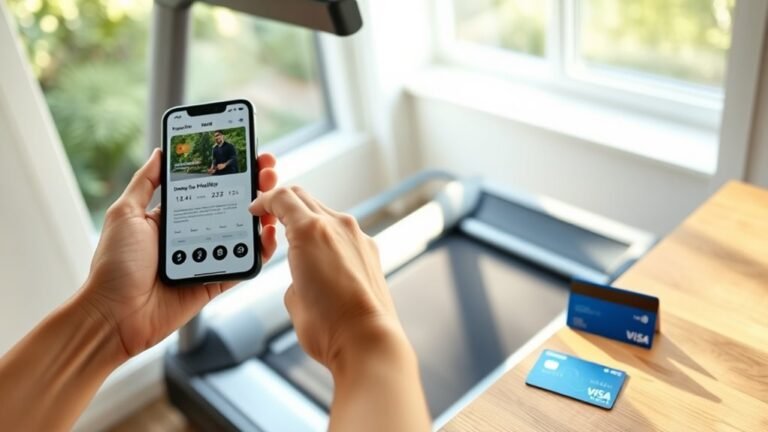
You can’t just snap your fingers and buy fitness apps with HSA funds; they’re generally not eligible. HSAs cover medical expenses, so unless a doctor prescribes it for treatment, apps usually won’t qualify.
That means if your doctor says you need a specific app as part of your treatment plan, you might be able to use HSA money for it. But for general fitness or wellness apps? Those typically don’t count. So, it’s a good idea to check with your HSA provider or a healthcare professional before making a purchase.
Conclusion
While dumbbells might seem like a simple way to boost your health, they usually don’t qualify as HSA-eligible expenses unless prescribed for medical reasons.
Coincidentally, many fitness tools you think are off-limits could actually be approved when tied to treatment. So, before you buy, check the IRS guidelines carefully—you might find a surprising way to invest your HSA funds wisely.
Understanding whether dumbbells and other fitness equipment are HSA eligible can help you make smart choices. Keep in mind, HSA eligibility often depends on medical necessity and documentation.
By staying informed, you can turn your fitness goals into health-approved gains, making the most of your Health Savings Account for both wellness and financial benefit.