
How to Use My HSA for Gym Membership
You can use your HSA for a gym membership only if a healthcare provider prescribes it for a specific medical condition, like weight loss or physical therapy.
General memberships usually won’t qualify.
Make sure to get a doctor’s note and keep all receipts and documentation.
Pay with your HSA card or reimburse yourself later.
Want to know how to confirm eligibility and manage your records for these expenses?
There’s more to contemplate for maximizing your HSA benefits.
Key Takeaways
- Use HSA funds for gym memberships only if prescribed by a healthcare professional for a specific medical condition.
- Make sure to get and keep doctor’s notes or prescriptions that show the gym membership is medically necessary.
- Before you pay, double-check with your HSA administrator to confirm that gym-related expenses are covered under your plan.
- You can pay using your HSA debit card or pay out-of-pocket and then reimburse yourself. Just be sure to keep all receipts and membership agreements.
- Keep organized records of your prescriptions, payments, and membership details. This will help prove eligibility and keep you in line with IRS rules.
Understanding Health Savings Accounts and Eligible Expenses

Although Health Savings Accounts (HSAs) primarily cover medical expenses, you might be surprised to learn they can also pay for certain health-related costs. HSAs let you set aside pre-tax money to cover qualified medical expenses, like doctor visits, prescriptions, and some over-the-counter items.
You contribute funds tax-free, and withdrawals for eligible expenses aren’t taxed, either. It’s important to know exactly what counts as an eligible expense so you don’t accidentally use your HSA funds for something the IRS won’t allow.
While HSAs offer flexibility, they’re designed to help manage healthcare costs. Before spending your HSA on anything non-traditional, you should verify whether that expense qualifies. This way, you avoid unexpected taxes or penalties later on.
IRS Guidelines on Gym Memberships and Fitness Programs

You can only use your HSA for gym memberships if they meet specific IRS criteria. The IRS allows expenses for fitness programs designed to treat a medical condition, but general gym fees often don’t qualify.
Eligible Gym Expenses
How exactly can you use your HSA to cover gym expenses? Generally, the IRS allows HSA funds for fitness-related costs only if they’re prescribed by a doctor to treat a specific medical condition.
This means your gym membership might qualify if it’s part of a treatment plan for issues like obesity, hypertension, or heart disease. However, routine gym memberships or general fitness classes typically don’t qualify as eligible expenses.
You can use your HSA for costs such as physical therapy sessions or specialized fitness programs designed to manage or improve a diagnosed condition. Always keep documentation from your healthcare provider to show the medical necessity.
IRS Fitness Program Rules
Understanding the IRS fitness program rules helps clarify when your gym membership expenses qualify for HSA reimbursement. The IRS allows HSA funds to pay for fitness programs only if they’re prescribed by a doctor for a specific medical condition.
General gym memberships usually don’t qualify unless linked to a diagnosed illness. Here’s a quick overview of the IRS guidelines:
| Condition | Eligible? |
|---|---|
| Doctor-prescribed weight loss | Yes |
| General gym membership | No |
| Fitness classes prescribed | Yes |
| Exercise equipment | Sometimes |
| Preventive health programs | No |
Keep receipts and prescriptions handy to prove eligibility. Always consult IRS Publication 502 or a tax advisor before using your HSA for fitness expenses.
Types of Gym Memberships That Qualify for HSA Use

Although not all gym memberships qualify for Health Savings Account (HSA) use, several types do meet the necessary criteria. You can use your HSA funds for memberships that directly relate to improving or maintaining your health as prescribed or recognized by IRS guidelines.
These typically include medical fitness programs recommended by a healthcare professional for a specific condition. Also, rehabilitation centers offering therapeutic exercise programs qualify. And don’t forget specialized gyms focusing on physical therapy or chronic condition management.
Keep in mind, general memberships like those for social or recreational gyms usually don’t qualify. So, by choosing the right type of membership, you ensure your HSA dollars are spent wisely and in compliance with IRS rules. Plus, you’ll be supporting your health journey effectively.
How to Determine if Your Gym Membership Is Eligible
To figure out if your gym membership qualifies for HSA spending, you’ll need to verify whether it meets IRS criteria for medical expenses. Generally, memberships aimed at improving a specific medical condition prescribed by a healthcare professional qualify.
So, you should check if your membership falls under these categories.
| Criteria | Description | Example |
|---|---|---|
| Medical Necessity | Recommended by a healthcare professional | Doctor prescribes exercise for diabetes |
| Primary Purpose | Focus on health improvement | Rehab-focused gym programs |
| Membership Type | Individual or specialized programs | Cardiac rehab, physical therapy gyms |
| Documentation | Keep prescriptions or referrals | Doctor’s note required |
| IRS Guidelines | Aligns with IRS HSA rules | Membership not for general fitness |
Confirming these points helps make sure your HSA funds apply correctly to your gym membership. It’s always a good idea to keep documentation handy just in case.
Steps to Use Your HSA Funds for a Gym Membership
First, make sure your gym membership meets the eligibility criteria for HSA spending. Then, understand how to use your HSA card or reimburse yourself for the payment.
Following these steps will help you use your HSA funds correctly and easily. It’s pretty straightforward once you get the hang of it!
Eligibility Criteria Check
Before you use your HSA funds for a gym membership, you need to confirm that your plan qualifies for such expenses. Not all HSAs cover gym costs, so checking your plan details is vital to avoid unexpected denials or penalties.
Start by reviewing your HSA documentation or contacting your administrator. It’s better to be sure upfront than deal with surprises later.
Here’s what you need to verify:
- Qualified Medical Expense: Make sure gym memberships are explicitly allowed under your plan’s eligible expenses. Some plans might not include them, so double-check.
- Doctor’s Recommendation: Some plans require a physician’s note stating the membership is medically necessary. If that’s the case, you’ll want to get it before signing up.
- Documentation Requirements: Confirm what receipts or proof you’ll need to submit for reimbursement. Keeping clear records will save you headaches down the road.
Payment Process Explained
Once you’ve confirmed your HSA plan covers gym memberships and gathered any necessary documentation, you can move forward with using your funds. First, check if your gym accepts direct HSA payments through your HSA debit card.
If it does, simply use your card at signup or monthly renewals. If not, pay out-of-pocket for your membership and keep receipts. Then, submit these receipts to your HSA provider for reimbursement, either online or by mail, depending on their process.
Make sure to include all required details like date, amount, and gym name. Keep copies for your records in case of IRS audits. Following these steps ensures you use your HSA funds correctly and stay compliant while enjoying your gym benefits.
Benefits of Using HSA for Fitness and Wellness
Though many people focus on medical expenses when using their HSA, you can also benefit from allocating funds toward fitness and wellness. Investing in your physical health can reduce long-term medical costs and improve your overall quality of life.
Using your HSA for gym memberships makes staying active more affordable and convenient.
Here are key benefits you’ll enjoy:
- Tax Advantages: Contributions and withdrawals for qualified expenses, including gym fees, are tax-free.
- Preventive Care: Regular exercise helps lower risks of chronic illnesses, potentially saving you money.
- Flexible Spending: You can use your HSA for various wellness activities beyond just gym memberships, like fitness classes or certain health programs.
Record Keeping and Documentation for HSA Gym Expenses
Since the IRS requires proof that your gym membership qualifies as a medical expense, you’ll need to keep detailed records when using your HSA for these costs.
Always save receipts, membership agreements, and any doctor’s recommendations if fitness is prescribed. Proper documentation helps you prove eligibility and simplifies tax filing.
Here’s what to track:
| Document Type | Purpose |
|---|---|
| Receipt | Shows payment date and amount |
| Membership Agreement | Confirms gym services and duration |
| Doctor’s Note | Validates medical necessity |
Keep these organized digitally or in a dedicated folder. This way, you’re prepared if the IRS requests evidence or if you need to review your expenses later.
Consistent record keeping guarantees your HSA funds are used correctly and maximizes your benefits. It’s worth the little extra effort!
Alternatives to Gym Memberships for Using HSA Funds
While gym memberships are a popular way to use your HSA funds, you don’t have to limit yourself to just that option. Your HSA can cover a variety of fitness-related expenses that promote your health.
Gym memberships are popular, but your HSA can fund many fitness-related health expenses beyond that.
Consider these alternatives to maximize your benefits:
- Fitness classes such as yoga, Pilates, or spin classes, which often qualify as preventive care.
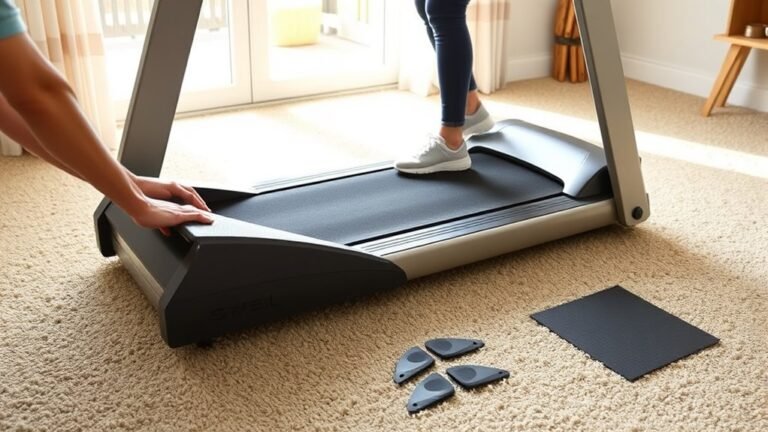
- Exercise equipment like treadmills, weights, or resistance bands prescribed by a doctor to treat or prevent a medical condition.
- Physical therapy sessions that help with recovery or mobility, which you can pay for using your HSA.
Frequently Asked Questions
Can I Use My HSA for Personal Trainer Fees?
You generally can’t use your HSA for personal trainer fees unless a doctor prescribes it for a specific medical condition.
Otherwise, those costs don’t qualify as medical expenses under IRS rules, so check your plan details.
It’s always a good idea to double-check with your HSA provider to see what’s covered. That way, you won’t run into any surprises when using your funds.
Are Virtual Gym Memberships Eligible for HSA Payments?
You can’t use your HSA for virtual gym memberships since the IRS typically excludes general fitness expenses.
Notably, 77% of Americans prefer in-person workouts, but unfortunately, virtual memberships don’t qualify for HSA payments.
Can My HSA Cover Gym Membership Cancellation Fees?
No, your HSA typically won’t cover gym membership cancellation fees since they’re considered personal expenses, not qualified medical expenses.
You should check IRS guidelines or consult your HSA administrator for specific eligibility details before using funds.
Do Family Gym Memberships Qualify for HSA Use?
Family gym memberships usually don’t qualify for HSA use unless prescribed by a doctor for a specific medical condition.
It’s a bit of a gray area, so you should check your HSA plan details or consult a tax advisor to confirm eligibility.
Better to be sure before you use those funds!
Is There a Tax Penalty for Using HSA on Non-Eligible Fitness Expenses?
If you dip into your HSA for non-eligible fitness expenses, you’ll face a tax penalty plus income tax on that amount.
It’s like watering the wrong plant—your savings won’t grow as intended. So, it’s best to stick to qualified medical expenses to keep your HSA benefits intact.
Conclusion
Now that you know the ins and outs of using your HSA for a gym membership, you might be wondering—can you really maximize those benefits without breaking the rules? The answer is yes, but only if you stay informed and keep your records straight.
Imagine turning your fitness goals into smart financial moves. Using your HSA for gym memberships can be a great way to invest in your health and save money at the same time. Just make sure to keep all receipts and documentation in case you need to prove the expense was qualified.
Don’t miss out on this opportunity to invest in your health and wallet simultaneously—your future self will thank you. By using your HSA wisely, you can support your fitness journey and make the most of your health savings account benefits. Remember, understanding how to use your HSA for gym membership can lead to healthier habits and smarter spending.