Does a Vibration Plate Help With Lipedema?
You can use a vibration plate to help manage your lipedema by boosting circulation and stimulating lymphatic drainage. This may reduce swelling and discomfort, making daily activities a bit easier.
Vibration plates work by gently activating muscles, which supports improved mobility and eases heaviness in affected limbs.
While it’s not a cure and results can vary from person to person, using vibration therapy can be a valuable part of your overall care routine. It’s a gentle way to encourage your body’s natural processes without putting too much strain on you.
If you want to understand how it works and how to use it safely, there’s more to explore. Taking the time to learn will help you get the most benefit and avoid any potential risks.
Key Takeaways
- Vibration plates stimulate lymphatic flow, which can help reduce swelling and fluid buildup that often comes with lipedema.
- They also enhance muscle activation and circulation. This supports improved strength and endurance in the affected limbs.
- Vibration therapy offers a low-impact exercise option. Many find it eases discomfort and even improves skin appearance in lipedema.
- Scientific evidence suggests vibration plates complement lipedema management. But they don’t significantly reduce fat deposits on their own.
- For safe use, it’s best to stick to low intensity and short sessions. Always consult your doctor to avoid joint stress or making symptoms worse.
Understanding Lipedema: Causes and Symptoms
Although lipedema often goes undiagnosed, understanding its causes and symptoms can help you recognize this chronic condition early. Lipedema primarily affects women, and though the exact cause remains unclear, it’s linked to hormonal changes and genetics.
You might notice symmetrical fat buildup, especially in your legs and arms, which doesn’t respond well to diet or exercise. This fat deposits beneath your skin, causing heaviness, tenderness, and easy bruising.
As it progresses, you could experience swelling and discomfort, making movement difficult. Unlike typical obesity, lipedema fat accumulates in a distinct pattern and isn’t related to lifestyle choices.
Recognizing these signs early lets you seek proper care, manage symptoms effectively, and improve your quality of life. It’s important to pay attention and get the right help when you notice these symptoms.
How Vibration Plates Work
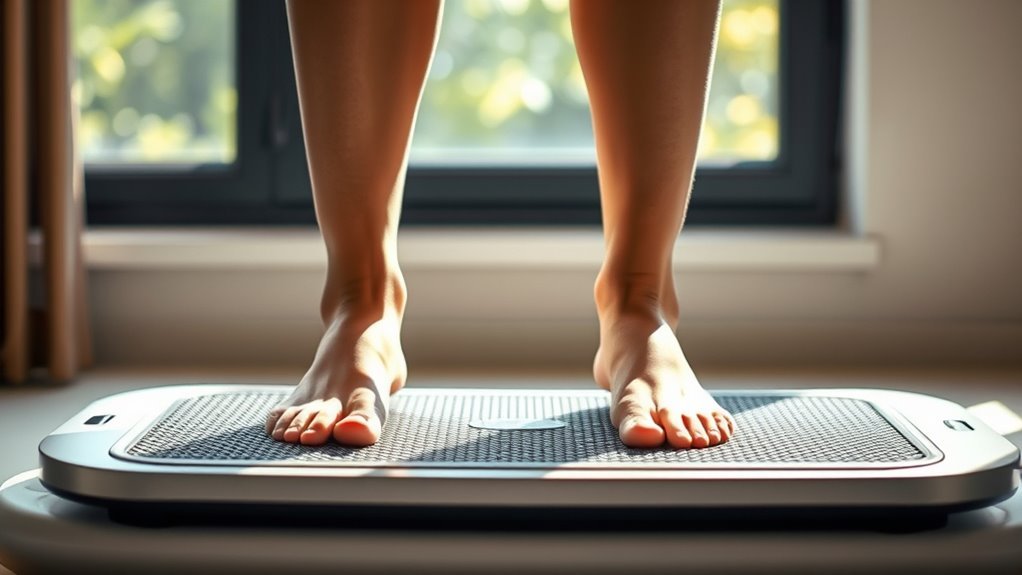
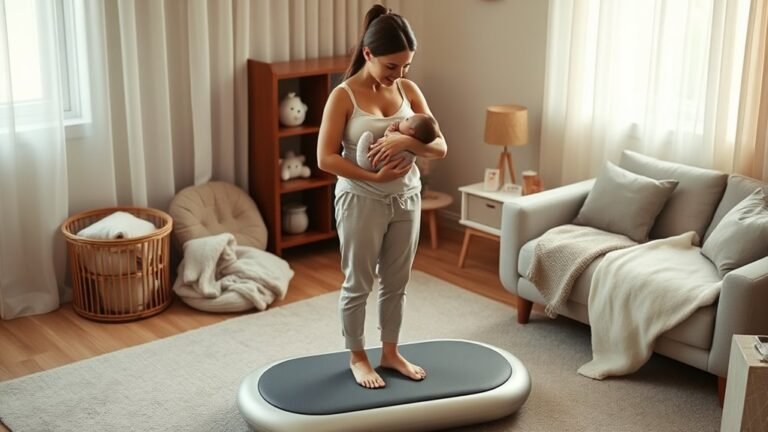
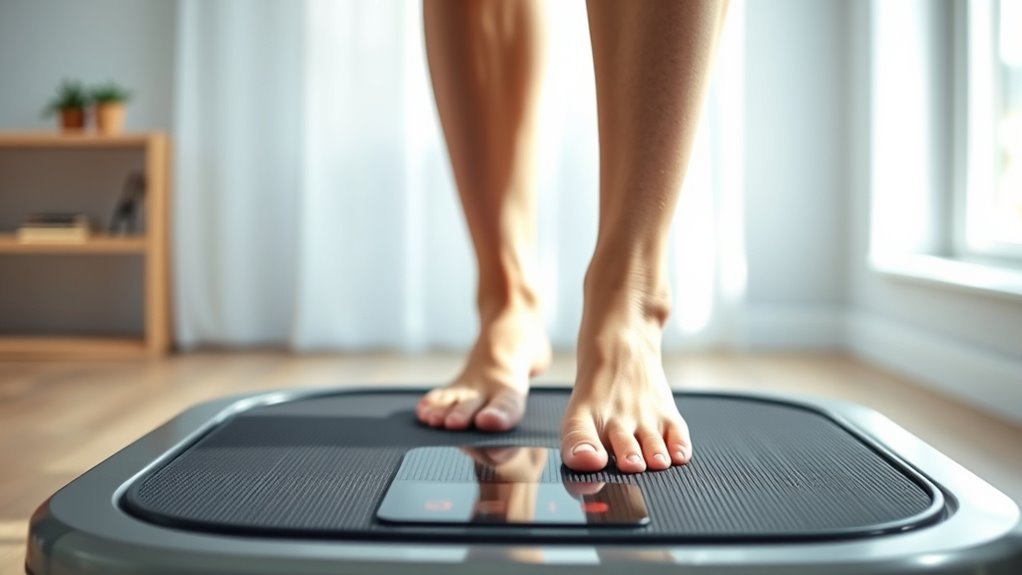
When you stand on a vibration plate, the machine sends rapid vibrations through your body, causing your muscles to contract and relax multiple times per second. These vibrations stimulate your muscles more intensely than traditional exercise, engaging both fast-twitch and slow-twitch fibers.
Standing on a vibration plate rapidly contracts muscles, activating both fast- and slow-twitch fibers more intensely than usual.
This process can increase muscle activation and improve circulation by promoting blood flow to the targeted areas.
Here’s what happens when you use a vibration plate:
- Your muscles respond to the vibrations with reflexive contractions, enhancing strength and endurance.
- The mechanical stimulation can activate lymphatic flow, supporting waste removal.
- Your nervous system reacts to maintain balance, improving coordination and stability.
Understanding these basics helps you see how vibration plates influence your body’s systems during use. Pretty cool, right?
Potential Benefits of Vibration Therapy for Lipedema
You can use vibration therapy to boost lymphatic drainage, which may help reduce swelling associated with lipedema. It also activates your muscles more effectively than traditional exercise, supporting better circulation.
These benefits could make managing lipedema symptoms easier for you. Plus, it might feel like a gentler way to get some movement in without overexerting yourself.
Improved Lymphatic Drainage
Since lymphatic drainage plays a crucial role in managing lipedema, vibration therapy can offer significant benefits by stimulating lymph flow. Using a vibration plate helps activate the lymphatic system, which is essential for reducing fluid buildup and swelling in affected areas.
When you stand or move on the plate, gentle vibrations encourage your lymph vessels to contract and push excess fluid away from your tissues. This can ease discomfort and improve skin appearance over time.
Here’s how vibration therapy supports lymphatic drainage:
- Promotes efficient removal of toxins and excess fluids
- Reduces swelling and heaviness in your legs and arms
- Enhances overall circulation, supporting your body’s natural detox process
Incorporating vibration therapy could make managing lipedema symptoms a bit easier for you. It’s a simple step that might really help you feel more comfortable.
Enhanced Muscle Activation
Along with boosting lymphatic drainage, vibration therapy can also enhance muscle activation, which plays a key role in managing lipedema symptoms. When you use a vibration plate, the rapid oscillations stimulate your muscles to contract more frequently and intensely than during regular movement.
This increased muscle activity helps improve circulation and supports the lymphatic system, reducing fluid buildup and swelling. By activating muscles in your legs and other affected areas, you can maintain better strength and mobility, which are essential for managing pain and discomfort caused by lipedema.
Plus, enhanced muscle activation may boost your metabolism and promote fat breakdown. Incorporating vibration therapy into your routine can complement other treatments, making it easier for you to stay active and manage lipedema symptoms effectively.
Scientific Evidence Supporting Vibration Plate Use
You’ll find growing research showing how vibration therapy can improve lymphatic flow, which is essential for managing lipedema. Studies suggest that using a vibration plate may help reduce swelling and promote better circulation.
Let’s look at the scientific evidence supporting these benefits. It’s pretty interesting to see how this simple tool could make a real difference.
Research on Vibration Therapy
Although vibration therapy has gained popularity as a complementary treatment for lipedema, you might wonder what scientific evidence supports its effectiveness. Studies have explored how vibration plates influence muscle strength, circulation, and pain reduction, key issues for those with lipedema.
Research shows vibration therapy can improve muscle activation and reduce discomfort, though results vary widely. Here’s what the science highlights:
- Enhanced muscle strength and endurance after regular sessions
- Potential reduction in pain and discomfort linked to lipedema symptoms
- Mixed findings on its ability to decrease limb circumference or fat deposits
While promising, current evidence isn’t conclusive. You should consider vibration therapy as part of a broader management plan and consult healthcare professionals for personalized advice.
Effects on Lymphatic Flow
Because improving lymphatic flow is essential for managing lipedema, you might be interested in how vibration plates can help. Studies show that whole-body vibration stimulates lymphatic drainage by enhancing muscle contractions, which act as a pump for lymph fluid.
This improved circulation reduces fluid buildup and eases swelling common in lipedema. When you use a vibration plate regularly, it encourages lymph vessels to move fluid more efficiently, potentially decreasing discomfort and heaviness in affected areas.
Scientific evidence suggests vibration therapy can complement traditional treatments by supporting your lymphatic system’s natural function. While more research is needed to fully confirm long-term benefits, current findings indicate vibration plates offer a promising, non-invasive way to boost lymphatic flow and improve your overall lipedema management.
Limitations and Risks of Vibration Plate Therapy
While vibration plate therapy offers promising benefits for managing lipedema, it also comes with limitations and risks you should consider carefully. It’s not a cure, and results can vary widely depending on your condition and consistency.
Some people might experience discomfort or worsening symptoms if the therapy is too intense or used improperly. Plus, vibration plates aren’t suitable for everyone, especially if you have certain medical conditions.
Here are a few key limitations and risks to keep in mind:
- May aggravate joint pain or inflammation if overused
- Not recommended if you have cardiovascular issues, blood clots, or pregnancy
- Potential for muscle soreness or fatigue with incorrect settings or duration
Always consult your healthcare provider before starting vibration plate therapy to ensure it’s safe and appropriate for you. It’s better to be safe than sorry!
Complementary Treatments for Managing Lipedema
Vibration plate therapy can be a helpful tool, but it works best when combined with other approaches to managing lipedema. You should consider incorporating manual lymphatic drainage (MLD) to reduce swelling and support lymph flow.
Compression garments are essential—they help control pain and prevent fluid buildup. Staying active through low-impact exercises like swimming or walking complements vibration therapy by improving circulation and mobility.
Nutrition also plays a critical role; focusing on anti-inflammatory foods can help reduce symptoms. Some people find that physical therapy tailored to lipedema enhances muscle strength and joint function.
Together, these strategies create a holistic plan that addresses the condition from multiple angles, helping you manage lipedema more effectively than relying on vibration plate therapy alone.
User Experiences and Testimonials
How do people living with lipedema feel about using a vibration plate? Many users share mixed but generally positive feedback. You might find that it helps reduce swelling and offers relief from discomfort, though results vary.
Some notice improvements in circulation and muscle tone, which can enhance mobility. Others appreciate how quick sessions fit into their routine without added strain.
Here’s what users often mention:
- Increased lymphatic drainage leading to less heaviness
- Temporary pain relief and reduced fatigue in affected limbs
- Enhanced motivation to stay active due to enjoyable, low-impact exercise
Keep in mind, user experiences differ, so it’s important to listen to your body and adjust accordingly.
Tips for Using Vibration Plates Safely With Lipedema
Because lipedema affects lymphatic flow and sensitive tissues, you should approach using a vibration plate with care to avoid discomfort or injury. Start with low intensity and short sessions to see how your body reacts.
Always stand with knees slightly bent to reduce joint stress. Use the plate on a stable surface and wear supportive shoes to maintain balance.
Avoid prolonged sessions; limit use to 10-15 minutes to prevent overstimulation. Stay hydrated before and after your workout to support lymphatic drainage.
If you feel pain or increased swelling, stop immediately and consult your healthcare provider. Incorporate gentle stretching and deep breathing after your session to enhance relaxation.
Frequently Asked Questions
Can Vibration Plates Reduce the Appearance of Cellulite in Lipedema Patients?
You can see some improvement in cellulite’s appearance using vibration plates, as they boost circulation and muscle tone.
However, they won’t cure lipedema, so combine with proper treatment and lifestyle changes for better results.
How Often Should Vibration Plate Sessions Be Scheduled for Best Results?
You should schedule vibration plate sessions about 3 to 5 times a week for best results, keeping each session around 15 to 20 minutes.
Consistency is key, but always listen to your body and adjust accordingly.
If you’re feeling too sore or tired, it’s totally okay to take a rest day or dial back the intensity a bit.
Just keep at it regularly, and you’ll likely start noticing improvements over time.
Are Vibration Plates Safe for All Stages of Lipedema?
Vibration plates aren’t always safe for all lipedema stages. You should consult your doctor first, especially in advanced stages.
They’ll help you determine if it’s appropriate and guide you on how to use it safely for your condition. It’s always best to get professional advice before starting any new treatment.
Can Vibration Therapy Improve Lymphatic Drainage in Lipedema?
Yes, vibration therapy can improve lymphatic drainage by stimulating lymph flow and reducing fluid buildup. You’ll notice enhanced circulation and decreased swelling.
But it’s important to remember that vibration therapy works best when combined with other treatments. And always check with your healthcare provider before starting anything new.
Do Vibration Plates Help With Pain Management in Lipedema?
Pain relief? Yes, vibration plates provide gentle pulses that promote circulation and reduce stiffness. You’ll find soothing sensations that can soften soreness, supporting your body’s battle against lipedema’s persistent pain.
They work by stimulating blood flow, which helps ease discomfort and can make movement easier. It’s like giving your muscles a gentle wake-up call, helping to manage the pain in a natural way.
Conclusion
If you think a vibration plate is some magic wand that’ll instantly banish lipedema, think again—but don’t underestimate its power! Using one can seriously boost circulation, reduce swelling, and even ease discomfort.
While it’s not a miracle cure, incorporating vibration therapy into your routine might feel like giving your legs a turbocharged wake-up call. Just remember to use it safely and combine it with other treatments for the best results.
Vibration plates can be a helpful tool in managing lipedema symptoms by improving lymphatic flow and reducing fluid buildup. When paired with proper diet, exercise, and medical care, vibration therapy may enhance overall comfort and mobility.
So, while a vibration plate won’t cure lipedema on its own, it can be a valuable part of a comprehensive approach to managing the condition. Your body will thank you for the extra boost!