How Much Does a Weight Bench Bar Weigh
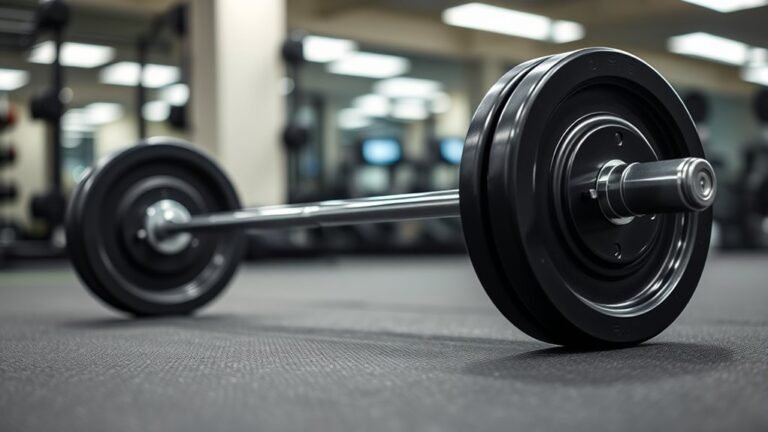
A standard weight bench bar typically weighs around 45 pounds (20 kilograms), giving you a solid, balanced feel for your lifts. This weight is pretty standard across most gyms, making it easy to track your progress and adjust your workouts.
If you’re curious about how much a weight bench bar weighs, this is a great starting point.
If you’re using an Olympic bench bar, you’ll find it’s about the same weight but designed for heavier loads and better grip.
Women’s bars are slightly lighter, usually around 33 pounds, with a smaller diameter for comfort.
Depending on your needs, bar materials and coatings can vary the weight slightly.
Keep exploring to find the perfect fit and safety tips for your workouts. Finding the right bar can make a big difference in your lifting experience!
Key Takeaways
- A standard weight bench bar typically weighs around 45 pounds (20 kg).
- Olympic weight bench bars generally weigh about 44 pounds (20 kg) and are made with high-quality steel.
- Women’s Olympic bars weigh approximately 33 pounds (15 kg) and feature a slimmer grip design.
- The material of the bar affects its weight: steel bars tend to be heavier, usually between 15 and 25 pounds.
- Aluminum bars are lighter, often weighing between 5 and 15 pounds.
- Coatings like chrome or powder coat add only a little weight but they help improve durability and grip.
Standard Weight Bench Bar Dimensions and Weight
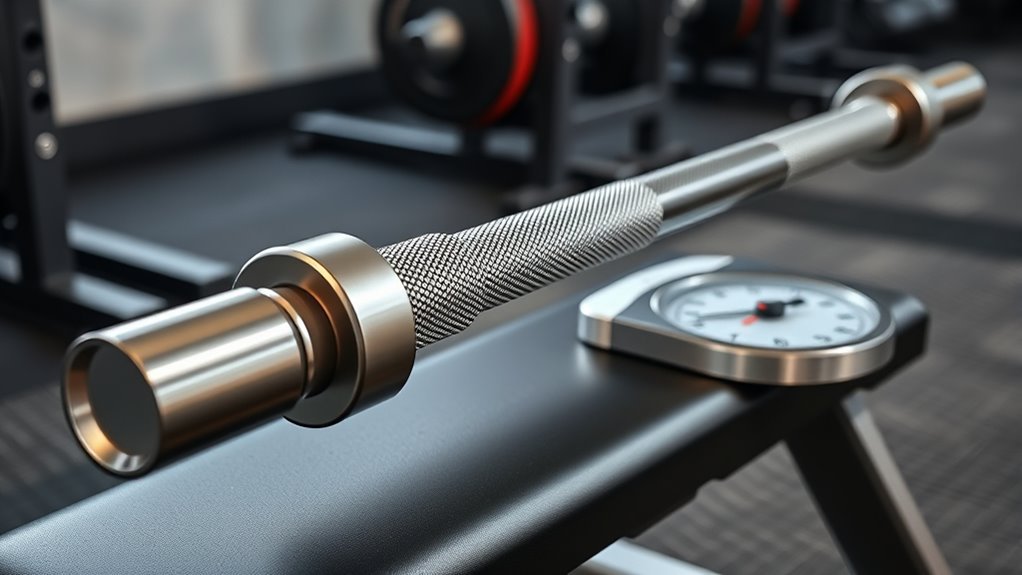
Although weight bench bars come in various styles, the standard barbell used for bench pressing typically measures 7 feet in length and weighs 45 pounds. When you grab this bar, you’ll notice it has a diameter of about 1.1 inches, providing a comfortable grip for most hand sizes.
The sleeves, where you load weight plates, usually extend 16 inches on each side, allowing enough space for multiple plates. This bar’s length and weight are designed to offer balanced stability and control during your lifts.
If you’re setting up your home gym or just getting started, knowing these dimensions helps you choose compatible plates and rack setups. Understanding the standard bar’s specs guarantees you’re ready for safe and effective bench pressing every time.
Olympic Weight Bench Bar Specifications

When you pick up an Olympic weight bench bar, you’ll notice it usually weighs 20 kilograms (about 44 pounds). These bars are crafted from high-quality steel to make certain of durability and strength during heavy lifts.
Keep in mind that weight variations can occur based on the bar’s design and intended use. So, depending on what you’re lifting or your workout setup, the bar might feel a bit different.
Standard Bar Weight
How much does a standard Olympic weight bench bar weigh? Typically, it weighs around 20 kilograms (44 pounds). This weight is consistent across most gyms and competitions, making it a reliable baseline for your lifts.
The bar itself is designed to handle heavy loads, supporting plates on each end without bending or warping. When you pick up the bar, you’re lifting a solid 44 pounds before adding any weights.
Knowing this standard weight helps you accurately track your progress and plan your workouts. If you’re new to weightlifting, understanding that the bar alone has a significant weight is essential.
It guarantees you don’t underestimate the total weight you’re lifting during bench presses or other exercises. So, keep that in mind next time you load up the bar!
Material and Construction
The material and construction of an Olympic weight bench bar play an essential role in its durability and performance. You’ll find these bars typically made from high-quality steel, often with a tensile strength ranging from 150,000 to 220,000 PSI. This ensures they can withstand heavy loads and intense workouts without bending or breaking.
The shaft usually features knurling — textured gripping areas — that gives you a secure hold during lifts. Plus, the bar’s sleeves, where the weight plates slide on, are often constructed with precision bearings or bushings to allow smooth rotation. This helps reduce stress on your wrists.
This combination of robust materials and thoughtful design guarantees that your Olympic bar remains reliable through countless training sessions. So, you can focus on lifting without worrying about your equipment.
Weight Variations Explained
Although Olympic weight bench bars come in various sizes, most follow specific weight standards to match different training needs. Understanding these variations helps you pick the right bar for your workout.
Here’s a quick breakdown:
- Standard Olympic Barbell: Weighs 20 kg (44 lbs) and is suitable for most bench press and general strength training routines.
- Women’s Olympic Barbell: Slightly lighter at 15 kg (33 lbs), designed for easier handling without compromising stability.
- Technique or Training Bars: Range between 5-15 kg (11-33 lbs), perfect if you’re focusing on form or rehab exercises.
Knowing these options ensures you choose a bar that fits your strength level and training goals perfectly. So, take your time and pick what feels right for you!
Differences Between Men’s and Women’s Weight Bench Bars

When you compare men’s and women’s weight bench bars, you’ll notice key differences in size, weight, and grip diameter designed to match different strength levels and hand sizes. Men’s bars typically weigh around 20 kilograms (44 pounds) and have a thicker grip diameter—usually about 28mm—to accommodate larger hands and greater upper body strength.
Women’s bars are lighter, often weighing 15 kilograms (33 pounds), with a slimmer grip diameter around 25mm, making them easier to hold and control. These design variations help guarantee comfort and safety during workouts, allowing you to perform lifts effectively without overstraining.
Knowing these differences helps you choose the right bar for your fitness level and goals. It really improves your bench press experience.
Specialty Bars Used With Weight Benches
Understanding the differences between men’s and women’s weight bench bars sets a solid foundation for exploring specialty bars. These bars are designed to target specific muscle groups or accommodate unique training styles.
When you use specialty bars, you’ll notice they often vary in length, grip style, and weight. It’s pretty cool how different bars can change up your workout!
Here are three common specialty bars you might encounter:
- EZ Curl Bar – Curved to reduce wrist strain during bicep and tricep exercises. It really helps if you find the straight bar uncomfortable.
- Cambered Bar – Features a bend in the middle, allowing a deeper range of motion. This one’s great for bench press variations.
- Safety Squat Bar – Has padded handles and a cambered shape. It’s ideal for squats and helps reduce shoulder stress.
Choosing the right specialty bar can enhance your workout and improve comfort. So, don’t be afraid to try something new!
How Bar Weight Affects Your Workout
Since the bar’s weight makes up a significant part of your total lift, knowing how it impacts your workout can help you plan more effectively. The bar’s weight adds to the load you’re lifting, so you need to account for it when tracking progress or setting goals.
If you don’t, you might overestimate your strength or tire faster than expected. Also, the bar’s weight affects your form; heavier bars require more control and stability, challenging your muscles differently.
Lighter bars let you focus on technique and higher reps, while heavier bars build strength and power. Understanding this balance helps you tailor workouts to your needs, ensuring steady improvement without risking injury or burnout.
Always factor in the bar’s weight for accurate training results. It’s a simple step that can make a big difference in how you train and progress.
Choosing the Right Bar Weight for Your Fitness Level
Picking the right bar weight plays a crucial role in matching your workouts to your current fitness level and goals. Choosing a bar that’s too heavy can lead to poor form or injury, while a bar that’s too light won’t challenge you enough.
Here’s how to find the perfect fit:
- Assess your experience: Beginners should start with lighter bars, around 15-25 lbs, to master form before adding weight.
- Consider your strength: Intermediate lifters can handle standard bars weighing 35-45 lbs, allowing for steady progression.
- Match your goals: For strength training, heavier bars help build muscle, but for endurance, lighter bars with more reps are better.
Adjust your bar weight as you progress to keep workouts effective and safe. It’s all about listening to your body and making sure you’re challenging yourself just right.
Common Materials Used in Weight Bench Bars and Their Impact on Weight
You’ll find weight bench bars made from steel, aluminum, or composites, each affecting the bar’s weight differently. Steel bars tend to be heavier and more durable, while aluminum bars are lighter but may sacrifice strength.
The type of coating used can also add or reduce weight, so it’s important to take into account these materials when choosing your bar. It really makes a difference depending on what you’re aiming for in your workout setup.
Steel Vs Aluminum Weight
When choosing a weight bench bar, understanding the difference between steel and aluminum can help you decide which material suits your needs.
Steel bars are heavier and offer greater durability, while aluminum bars are lighter but may sacrifice some strength. Here’s what you should know:
- Weight: Steel bars typically weigh between 15 to 25 pounds, whereas aluminum bars can weigh around 5 to 10 pounds.
- Strength: Steel is stronger and better for heavy lifting, supporting higher weight loads without bending.
- Portability: Aluminum bars are easier to handle and transport due to their lighter weight, making them ideal if you move your equipment often.
Choosing steel or aluminum affects not only the bar’s weight but also how it performs under pressure.
Coating Material Effects
Although the core material of a weight bench bar affects its weight and strength, the coating you choose also plays a significant role. Different coatings add slight weight variations and influence durability and grip.
When selecting a bar, consider how coatings like chrome or zinc affect the overall feel and maintenance.
| Coating Type | Added Weight (approx.) | Benefits |
|---|---|---|
| Chrome | +0.2 lbs | Rust-resistant, smooth grip |
| Zinc | +0.1 lbs | Corrosion protection |
| Powder Coat | +0.3 lbs | Durable, textured grip |
| Bare Steel | 0 lbs | Heavier rust risk, cheaper |
Knowing this helps you pick a bar that fits your lifting style and care preferences. So, take a moment to think about what kind of grip and maintenance suits you best before making your choice.
Composite Bar Variations
Coating choices definitely influence a bar’s feel and upkeep, but the core material has an even bigger impact on weight and performance.
When picking a weight bench bar, understanding composite bar variations helps you choose the right balance between durability and weight. Here are three common materials:
- Steel: The most popular choice, steel offers strength and moderate weight, typically around 15-25 pounds. It’s durable but can be heavier.
- Aluminum: Lighter than steel, usually weighing 10-15 pounds, aluminum bars are easier to handle but less durable under heavy loads.
- Carbon Fiber: The lightest option, carbon fiber bars weigh under 10 pounds and provide excellent strength-to-weight ratio but come at a higher price.
Knowing these materials helps you select a bar that fits your workout needs and comfort level. So, it’s worth considering what matters most to you before making a decision.
Tips for Safely Handling and Lifting Weight Bench Bars
To handle and lift weight bench bars safely, you need to maintain proper form and stay aware of your surroundings. Always grip the bar firmly with both hands, keeping your wrists straight to prevent strain.
Bend your knees and engage your core when lifting. Avoid bending at the waist to protect your back.
Make sure the area around you is clear of obstacles and that the bench is stable before moving the bar. If the bar is heavy or awkward, don’t hesitate to ask for help.
When placing the bar back on the rack, do so gently and ensure it’s securely positioned to avoid accidents. Following these tips will help you prevent injuries and maintain control during your workout.
Frequently Asked Questions
Can Weight Bench Bars Rust if Not Maintained Properly?
Yes, weight bench bars can rust if you don’t maintain them properly.
You should regularly clean, dry, and oil the bar to prevent moisture buildup and corrosion.
This way, you keep your equipment in great condition for longer use.
How Often Should I Clean My Weight Bench Bar?
You should clean your weight bench bar weekly, monthly, or after every intense workout.
Keeping it spotless prevents rust, guarantees safety, and extends its life. Don’t neglect it—your strength depends on your care.
Are There Any Weight Bench Bars Designed for Home Gyms Only?
Yes, you’ll find weight bench bars specifically designed for home gyms. They’re usually lighter, compact, and easier to store.
This makes them perfect if you’ve got limited space but still want effective workouts at home.
Can Weight Bench Bars Be Used for Other Types of Lifting?
Think of your weight bench bar like a versatile Swiss Army knife—it’s designed primarily for bench presses but can handle squats or deadlifts if sturdy enough.
Just guarantee it supports your intended lifting style safely and securely.
Do Weight Bench Bars Come With Warranties or Guarantees?
Yes, many weight bench bars come with warranties or guarantees. You’ll want to check the manufacturer’s details since coverage varies.
These warranties often protect against defects, giving you confidence in your purchase and long-term use. It’s always a good idea to know what’s covered before you buy.
Conclusion
Now that you know a standard Olympic weight bench bar typically weighs around 45 pounds (20.4 kg), you can better plan your workouts and progress safely.
Remember, choosing the right bar weight matters—it can impact your form and gains. Whether you’re lifting a lighter women’s bar at 33 pounds or a specialty bar, understanding these differences helps you train smarter.
Keep these tips in mind, and you’ll handle your bars confidently every time! Knowing how much a weight bench bar weighs is key to effective strength training and injury prevention. So next time you hit the gym, you’ll be ready to pick the right bar and maximize your workout benefits.