How Heavy Is a Standard Gym Bar?
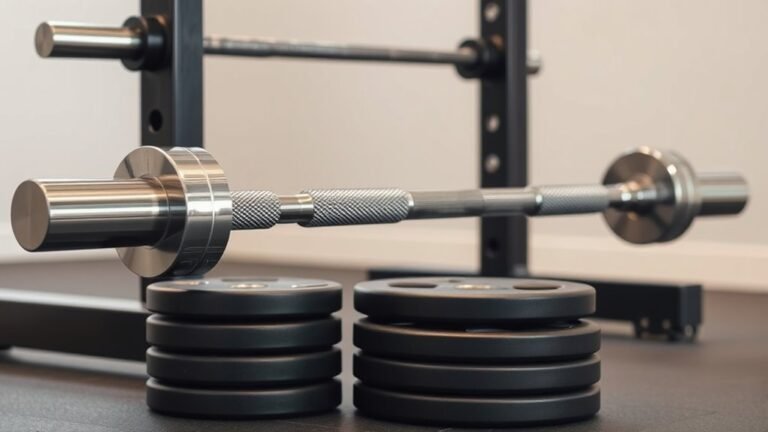
A standard gym bar typically weighs about 45 pounds (20.4 kg). You’ll find this weight common in most gyms, especially for exercises like bench presses and squats. Knowing the weight of your gym bar can help you better manage your workout loads and track your progress.
Olympic bars are quite similar but can vary slightly in weight. Men’s Olympic bars usually weigh around 44 pounds (20 kg), while women’s bars are lighter, about 33 pounds (15 kg). These small differences might seem minor, but they can affect your lifting experience.
There are also specialty bars like trap bars, curl bars, and safety squat bars. These bars differ not only in weight but also in design. Understanding these differences is helpful because bar types and features can impact your training in unique ways, making your workouts more effective and tailored to your needs.
Key Takeaways
- A standard gym barbell typically weighs around 45 lbs (20.4 kg) and is about 7 feet long.
- Olympic men’s bars usually weigh 20 kg (44 lbs), while women’s bars weigh 15 kg (33 lbs).
- Specialty bars vary: trap bars weigh about 45 lbs, curl bars 15-30 lbs, and safety squat bars around 55 lbs.
- Bar weight depends on material, length, sleeve design, and construction affecting overall performance.
- Knowing the bar’s weight is essential for accurate load calculation and effective training progression.
It might seem like a small detail, but it really makes a difference when you’re planning your workouts.
Types of Standard Gym Bars
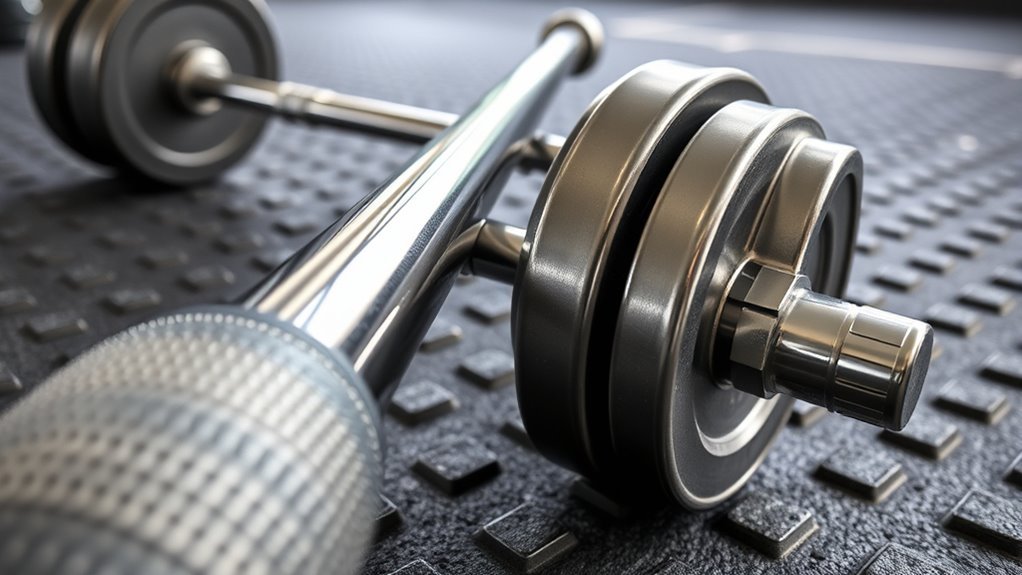
What types of gym bars should you know about before hitting the weights? First, there’s the standard straight bar, which you’ll find in almost every gym. It’s versatile and great for exercises like bench presses and squats.
Then, you have the curl bar, designed with angled grips to reduce wrist strain during bicep curls and tricep extensions. Don’t overlook the trap bar, which surrounds you and is perfect for deadlifts, offering a safer, more balanced lift.
Ultimately, the safety squat bar has padded handles and a cambered design, making heavy squats more comfortable and reducing shoulder stress. Knowing these bars helps you pick the right one for your workout, improving both performance and safety as you train.
Weight of an Olympic Barbell
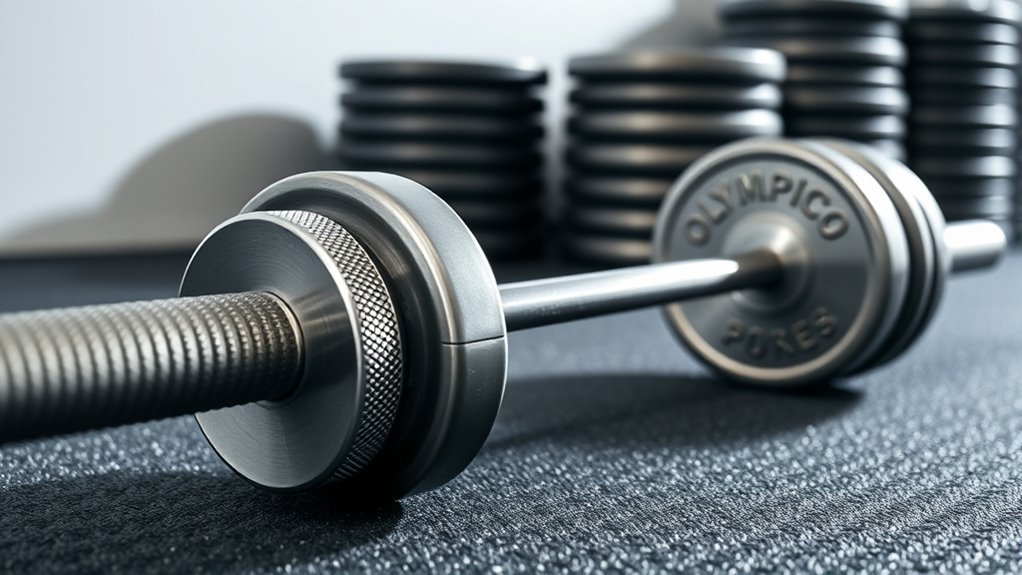
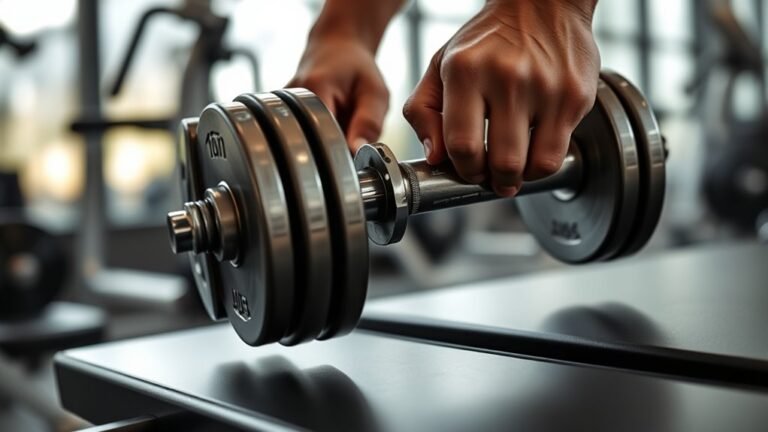
Once you’re familiar with the types of gym bars, it’s important to understand the weight of an Olympic barbell. Typically, an Olympic barbell weighs 20 kilograms (about 44 pounds) for men’s competition.
Understanding that a standard Olympic barbell weighs 20 kilograms is key for any lifter.
For women’s events, the barbell usually weighs 15 kilograms (around 33 pounds). These barbells are designed with specific dimensions and features, such as rotating sleeves to reduce wrist strain during lifts.
The standardized weight helps you track progress and compare lifts accurately. If you’re training at a gym, most Olympic bars will adhere to these weights, ensuring consistency.
Knowing the exact weight of the barbell allows you to calculate your total load precisely, which is vital for planning workouts and tracking strength gains effectively.
Weight of a Standard Barbell
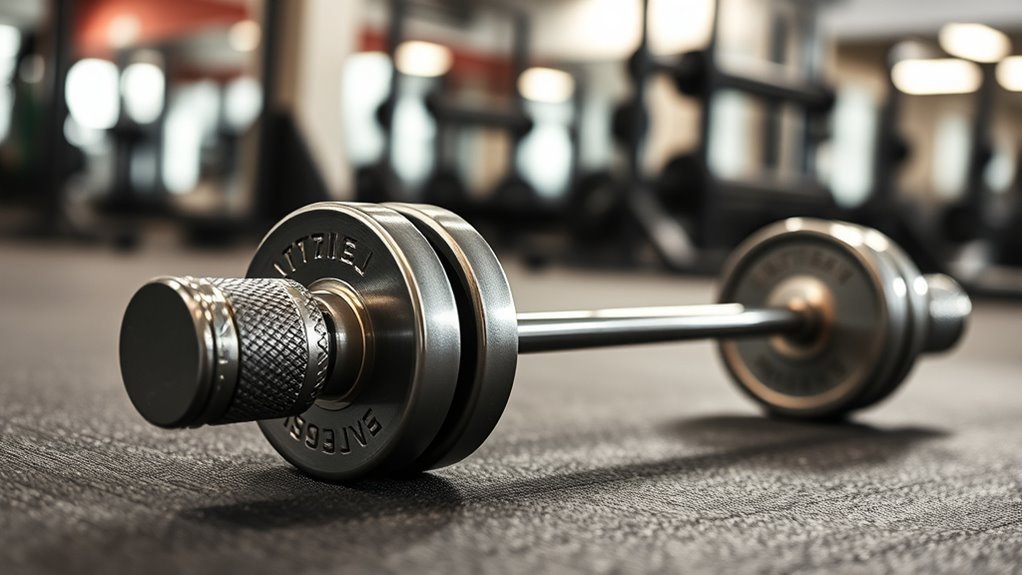
A standard barbell typically weighs around 45 pounds (20.4 kilograms), making it slightly heavier than an Olympic barbell. When you pick up a standard barbell, you’ll notice its solid feel and consistent weight, which makes it popular in many gyms.
These barbells usually measure about 7 feet long and have a uniform diameter throughout, unlike Olympic bars with rotating sleeves. Because of their fixed sleeves, you can load weight plates with smaller center holes, giving you more flexibility with your plate choices.
If you’re training strength or powerlifting, this bar offers reliable performance without the specialized features of Olympic bars. Knowing this weight helps you plan your workouts and track progress accurately.
Just remember, the bar itself adds 45 pounds before you add any plates.
Specialty Bars and Their Weights
While standard barbells serve well for many lifts, you’ll find specialty bars designed to target specific muscles or accommodate unique training styles.
For example, a trap bar, often used for deadlifts, typically weighs around 45 pounds but features a hexagonal shape to reduce strain on your back.
Curl bars, used for bicep exercises, usually weigh between 15 and 30 pounds, with a cambered design that eases wrist stress.
Safety squat bars, designed to improve squat mechanics, often weigh about 55 pounds and have padded yokes for comfort.
You might also encounter Swiss bars, which weigh roughly 25 to 35 pounds and offer neutral grips to reduce shoulder strain.
Knowing these variations helps you pick the right tool without guessing the weight during your workouts.
Factors Affecting Bar Weight
You’ll notice that the weight of a gym bar changes based on what it’s made of, how long it is, and the design of its sleeves. Different materials like steel or aluminum affect the overall heaviness.
Plus, longer bars or those with thicker sleeves can add extra pounds you might not expect. It’s pretty interesting how these factors come together to change the feel of the bar.
Material Composition Impact
Because the material composition directly influences a gym bar’s weight, understanding what it’s made of is essential when choosing the right bar for your workout. Most standard gym bars are made from steel, but the type of steel and any additional coatings can change the bar’s overall weight.
High-grade steel, like stainless or alloy steel, tends to be denser and heavier, giving you a sturdy, durable bar. On the other hand, some bars incorporate lighter metals or use hollow designs to reduce weight without sacrificing strength.
You’ll also find bars with different finishes—like chrome or zinc—that add a slight weight difference. Knowing these material details helps you pick a bar that matches your strength level and training goals effectively.
Bar Length Variations
Although material composition plays a big role, the length of a gym bar also directly affects its weight. When you pick up a longer bar, you’ll notice it naturally feels heavier because there’s simply more steel involved.
Standard Olympic bars usually measure about 7 feet, but you’ll find shorter bars around 5 to 6 feet designed for specific lifts or smaller spaces. These shorter bars weigh less, making them easier to handle if you’re new to lifting or have limited room.
Conversely, longer bars often accommodate more weight plates and provide better balance during heavy lifts. So, when choosing a bar, consider how its length fits your workout needs, as it impacts both the total weight and your lifting experience.
Weight Sleeve Design
When you examine a gym bar, the weight sleeve design plays a crucial role in determining its overall weight and functionality. The sleeves hold the weight plates and affect how smoothly the bar spins during lifts.
Different materials and construction methods impact the bar’s weight and durability. For example, thicker sleeves add weight but increase strength, while thinner sleeves reduce weight but may wear faster.
Here’s a quick look at how sleeve design factors influence the bar:
| Sleeve Factor | Impact on Bar Weight & Use |
|---|---|
| Sleeve Diameter | Larger diameter adds weight |
| Material | Steel vs. aluminum affects weight |
| Sleeve Length | Longer sleeves increase weight |
| Bearing Type | Bearings add weight and smoothness |
| Sleeve Thickness | Thicker sleeves add durability |
Understanding these helps you pick the right bar for your needs. It’s all about balancing weight, strength, and smooth operation to match your lifting style.
How Bar Weight Influences Your Workout
The weight of the bar can substantially affect your exercise form, so it’s important to choose one that matches your skill level. Starting with a heavier bar might throw off your technique, while a lighter one allows you to focus on proper movement.
Adjusting the bar weight also helps you progress safely and steadily in your workouts. It’s all about finding the right balance that challenges you without compromising your form. Keep that in mind as you train!
Impact on Exercise Form
Since your gym bar’s weight directly affects how you perform each lift, understanding its impact on your exercise form is essential. If the bar is too heavy, you might compromise your technique, risking injury or inefficient movement patterns.
On the other hand, a lighter bar lets you focus on mastering proper form before adding more weight. Pay close attention to how the bar’s weight influences your balance, grip, and control throughout each exercise.
For example, a standard 45-pound bar can feel different depending on your strength level and the specific lift you’re doing. By recognizing these effects, you can adjust your approach to maintain proper posture and movement mechanics.
This way, your workouts stay both safe and effective every time you hit the gym.
Adjusting Load Progression
Although adjusting load progression might seem straightforward, the weight of your gym bar plays a crucial role in how you increase resistance effectively. When you add plates, you’re not just increasing the total weight; you’re also factoring in the bar’s weight, which can affect your ability to gauge progress.
To adjust load progression smartly, remember these points:
- Always account for the bar’s weight when calculating total load to avoid under- or overestimating your strength gains.
- Use smaller weight increments on the bar to ensure gradual and safe progression, especially if the bar itself is heavy.
- Focus on technique and form as you increase load, since heavier bars combined with added plates can challenge your stability and control.
Tips for Choosing the Right Bar for You
When choosing the right gym bar for you, consider your specific training goals and experience level. If you’re focused on Olympic lifts, opt for a bar with a bit more whip and rotating sleeves to protect your wrists.
For powerlifting, a stiffer bar with less flex helps maintain control during heavy squats and deadlifts. Beginners might prefer a standard 45-pound barbell, which balances weight and versatility.
Also, check the bar’s knurling—aggressive knurling provides grip but can be harsh on your skin. On the other hand, smoother bars are easier on your hands but might slip.
Finally, consider the bar’s diameter and length to ensure it fits your grip and rack setup comfortably. Choosing wisely helps improve your performance and reduces injury risk.
Measuring and Verifying Gym Bar Weight
Understanding the exact weight of your gym bar helps guarantee your training stays on track and safe. To measure and verify your gym bar’s weight, start by checking manufacturer specifications; they’re usually accurate but can vary slightly.
If you want precision, use a calibrated scale designed for heavy weights. Weigh your bar alone, without plates, to avoid confusion. Remember, small differences can impact your workout progress or safety.
Here are key steps to ensure accuracy:
- Use a reliable, calibrated scale to get an exact weight.
- Inspect the bar for wear that might affect weight over time.
- Compare your findings with official specs or gym standards.
Frequently Asked Questions
How Should I Maintain and Clean My Gym Bar?
You should regularly wipe your gym bar with a dry cloth to remove sweat and chalk. This helps keep it clean and ready for your next workout.
Every now and then, go for a deeper clean using mild soap and water. Just be sure to dry it thoroughly afterward to prevent rust.
Taking these simple steps will keep your bar in top shape and extend its lifespan. It’s pretty easy to stay on top of!
Can Gym Bars Bend or Warp Over Time?
Yes, gym bars can bend or warp over time if you drop heavy weights frequently or overload them beyond their capacity.
It’s important to handle your bar with care and avoid putting excessive stress on it during workouts.
Taking these precautions will help keep your bar in good shape for longer.
What Are the Best Brands for Gym Bars?
You’ll want to check out Rogue Fitness, Eleiko, and Titan Fitness for top-quality gym bars. They’re known for durability, excellent grip, and performance.
These brands won’t let you down whether you’re lifting heavy or training daily. Trust me, finding the right bar makes a huge difference in your workout!
How Do Gym Bars Affect Joint Safety During Lifting?
Gym bars influence joint safety by providing stability and proper grip, reducing strain.
Using bars with good knurling and appropriate weight helps you maintain correct form, preventing injuries and protecting your joints during lifting sessions.
It’s pretty simple—when you have a solid grip and stable bar, your joints don’t have to work as hard to keep everything aligned.
That means less risk of twisting or overextending during your lifts. So, choosing the right gym bar really makes a difference in keeping your joints safe.
Are There Gym Bars Specifically Designed for Beginners?
Yes, there are gym bars designed for beginners. You’ll find lighter bars with reduced weight and smaller diameters, making them easier to handle.
They’re perfect for learning proper form while minimizing injury risks as you build strength. So, if you’re just starting out, these bars can really help you get comfortable with the basics.
Conclusion
Now that you know a standard gym bar usually weighs around 20 kilograms (44 pounds), imagine trying to lift a bar so heavy it feels like you’re hoisting a small car!
Choosing the right bar can make your workouts feel like a breeze instead of a battle with a beast. So, pick wisely, measure accurately, and get ready to crush your fitness goals without turning your gym session into an epic struggle!
Understanding how heavy a standard gym bar is helps you prepare better and avoid injury. Knowing the weight lets you plan your lifts and build strength progressively. So, next time you’re at the gym, remember to consider the bar’s weight as part of your workout strategy for a safer and more effective training session.