Are Elliptical Machines Bad for Knees and How to Protect Joints
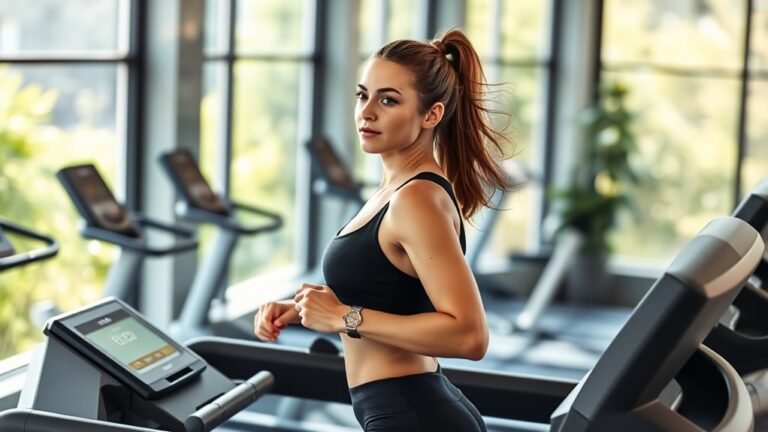
Elliptical machines aren’t bad for your knees when you use them right—they actually offer a low-impact exercise that’s gentle on your joints. Because they reduce the stress on your knees compared to running or jumping, ellipticals can be a great option for those with sensitive joints or knee pain.
To protect your knees, it’s important to keep your knees aligned with your feet and avoid locking your joints. Using smooth, controlled motions helps prevent unnecessary strain.
Starting your workout with a low incline and resistance also eases your knees into the movement.
You can also strengthen the muscles around your knees, like your quads and hamstrings, to give your joints extra support.
If you want to extend your workout safely and prevent discomfort, there are simple adjustments and exercises worth considering.
Taking these steps can help you enjoy your elliptical sessions without worry.
Key Takeaways
- Elliptical machines are low-impact and generally knee-friendly when used with proper form and controlled, smooth movements. This means you’re less likely to put too much stress on your joints compared to some other workouts.
- It’s a good idea to adjust the incline and resistance gradually. Doing this helps avoid putting too much load on your knee joints, which can prevent discomfort or injury.
- Make sure to keep your knees aligned with your feet. Also, try not to lock your knees and maintain an upright posture. These small tweaks reduce strain on your ligaments and tendons.
- Strengthening the muscles around your knees can really help. Exercises like squats and hamstring curls improve knee stability and protect your joints over time.
- If you notice persistent knee pain, swelling, or stiffness during or after your workouts, it’s important to stop exercising. Then, check in with a healthcare professional to get the right advice.
Understanding Knee Anatomy and Impact of Exercise
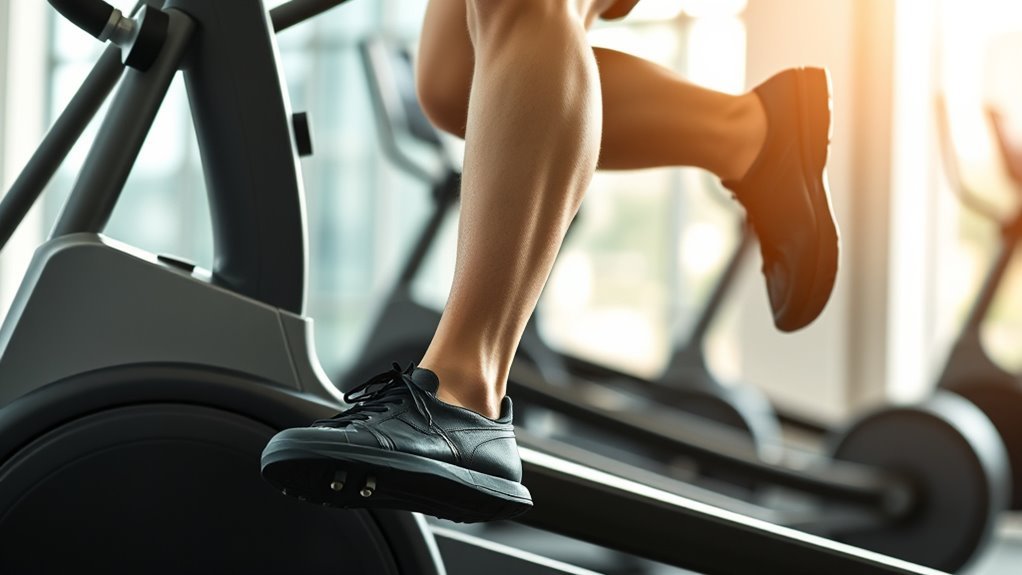
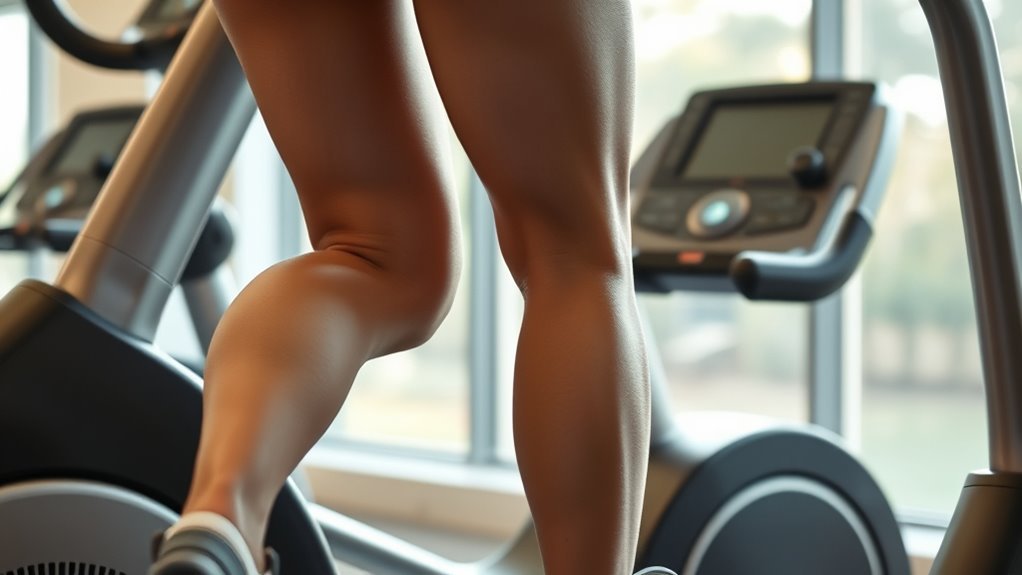
Although knees are complex joints, understanding their basic anatomy can help you see how elliptical machines affect them. Your knees connect your thigh bone to your shin bone, supported by cartilage, ligaments, and tendons that stabilize and cushion the joint.
When you exercise, these structures absorb forces and allow smooth movement. Exercise impacts your knees by strengthening muscles around the joint, improving stability and flexibility.
But, repetitive or improper movements can strain or injure these tissues. Knowing how your knee works lets you appreciate the importance of low-impact activities, which reduce stress on cartilage and ligaments.
Elliptical machines offer a controlled, fluid motion that mimics natural walking or running patterns. This minimizes abrupt pressure on your knees compared to high-impact workouts.
This understanding helps you make informed decisions about joint-friendly exercise. It’s all about keeping your knees happy and healthy!
How Elliptical Machines Affect Knee Joints
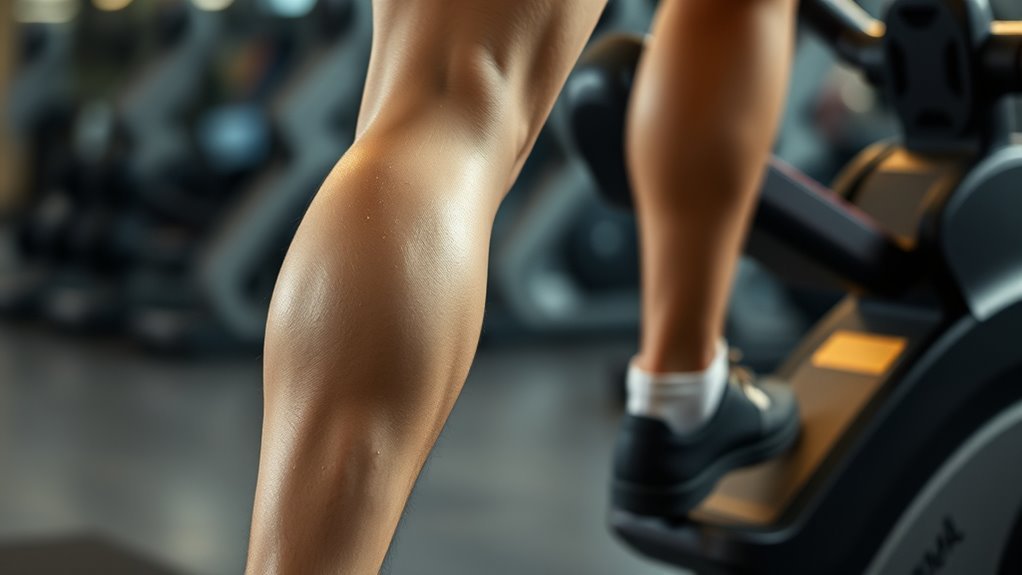
Since elliptical machines provide a low-impact way to move your knees through natural motions, understanding their effect on your knee joints can help you exercise safely.
Elliptical machines offer a gentle, natural motion that supports safe knee joint movement during exercise.
When you use an elliptical, your knees glide smoothly in a controlled path, reducing the stress that running or jumping might cause. This motion promotes joint lubrication and strengthens surrounding muscles, which supports knee stability.
However, it’s important to maintain proper form and avoid excessive resistance, as pushing too hard can strain your ligaments and tendons.
By adjusting settings to suit your comfort and keeping your knees aligned with your feet, you minimize the risk of discomfort.
Common Knee Issues Related to Elliptical Use
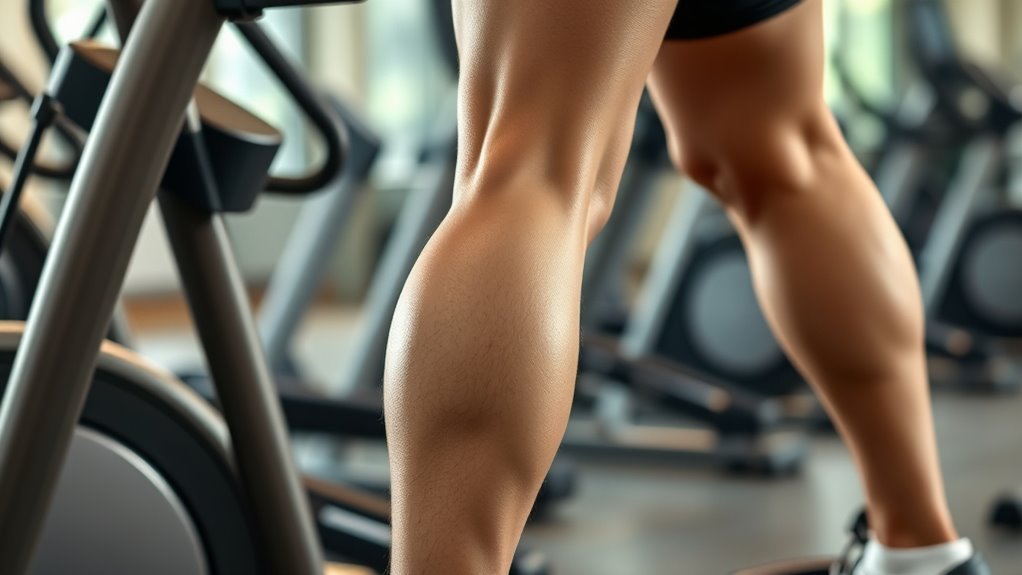
While elliptical machines generally support knee health, some users may experience issues like joint pain or inflammation if they overuse the equipment or maintain poor form. You might notice discomfort in the front of your knee, often caused by repetitive stress on the patellofemoral joint.
Overdoing your workouts without adequate rest can lead to tendonitis, especially in the quadriceps or patellar tendons. If your stride is too long or you push too hard on the pedals, you risk aggravating the meniscus or cartilage.
Additionally, incorrect foot placement or locking your knees during motion can increase joint strain. To avoid these common issues, it’s important you listen to your body, use proper technique, and gradually build your workout intensity.
Signs Your Knees Are Struggling on the Elliptical
If you notice sharp or persistent knee pain while using the elliptical, it’s a clear sign your knees might be struggling. Pay attention to any unusual discomfort during movement, like stiffness or swelling.
Catching these symptoms early can help you adjust your workout before the problem worsens. It’s better to listen to your body and take action sooner rather than later.
Knee Pain Symptoms
How can you tell when your knees are struggling during your elliptical workout? Pay close attention to your body’s signals. Knee pain symptoms often start subtly but shouldn’t be ignored.
You might notice a sharp or stabbing pain during movement, or persistent aching after your session. Sometimes, there’s swelling or warmth around the knee joint. You might even feel a sense of instability, like your knee is “giving out.”
If you experience any of these, it’s a clear sign your knees are under stress. Don’t push through the pain; instead, pause and assess.
Catching these signs early helps prevent further damage and keeps your workouts safe and effective. Listening to these symptoms can guide you to adjust your routine or seek professional advice before problems worsen.
Movement and Discomfort
Recognizing knee pain symptoms is just the first step; paying attention to how your knees move and feel during your elliptical workout reveals even more about their condition.
If you notice stiffness, grinding, or instability, your knees might be struggling. These signs mean you should adjust your routine or seek advice to prevent further damage.
| Movement Issue | What It Indicates |
|---|---|
| Stiffness | Possible joint inflammation |
| Grinding Sensation | Cartilage wear or rough surfaces |
| Swelling | Overuse or minor injury |
| Instability | Weak ligaments or muscle imbalance |
Proper Elliptical Technique to Minimize Knee Stress
While elliptical machines offer a low-impact workout, you need to use proper technique to protect your knees from unnecessary stress. Poor form can lead to discomfort or injury, so focus on smooth, controlled movements.
Proper technique on elliptical machines prevents knee stress and ensures a comfortable, injury-free workout.
Keep your knees aligned with your feet to avoid twisting. Also, don’t lock your knees; maintain a slight bend to absorb impact. Engage your core and maintain an upright posture to distribute weight evenly.
Here are some tips to minimize knee stress:
- Place your entire foot flat on the pedal, avoiding pressure on toes or heels only.
- Maintain a steady, moderate pace instead of rapid, jerky motions.
- Use both arms and legs to balance effort and reduce knee strain.
- Avoid leaning heavily on the handlebars, which shifts weight to your knees.
With these techniques, you can enjoy your elliptical safely and comfortably.
Adjusting Elliptical Settings for Joint Protection
You’ll want to adjust your elliptical’s resistance level carefully to avoid putting extra strain on your knees. Changing the stride length can also help you find a more comfortable, joint-friendly motion.
Don’t forget to experiment with incline settings, as they affect how your knees absorb the workout. It’s all about finding what feels best for your body!
Resistance Level Impact
Because adjusting the resistance level on your elliptical directly affects the strain on your knees, it’s important to find a setting that challenges your muscles without causing discomfort.
If the resistance is too high, you may put excessive stress on your knee joints, increasing the risk of pain or injury. On the other hand, too little resistance won’t provide enough muscle engagement to strengthen the surrounding support.
To protect your joints, consider these guidelines:
- Start with a low to moderate resistance and gradually increase as your endurance improves.
- Avoid sudden jumps in resistance to prevent overloading your knees.
- Pay attention to any knee discomfort and lower resistance if needed.
- Use resistance to build muscle strength, which supports and stabilizes your knees during workouts.
Balancing resistance carefully helps you get the most benefit while preserving knee health. Just take it step by step, and listen to your body along the way.
Stride Length Adjustment
Adjusting the resistance on your elliptical plays a big role in protecting your knees, but stride length also impacts joint comfort and safety. When you set the stride length too short, your knees may bend excessively, increasing strain and discomfort.
Conversely, a stride that’s too long can cause overextension, stressing your joints and muscles. Find a stride length that feels natural and mimics your walking or running pattern.
Most ellipticals offer adjustable stride settings; try different lengths to see what feels best and reduces any knee pain. Keeping your stride smooth and controlled helps minimize impact on your joints.
Incline Settings Effects
While increasing the incline on your elliptical can boost workout intensity, it also changes how your knees and joints handle stress. Higher inclines typically increase the load on your quadriceps and knee joints, which might cause discomfort if you have existing knee issues.
To protect your joints while still benefiting from incline adjustments, consider these tips:
- Start with a low incline and gradually increase as your strength improves.
- Maintain proper form to avoid unnecessary stress on your knees.
- Use a smooth, controlled motion to reduce joint impact.
- Listen to your body; if you feel pain, lower the incline or take a break.
Adjust incline thoughtfully to challenge yourself without risking joint health. It’s all about finding the right balance for you.
Complementary Exercises to Strengthen Knee Support
To protect your knees and enhance the benefits of using an elliptical machine, you should incorporate complementary exercises that target the muscles supporting your knee joint. Strengthening your quadriceps, hamstrings, calves, and glutes improves joint stability and reduces injury risk.
Here are some effective exercises:
| Exercise | Target Muscle Group |
|---|---|
| Squats | Quadriceps, Glutes |
| Hamstring Curls | Hamstrings |
| Calf Raises | Calves |
| Glute Bridges | Glutes, Hamstrings |
Try to perform these exercises 2-3 times weekly with proper form and moderate resistance. Doing so balances muscle strength around your knees, helping you enjoy elliptical workouts without discomfort or strain.
Don’t forget to incorporate stretching and warm-up routines before exercising to further protect your joints. It really makes a difference!
When to Consult a Professional About Knee Pain
If your knee pain sticks around for more than a few days or gets worse even after resting and doing the right exercises, it’s definitely time to see a healthcare professional.
Don’t ignore ongoing discomfort because it can lead to more serious joint damage or long-term problems.
You should reach out to a professional if you notice:
You should see a professional if you experience unusual knee pain, swelling, or difficulty moving.
- Intense swelling or redness around your knee
- Trouble putting weight on it or walking
- A popping sound or feeling during activity
- Stiffness that won’t go away or a reduced range of motion
A pro can figure out what’s really going on and suggest treatments or changes to your elliptical workout.
Catching these issues early helps stop long-term damage and keeps your knees in good shape while you stay active.
Frequently Asked Questions
Can Elliptical Machines Help With Rehabilitation After Knee Surgery?
Yes, elliptical machines can definitely help with your knee surgery rehabilitation. They offer low-impact exercise that’s easy on your joints but still effective for improving mobility and strength.
Just be sure to start slowly and really listen to your body as you go. And of course, check in with your doctor first to make sure you’re not overdoing it.
Are There Specific Elliptical Brands Better for Knee Health?
You’ll find brands like NordicTrack and Sole acting as gentle rivers, cushioning your knees with smooth motion.
Choose ellipticals with adjustable resistance and stride length to keep your joints sailing safely through every workout.
It really helps to pick machines that you can customize to fit your comfort level. That way, your knees get the support they need without any extra strain.
How Do Elliptical Workouts Compare to Cycling for Knee Safety?
Elliptical workouts are generally gentler on your knees than cycling, thanks to low-impact, smooth motion.
However, cycling also offers low joint stress. So, it really depends on what feels best for you.
Choose based on comfort, adjust resistance, and maintain proper form to protect your knees. That way, you can keep your workouts safe and effective.
Can Using an Elliptical Reduce Knee Swelling or Inflammation?
Yes, using an elliptical can help reduce knee swelling by promoting low-impact movement and improving circulation.
Just make sure you maintain proper form and avoid overdoing it to protect your joints from further irritation. It’s all about being gentle with your knees while staying active.
Is It Safe to Use an Elliptical With Existing Knee Arthritis?
It’s generally a gentle option for those with knee arthritis, but you should listen to your body and modify intensity.
Don’t hesitate to consult your doctor or physical therapist before starting to guarantee it suits your needs.
Conclusion
Your knees are the quiet heroes of every elliptical session, so treating them with care is essential. By using proper technique, adjusting your machine settings, and strengthening surrounding muscles, you can protect your joints from strain.
Remember to listen to your body’s signals and seek professional advice when needed. This approach will keep you moving smoothly and avoid unnecessary pain.
With the right approach, the elliptical becomes a friend, not a foe, in your fitness journey. Elliptical machines are generally gentle on your knees compared to high-impact exercises, but protecting your joints is key. By focusing on joint safety and using the elliptical correctly, you can enjoy an effective workout without risking knee discomfort or injury.