How Can a Vibration Plate Help Back Pain?
A vibration plate can help your back pain by activating deep core muscles that support your spine. It also improves blood circulation, which speeds up healing and reduces muscle stiffness and tension. This makes it a great option if you’re dealing with mild pain or limited mobility.
Plus, it offers a low-impact way to strengthen muscles and increase flexibility. Using a vibration plate correctly can enhance your posture and provide noticeable pain relief.
It works especially well when combined with other treatments for back pain.
Curious about how to use it safely and effectively? Keep exploring to learn the best tips and techniques that can maximize the benefits for your back health.
Key Takeaways
- Vibration plates stimulate deep spinal muscles, strengthening core support and reducing back pain. They really help by targeting muscles that are hard to engage with regular exercises.
- Plus, they enhance blood circulation, which promotes tissue healing and speeds up recovery in the back area. Better blood flow means your back gets the nutrients it needs to heal faster.
- Vibration therapy also increases flexibility and range of motion. This helps relieve stiffness and improves overall mobility, making daily movements easier.
- Another great thing is that it triggers endorphin release. These natural painkillers reduce pain and muscle tension in your back, giving you some much-needed relief.
- And since the therapy is low-impact, vibration plates are perfect for gentle back pain relief and muscle relaxation. You can use them without worrying about putting too much strain on your body.
Understanding Back Pain and Its Causes
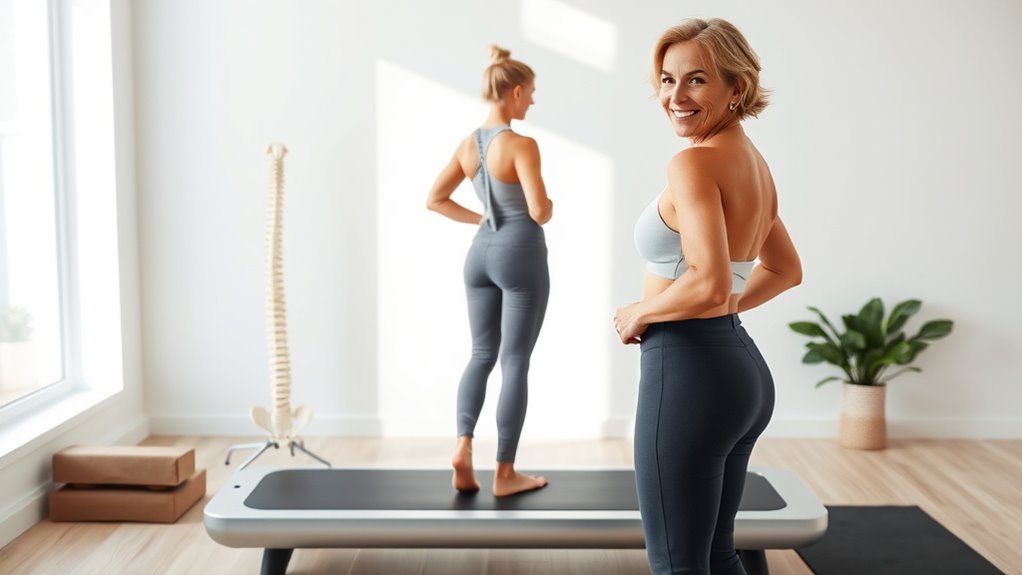
Although back pain affects many people, you might not fully understand what causes it. It often results from muscle strain, poor posture, or spinal issues like herniated discs.
You could also experience pain due to arthritis or nerve compression. Sometimes, your lifestyle plays a role—sitting for long hours or lifting heavy objects incorrectly can contribute.
Stress and lack of exercise may worsen your symptoms. Identifying the root cause is vital for effective relief.
When your muscles weaken or your spine misaligns, pain follows. You might notice stiffness, sharp pain, or a dull ache that limits movement.
What Is a Vibration Plate?
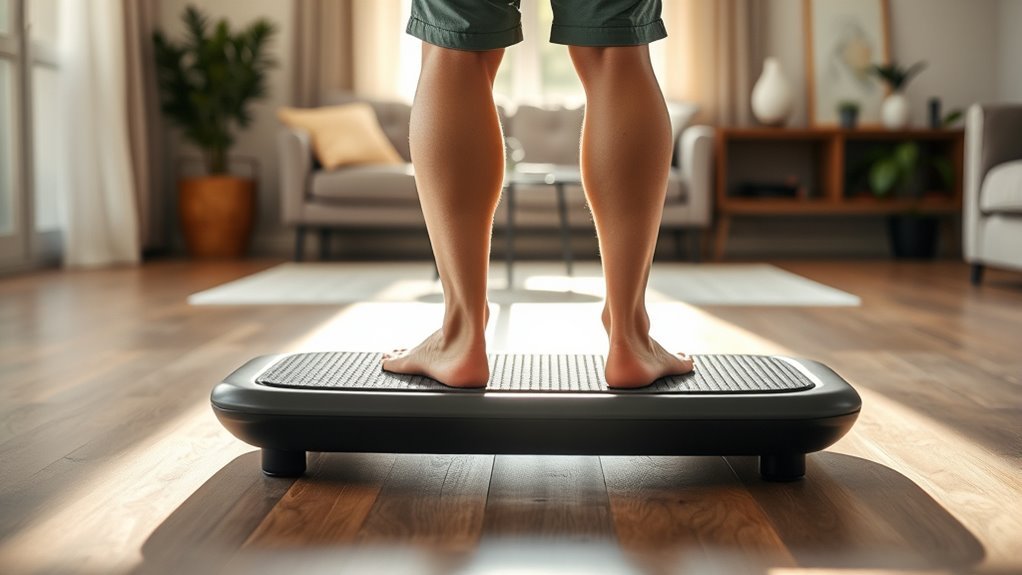
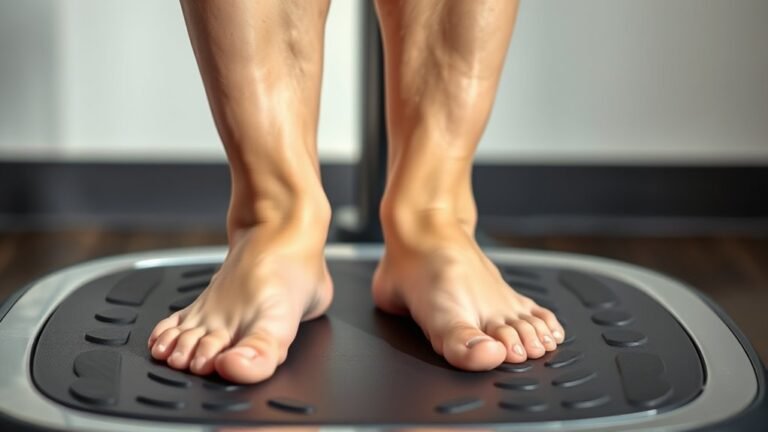
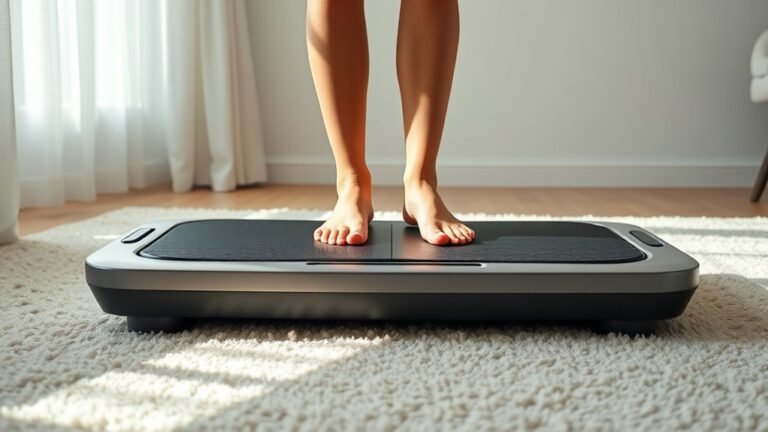
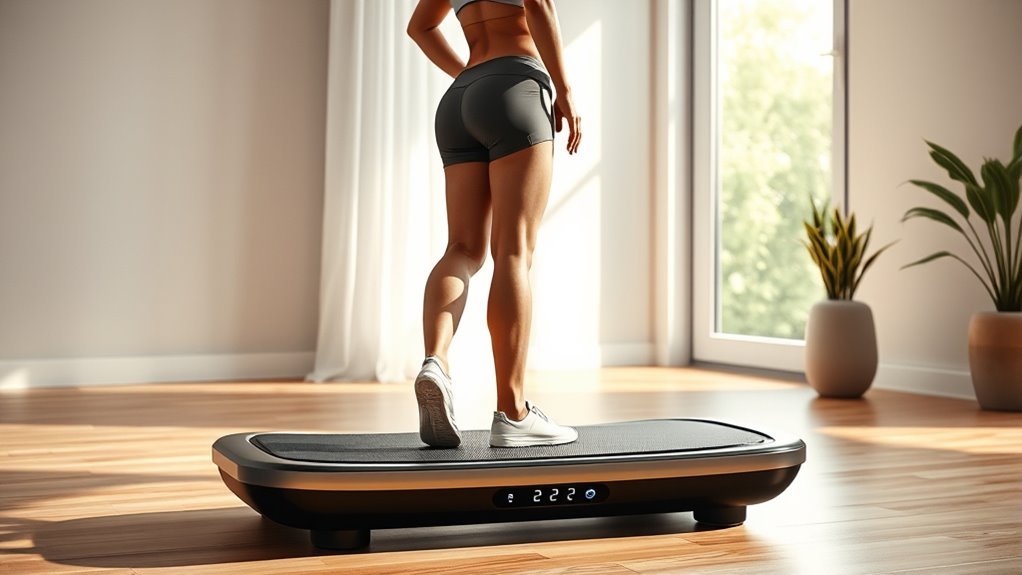
If you’ve ever looked for new ways to improve your fitness or manage pain, you might have come across a vibration plate. This device is a platform that vibrates at different speeds and intensities. When you stand, sit, or perform exercises on it, these vibrations transfer energy to your body.
The machine is designed to stimulate your muscles and joints without requiring high-impact movements. You control the vibration settings, tailoring the experience to your comfort level and goals.
Vibration plates come in various sizes, from compact home models to larger machines used in gyms. They’re popular for their convenience and potential benefits, offering a low-effort way to engage your body.
Available in sizes for home or gym use, vibration plates provide a convenient, low-effort way to activate your body.
Understanding what a vibration plate is helps you decide if it’s right for your back pain management. It’s worth considering if you want a simple, adjustable way to keep active.
How Vibration Plates Affect Muscle Function
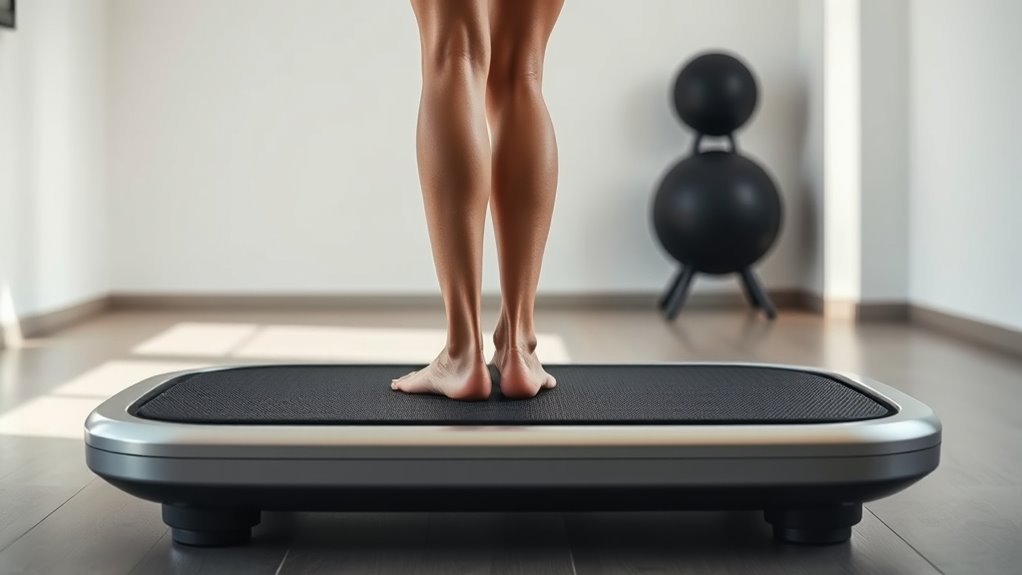
When you use a vibration plate, your muscles activate more intensely, helping to strengthen them. You’ll also notice improved blood circulation, which supports healing and reduces stiffness.
Plus, the vibrations help ease muscle tension, making your back feel more relaxed. It’s like giving your muscles a gentle massage while you work out.
Enhanced Muscle Activation
Because vibration plates stimulate your muscles through rapid, controlled movements, they trigger enhanced muscle activation that traditional exercises might not achieve as efficiently.
When you stand or perform exercises on a vibration plate, the vibrations cause your muscles to contract and relax multiple times per second. This rapid stimulation engages more muscle fibers, including deep stabilizing muscles around your spine that often remain underused.
Activating these muscles strengthens your core and supports your back, reducing strain and discomfort. Plus, enhanced muscle activation improves your muscle coordination and balance, which helps prevent further injury.
Improved Blood Circulation
While vibration plates activate your muscles, they also greatly enhance blood circulation. This plays a crucial role in muscle function and recovery.
When you use a vibration plate, the rapid vibrations stimulate your blood vessels to dilate. This increases blood flow to the muscles around your back.
This improved circulation delivers more oxygen and nutrients to your muscles. It helps them perform better and recover faster from strain or injury.
Increased blood flow also helps flush out metabolic waste products that can cause discomfort. So, by boosting your circulation, vibration plates support healthier muscle tissue.
This can reduce pain and stiffness. Using a vibration plate regularly can help you maintain ideal muscle function.
That makes it easier to manage and potentially alleviate your back pain over time.
Reduced Muscle Tension
Although muscle tension often causes discomfort, using a vibration plate can help you relax tight muscles effectively. When you stand or perform exercises on the plate, vibrations stimulate your muscles to contract and release rapidly.
This process breaks up knots and eases stiffness, reducing overall muscle tension. As your muscles loosen, you’ll notice less pain and better flexibility, which supports your back health.
| Benefit | Effect on Muscles | Result for Back Pain |
|---|---|---|
| Muscle relaxation | Releases tightness | Decreases stiffness |
| Increased flexibility | Enhances range of motion | Improves mobility |
| Reduced spasms | Calms involuntary contractions | Lessens discomfort |
| Enhanced recovery | Speeds up muscle repair | Reduces soreness |
| Improved circulation | Delivers nutrients | Promotes healing |
Benefits of Vibration Therapy for Back Pain
When you use vibration therapy, you engage your muscles and nerves in ways that can reduce back pain effectively. This therapy improves blood circulation, which helps deliver oxygen and nutrients to your spinal tissues, promoting faster healing.
It also activates your core muscles, enhancing stability and reducing strain on your lower back. You’ll find that vibration therapy can increase flexibility and range of motion, making daily movements less painful.
Additionally, it stimulates your nervous system to release endorphins, natural painkillers that ease discomfort. Using a vibration plate regularly can improve muscle strength without heavy impact, making it ideal if you want gentle yet effective relief.
Scientific Evidence Supporting Vibration Plate Use
Because vibration plates engage multiple muscle groups and stimulate circulation, researchers have increasingly studied their effects on back pain relief. Studies show that whole-body vibration can improve muscle strength and flexibility, which are key in reducing back pain.
Whole-body vibration improves muscle strength and flexibility, playing a vital role in relieving back pain.
When you use a vibration plate, it activates deep spinal muscles that often weaken with chronic pain. Clinical trials report reduced pain intensity and better functional ability after consistent vibration therapy sessions.
You’ll also find evidence indicating improved blood flow helps reduce inflammation and speed up healing. While results vary depending on individual conditions, the growing body of research supports vibration plates as a promising tool to complement traditional back pain treatments.
This scientific backing gives you confidence in trying vibration therapy for safer, effective pain management. It’s a great option to consider if you’re looking for something beyond the usual methods.
Recommended Usage and Safety Tips
The benefits of vibration plates for back pain become more effective when you use them correctly and safely. Start with short sessions—around 5 to 10 minutes—and gradually increase as your body adjusts.
Use low to moderate vibration settings to avoid overstressing your muscles or spine. Always maintain good posture, keeping your back straight and core engaged, to maximize relief and prevent injury.
Avoid locking your knees or standing rigidly. If you experience discomfort or dizziness, stop immediately and consult a healthcare professional.
Don’t use the vibration plate right after meals or if you’re dehydrated. Wearing comfortable, supportive footwear helps protect your joints.
Consistency matters, so aim for regular sessions, but give your body rest days to recover. Following these tips ensures safer, more effective pain relief.
Who Should Consider Using a Vibration Plate?
If you struggle with chronic back pain or stiffness, a vibration plate might offer a helpful addition to your routine. It’s especially useful if you want to improve muscle strength, enhance circulation, or increase flexibility without intense workouts.
However, it’s not for everyone, so you should consider your health status before starting.
| Who Should Consider Using a Vibration Plate? | Why It Helps |
|---|---|
| People with mild to moderate back pain | Strengthens core muscles supporting spine |
| Older adults with limited mobility | Improves circulation and reduces stiffness |
| Those recovering from injury (with approval) | Aids gentle muscle activation |
| Individuals with sedentary lifestyles | Counteracts muscle weakening and stiffness |
| People seeking low-impact exercise | Provides effective muscle stimulation |
Combining Vibration Plate Therapy With Other Treatments
You can boost your back pain relief by combining vibration plate therapy with physical therapy exercises tailored to your needs. It works well alongside pain management techniques, helping you tackle discomfort from multiple angles.
Let’s explore how these treatments can complement each other for better results.
Complementary Physical Therapy
Although vibration plate therapy offers unique benefits for back pain, combining it with other physical treatments can boost your recovery even more. You can enhance muscle strength and flexibility by pairing vibration sessions with targeted stretching or strengthening exercises.
Physical therapists often recommend this approach because it improves circulation and reduces stiffness more effectively than either method alone. Plus, incorporating manual therapy techniques, like massage or mobilization, can help loosen tight muscles and prepare your body for vibration therapy.
Don’t forget to maintain proper posture during all exercises to maximize benefits and minimize injury risk. By integrating vibration plate therapy with complementary physical therapies, you create a well-rounded routine that addresses multiple aspects of back pain, helping you regain mobility and comfort faster.
Integrating Pain Management
When managing back pain, combining vibration plate therapy with other treatments can accelerate your relief and improve outcomes. You can pair vibration therapy with stretching exercises, physical therapy, or even massage to enhance muscle relaxation and reduce stiffness.
Using the vibration plate alongside your prescribed pain medications or anti-inflammatory treatments may also boost effectiveness by increasing blood flow and promoting tissue healing. It’s important to consult your healthcare provider to tailor a plan that suits your specific condition.
Frequently Asked Questions
Can Vibration Plates Improve Posture Over Time?
Yes, vibration plates can improve your posture over time by strengthening your core and stabilizing muscles. When you use them regularly, you’ll engage muscles that support your spine.
This helps you stand taller and reduce slouching naturally. Over time, you might notice your posture getting better without even thinking about it!
Are Vibration Plates Suitable for Elderly Users With Osteoporosis?
Think of your bones like fragile glass; vibration plates can gently fortify them. You can use them cautiously with osteoporosis, but always check with your doctor first.
That way, you can avoid any risks and ensure safe, effective use. It’s all about taking the right steps to protect your health.
How Does Vibration Therapy Compare to Traditional Physical Therapy Sessions?
You’ll find vibration therapy offers quicker muscle activation and improved circulation compared to traditional sessions, but it’s not a full replacement.
Combining both can maximize recovery, blending convenience with targeted, hands-on care from a therapist.
Can Vibration Plates Help With Sciatica Pain Relief?
Sciatica soreness soothes considerably when you use vibration plates. They stimulate stiff muscles, strengthen support, and speed up spinal stability.
You’ll notice decreased discomfort and improved mobility, making your recovery quicker and more comfortable. It’s a simple way to help ease the pain and get moving again.
What Maintenance Is Required for a Home Vibration Plate?
You’ll need to regularly clean the vibration plate and check for loose bolts. It’s also important to make sure the motor runs smoothly.
Keep the machine in a dry place and avoid overloading it. Following the manufacturer’s maintenance schedule will help keep it working well.
Conclusion
You might think that standing on a vibrating plate sounds like a quirky gimmick for back pain, but surprisingly, it can actually help strengthen your muscles and ease discomfort. While it’s not a magic cure, incorporating vibration therapy into your routine could be the unlikely ally your back’s been begging for.
Just remember, it’s not about avoiding real treatment—it’s about adding a little unexpected buzz to your healing journey. Using a vibration plate regularly can improve muscle tone and increase blood flow, which may help reduce stiffness and pain in your back.
Incorporating vibration therapy as a complementary tool can support your overall back pain management. So, while it shouldn’t replace medical advice or physical therapy, a vibration plate might just be the simple boost your recovery needs. Give it a try and see how this gentle vibration can become part of your path to a stronger, more comfortable back.