How Much Does a Bench Press Bar Cost?
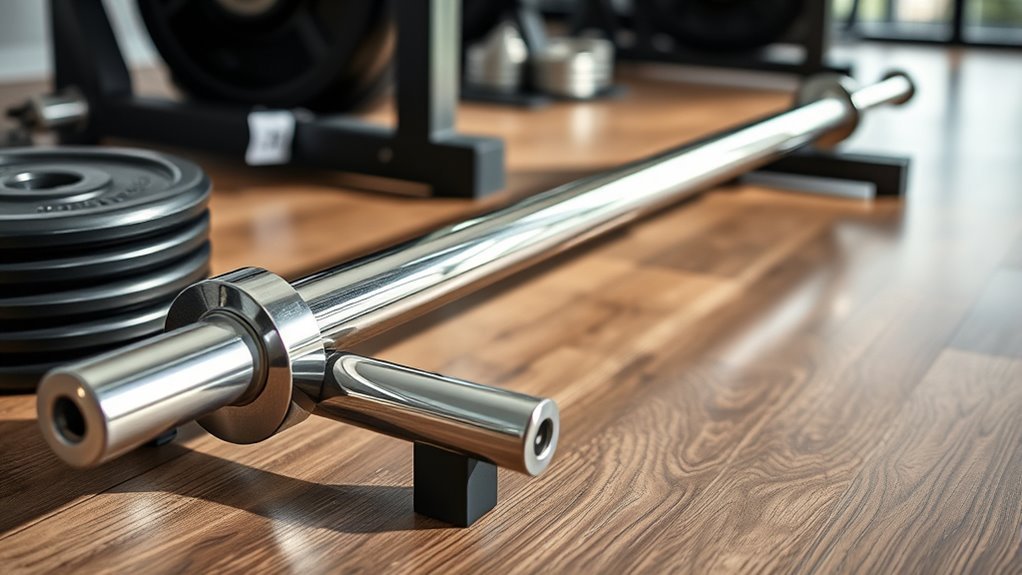
You can expect to pay between $30 and $80 for a basic bench press bar suitable for casual workouts. These bars are great if you’re just starting out or lifting at home without needing heavy-duty equipment.
If you want an Olympic-style bar, prices range from $100 to over $400 depending on quality and features like sleeve rotation. These bars are designed for serious lifters who need durability and smooth performance.
Specialty bars often cost $150 to $450. Brand, material quality, and design influence cost the most.
If you want to find the best fit for your needs and budget, there’s plenty more to explore about options and pricing.
Key Takeaways
- Basic bench press bars typically cost between $30 and $80. These are suitable for light to moderate home workouts.
- Olympic-style bench press bars range from $100 for budget models to over $400 for high-end, competition-grade bars. So, there’s quite a range depending on what you need.
- Specialty bars like cambered or safety squat bars generally cost between $150 and $450. The price depends on the design and features you want.
- Premium brands usually charge more for higher-grade steel, durability, and advanced features. On the other hand, budget brands offer simpler, less durable bars.
- For the best value, consider your lifting needs first. Then, compare warranties, check reviews, and keep an eye out for sales or bundle deals. It really pays off to shop smart!
Factors That Influence the Price of a Bench Press Bar

Although bench press bars might seem similar at first glance, several key factors influence their price, and understanding these can help you make a smarter purchase. The material quality plays a big role—higher-grade steel bars cost more but offer better durability and less flex.
Bar length and diameter also affect the price; longer and thicker bars typically cost more due to increased material use and strength. The bar’s tensile strength, measured in PSI, determines its ability to withstand heavy loads without bending, which impacts cost.
Additionally, features like knurling texture, sleeve rotation mechanisms, and brand reputation can raise the price. When you recognize these factors, you can prioritize what matters most to your training and budget, ensuring you get the best value.
Different Types of Bench Press Bars

What makes one bench press bar different from another? It mainly comes down to design, material, and intended use.
When you’re picking a bar, knowing the types helps you find the right fit for your workouts. Here are the common ones you’ll encounter:
- Standard Bars: Usually 7 feet long and 45 pounds, these are versatile and great for general use.
- Olympic Bars: Designed for heavier lifts, they have rotating sleeves to reduce wrist strain and are more durable.
- Specialty Bars: These include cambered bars or Swiss bars, tailored for specific training needs or to reduce joint stress.
Understanding these types assures you choose a bar that matches your lifting style and goals perfectly.
Price Range for Basic Bench Press Bars
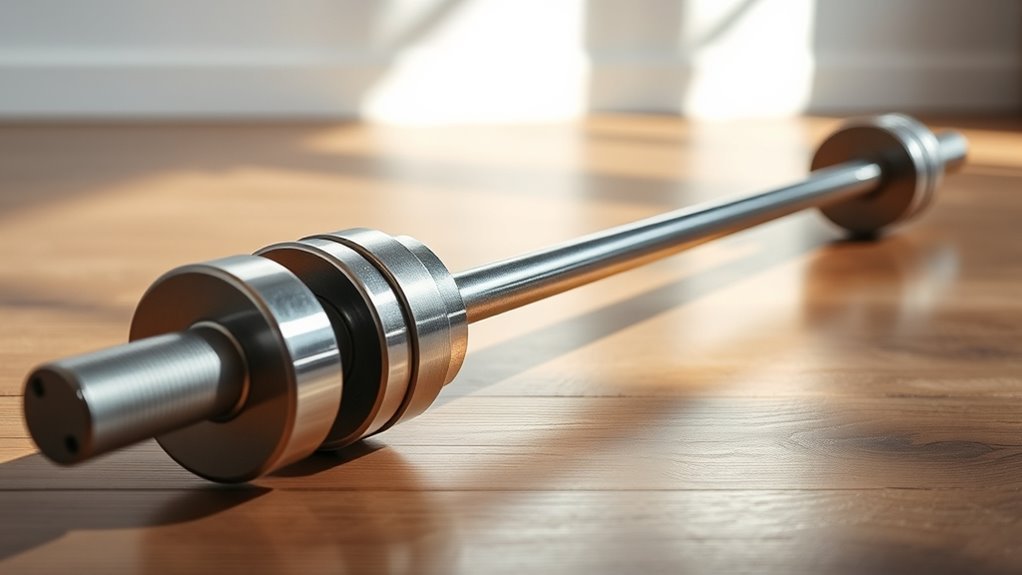
Choosing the right bench press bar often comes down to balancing features with cost. Basic bench press bars typically fall in the $30 to $80 range.
If you’re just starting out or using the bar for light to moderate workouts, a bar within this price bracket will serve you well. These bars usually weigh around 15 to 25 pounds and offer decent durability for home gym use.
Keep in mind, bars at the lower end of this range might have simpler knurling and less smooth sleeves, but they still get the job done. You don’t need to overspend if you don’t require advanced features or heavy lifting capacity.
Stick to this range for a reliable, budget-friendly option that fits standard bench press setups. It’s a smart choice for most beginners and casual lifters.
Cost of Olympic-Style Bench Press Bars
When you shop for Olympic-style bench press bars, you’ll notice prices vary widely based on brand and quality. Higher-end bars often come with features like better knurling or greater weight capacity, which can add to the cost.
Knowing what you need helps you choose the right balance between price and performance. It’s all about finding the bar that fits your workout style without breaking the bank.
Price Range Overview
Although Olympic-style bench press bars vary widely in price, understanding the typical cost range can help you make an informed decision. You’ll find options that fit different budgets, from basic models to advanced bars designed for serious lifters.
Here’s a quick overview of what to expect:
- Budget bars: Usually priced between $100 and $200, these bars offer decent quality for casual lifters or beginners.
- Mid-range bars: Costing around $200 to $400, they often provide better durability and performance features.
- High-end bars: Starting at $400 and going up, these bars are built for competitive lifting and come with premium materials and craftsmanship.
Knowing this range helps you pick the right bar without overspending or sacrificing quality. So, whether you’re just starting out or aiming to compete, there’s something out there for you.
Brand and Quality Impact
Because brand reputation often reflects product quality, you’ll find that well-known manufacturers typically charge more for their Olympic-style bench press bars. When you buy from a reputable brand, you’re paying for durability, precise manufacturing tolerances, and reliable performance.
These bars often use higher-grade steel and better finishes, reducing the risk of bending or rust. On the other hand, lesser-known brands might offer lower prices but could compromise on materials or craftsmanship, which may affect your training experience and safety.
If you’re serious about lifting, investing in a trusted brand ensures your bar can handle heavy loads and last longer. Ultimately, your choice depends on balancing budget with long-term value and performance expectations.
Additional Features Cost
Beyond brand and quality, the additional features of an Olympic-style bench press bar can substantially influence its price. When choosing a bar, consider these enhancements that might push the cost higher but improve your training experience:
- Knurling Pattern and Depth: Bars with aggressive or specialized knurling provide better grip but add to manufacturing costs.
- Sleeve Rotation Mechanism: High-quality bearings or bushings ensure smooth sleeve rotation, reducing wear and tear, increasing the price.
- Bar Coating: Options like stainless steel, zinc, or cerakote coatings offer durability and rust resistance but come at a premium.
You’ll find that these features range from $50 to over $150 extra, depending on the bar’s overall build and intended use. So, choose wisely based on your lifting needs and budget.
Specialty Bars: What to Expect in Pricing
When you explore specialty bars, you’ll find their prices vary widely based on design and purpose. These bars cater to specific training goals, such as Olympic lifting, powerlifting, or rehabilitation, which influences their cost.
You can expect prices to range from budget-friendly to premium, depending on features like bar thickness, knurling, and material quality. It really comes down to what you need and how much you’re willing to spend.
| Specialty Bar Type | Price Range | Key Features |
|---|---|---|
| Cambered Bar | $150 – $300 | Curved design for shoulder relief |
| Safety Squat Bar | $250 – $450 | Padded yoke, handles for grip |
| Swiss Bar | $200 – $350 | Multiple grip positions |
Choosing the right specialty bar depends on your training needs and budget constraints. So, think about what fits your workout style best before making a decision.
Comparing Brands and Their Pricing
When you compare bench press bars, you’ll notice prices vary widely depending on the brand and quality. Some brands offer budget-friendly options that still hold up well, while premium brands charge more for durability and performance.
Understanding these differences helps you pick the right bar without overspending. It’s all about finding the balance between what you need and what you’re willing to spend.
Price Ranges Overview
Although bench press bars vary widely in price, you’ll find that quality and brand reputation often dictate their cost. When shopping, you’ll notice bars fall into three general price ranges, each offering different features and durability.
- Budget bars ($50-$100): Suitable for beginners, these bars are basic but functional. They’re often made with lower-grade steel.
- Mid-range bars ($100-$250): These are balanced options that provide better materials and construction. They’re ideal for regular gym use.
- Premium bars ($250+): Designed for serious lifters, these bars feature superior craftsmanship, better tensile strength, and enhanced performance.
Understanding these ranges helps you decide what fits your budget and training needs without compromising value. It’s all about finding the right balance for you.
Brand Quality Differences
Since bench press bars come from various manufacturers, you’ll notice significant differences in quality and price between brands. Some brands focus on durability and use higher-grade steel, which often results in a pricier bar.
Others might prioritize affordability, using standard materials suitable for casual lifters. You’ll also find that well-known brands tend to offer better warranties and customer support, adding value beyond just the bar itself.
Additionally, some brands specialize in competition-grade bars, which are more expensive due to tighter manufacturing tolerances and advanced features like improved knurling and spin sleeves.
When choosing, consider what matters most to you—brand reputation, material quality, or specific features—since these factors directly influence the cost and your satisfaction.
Budget Vs Premium
Deciding between a budget and a premium bench press bar often comes down to how much you’re willing to invest and the level of performance you expect. Budget bars typically cost less but might sacrifice durability and grip quality.
Premium bars, while pricier, offer enhanced materials, better knurling, and greater weight capacity. It really depends on what you’re looking for in your lifting experience.
Consider these factors when comparing:
- Material and Build: Premium bars use higher-grade steel for longevity and strength.
- Brand Reputation: Established brands often charge more for proven quality and warranty.
- Performance Features: Premium bars provide smoother rotation and better grip, improving your lift experience.
Ultimately, if you’re serious about training and want a bar that lasts, investing in a premium bar pays off. But if you’re just lifting casually, a budget bar may suffice without breaking the bank.
Where to Buy Bench Press Bars for the Best Deals
When you’re looking to buy bench press bars for the best deals, knowing where to shop can save you a lot of money and hassle. Online marketplaces like Amazon and Rogue Fitness often offer competitive prices and user reviews to guide your choice.
Local sporting goods stores let you inspect the bars in person, which is great if you want to check the quality yourself. Just keep in mind, they might be pricier than online options.
Specialty fitness retailers usually stock premium options and often include warranty benefits. So, if you’re after something high-end, this could be the way to go.
Also, don’t forget to check clearance sales or refurbished equipment sections. You might just snag a bargain there!
| Store Type | Benefits |
|---|---|
| Online Marketplaces | Wide selection, user reviews |
| Local Sporting Goods | In-person inspection |
| Specialty Retailers | Premium options, warranty |
| Clearance Sales | Discounted prices |
| Refurbished Equipment | Cost-effective, quality checked |
Tips for Getting the Best Value on Your Bench Press Bar Purchase
Although finding the perfect bench press bar might seem intimidating, focusing on key factors like material quality, weight capacity, and grip texture will help you get the best value.
Start by evaluating your workout needs and budget to narrow down your options. Look for bars made from high-grade steel that can handle your lifting goals without bending or breaking. Also, consider the knurling pattern for a secure grip during intense sets.
Keep these tips in mind when shopping:
- Compare warranties and customer reviews to gauge durability and satisfaction.
- Check for sales or bundle deals to save money on quality bars.
- Don’t overlook return policies, ensuring you can exchange if the bar doesn’t fit your needs.
Frequently Asked Questions
How Do I Properly Maintain a Bench Press Bar?
You should regularly clean your bench press bar with a dry cloth and apply light oil to prevent rust. It’s a simple step that really helps keep the bar in good shape.
Also, make sure to check for any damage or loose parts. Storing the bar in a dry place is key to avoiding moisture issues.
Don’t forget to inspect the knurling for grip too. A good grip makes your bench press safer and more effective.
What Is the Average Weight Capacity of a Bench Press Bar?
You can expect most bench press bars to support around 300 to 700 pounds.
Olympic bars usually handle heavier loads, while standard bars have lower capacities.
Always check the manufacturer’s specs before lifting heavy. Better safe than sorry!
How Often Should a Bench Press Bar Be Replaced?
You should replace your bench press bar when it starts bending like a pretzel or squeaking like a haunted house.
In reality, inspect it regularly and swap it out if you spot cracks or rust compromising safety. It’s all about keeping your workouts safe and effective.
Are Bench Press Bars Compatible With All Bench Types?
Not all bench press bars fit every bench type. You’ll want to check the sleeve diameter and length to make certain compatibility.
Most standard bars work with Olympic benches, but specialty benches might need different bars. So, it’s a good idea to double-check before you buy or use one.
Can I Use a Bench Press Bar for Other Exercises?
Yes, you can use a bench press bar for other exercises like squats, deadlifts, and overhead presses. Just make sure the bar and weights suit your workout.
And always prioritize proper form to avoid injury. It’s important to be careful and listen to your body when trying new moves.
Conclusion
Now that you know what affects the price of a bench press bar, you might be wondering which one fits your budget and goals. Will you go for a basic bar that gets the job done or invest in a specialty bar designed for peak performance?
The choice is yours—and it could change how you train forever. Ready to make the right move?
Your perfect bench press bar is closer than you think. Whether you’re a beginner looking for an affordable option or an experienced lifter seeking durability and precision, understanding the cost factors helps you make an informed decision. Remember, the best bench press bar balances quality, price, and your personal training needs. So, take your time, compare options, and pick the one that makes every workout count.