
How Much Weight Should a Bench Bar Have?
You’ll usually find bench press bars weighing around 45 pounds, which works well for most lifters aiming to build strength and track their progress. This weight is pretty standard and gives you a solid baseline to work from.
However, some bars can be lighter or heavier depending on their design. Specialty or Olympic bars, for example, might weigh between 33 to 45 pounds. It really depends on what you’re looking for.
Choosing the right bar is all about matching it to your strength level and fitness goals. This helps you stay safe and get the most out of your workouts.
If you want to get the full picture on different bar types, their weights, and some safety tips, keep exploring!
Key Takeaways
- Standard bench press bars typically weigh 45 pounds (20.4 kg) and are widely used in gyms and competitions. This is kind of the go-to weight for most lifters.
- Specialty bars can vary quite a bit, usually from 15 to 45 pounds, depending on their design and purpose. Think Swiss bars or cambered bars—they’re made for specific training needs.
- When choosing a bench bar weight, it’s important to match it with your strength level, training goals, and comfort. This helps you avoid injury and get the most out of your workout.
- Also, always double-check the exact weight of the bar before you start lifting. Not all bench bars weigh 45 pounds, so it’s good to be sure.
- If you’re into competitive lifting, stick with a standard 45-pound Olympic bar that meets official specifications. That way, you’re playing by the rules.
Standard Weight of a Bench Press Bar

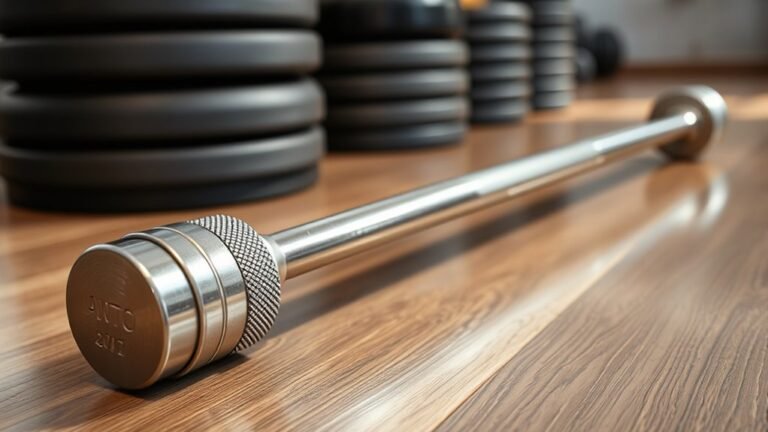
Although bench press bars come in various sizes and styles, the standard barbell used in most gyms weighs 45 pounds (20.4 kilograms). When you step up to the bench press, this is typically the bar you’ll handle unless specified otherwise.
This weight is carefully designed to provide a solid balance between durability and usability, allowing you to add plates for progressive overload. You don’t have to guess the bar’s weight since it’s standardized, making it easier to track your progress.
Knowing this standard helps you plan your workouts effectively, ensuring you’re not underestimating or overestimating the total load. So, when you load the bar with weights, remember the bar itself already accounts for 45 pounds of your total lift.
Types of Bench Press Bars and Their Weights
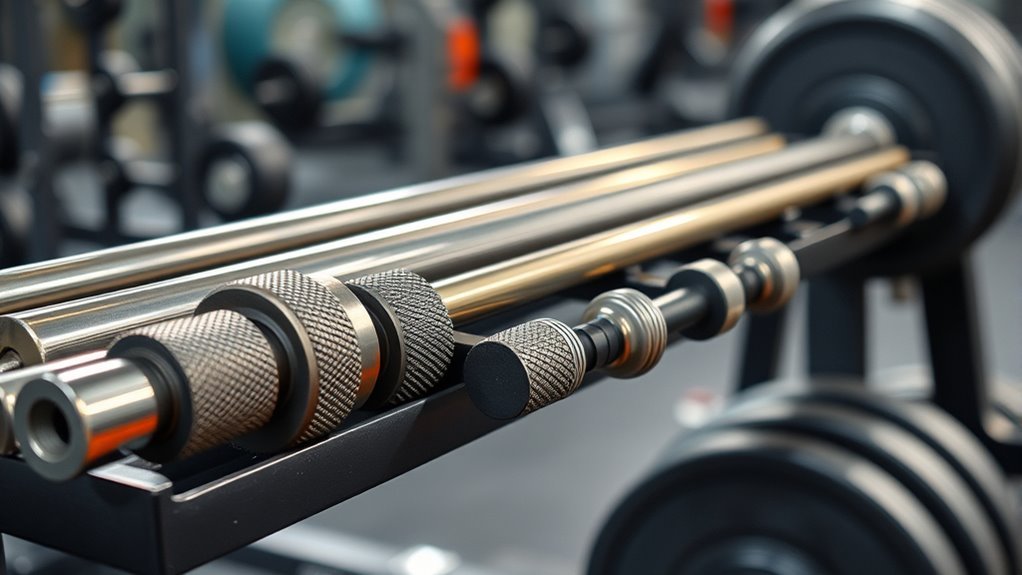
When you’re choosing a bench press bar, it’s important to know that the standard Olympic bar typically weighs 45 pounds. However, specialty bars designed for bench pressing can vary in weight and design.
Understanding these differences helps you pick the right bar for your workout goals. So, take your time and choose one that fits what you need.
Standard Olympic Bar Weight
If you’re planning to lift with a standard Olympic bar, you should know it typically weighs 20 kilograms (44 pounds). This weight is standardized across most gyms and competitions, giving you a consistent baseline for tracking progress.
The bar itself measures about 7 feet long and has a diameter of 28 millimeters, designed to hold up to 700 pounds or more. Its weight alone contributes profoundly to your total load, so always factor it in when calculating how much you’re lifting.
Olympic bars come with rotating sleeves that reduce torque on your wrists during lifts, helping you maintain better form. Knowing this, you can confidently adjust your plates and avoid under- or overestimating the total weight during your bench press sessions.
Specialty Bench Press Bars
Since specialty bench press bars come in various designs, you’ll want to know how their weights differ from the standard Olympic bar. For example, a Swiss bar, designed with multiple grips, usually weighs between 15 to 25 pounds, lighter than the typical 45-pound Olympic bar.
A cambered bar, which bends to reduce shoulder strain, often weighs around 35 to 45 pounds. You might encounter a football bar, shaped like a football for neutral grip, weighing about 25 to 35 pounds.
These variations affect your lifting experience and the actual load you’re pressing. When switching to a specialty bar, always verify its weight first to adjust your plate loading accordingly. This ensures you maintain accurate tracking of your progress and avoid unexpected jumps in resistance.
Olympic vs. Standard Bars: Weight Differences
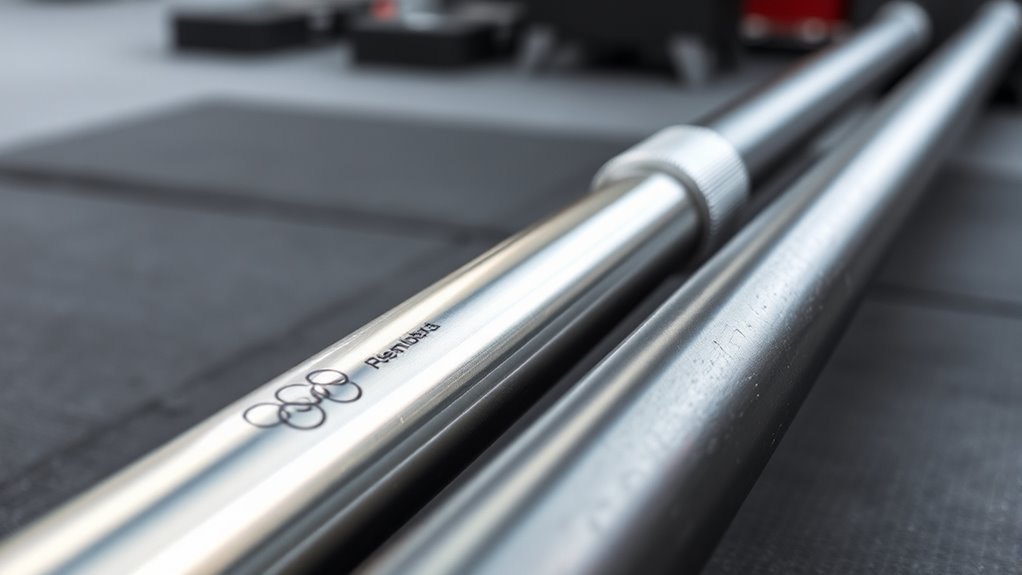
Although both Olympic and standard bars serve the same basic purpose, they differ considerably in weight and design. When you choose between them, knowing these differences helps you plan your lifts accurately.
Olympic bars typically weigh 20 kg (44 lbs) for men’s bars and 15 kg (33 lbs) for women’s bars. Standard bars are lighter, generally weighing around 15 kg (33 lbs) or less.
| Bar Type | Typical Weight |
|---|---|
| Olympic Bar | 20 kg (44 lbs) |
| Women’s Olympic | 15 kg (33 lbs) |
| Standard Bar | 15 kg (33 lbs) or less |
Understanding these weights guarantees you can calculate your total load precisely. That way, you avoid surprises during your bench press sessions.
Factors Affecting Bench Bar Weight
Knowing the differences between Olympic and standard bars is just the start. Several factors affect the weight of your bench bar.
Understanding the distinctions between Olympic and standard bars is essential before considering other weight factors.
First, material plays a key role; most bars are made from steel, but variations in alloy and quality can modify weight. Next, bar length and diameter influence how heavy it feels—longer or thicker bars usually weigh more.
Sleeves also matter: some bars have rotating sleeves, adding extra components and weight. Additionally, specialized bars, like those designed for powerlifting or bench-specific bars, often differ in weight due to reinforced construction.
Even knurling patterns and coatings can add small amounts. Understanding these factors helps you select a bar that matches your lifting goals and ensures accurate weight tracking during workouts.
How to Weigh Your Bench Bar Accurately
To weigh your bench bar accurately, you’ll want to start by choosing the right scale that can handle its weight. Make sure to calibrate your scale properly before each use to get precise readings.
Also, use consistent measurement techniques to avoid any variations between weigh-ins. This way, you’ll get reliable and repeatable results every time.
Choosing the Right Scale
When you want to weigh your bench bar accurately, choosing the right scale is essential. You need a scale that can handle the bar’s weight range and provide precise measurements.
Consider the scale’s capacity, accuracy, and platform size to ensure it fits your bar and space.
Here’s a quick comparison to help you pick:
| Scale Type | Best For |
|---|---|
| Bathroom Scale | Quick estimates, easy access |
| Postal Scale | High precision, low capacity |
| Industrial Scale | Heavy bars, high capacity |
Bathroom scales are common but less precise. Postal scales offer accuracy but usually can’t handle heavier bars.
Industrial scales are ideal for heavy bars but can be bulky. Choose a scale that matches your bench bar’s weight and your accuracy needs.
Calibration Tips for Accuracy
Although having the right scale is important, you’ll only get accurate bench bar weights if you calibrate your scale properly. Start by reading your scale’s manual—different models require specific calibration steps.
Use certified calibration weights or objects with known, precise mass to set your scale. Place the calibration weight on the scale and adjust until the reading matches exactly.
Repeat this process regularly to maintain accuracy, especially if you move the scale or use it frequently. Avoid calibrating on uneven surfaces, as this can skew measurements.
Finally, give your scale time to stabilize after turning it on before weighing your bench bar. Following these tips ensures your bench bar weights are trustworthy and consistent, helping you track your lifting progress reliably.
Consistent Measurement Techniques
Even if you have a well-calibrated scale, you need consistent measurement techniques to weigh your bench bar accurately. Start by placing the bar on the scale in the same orientation every time—lay it centered and flat to avoid uneven weight distribution.
Always zero or tare the scale before measuring to eliminate any residual weight. Use the same scale each time to prevent discrepancies caused by different devices.
Measure in a controlled environment, avoiding windy or unstable surfaces that can affect readings. If possible, repeat the measurement multiple times and average the results to minimize random errors.
Choosing the Right Bench Bar for Your Strength Level
Selecting the right bench bar depends largely on your current strength and lifting goals. If you’re a beginner, start with a lighter bar—typically around 15 to 20 pounds—to focus on form and avoid injury.
As you build strength, you can gradually move to heavier bars, commonly 35 to 45 pounds, matching your ability. Consider the bar’s thickness and grip, too, since a thicker bar demands more grip strength.
If you aim for powerlifting or competitive bench pressing, choose a standard 45-pound bar that meets competition specifications. Always prioritize safety and comfort; a bar that’s too heavy or awkward can hinder progress.
Common Myths About Bench Bar Weight
Understanding how to choose the right bench bar sets a solid foundation, but you might still hear some confusing advice about bar weight. Don’t let myths hold you back from making the best choice.
Here are four common misconceptions:
- Heavier bars always build more muscle. It’s about form and progressive overload, not just bar weight.
- All bench bars weigh 45 pounds. Many bars vary, so check the specs before you lift.
- Light bars aren’t “real” bars. Lighter bars can be just as durable and effective for your goals.
- You need the heaviest bar to get strong. Starting with a manageable bar prevents injury and builds confidence.
Focus on what fits your strength and goals, not just the number on the bar. It’s all about what works best for you!
Safety Considerations When Using Bench Bars
When you use bench bars, prioritizing safety safeguards you from injury and guarantees consistent progress. Always verify the bar is securely fastened to the bench before loading weights.
Also, check for any damage or wear on the bar and bench attachments to prevent accidents. Use collars to lock weights in place, so they don’t shift during your lifts.
Start with lighter weights to get comfortable with the bar’s balance and feel. And hey, avoid lifting alone; having a spotter can really help if you struggle.
Make sure you maintain proper form to reduce strain and injury risk. Finally, don’t exceed your strength limits—progress gradually.
Frequently Asked Questions
Can Bench Bar Weight Affect My Workout Progress?
Yes, the bench bar weight can affect your workout progress because it adds to the total load you lift. If you don’t account for it, you might overestimate your strength gains or risk injury.
How Do Bench Bar Weights Vary by Brand?
Bench bar weights vary by brand because manufacturers use different materials and designs. You’ll find some weighing 15 to 25 pounds.
Are There Bench Bars Designed for Home Use Only?
Yes, you’ll find bench bars specifically designed for home use. They’re usually lighter, more compact, and budget-friendly.
This makes them perfect for limited space while still offering enough durability for regular workouts. So, if you’re working out at home, these bars are a great choice.
Does Bench Bar Length Impact Weight Distribution?
Think of the bench bar length like a tightrope—yes, it impacts weight distribution.
A longer bar spreads weight evenly, giving you balance and control, while a shorter one concentrates it. This makes your lift feel less stable.
Can Bench Bar Weight Influence Injury Risk?
Yes, the bench bar’s weight can influence injury risk. If it’s too heavy or awkward, you might lose control, increasing strain or accidents.
Always choose a bar you can handle confidently to stay safe during lifts. It really helps to know your limits and pick the right equipment for your strength level.
Conclusion
When you’re choosing a bench bar, remember the standard Olympic bar usually weighs 45 pounds. But some specialty bars can weigh as little as 15 pounds or as much as 70 pounds.
Knowing this helps you track your progress accurately and avoid surprises during lifts. Don’t underestimate how much the bar’s weight adds to your total—after all, nearly 20% of your bench press load can come from the bar itself.
So, how much weight should a bench bar have? It really depends on your goals and experience level. Choosing the right bar weight is key for safe and effective lifting, making sure your bench press workouts are both challenging and manageable. Always pick a bench bar that suits your strength and helps you progress steadily!