How Heavy Is a Standard Gym Bar?
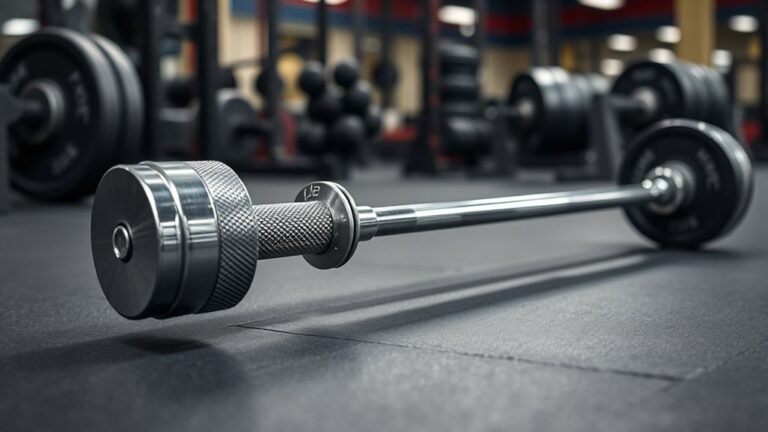
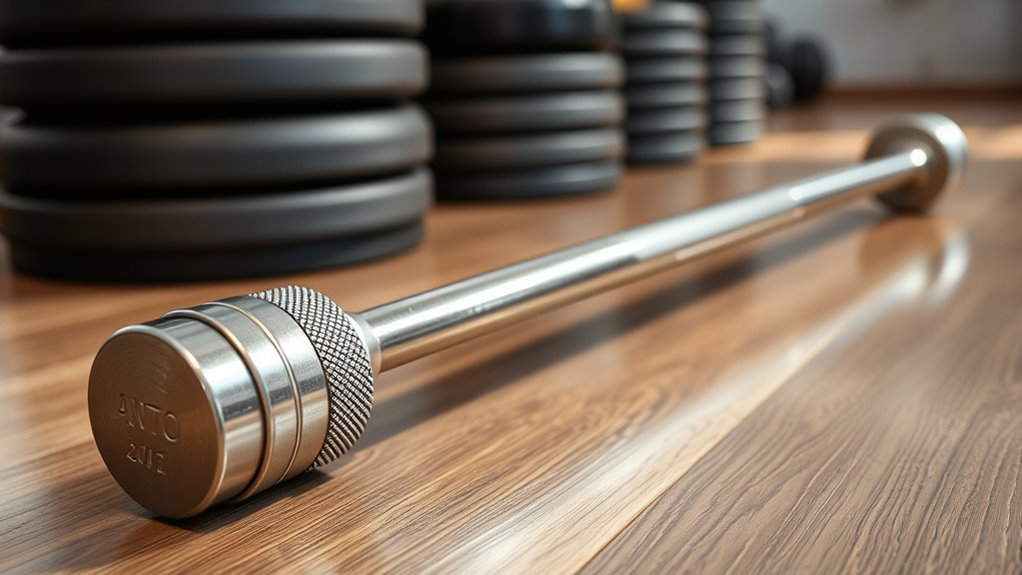
A standard gym bar you’ll find in most gyms typically weighs between 15 to 25 pounds, depending on the type and design.
When we talk about gym bars, the weight can vary quite a bit, especially if you’re comparing regular bars to Olympic bars.
Olympic bars, which are quite common, weigh about 44 pounds (20 kg) and measure roughly 7 feet long.
Women’s bars tend to be lighter, around 33 pounds, and have a smaller diameter, making them easier to handle.
Specialty bars, on the other hand, vary widely in weight depending on their specific use.
Understanding these differences helps you pick the right bar for your workouts and lifting goals.
There’s plenty more to explore about bar types and their uses, so getting familiar with these basics is a great place to start!
Key Takeaways
– Standard gym bars typically weigh between 15 to 25 pounds, depending on size and material. Most standard bars measure 5 to 7 feet in length and have about a 1-inch (25mm) diameter.
Unlike Olympic bars, standard bars usually do not have rotating sleeves and are lighter. Weight can vary by manufacturer and bar type, so always check specific bar specifications.
Standard bars are lighter than Olympic bars, which commonly weigh 44 pounds (20 kg). So, if you’re used to Olympic bars, standard ones might feel a bit easier to handle.
Overview of Standard Gym Bars
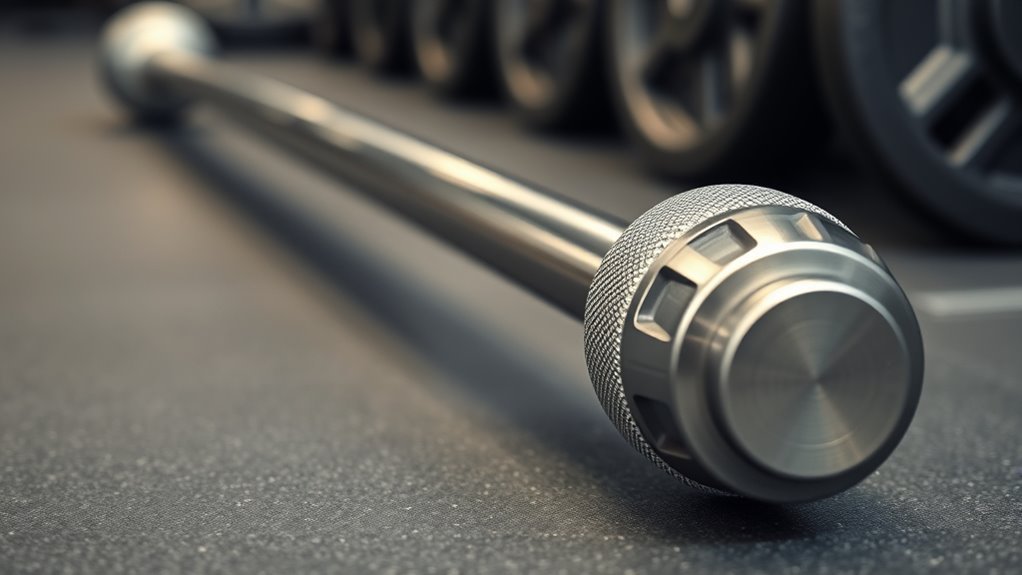
A standard gym bar plays a key role in your strength training routine. You’ll find these bars commonly made from steel, offering durability and a solid grip thanks to knurled patterns along the shaft.
Typically, standard gym bars measure about 5 to 7 feet long and have a diameter close to 1 inch, designed to fit standard weight plates with 1-inch holes. Unlike Olympic bars, they don’t have rotating sleeves, which means you’ll need to control the barbell’s movement more carefully during lifts.
These bars usually weigh around 15 to 25 pounds, making them lighter and easier to handle for beginners or those focusing on general fitness. Knowing the basics of your gym bar helps you choose the right equipment and plan your workouts effectively.
Weight Specifications of Olympic Barbells
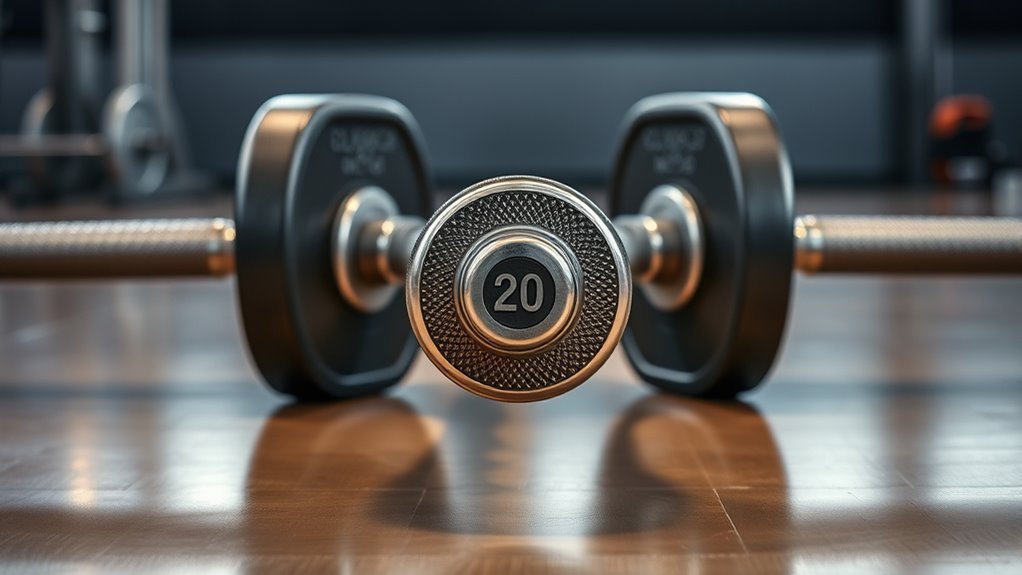
Although Olympic barbells may look similar to standard gym bars, they have distinct weight specifications that cater to serious lifters and competitive athletes. Typically, an Olympic barbell weighs 20 kilograms (44 pounds). This standardized weight guarantees consistency across competitions and training.
The bar itself measures about 7 feet long and features rotating sleeves to reduce torque during lifts. You’ll also notice the bar’s thicker diameter, usually around 28 millimeters, designed for a secure grip and durability.
The weight capacity of Olympic barbells is impressive, often supporting up to 700 pounds or more, which is essential for heavy lifting. When you choose an Olympic barbell, you’re selecting equipment that meets strict standards, ideal for maximizing performance and safety during intense workouts.
Differences Between Men’s and Women’s Bars
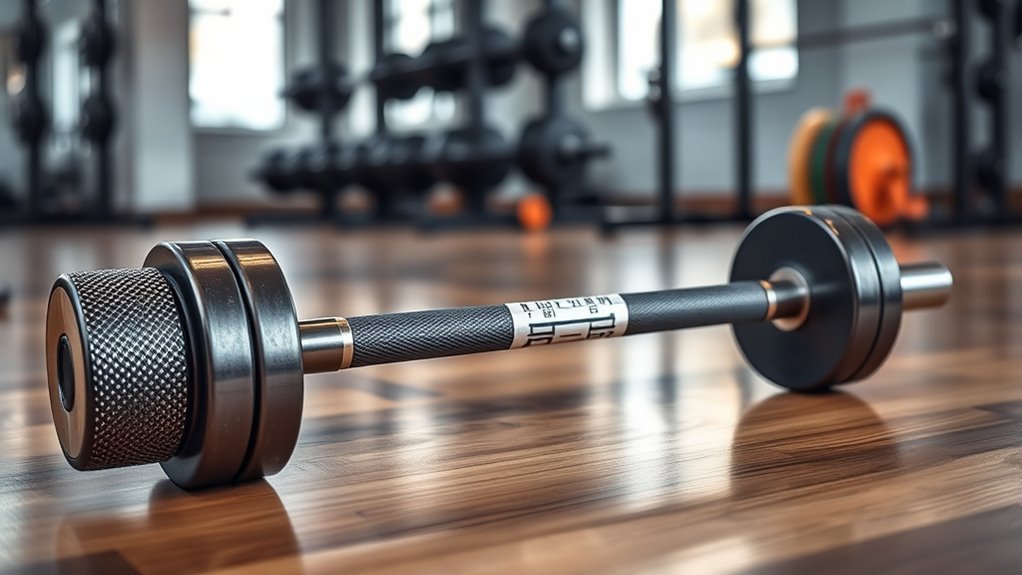
You’ll notice men’s and women’s bars differ in weight, length, and diameter to suit various needs.
The grip size and flexibility also vary to improve handling and performance. Understanding these differences helps you choose the right bar for your workout.
Weight Variations
When choosing between men’s and women’s gym bars, you’ll notice distinct weight differences designed to match strength levels and lifting techniques. Typically, a standard men’s bar weighs about 20 kilograms (44 pounds), while a women’s bar usually weighs 15 kilograms (33 pounds).
This 5-kilogram difference helps accommodate the general strength variations and technique preferences between genders. The lighter women’s bar allows for better control and form, especially when starting out or training for Olympic lifts.
Despite these weight variations, both bars are crafted to meet competition standards and ensure safety. When you select a gym bar, consider how these weight differences impact your workout goals and overall lifting experience.
Choosing the right weight can enhance performance while reducing injury risk. So, pick what feels best for you and your training style!
Length and Diameter
Since men’s and women’s gym bars serve different purposes, their length and diameter vary to match users’ strengths and grip preferences. Men’s bars typically measure about 7 feet long with a diameter around 28mm. This size suits the generally larger hand span and greater upper body strength, giving you a solid grip and control.
Women’s bars are usually shorter, around 6.5 feet, and slimmer, with a diameter near 25mm. This narrower design makes it easier for you to hold onto the bar comfortably and securely. These differences ensure you can perform lifts effectively without strain, matching your physique and grip needs.
Choosing the right bar length and thickness helps you maximize performance and safety during workouts. It really makes a difference when you pick the bar that suits you best.
Grip and Flexibility
Although men’s and women’s gym bars look similar, their grip and flexibility differ considerably to match your training needs. Men’s bars usually have a thicker grip and more aggressive knurling. This provides you with a firmer hold during heavy lifts.
Women’s bars tend to have a slightly smaller diameter and softer knurling. That makes them more comfortable if you have smaller hands or prefer less abrasive contact.
When choosing between the two, consider these factors:
- Grip size: Smaller for women’s bars, aiding control and reducing hand fatigue.
- Knurling texture: More pronounced on men’s bars to prevent slipping under heavy loads.
- Flexibility (whip): Women’s bars often offer slightly more whip, which is beneficial for Olympic lifts that require dynamic movement.
Pick the bar that feels right for your grip and training style. It’s all about what works best for you.
Specialty Bars and Their Weights
If you’re looking to diversify your training, specialty bars offer unique designs that target specific muscle groups or movements. For example, a trap bar typically weighs around 45 to 55 pounds. This lets you perform deadlifts with a neutral grip, reducing strain on your back.
An EZ curl bar usually weighs between 15 and 25 pounds. It’s perfect for isolating your biceps with a comfortable, angled grip.
Safety squat bars weigh about 55 pounds. They add padding and handles to ease the shoulder strain during squats.
You’ll find that Swiss bars, used for pressing, weigh between 25 and 45 pounds. They offer a neutral grip to protect your wrists.
These variations let you tailor your workouts precisely, balancing weight and form for better results. It’s a great way to mix things up and target your muscles more effectively.
Materials and Construction Impact on Bar Weight
When you choose a gym bar, the materials and construction play a critical role in its overall weight and performance. Bars made from high-quality steel tend to be heavier but offer greater durability and strength.
Choosing a gym bar means balancing material quality with weight for durability and strength.
The type of steel, such as stainless or carbon, affects not only weight but also resistance to bending and corrosion. Additionally, the construction method—whether it’s solid forged or welded—impacts how the bar handles stress and its lifespan.
Here’s what you should consider:
- Material Density: Denser metals increase bar weight and sturdiness.
- Knurling and Sleeves: Added components contribute slightly to overall weight.
- Diameter and Length: These dimensions influence the amount of material used, affecting weight directly.
Understanding these factors helps you pick the right bar for your training needs. So, keep them in mind when making your choice!
How to Measure Your Bar’s Weight
Since gym bars can vary slightly in weight due to materials and design, you’ll want to measure your bar accurately to guarantee proper load calculations.
Start by using a reliable scale. If the bar’s too long for your scale, weigh yourself holding the bar, then subtract your body weight.
Alternatively, use a luggage scale by attaching it to one end and lifting the bar.
Here’s a quick way to stay organized and motivated:
| Step | Why It Matters |
|---|---|
| Weigh bar alone | Know exact baseline weight |
| Weigh with plates | Calculate total load |
| Record measurements | Track progress confidently |
Measuring precisely helps you lift smarter and feel more accomplished every session.
Choosing the Right Bar for Your Workout
Choosing the right bar for your workout means understanding the different types available and their weights. You’ll want a bar that matches your fitness goals and the exercises you plan to do.
Let’s explore how bar types and weight considerations affect your training. It’s pretty straightforward once you get the hang of it!
Bar Types Overview
Although there are many types of gym bars available, you’ll want to pick one that matches your workout goals and experience level. Different bars serve different purposes, so knowing their characteristics helps you train effectively and safely.
Here are three common types to think about:
- Standard Barbell: Great for general strength training, versatile and widely used for exercises like squats, deadlifts, and bench presses.
- Olympic Barbell: Designed for Olympic lifts, it usually weighs 20kg (44 lbs) and features rotating sleeves to reduce wrist strain during explosive movements.
- EZ Curl Bar: Curved to target your biceps and triceps more comfortably, reducing stress on your wrists during curling motions.
Choosing the right bar ensures you optimize your workouts and minimize injury risk. So, pick wisely and get the most out of your training!
Weight Considerations
When you pick a gym bar, its weight plays a crucial role in matching your strength and workout goals. You want a bar that feels manageable yet challenging enough to help you progress.
If you’re new to lifting, starting with a lighter bar allows you to focus on form and avoid injury. More experienced lifters might prefer the standard 20 kg (44 lbs) bar for its balance and durability.
Remember, bars vary—some women’s bars weigh around 15 kg (33 lbs), while specialty bars can be lighter or heavier. Also, consider the total load you plan to lift; the bar’s weight adds to your plates.
Choosing a bar with an appropriate weight ensures your workouts remain effective and safe as you build strength. It’s all about finding that sweet spot that works for you.
Workout Compatibility
Since different workouts target various muscle groups and involve distinct movements, you’ll want to pick a bar that suits the specific exercises you plan to do. Choosing the right bar optimizes your workout efficiency and helps prevent injury.
For example, a standard 45-pound bar works well for general lifting, but specialty bars might better suit specific routines.
Consider these factors when selecting your bar:
- Exercise type: Olympic bars fit squats, deadlifts, and presses; curl bars enhance arm workouts.
- Bar length and diameter: Longer bars allow more grip variety; thinner bars improve grip for smaller hands.
- Weight capacity: Heavier bars handle more plates, essential for progressive overload.
Matching your bar to your workout ensures you train effectively and safely every time.
Common Misconceptions About Barbell Weight
You might assume all gym bars weigh the same, but that’s not the case. Many people think every standard barbell weighs 45 pounds, yet variations exist depending on the type and brand.
Not all gym bars weigh 45 pounds; weights vary by type and brand.
For example, women’s bars typically weigh less, around 33 pounds, and specialty bars can range from 15 to 55 pounds. Another misconception is that Olympic bars and standard bars are interchangeable, but their weights and dimensions differ.
You also might believe that the weight marked on a bar is always exact, but manufacturing tolerances can cause slight differences. Knowing these facts helps you choose the right bar for your workout and avoid misjudging the load you’re lifting.
Always check the specific bar’s specs instead of assuming it matches standard weights. It’s a simple step that can make a big difference in your training.
Frequently Asked Questions
How Does Barbell Weight Affect Lifting Technique and Form?
You’ll notice heavier barbells challenge your technique more, forcing you to tighten your form and engage stabilizing muscles. It really makes you pay attention to every little detail.
Lighter weights, on the other hand, let you focus on perfecting movement patterns without compromising safety or risking injury. It’s a great way to build solid habits before moving up in weight.
Can Barbell Weight Influence Muscle Growth and Strength Gains?
You can boost muscle growth and strength gains by progressively lifting heavier barbells. Studies show that increasing load by 5-10% triggers greater muscle fiber recruitment, accelerating your strength improvements and hypertrophy over time.
It’s pretty straightforward—lifting heavier means your muscles have to work harder. And that extra effort helps them grow stronger and bigger as you keep challenging them. Keep pushing yourself, but remember to increase the weight gradually to avoid injury.
Are There Standard Weights for Bars Used in Powerlifting Competitions?
Yes, powerlifting bars typically weigh 20 kg (44 lbs) for men and 15 kg (33 lbs) for women.
You’ll find these standards guarantee fairness and consistency across competitions worldwide. It helps keep things level so everyone competes under the same conditions.
How Do Temperature and Environment Affect Barbell Weight?
You’d think temperature and environment could shift a barbell’s weight by a ton, but they barely do.
Extreme cold might make metal contract minutely, while moisture can add slight rust weight—nothing enough to break your PRs!
What Maintenance Tips Help Preserve the Barbell’s Weight and Integrity?
You should regularly clean your barbell with a dry cloth and apply light oil to prevent rust. Storing it in a dry place also helps keep it in good shape.
Try to avoid dropping it excessively because that can cause damage. Plus, make sure to check for any signs of wear or damage regularly.
Doing these simple things will help keep your barbell’s weight and integrity intact for a long time. It’s all about a little care that goes a long way!
Conclusion
Just like a reliable compass guides your journey, knowing the weight of your gym bar steers your workout in the right direction. Whether you pick a sturdy Olympic bar or a specialty one, understanding its weight helps you lift with confidence and precision.
Remember, the bar isn’t just metal—it’s the foundation of your progress. Choose wisely, measure carefully, and let every lift symbolize your strength and dedication.
Your gains start with the right bar in your hands. Knowing the standard gym bar weight is key to tracking your progress and setting realistic goals. So, before you load up those plates, make sure you know exactly how heavy your bar is. That way, every rep counts toward building the muscle and endurance you want. In the end, the right gym bar weight isn’t just a detail—it’s the cornerstone of your workout success.