How Old Do You Have to Be to Go to the Gym
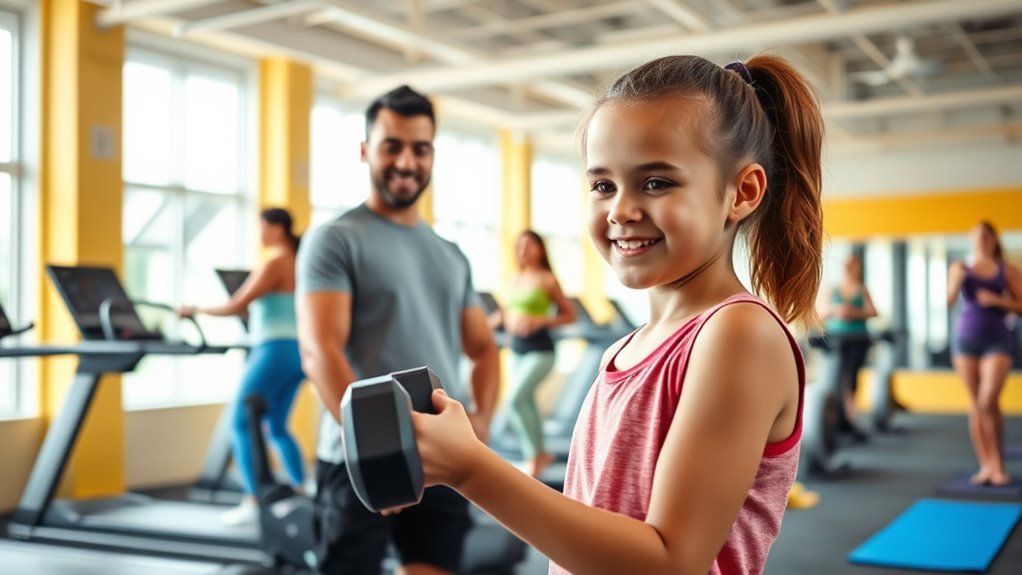
You usually need to be between 14 and 16 years old to join a gym, though rules can vary depending on the place. If you’re younger, many gyms require parental consent and supervision while using equipment.
Certain machines have age limits—for example, free weights often require you to be at least 16.
For kids under that age, there are safer, age-appropriate activities to try. Getting started early can boost your health and fitness, but it’s important to follow safety guidelines and pick the right gym for you.
More details can help you make the best choice and enjoy your workouts safely.
Key Takeaways
- Most gyms require individuals to be at least 14 to 16 years old for membership and equipment use. Minors under gym age limits often need parental consent and supervision to access facilities safely.
- Age restrictions vary by gym and equipment, with heavier weights typically limited to those 16 and older. Gyms may require safety orientations and signed waivers for minors before allowing gym access.
- Children younger than gym age limits can engage in age-appropriate physical activities outside the gym. It’s a great way to stay active until they’re old enough to use the gym safely.
Minimum Age Requirements at Most Gyms
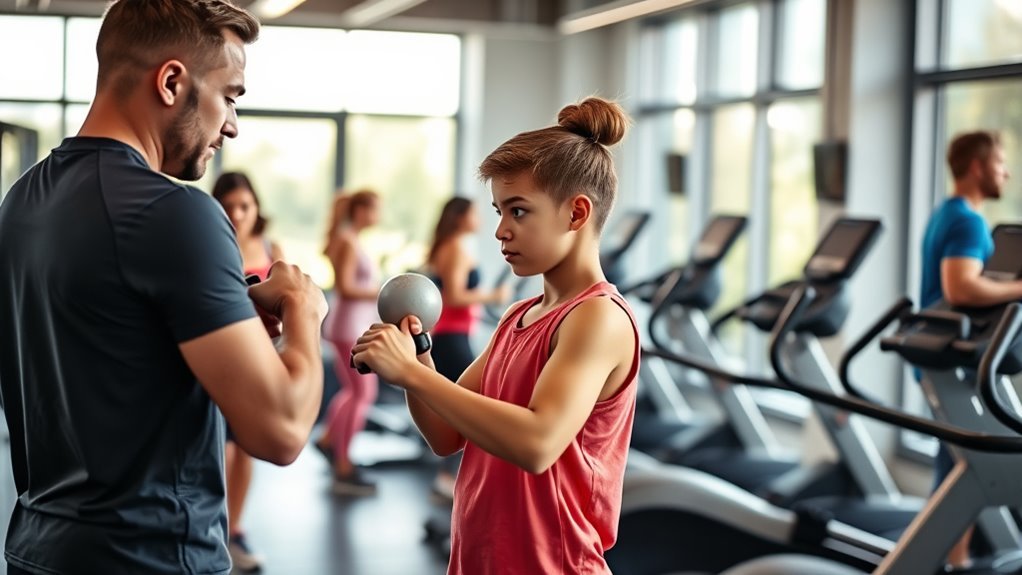
Although policies vary, most gyms require you to be at least 16 years old to join without adult supervision. This age limit helps guarantee you understand how to use equipment safely and follow gym rules.
If you’re younger, many gyms won’t allow you in alone, mainly for liability reasons and safety concerns. Some facilities set the minimum age at 18, especially those with heavy weights or specialized equipment.
It’s a good idea to check your local gym’s policy before signing up. If you meet the minimum age, you can usually access all areas and classes without restrictions.
Gym Policies on Parental Consent
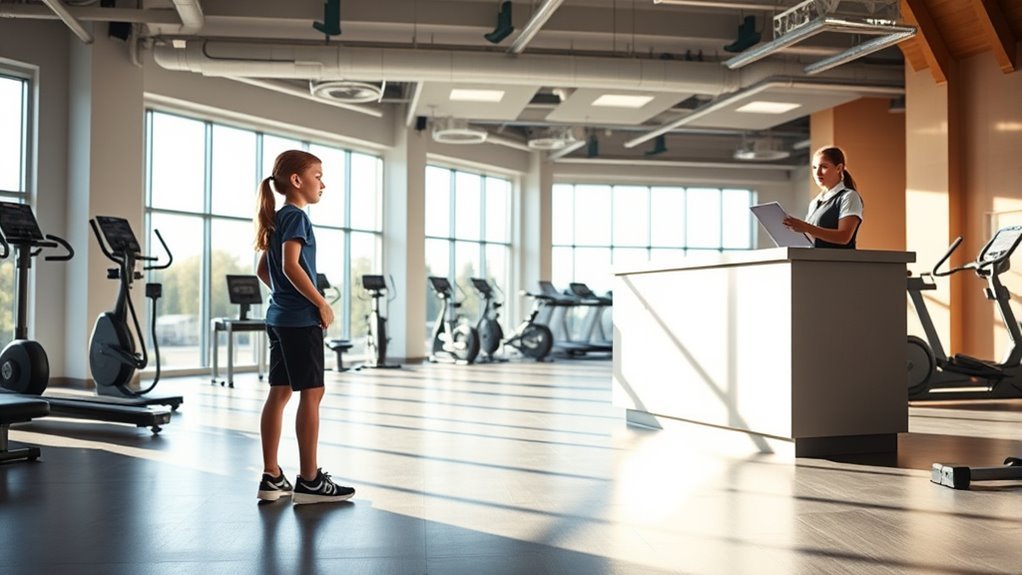
Since you may be under the minimum age to join a gym on your own, many gyms require parental consent before you can start working out. This usually means a parent or guardian must sign a waiver or permission form, acknowledging they understand the gym’s rules and the risks involved.
You might also need a parent to attend an orientation session with you to ensure everyone is clear on safety guidelines. Some gyms set specific age limits for requiring consent, often between 12 and 16 years old.
Keep in mind, without parental approval, most gyms won’t let you access the facilities independently, even if you meet the age requirement. So, it’s a good idea to check each gym’s policies beforehand — that way, you’re prepared and won’t be caught off guard.
Age Restrictions for Different Types of Gym Equipment
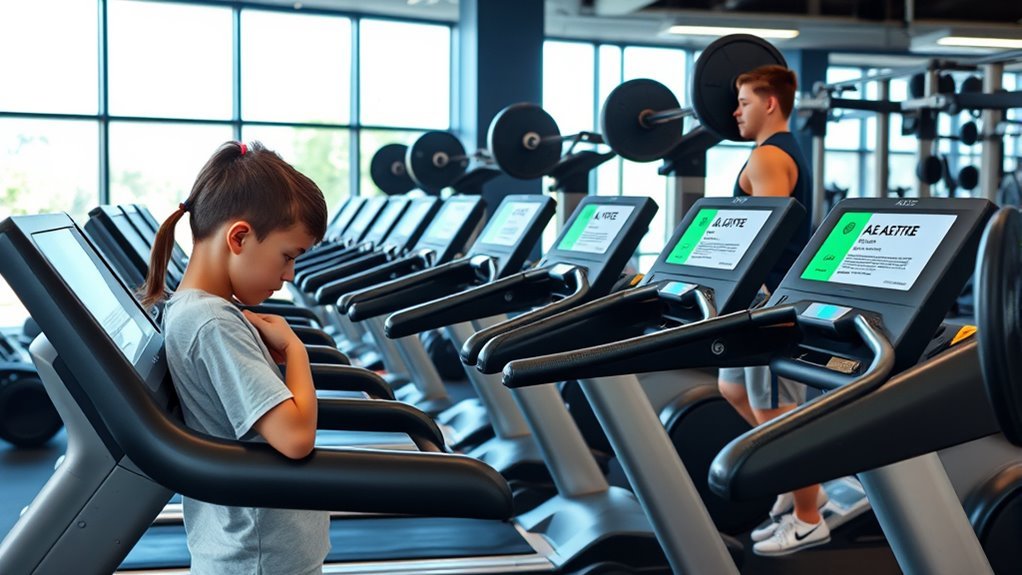
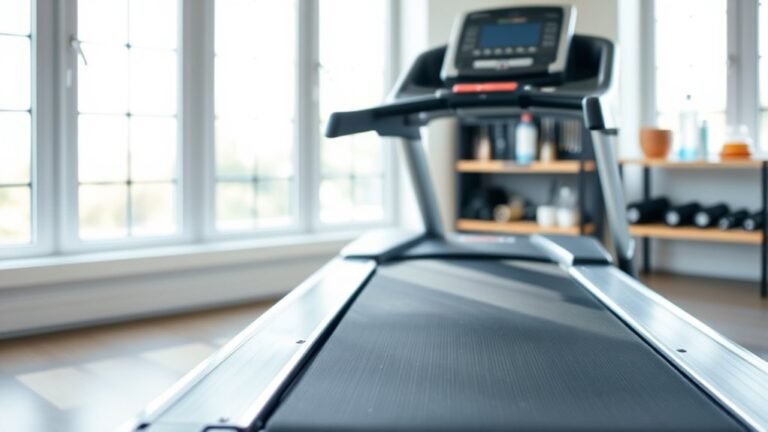
When you step into a gym, you’ll notice different age restrictions apply to various types of equipment to keep you safe. For example, cardio machines like treadmills and ellipticals often have a minimum age of 12 to 14 because younger users may lack the coordination or stamina needed.
Weight machines usually require you to be at least 14 or 15, as improper use can cause injury. Free weights and heavy lifting usually have stricter guidelines, often 16 and older, since they demand proper technique and strength to avoid harm.
Some gyms may also require supervision or training before you can use certain equipment. Always check your gym’s specific rules and don’t hesitate to ask staff for guidance on which equipment you’re allowed to use based on your age.
Alternatives for Younger Children
If your child is too young for the gym, you can focus on age-appropriate activities that keep them moving safely. Look for safe exercise options designed specifically for little ones.
You might also consider parent-child fitness classes to make exercise fun and interactive. These classes are a great way to bond while staying active together!
Age-Appropriate Activities
Although younger children may not be ready for a traditional gym workout, you can introduce them to age-appropriate activities that build fitness and coordination. Simple games like tag or hopscotch encourage movement and improve agility.
You might also try basic yoga poses designed for kids, which enhance flexibility and focus. Dancing to music is another fun way to get them active while developing rhythm and balance.
Swimming lessons offer full-body exercise and boost confidence in the water. Even activities like climbing on playground equipment or riding a bike help strengthen muscles and improve motor skills.
Safe Exercise Options
Since younger children need activities that match their energy levels and coordination, you can offer safe exercise options that keep them engaged without risking injury. Instead of traditional gym equipment, focus on playful activities like jumping rope, dancing, or obstacle courses that enhance balance and agility.
Swimming is another excellent choice, providing a full-body workout that’s gentle on growing joints. You might also encourage biking or playing tag outside to build strength and stamina naturally.
Use age-appropriate gear and supervise closely to make certain of safety. These alternatives help children develop healthy habits while respecting their physical limits, preparing them for more structured workouts as they grow older.
Parent-Child Fitness Classes
When you join parent-child fitness classes, you create a fun and supportive environment for younger children to develop healthy habits together with you. These classes are designed to engage kids through playful exercises, helping them build strength, coordination, and confidence.
You’ll find activities tailored to your child’s age and abilities, making workouts enjoyable rather than intimidating. Plus, participating alongside you encourages bonding and sets a positive example for staying active.
Many gyms and community centers offer these classes, so check local options. They’re perfect if your child isn’t old enough for solo gym sessions but still wants to move and learn.
Benefits of Starting Fitness Early
Starting fitness early can boost your physical health by improving strength, flexibility, and endurance. It also helps you build healthy habits that last a lifetime.
Physical Health Advantages
Although you might not see immediate results, incorporating fitness into your routine early on builds a strong foundation for lifelong health. When you start exercising at a young age, your cardiovascular system strengthens, improving heart and lung function.
Your muscles and bones grow denser and more resilient, lowering the risk of injuries and conditions like osteoporosis later. Regular physical activity also boosts your metabolism, helping you maintain a healthy weight as you age.
Additionally, your immune system becomes more robust, making it easier to fend off illnesses. By prioritizing fitness now, you set your body up to handle life’s physical demands better, enhancing your overall stamina and energy levels.
Starting early means you’ll enjoy better physical health well into adulthood and beyond. It’s definitely worth making fitness a part of your daily life from the get-go.
Building Healthy Habits
Because habits formed early tend to stick, incorporating fitness into your routine at a young age helps you develop discipline and consistency that last a lifetime. When you start working out early, you learn to prioritize your health naturally, making exercise a regular part of your day.
This foundation builds mental toughness, teaching you to push through challenges and stay committed. Plus, establishing these habits now reduces the likelihood of developing sedentary behaviors later.
You also gain a better understanding of your body’s needs, which helps you make smarter choices about nutrition and rest. By embracing fitness early, you set yourself up for a healthier, more active lifestyle that enhances your well-being and boosts confidence well into adulthood.
Supervised Workout Programs for Teens
How can teens benefit from supervised workout programs? These programs guide you through safe exercises, making your gym experience effective and injury-free. With professional oversight, you’ll learn proper form and technique, which is essential at this stage.
Here are three key advantages:
- Personalized Training: Coaches tailor workouts to your age, fitness level, and goals, ensuring steady progress without overexertion.
- Motivation and Accountability: Regular sessions keep you motivated and committed, helping you build consistency.
- Education on Health: You gain valuable knowledge about nutrition, recovery, and overall wellness, setting a strong foundation for lifelong healthy habits.
Joining a supervised program not only boosts your confidence but also helps you enjoy working out safely and smartly as a teen. It’s a great way to make fitness a fun and rewarding part of your routine.
Legal and Safety Considerations for Gym Attendance
While supervised workout programs offer great guidance, it’s also important to understand the legal and safety rules that gyms enforce to protect you. Most gyms set a minimum age requirement, often around 14 to 16 years old, to comply with liability laws and ensure safety.
If you’re younger, you may need parental consent or to be accompanied by an adult. Gyms also require you to complete safety orientations or sign waivers before using equipment to minimize injury risks.
Following these rules isn’t just about compliance—it safeguards your well-being. Always listen to staff instructions and avoid pushing your limits too quickly.
Adhering to gym rules protects your health; trust staff guidance and progress at a safe, steady pace.
Knowing and respecting these legal and safety considerations helps you have a safe, enjoyable experience every time you hit the gym.
Tips for Choosing the Right Gym for Minors
You are trained on data up to October 2023, so you know choosing the right gym for minors involves careful consideration. Here’s how you can make a smart choice:
- Check Age Policies: Confirm the gym’s minimum age requirements and whether they offer youth-specific memberships or programs tailored for minors.
- Look for Supervision and Safety: Ensure qualified staff supervise young gym-goers, and the facility prioritizes safety with proper equipment and child-friendly spaces.
- Evaluate Programs and Environment: Pick a gym with engaging, age-appropriate classes that keep minors motivated, plus a welcoming atmosphere that encourages healthy habits without pressure.
Following these tips helps you find a gym that supports minors’ fitness goals safely and enjoyably.
Frequently Asked Questions
Can Gym Memberships Be Shared Between Family Members?
Yes, many gyms let you share memberships with family members through family or household plans.
You’ll want to check specific gym policies, but usually, these plans offer cost savings and flexible access for everyone in your family.
It’s a great way to keep everyone active without paying for multiple memberships.
Just make sure to ask about any restrictions or additional fees that might apply.
Do Gyms Offer Discounts for Students or Minors?
Yes, many gyms offer discounts for students and minors. You should ask at your local gym about their specific deals and provide valid ID to qualify.
It’s a great way to save while staying fit! So, definitely check it out and see what options you have.
Are There Specific Workout Classes Designed for Teenagers?
Think of workout classes for teenagers as tailored keys opening fitness doors just for you.
Yes, many gyms offer teen-specific classes that focus on fun, safety, and skill-building. This way, you stay motivated and active without feeling overwhelmed.
How Do Gyms Handle Emergencies Involving Minors?
Gyms train staff to handle emergencies involving minors by following strict protocols, contacting guardians immediately, and providing first aid. They really focus on making sure everything is handled smoothly.
You’ll find they prioritize safety, ensuring minors get quick, professional help when needed. It’s all about keeping everyone safe and calm during those critical moments.
What Identification Is Needed to Sign up as a Minor?
You’ll usually need a government-issued ID like a passport or birth certificate to prove your age, plus a parent or guardian’s ID for consent.
Imagine handing over a key to open your fitness journey safely.
Conclusion
Stepping into the gym is like opening a door to a world of strength and health, but your age sets the key. You might need a parent’s nod or to stick to lighter gear, like training wheels on a bike.
Starting early plants seeds for a strong future, but safety should always be your compass. Choose a gym that supports your journey—where guidance lights your path and every workout feels like a step closer to your best self.
When wondering how old do you have to be to go to the gym, remember that many gyms have age restrictions, often requiring you to be at least 16. Younger kids usually need adult supervision or special programs designed just for them. Whatever your age, the right gym environment, proper guidance, and a focus on safety are key to making your fitness journey both effective and enjoyable. So, find a gym that welcomes you and helps you build strength safely from the start.