How Long Do Treadmills Last and How to Maximize Their Lifespan
You can expect your treadmill to last between 5 and 15 years, depending on whether it’s manual, motorized, or commercial-grade. The lifespan varies because each type has different parts and usage levels. Knowing what kind of treadmill you have helps you understand how long it might last.
To maximize its lifespan, use it within weight limits, keep the belt centered, and lubricate it regularly. Performing routine maintenance like tightening bolts and cleaning also plays a big role. These simple steps can prevent bigger problems down the road.
Watch for unusual noises or wear to catch issues early. If something sounds off or the belt looks worn, don’t ignore it. Taking these steps helps your treadmill run smoothly longer—and there’s plenty more to learn about keeping it in top shape.
Key Takeaways
- Motorized treadmills typically last 7-12 years, while manual models last around 5-7 years with proper care.
- Regular lubrication every 3-6 months reduces friction, which helps prolong the belt and motor life. It’s a simple step that makes a big difference.
- If you notice unusual noises, belt wear, or drops in performance, address them promptly. This can help you avoid costly repairs down the line.
- Keeping your treadmill clean, tightening bolts, and monitoring belt alignment are key for smooth and safe operation.
- When repair costs start to approach half the price of a new treadmill, or if performance drops significantly, it might be time to replace it.
Average Lifespan of Different Types of Treadmills

Although treadmill lifespans vary, understanding the average durability of different types can help you make a smarter purchase.
Manual treadmills, which rely on your own movement, typically last around 5 to 7 years. They have fewer mechanical parts that wear out, so they tend to hold up pretty well.
Manual treadmills usually last 5 to 7 years thanks to fewer mechanical parts wearing out.
Motorized treadmills generally have a shorter lifespan, averaging 7 to 12 years. Of course, this depends a lot on the build quality and how often you use them.
Commercial-grade treadmills, designed for gyms, often last 12 to 15 years. That’s because they have robust components and heavy-duty construction built to handle frequent use.
If you’re looking for longevity, investing in a commercial-grade or high-end motorized treadmill is usually worthwhile. Knowing these averages helps you set realistic expectations and choose the right treadmill that fits your budget and workout needs.
Factors That Affect Treadmill Durability

Since you rely on your treadmill for regular workouts, understanding what affects its durability can help you extend its lifespan. Several key factors influence how long your treadmill lasts, including usage frequency, maintenance habits, and build quality.
Using it excessively without breaks or proper care wears down components faster. Regular lubrication and cleaning prevent premature wear. Also, higher-quality treadmills with sturdy motors and frames naturally last longer.
| Factor | Impact on Durability |
|---|---|
| Usage Frequency | More use means more wear and tear |
| Maintenance | Proper care prevents breakdowns |
| Build Quality | Strong materials increase lifespan |
Signs Your Treadmill Needs Repair or Replacement
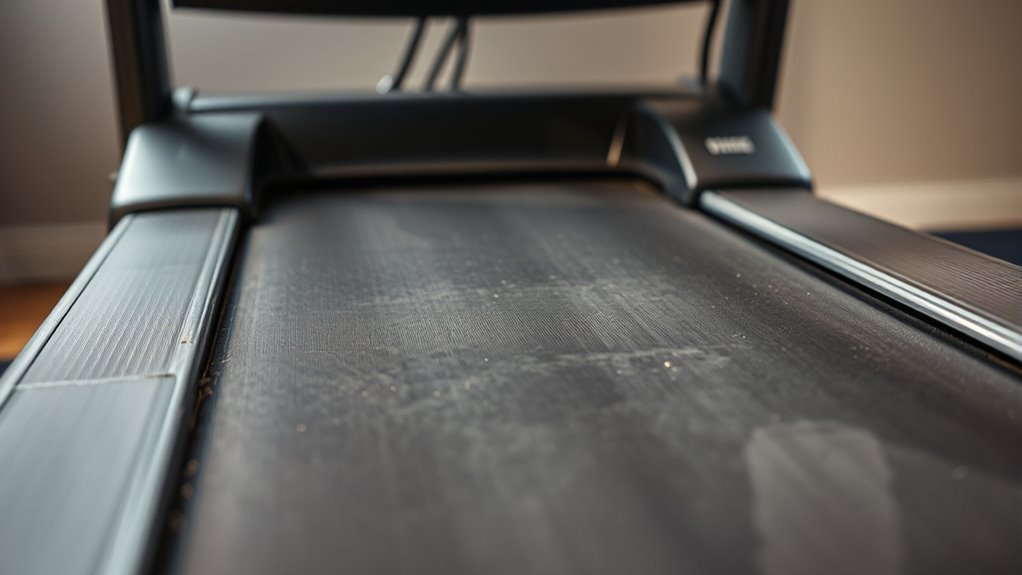
You’ll want to watch for unusual noises that your treadmill starts making during use. If it’s struggling to maintain speed or performance feels off, that’s a clear sign something’s wrong.
Also, check for visible wear and tear that could affect safety and functionality. It’s better to catch these issues early than to risk injury or further damage. Keep an eye on how it feels when you’re running or walking—any changes might mean it’s time for a repair or replacement.
Unusual Noises Detection
How can you tell when your treadmill is about to break down? One key sign is unusual noises. If your treadmill starts making sounds it never did before, don’t ignore them.
Here’s what to listen for:
- Squeaking or squealing – Often means the belt needs lubrication or adjustment.
- Grinding or rattling – Could indicate worn bearings or motor issues.
- Thumping or banging – May signal a loose or misaligned belt or deck.
- Buzzing or humming – Might point to electrical or motor problems.
Catching these noises early helps you fix small problems before they turn into costly repairs or replacement. So, stay alert and maintain your treadmill regularly to keep it running smoothly.
Performance and Speed Issues
Why does your treadmill suddenly struggle to maintain speed or perform as it used to? This often signals worn-out components like the motor, belt, or rollers.
If your treadmill slows down unexpectedly or can’t reach its normal top speed, it’s time to check for motor issues or belt slippage. Inconsistent speed can also result from a failing control board or power supply problems.
Ignoring these signs can lead to further damage or safety risks. Regularly calibrate your treadmill and keep the belt properly tensioned to avoid these issues.
If performance problems persist despite maintenance, it might be more cost-effective to replace the machine rather than repair it. Pay close attention to speed and performance fluctuations—they’re key indicators your treadmill needs attention.
Visible Wear and Tear
Although small scratches and scuffs may seem harmless, visible wear and tear on your treadmill can indicate deeper issues that affect its safety and performance.
Ignoring these signs could lead to costly repairs or even injury. So, it’s important to keep an eye out for:
- Worn-out belt: Fraying or thinning can cause slipping and reduce workout quality.
- Cracked or loose rollers: These can create uneven belt movement and noisy operation.
- Damaged deck: Splits or warps in the deck affect stability and increase impact on joints.
- Loose bolts or frame parts: They compromise the treadmill’s structural integrity and safety.
If you notice any of these, it’s time to repair or consider replacing your treadmill. That way, you can maintain a safe and effective workout environment.
Routine Maintenance Practices for Treadmills
Since you use your treadmill regularly, keeping up with routine maintenance is essential to prolong its lifespan and guarantee smooth performance. Start by wiping down the console, handrails, and belt after each use to prevent dust and sweat buildup. This buildup can damage electronics and materials, so it’s a good habit to get into.
Check the treadmill belt and deck for any signs of wear or misalignment. Make sure to tighten bolts or screws as needed to maintain stability—this helps keep your treadmill running safely and smoothly.
Inspect the power cord for frays or damage to avoid electrical hazards. It’s important to catch these issues early to prevent any accidents.
Keep the treadmill in a clean, dry area to minimize dust accumulation and moisture exposure. This simple step can make a big difference in how long your machine lasts.
Finally, regularly monitor the motor area for dust and debris. If possible, gently vacuum around it to ensure proper ventilation and prevent overheating. Taking these small maintenance steps will keep your treadmill in great shape for years to come.
How to Properly Lubricate Your Treadmill Belt
To keep your treadmill running smoothly, you need to choose the right lubricant and apply it correctly.
I’ll walk you through the step-by-step lubrication process so you don’t miss any important details. Plus, I’ll share tips on how often you should lubricate to extend your treadmill’s lifespan.
Choosing the Right Lubricant
How do you guarantee your treadmill runs smoothly and lasts longer? Choosing the right lubricant is key. Not all lubricants are created equal, so pick one designed specifically for treadmills.
Here’s how to decide:
- Check your manual – It often recommends the best lubricant type.
- Opt for silicone-based lubricants – They reduce friction without damaging the belt.
- Avoid petroleum-based products – They can degrade the belt material.
- Choose a lubricant with the right viscosity – Too thick or too thin won’t protect effectively.
Using the appropriate lubricant keeps the belt moving freely, reduces motor strain, and prevents wear. This simple step can extend your treadmill’s life and ensure a smoother workout every time.
Step-by-Step Lubrication Process
Applying the right lubricant is only part of the equation; knowing exactly how to lubricate your treadmill belt guarantees the best results. First, unplug your treadmill for safety.
Next, lift the belt gently to expose the deck underneath. Apply a thin, even line of lubricant along the deck’s center, avoiding excess. Then, lower the belt carefully.
Manually rotate the belt to spread the lubricant evenly. Plug the treadmill back in and run it at a slow speed (around 2 mph) for 5 minutes to further distribute the lubricant.
Finally, wipe away any excess lubricant around the edges to prevent debris buildup. Following these steps helps reduce friction and prolongs your treadmill’s life, so you get consistent, smooth workouts every time.
Lubrication Frequency Tips
Since regular maintenance keeps your treadmill running smoothly, knowing when to lubricate the belt is essential. Proper lubrication reduces friction and extends your treadmill’s lifespan.
Here are some frequency tips to help you keep on track:
- Check your manual: Follow the manufacturer’s recommended lubrication schedule, usually every 3 to 6 months.
- Consider usage: If you use your treadmill daily or for long sessions, lubricate more often, around every 2 to 3 months.
- Listen and feel: If you notice squeaking or the belt feels dry or stiff, it’s time to lubricate regardless of the schedule.
- Environment matters: Dusty or dry environments may require more frequent lubrication to prevent wear.
Stick to these tips, and your treadmill will reward you with a longer, smoother life. Easy, right? Just a little attention goes a long way!
Tips for Extending the Life of Your Treadmill Motor
Although your treadmill motor is built to last, regular care can substantially extend its lifespan. First, keep it clean—dust and debris can clog the motor’s cooling vents, causing it to overheat. Use a soft cloth to wipe down the motor housing regularly.
Also, make sure your treadmill has proper ventilation to help dissipate heat efficiently. Avoid placing it in cramped or poorly ventilated areas.
Next, check the motor belt for wear and tension. A loose or worn belt forces the motor to work harder, which can shorten its life.
Finally, listen for unusual noises or vibrations. These could be early signs of motor issues. If you notice anything off, get it checked out by a professional promptly to prevent costly damage.
Taking these simple steps can keep your treadmill running smoothly for years. It’s definitely worth the little extra effort!
The Importance of Proper Usage and Weight Limits
When you use your treadmill correctly and stay within its weight limits, you help make certain it performs well and lasts longer. Overloading your treadmill can strain the motor and belt, causing premature wear. Proper usage also means following the manufacturer’s guidelines to avoid unnecessary damage.
Using your treadmill within weight limits ensures better performance and longer lifespan while preventing damage.
Here are four key points to keep in mind:
- Always check the maximum user weight specified by the manufacturer.
- Avoid abrupt starts or stops; use a gradual pace for warm-up and cool-down.
- Don’t use the treadmill for activities it wasn’t designed for, like heavy jogging if it’s meant for walking.
- Keep the belt centered and properly lubricated to reduce friction.
Just remember, treating your treadmill right not only keeps it running smoothly but also makes your workouts safer and more effective. So, take a little extra care—it really pays off!
When to Upgrade: Knowing the Right Time to Buy a New Treadmill
You’ll know it’s time to upgrade your treadmill if it starts making unusual noises, the belt slips frequently, or the motor struggles to keep up with your workouts. These signs indicate wear that repairs can’t fully fix.
If you notice inconsistent speed or the console malfunctions regularly, it’s a clear signal to contemplate a replacement. Also, if your treadmill no longer supports your fitness goals—maybe you need a faster motor or a larger running surface—upgrading makes sense.
Don’t wait for a complete breakdown; investing in a new treadmill can save you money and frustration long-term. When maintenance costs approach half the price of a new model, it’s smarter to buy new.
Pay attention to these signs, and you’ll know exactly when to upgrade.
Frequently Asked Questions
Can Treadmill Use Improve My Cardiovascular Health?
Yes, using a treadmill regularly can boost your cardiovascular health by improving heart strength, increasing endurance, and enhancing blood circulation.
Just stay consistent, vary your workouts, and gradually increase intensity to see the best results. It’s all about keeping at it and mixing things up a bit to keep your body challenged.
Are Treadmills Better Than Outdoor Running for Weight Loss?
Treadmills aren’t necessarily better than outdoor running for weight loss—you’ll burn calories effectively with both.
Choose what keeps you consistent and motivated. Treadmills offer convenience; outdoor runs provide fresh air and varied terrain.
It really comes down to what you enjoy more. Stick with that, and the results will follow!
What Is the Best Treadmill Brand for Beginners?
Coincidentally, NordicTrack’s beginner models combine ease and quality perfectly. You’ll find intuitive controls and durability, so you won’t struggle starting out.
Plus, their support helps you stay motivated and confident while learning the ropes. It’s like having a coach by your side from day one.
How Much Space Do I Need for a Treadmill at Home?
You’ll need about 7 feet long and 3 feet wide for the treadmill itself, plus at least 2 feet of clearance on each side and behind for safety and easy access.
Make sure the ceiling’s tall enough too! It’s super important so you don’t hit your head while running.
Also, having a bit of extra space around helps with getting on and off comfortably. Trust me, it makes a big difference!
Can Treadmill Workouts Help With Joint Pain Relief?
About 75% of people with joint pain find treadmill workouts helpful. You’ll enjoy low-impact exercise that strengthens muscles and improves mobility.
This helps ease discomfort while protecting your joints better than many other workouts. It’s a great way to stay active without overloading your joints.
Conclusion
Treadmills typically last between 7 to 12 years, but with proper care, you can stretch that lifespan even further. Did you know regular maintenance can boost your treadmill’s durability by up to 30%?
By keeping up with routine lubrication, monitoring usage, and respecting weight limits, you’ll avoid costly repairs and enjoy smoother workouts. It really pays off to stay on top of these simple tasks.
So, take good care of your treadmill—it’s an investment that pays off in both health and savings! Proper treadmill maintenance not only extends the life of your machine but also ensures it runs efficiently and safely. Remember, a well-maintained treadmill means more consistent workouts and fewer unexpected breakdowns, making your fitness journey smoother and more enjoyable.