How Vibration Plates Can Be Used Safely on Carpeted Floors
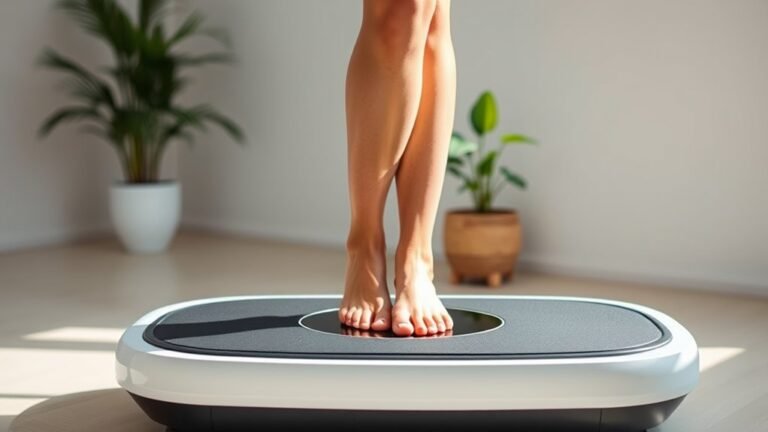
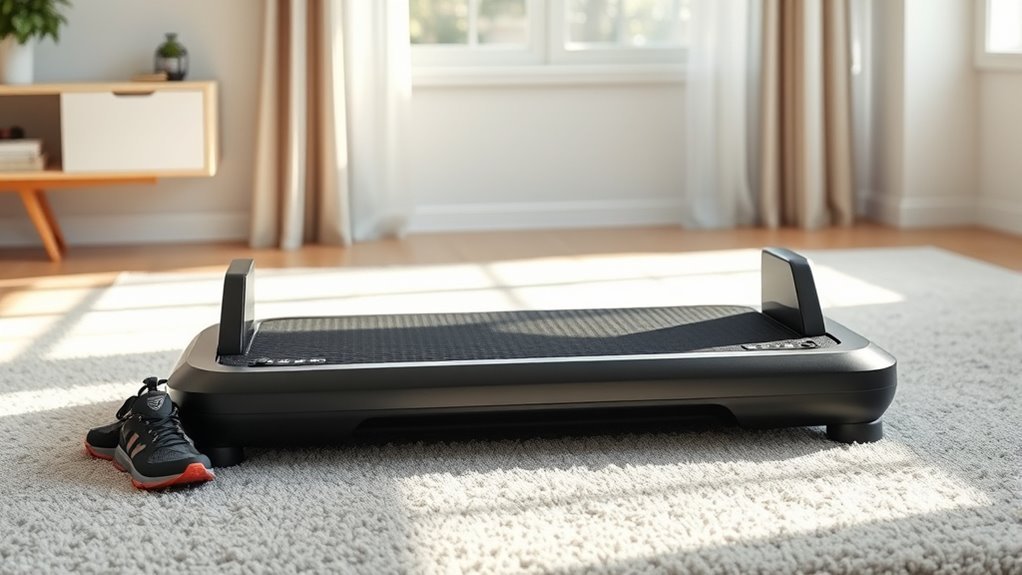
You can safely use vibration plates on carpeted floors by placing them on a flat, firm area. Using a high-density protective mat helps prevent slipping and reduces vibration loss, making your workout more effective.
Choose a heavier plate with a wide, stable base or adjustable feet for better balance. This helps the plate stay steady even on softer carpet surfaces.
You might want to increase intensity or session length to counteract the carpet’s softness.
Also, keep the space around your plate clear to avoid accidents and ensure safety.
With these simple tips, you can get the most from your vibration plate workouts right on your carpeted floor. Give them a try and enjoy a safer, more effective exercise experience!
Key Takeaways
- Place the vibration plate on a firm, level section of carpet to prevent wobbling and ensure stable support during use. This helps keep the plate steady so you can work out safely.
- Use a high-density protective mat beneath the plate to improve grip, reduce shifting, and protect the carpet. It’s a simple step that really makes a difference in stability.
- Choose vibration plates with wide, non-slip bases or adjustable feet for better stability on carpeted surfaces. These features help the plate stay put while you’re using it.
- Increase vibration frequency or session duration to compensate for the vibration dampening effect of carpet fibers. Just remember to listen to your body and avoid overdoing it.
- Maintain clear space around the plate and avoid high-traffic areas to minimize hazards and ensure safe mounting and dismounting. This way, you can move on and off the plate without any trouble.
Understanding the Impact of Carpet on Vibration Plates
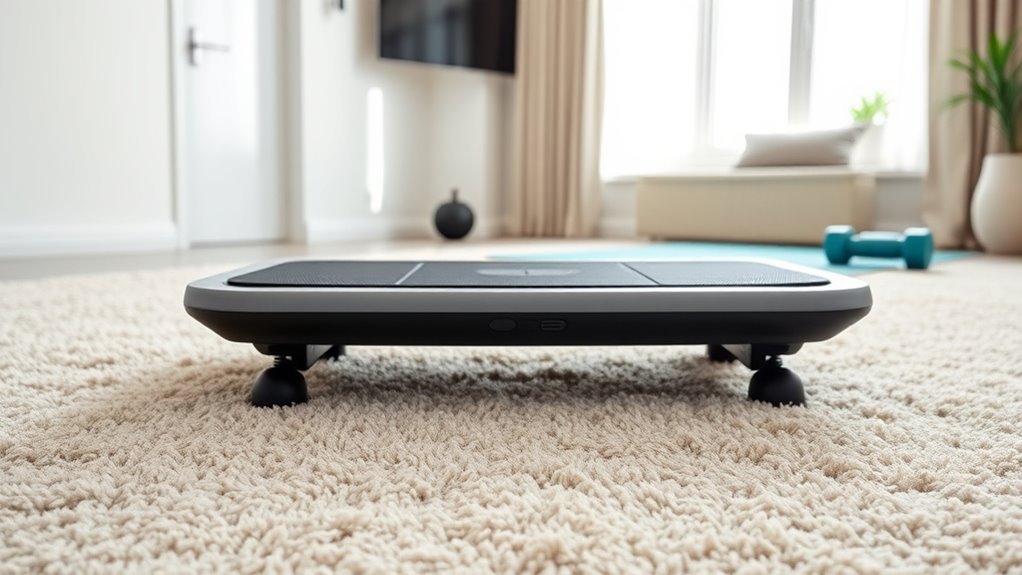
Although vibration plates are designed to deliver consistent motion, placing them on carpeted floors can alter their effectiveness. When you use a vibration plate on carpet, the soft surface absorbs some of the vibrations, reducing the intensity reaching your muscles.
This means you might not get the full benefit of your workout. Additionally, the uneven support can cause the plate to wobble or shift during use, affecting stability and safety.
The carpet fibers may also interfere with the machine’s sensors or vibration mechanisms, potentially leading to inconsistent performance. To get the most from your vibration plate, it’s important to understand how carpet impacts its function.
That way, you can adjust your setup or routine accordingly and avoid frustration or injury.
Choosing the Right Vibration Plate for Carpeted Surfaces
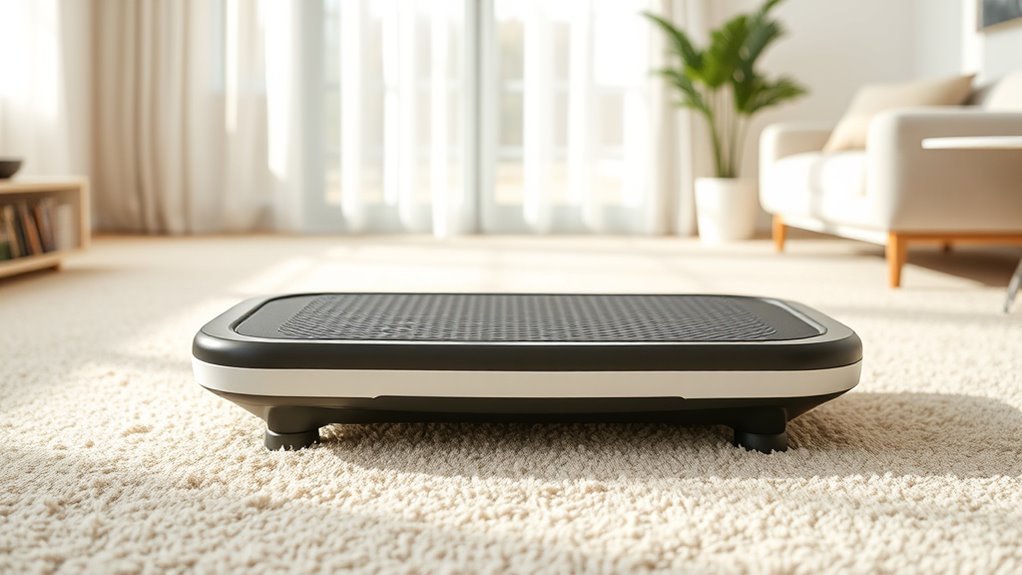
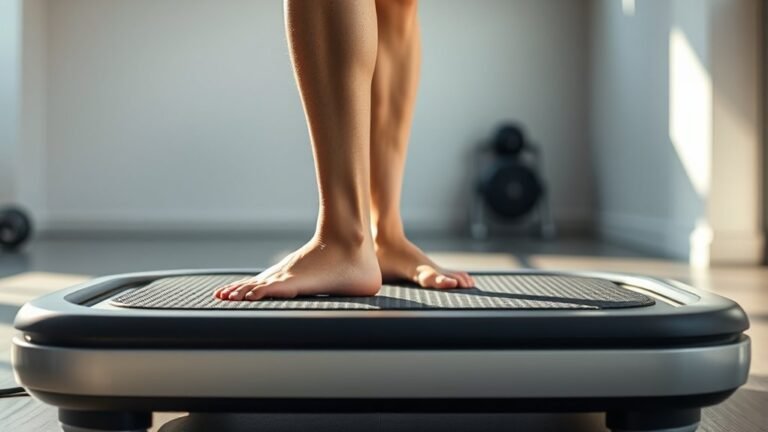
When you plan to use a vibration plate on a carpeted floor, selecting one designed for stability on soft surfaces is essential. Look for models with wider, non-slip bases that prevent sinking or wobbling.
Plates featuring adjustable feet or leveling technology can help maintain balance on uneven carpets. Consider the vibration type too—oscillating plates often distribute force more evenly, reducing instability on plush surfaces compared to linear models.
Weight matters; heavier plates tend to stay steadier on carpets. Also, check the manufacturer’s guidelines to ensure the plate performs well on carpeted floors.
Optimal Placement of Vibration Plates on Carpet
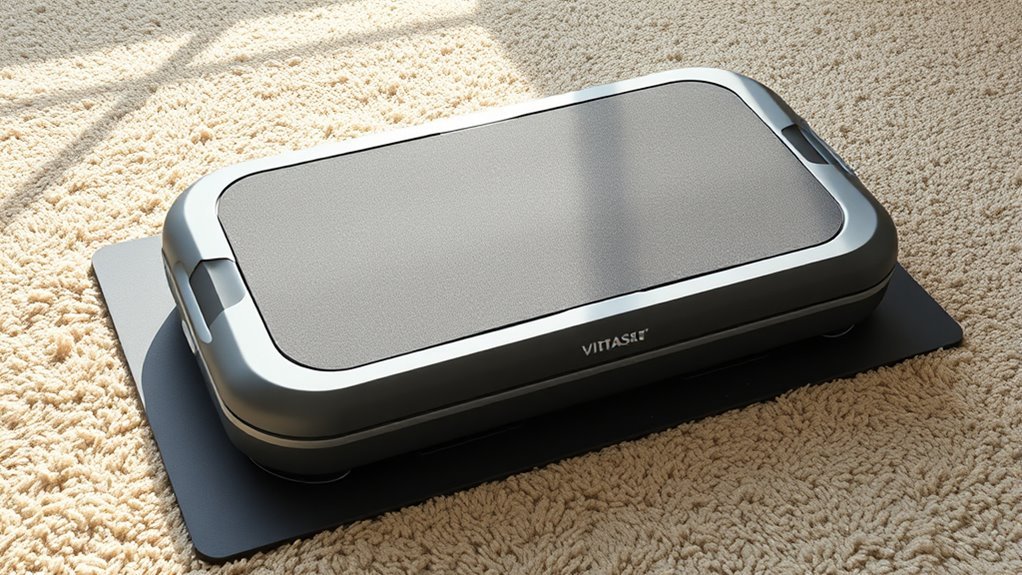
Since carpeted floors can affect the stability and performance of your vibration plate, you’ll want to place it carefully to maximize safety and effectiveness. Start by finding a flat, even surface on your carpet to prevent wobbling.
Next, position the vibration plate where it won’t shift during use—avoid high-traffic spots or areas near furniture. Finally, make certain there’s enough space around the plate for safe mounting and dismounting without tripping hazards.
Here’s a quick checklist for ideal placement:
- Choose a firm, level area on the carpet.
- Keep the plate away from walkways and crowded spaces.
- Allow ample clearance around the device for ease of use.
Following these steps helps keep your workouts safe and your vibration plate stable. It’s all about making sure you get the best results without any accidents.
Using Protective Mats to Enhance Stability
To improve your vibration plate’s stability on carpeted floors, using a protective mat can make a significant difference. A mat creates a firm, non-slip base, preventing your plate from shifting during workouts.
It also distributes pressure evenly, reducing the risk of carpet damage. When selecting a mat, choose one made of durable, high-density material that resists wear and tear. Placing the mat directly under the vibration plate enhances safety and workout efficiency.
| Benefit | Feeling | Result |
|---|---|---|
| Improved grip | Confident | Stable workouts |
| Carpet protection | Reassured | Long-lasting floors |
| Noise reduction | Comfortable | Quieter sessions |
| Durability | Reliable | Long-term use |
Using a protective mat ensures you stay safe and comfortable every time you exercise. It’s a simple step that really pays off!
Adjusting Workout Intensity on Carpeted Floors
Using a protective mat not only stabilizes your vibration plate but also sets the stage for adjusting your workout intensity on carpeted floors. Since carpet cushions the vibrations, you might find the intensity feeling softer.
To get the most from your workout, try these tips:
- Increase vibration frequency: Boost the plate’s speed to counteract the carpet’s dampening effect and enhance muscle engagement.
- Extend workout duration: Spend more time on each session to ensure you meet your exercise goals, compensating for reduced impact.
- Add resistance exercises: Incorporate bodyweight moves or resistance bands on the plate to intensify muscle activation despite the carpet’s softness.
Regular Maintenance and Cleaning Tips
Although vibration plates are designed for durability, you’ll want to keep them clean and well-maintained to guarantee peak performance, especially when used on carpeted floors. Start by wiping down the surface after each session with a damp cloth to remove sweat and dust.
Keep your vibration plate clean and maintained to ensure peak performance, especially on carpeted floors.
Avoid harsh chemicals that could damage the plate’s surface. Regularly check the plate’s base and feet for trapped carpet fibers or debris, which can affect stability and vibration quality.
Vacuum around and under the plate to prevent dust buildup that may interfere with its mechanics. Periodically inspect power cords and connections for wear or damage.
Following these simple steps will help your vibration plate last longer and work efficiently, giving you the best results from your workouts on carpeted floors. It’s really just about keeping things clean and checking for any issues now and then.
Safety Precautions to Prevent Injury
Since vibration plates generate strong movements, you should always prioritize safety to prevent injury. Using one on a carpeted floor requires extra care to guarantee stability and minimize risks.
Here are three key precautions to keep in mind:
- Check Stability: Make sure your vibration plate sits firmly on the carpet without wobbling. If you need to, use a firm mat underneath to prevent slipping.
- Maintain Proper Posture: Stand with knees slightly bent and feet flat. Avoid locking your joints — this helps reduce strain.
- Start Slowly: Begin with low intensity and short sessions. Then, gradually increase as your body gets used to the vibrations.
Benefits of Using Vibration Plates on Carpeted Floors
When you place a vibration plate on a carpeted floor, you gain added cushioning that can enhance comfort during workouts. This cushioning reduces the impact on your joints, making sessions gentler, especially if you have sensitive knees or ankles.
Carpet also helps stabilize the vibration plate by preventing it from sliding, so you can focus on your balance and posture without worrying about slipping. Plus, the carpet absorbs some vibrations, minimizing noise and making your workout quieter for others in your home.
Using the vibration plate on carpet can also protect your floor from potential scratches or dents. Overall, these benefits make carpeted floors a practical and comfortable choice for your vibration plate workouts, supporting both safety and effectiveness.
Frequently Asked Questions
Can Vibration Plates Help Improve Sleep Quality?
Yes, vibration plates can help improve your sleep quality by reducing muscle tension and promoting relaxation. Using them regularly may enhance circulation and decrease stress.
That way, you can fall asleep faster and enjoy deeper, more restful sleep. It’s a simple addition to your routine that might make a big difference.
Are Vibration Plates Safe for Pregnant Women?
Pregnancy’s a delicate dance, so you shouldn’t use vibration plates without consulting your doctor first.
They might not be safe due to potential risks, so always prioritize your and your baby’s health above all else.
How Long Should a Typical Vibration Plate Session Last?
You should keep your vibration plate sessions between 10 to 15 minutes to avoid overexertion. Start with shorter sessions, listen to your body, and gradually increase time as you get comfortable and build endurance.
It’s all about pacing yourself. Don’t rush into long sessions right away. Give your muscles time to adapt and you’ll get better results over time.
Can Vibration Plates Be Used for Physical Therapy?
Absolutely, you can use vibration plates for physical therapy. Remember, “slow and steady wins the race.”
Start gently, follow your therapist’s advice, and gradually increase intensity to safely improve muscle strength and circulation. It’s all about taking your time and listening to your body.
Do Vibration Plates Help With Weight Loss?
Yes, vibration plates can help with weight loss by boosting your metabolism and increasing muscle activity.
However, you’ll get better results by combining their use with a healthy diet and regular exercise routine.
So, think of vibration plates as a helpful addition rather than a magic solution.
Pairing them with good nutrition and consistent workouts is key to seeing real progress.
Conclusion
Using a vibration plate on carpeted floors can still give you a great workout when done right. Remember, about 70% of vibration plate users experience better balance and muscle activation with proper setup.
By choosing the right plate, placing it correctly, and using protective mats, you’ll maximize stability and safety. Keep your intensity in check, maintain your equipment, and follow safety tips to enjoy all the benefits without risking injury.
When using vibration plates safely on carpeted floors, it’s important to ensure the plate doesn’t wobble or sink into the carpet. Using a firm, supportive mat underneath can help stabilize the plate and prevent damage to both the equipment and the floor. Also, adjusting your workout intensity gradually lets your muscles adapt safely. With the right setup and precautions, vibration plates on carpeted floors can be a convenient and effective way to boost your fitness routine while minimizing injury risks.