How to Stop Itching From a Vibration Plate
If you’re itching from a vibration plate, it can be pretty uncomfortable and distracting during your workout. This common issue often happens because the vibration can irritate your skin or cause sensitivity.
To help stop the itching, try lowering the intensity of the vibration and limit your session time so your skin has a chance to adjust gradually.
Wearing breathable, moisture-wicking clothes is a smart move because they help keep your skin dry and cool. Make sure your skin is clean before and after using the vibration plate to avoid trapping sweat or dirt, which can worsen irritation.
Applying a gentle moisturizer or placing a thin towel as a barrier between your skin and the plate can also reduce itching. Don’t forget to stay well-hydrated, as good hydration supports your skin’s overall health.
If the itching persists, it’s important to consider other factors and care strategies that might ease discomfort and protect your skin better.
Key Takeaways
- Lower the vibration intensity and gradually increase it to let your skin build tolerance and reduce overstimulation. This way, you won’t shock your skin all at once.
- Wear breathable, moisture-wicking clothing and use a towel or mat between your skin and the vibration plate. It helps keep things comfortable and reduces irritation.
- Keep your skin hydrated by drinking plenty of water and applying a hypoallergenic moisturizer after sessions. Hydrated skin is less likely to itch.
- Cleanse your skin gently before and after use with mild, fragrance-free products to remove sweat and irritants. This keeps your skin happy and clean.
- If the itching sticks around, gets worse, or you notice redness, swelling, or signs of infection, it’s a good idea to see a doctor. Better safe than sorry!
Understanding Why Vibration Plates Cause Itching
Although vibration plates offer great fitness benefits, they can sometimes cause itching that catches you off guard. When you use a vibration plate, the rapid oscillations stimulate your skin and muscles, which can trigger nerve endings.
This stimulation increases blood flow and activates tiny receptors in your skin, sometimes leading to that unexpected tickling or itching sensation. Additionally, the vibrations can cause your skin to slightly dry out or sweat, both of which may contribute to irritation.
If you’re new to vibration therapy, your body might be more sensitive to these effects at first. Understanding this helps you realize that the itching is usually temporary and linked to the way your body responds to the mechanical vibrations, not a serious problem.
Skin Sensitivity and Vibration Therapy
You might notice your skin feels extra sensitive after using a vibration plate, which can lead to irritation and itching.
To prevent this, it’s important to understand what causes skin sensitivity and take steps to protect your skin during therapy.
Following simple skin care tips after your session can help soothe and maintain healthy skin.
Causes of Skin Sensitivity
Why does your skin sometimes react painfully to a vibration plate? Several factors can cause increased skin sensitivity during vibration therapy.
First, the rapid oscillations stimulate nerve endings, which may trigger itching or discomfort, especially if your skin is already dry or irritated. Second, friction between your skin and the plate’s surface can lead to redness or a rash.
Your skin’s natural barrier might be compromised by sweat or repeated use, making it more prone to sensitivity. Additionally, if you have allergies to materials used in the plate or wear tight clothing, these can exacerbate reactions.
Understanding these causes helps you recognize why your skin reacts and prepares you to manage sensitivity effectively without overlooking underlying issues.
Preventing Vibration-Induced Irritation
Since vibration plates can irritate sensitive skin, taking proactive steps helps you enjoy the benefits without discomfort. Start by wearing moisture-wicking, breathable clothing to reduce friction and sweat buildup during sessions.
Adjust the vibration intensity to a lower setting, especially if you notice redness or itching. It’s a good idea to limit your session duration initially, allowing your skin to adapt gradually.
Keep the plate clean to prevent bacteria or allergens from aggravating your skin. You might also consider placing a thin towel or mat between your skin and the plate to provide a barrier.
Finally, listen to your body—if irritation persists, take breaks between sessions or consult a healthcare professional. These measures help you prevent vibration-induced irritation while maximizing your therapy’s effectiveness.
Skin Care Tips Post-Therapy
After completing your vibration plate session, caring for your skin helps reduce sensitivity and prevent itching. Your skin may feel tender or dry, so following these post-therapy tips will soothe irritation and promote healing.
- Cleanse Gently: Use a mild, fragrance-free cleanser to remove sweat and bacteria without stripping natural oils. This way, your skin stays clean but not irritated.
- Moisturize Regularly: Apply a hypoallergenic moisturizer immediately after cleansing to lock in hydration and restore the skin barrier. Keeping your skin moisturized really helps it bounce back faster.
- Avoid Hot Water: Opt for lukewarm showers instead of hot ones to prevent further dryness and irritation. Hot water can make your skin feel even more sensitive, so try to keep it gentle.
Proper Clothing Choices for Vibration Plate Use

Although vibration plates offer numerous benefits, choosing the right clothing can make a big difference in preventing itching and discomfort during your workout. Opt for breathable, moisture-wicking fabrics like cotton blends or specialized athletic wear to keep sweat away from your skin.
Try to avoid synthetic materials that can trap heat and cause irritation. Make sure your clothes fit comfortably—not too tight to restrict circulation or too loose to cause chafing.
Seamless or flat-seamed garments reduce friction and minimize skin irritation. Also, consider wearing socks or gloves if your hands or feet come into direct contact with the vibration plate, as this can protect sensitive areas.
Maintaining Skin Hygiene Before and After Sessions
Choosing the right clothing helps reduce irritation, but keeping your skin clean before and after using the vibration plate plays a big role in preventing itching as well. Sweat and dirt can build up during your session, clogging pores and causing irritation.
To keep your skin clean, follow these simple steps:
- Wash Before: Clean your skin with mild soap and water to remove oils and dirt that might increase friction during use.
- Dry Thoroughly: Make sure your skin is completely dry before stepping onto the vibration plate. This helps avoid trapping moisture.
- Clean After: Shower or wipe down your skin after the session to remove sweat and bacteria. This reduces the chance of itching and rashes.
Sticking to this routine really helps keep your skin healthy and itch-free. Give it a try!
Adjusting Vibration Intensity to Reduce Irritation
If you’re feeling itching, try lowering the vibration intensity on your plate. Starting with a gentle setting can help your skin adjust without irritation.
Give it some time, and you can gradually increase the intensity. This way, you build tolerance and reduce discomfort.
Lowering Vibration Settings
When you lower the vibration settings on your plate, you can often reduce the itching caused by excessive intensity. High vibration levels may overstimulate your skin, leading to irritation.
To adjust settings effectively, follow these steps:
- Start with the lowest setting: Begin at the minimum vibration level to see if the itching subsides.
- Incrementally decrease intensity: If you experience itching, gradually reduce the vibration until the sensation eases.
- Monitor your skin response: Pay attention to how your skin reacts after each adjustment and stop lowering once itching stops.
Gradual Intensity Increase
Although starting at a low vibration setting helps prevent itching, gradually increasing the intensity allows your skin to adapt without causing irritation. Begin your sessions at a gentle level, then slowly raise the vibration over several days or weeks.
This steady progression gives your skin time to build tolerance, reducing the chance of itching or redness. Pay attention to how your body responds—if you notice discomfort, hold the intensity steady until your skin adjusts.
Avoid sudden jumps in vibration strength, as these can trigger irritation. By increasing intensity thoughtfully, you’ll enjoy the benefits of your vibration plate while minimizing skin issues.
Using Moisturizers and Barrier Creams
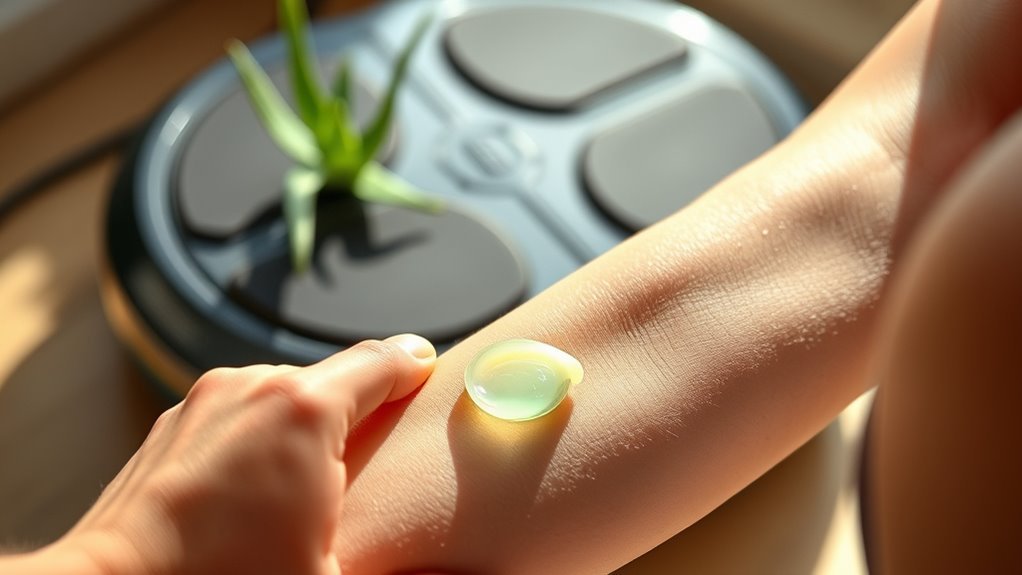
Since vibration plates can dry out your skin and cause irritation, applying moisturizers and barrier creams plays a crucial role in soothing the itch. You want to restore moisture and protect your skin’s natural barrier to prevent further discomfort.
Here’s what to do:
- Choose fragrance-free, hypoallergenic moisturizers that won’t irritate sensitive skin.
- Apply a thick layer of barrier cream or ointment to areas prone to itching before and after using the vibration plate.
- Reapply moisturizer throughout the day to maintain hydration and reduce dryness.
Staying Hydrated to Support Skin Health
Because your skin needs adequate hydration to stay healthy and resilient, drinking enough water is essential when using a vibration plate. Staying hydrated helps maintain your skin’s elasticity and prevents dryness, which can trigger itching.
When your body loses fluids during exercise, your skin can become tight and irritated. To support skin health, aim to drink at least eight glasses of water daily, increasing intake if you sweat heavily during your vibration plate sessions.
You can also consume water-rich foods like cucumbers and watermelon to boost hydration. Remember, well-hydrated skin acts as a better barrier against irritation caused by friction or sweat from the vibration plate.
When to Consult a Healthcare Professional
If your itching worsens or doesn’t improve despite proper hydration and skincare, it’s important to consult a healthcare professional. Persistent or severe itching could indicate an underlying issue that needs medical attention.
You should seek professional advice if you experience intense redness, swelling, or blistering around the itchy area. Also, if your itching comes with other symptoms like fever, fatigue, or unexplained weight loss, it’s time to see a doctor.
Development of open sores or signs of infection such as pus or increased warmth are other reasons to get checked out.
A healthcare provider can accurately diagnose the cause and recommend appropriate treatments, including prescription creams or medications. Don’t hesitate to get help—it’s better to address the problem early than risk complications or prolonged discomfort.
Your skin’s health matters, so listen to your body and seek care when needed.
Frequently Asked Questions
Can Vibration Plates Cause Long-Term Skin Damage?
Vibration plates don’t usually cause long-term skin damage if you use them properly. You should avoid prolonged exposure and keep your skin clean and moisturized.
If irritation persists, consult a healthcare professional for advice. It’s always better to be safe and get expert help when needed.
Are There Specific Vibration Plate Brands Better for Sensitive Skin?
Yes, some vibration plate brands offer softer, hypoallergenic surfaces designed for sensitive skin. You’ll want to try models with adjustable intensity and cushioned platforms to reduce irritation.
This helps guarantee a more comfortable experience during your workouts. It’s always a good idea to test out a few options to see what feels best for you.
How Often Should Vibration Plate Sessions Be Scheduled to Minimize Itching?
You should schedule vibration plate sessions 2-3 times a week with rest days in between to minimize itching. This gives your skin time to recover and reduces irritation.
Start with shorter sessions and gradually increase duration. That way, you can see how your body reacts and adjust accordingly.
Can Diet Influence Skin Reactions to Vibration Therapy?
Yes, your diet can influence skin reactions to vibration therapy. Staying hydrated, avoiding allergens, and eating anti-inflammatory foods can reduce irritation.
You’ll notice fewer reactions if you maintain a balanced diet supporting healthy skin. It really makes a difference!
Is It Safe to Use Vibration Plates if I Have Eczema?
You can use vibration plates with eczema, but you should start slowly and monitor your skin closely.
If irritation worsens, stop immediately and consult your doctor. This helps ensure it’s safe for your specific condition and can help you avoid flare-ups.
Conclusion
So, you’ve got this high-tech vibration plate promising fitness magic, yet it leaves you scratching like you’ve wrestled a swarm of bees. Funny how cutting-edge tech can turn your skin into an itchy mess, right?
But don’t just suffer through it—adjust your settings, suit up smartly, and keep your skin happy with moisturizers and hydration. After all, you’re here to tone muscles, not audition for a scratching contest.
If it gets worse, don’t hesitate to see a pro! Managing the itching from a vibration plate is all about finding the right balance. Wearing breathable clothes and applying a good moisturizer can make a big difference. Also, make sure to stay hydrated and clean the plate regularly to avoid any irritation from sweat or bacteria. Remember, the goal is to enjoy your workout without discomfort. So, take these simple steps to stop itching from a vibration plate and keep your skin feeling great while you tone your body!