How Do You Choose a Vibration Plate?
When choosing a vibration plate, start by defining your fitness goals—whether it’s muscle toning, balance, weight loss, or recovery. Knowing what you want to achieve helps you pick the right vibration technology.
For example, oscillating plates are great for improving balance, while vertical plates are better for building muscle strength.
Next, consider important features like motor power, speed options, platform size, and weight capacity. These factors affect both your workout experience and safety.
Build quality matters too, ensuring the vibration plate is comfortable and durable.
Don’t forget to keep your budget in mind and check the brand’s reputation. Taking time to explore different models will help you find the perfect vibration plate tailored just for you.
Keep these tips in mind, and you’ll be well on your way to making a smart choice!
Key Takeaways
– Identify your primary fitness goals to select vibration technology and features that best support muscle toning, balance, weight loss, or recovery.
This helps you pick a plate that really matches what you want to achieve.
– Choose vibration plate types (oscillating, vertical, pivotal) based on desired workout intensity and movement style.
Different types offer different experiences, so think about what suits you best.
– Evaluate motor power, adjustable speed settings, platform size, and stability to ensure safe, effective, and comfortable use.
These factors make a big difference in how well the machine works for you.
– Balance cost with durability, features, and brand reputation to find a reliable vibration plate that fits your budget and needs.
It’s all about getting the best value without overspending.
– Read user reviews and prioritize well-known brands to avoid common issues and ensure long-term performance.
Hearing from others can save you from headaches down the road.
Understand Your Fitness Goals
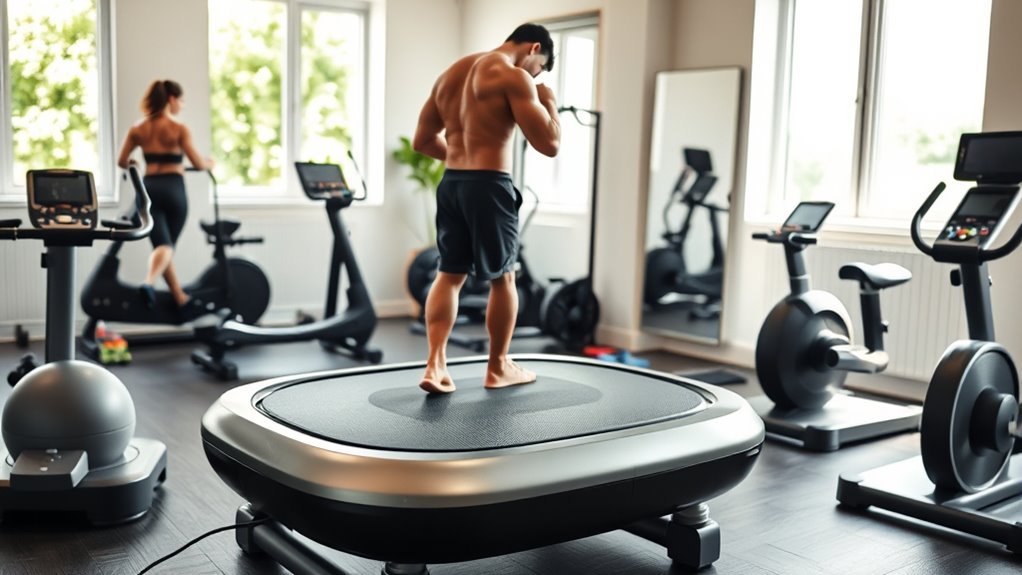
Before choosing a vibration plate, you need to clearly understand your fitness goals. Are you aiming to increase muscle strength, improve balance, lose weight, or enhance recovery? Knowing this helps you select a plate that fits your needs.
For muscle toning, you’ll want a device with adjustable intensity levels to challenge your workouts. If balance and flexibility are priorities, focus on plates offering stability features and varied vibration settings.
Weight loss requires consistent use combined with a proper diet, so consider a plate that encourages longer sessions comfortably. Recovery benefits call for smoother vibrations.
Types of Vibration Technology

Once you know your fitness goals, the next step is to understand the types of vibration technology available in vibration plates. There are primarily three types: oscillating, vertical, and pivotal.
Oscillating plates tilt from side to side, simulating a natural walking motion and helping improve balance and coordination. Vertical plates move straight up and down, offering more intense muscle stimulation, which is great for strength training.
Oscillating plates mimic walking to boost balance, while vertical plates offer intense muscle stimulation for strength training.
Pivotal plates combine both motions, providing a full range of movement for a balanced workout. Choosing the right type depends on what you want—balance, muscle strength, or overall fitness.
Knowing these differences helps you select a vibration plate that matches your needs and maximizes your workout benefits. It’s all about picking what works best for you!
Motor Power and Speed Settings
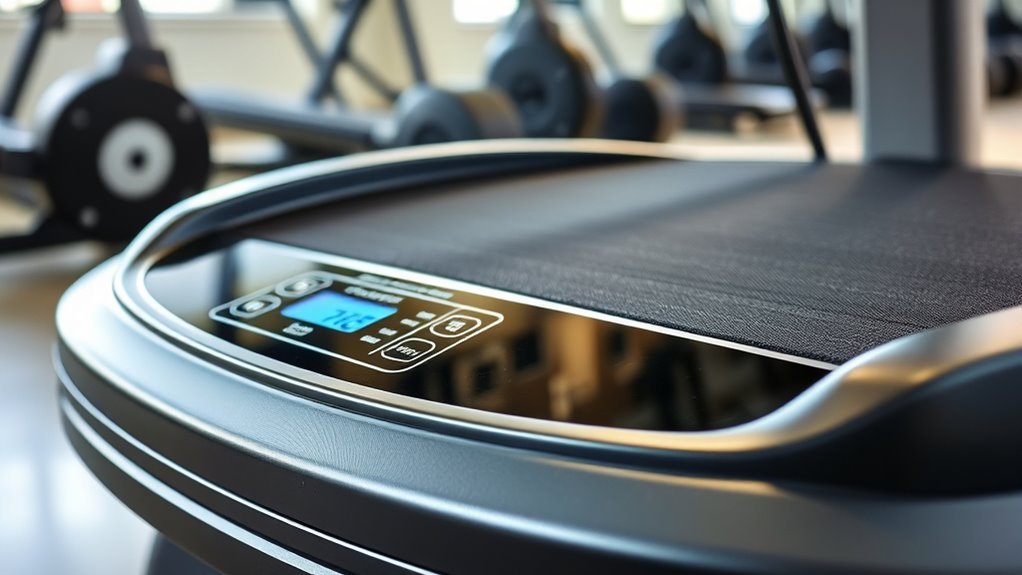
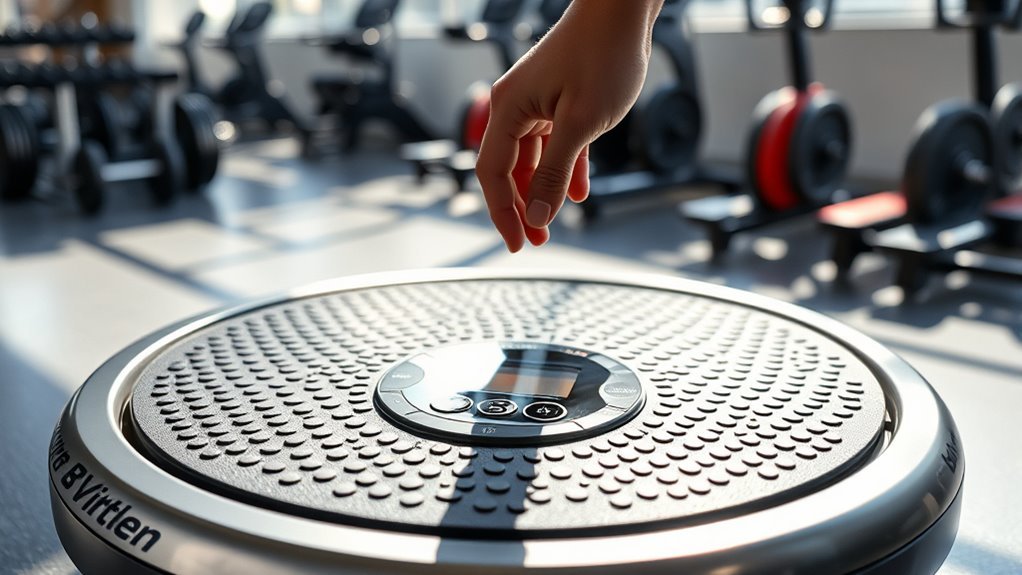
Understanding motor power and speed settings is essential when choosing a vibration plate because they directly affect the intensity and effectiveness of your workout. A powerful motor guarantees the machine runs smoothly and handles higher speeds without strain, giving you consistent vibrations.
Look for vibration plates with adjustable speed settings so you can tailor the intensity to your fitness level and goals. Beginners might prefer lower speeds for gentler stimulation, while advanced users can benefit from higher speeds for more vigorous muscle activation.
Also, consider how many speed levels the machine offers—more options mean greater flexibility. Ultimately, a vibration plate with a reliable motor and a wide range of speed settings will let you maximize your exercise sessions safely and efficiently.
Platform Size and Stability
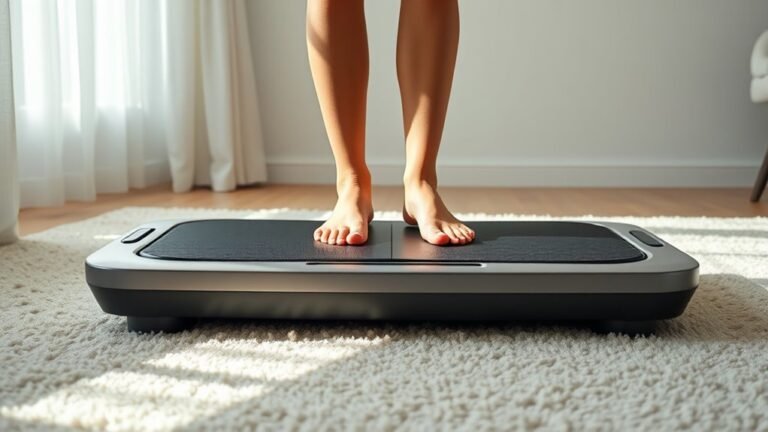
When you choose a vibration plate, make sure its platform size suits your body and workout style. A larger platform offers more space for varied exercises and helps you maintain balance easily, especially during dynamic movements.
If you plan to do standing or squatting exercises, a roomy platform keeps your feet comfortable and stable. However, if space is limited, a compact platform might work better but check that it still provides enough room for your stance.
Stability is just as important as size; the plate should have a non-slip surface and a solid base to prevent wobbling. A stable platform guarantees you stay safe during workouts and get the most from vibration benefits without worrying about losing your balance.
Weight Capacity and Build Quality
When choosing a vibration plate, you’ll want to check its maximum weight limit to make sure it supports you safely. Also, consider the materials used—durable construction means your machine will last longer and perform better.
Paying attention to these details helps you pick a quality plate built to withstand regular use. It’s all about finding something that matches your needs and can handle your routine without wearing out quickly.
Maximum Weight Limit
Every vibration plate has a maximum weight limit that directly impacts its performance and durability. When you choose a plate, you need to guarantee it supports your body weight comfortably.
Exceeding this limit can strain the motor and reduce the machine’s lifespan. It also compromises safety by increasing the risk of mechanical failure during use.
Look for models with a weight capacity that exceeds your current weight, allowing some room for growth or added equipment like resistance bands. Checking this spec helps you pick a reliable, long-lasting plate that matches your fitness needs.
Don’t overlook the weight limit—it’s a key factor that ensures your vibration plate works efficiently and safely every time you step on it.
Material Durability
The maximum weight limit ties directly into the material durability of a vibration plate. When you choose one, look closely at the build quality—strong metals like steel or aluminum ensure it won’t warp or break under pressure.
Avoid models made with cheap plastics that can crack or wear out quickly. Also, check how well the components are assembled; tight joints and solid welds mean the plate can handle regular use.
A durable vibration plate supports your weight safely and lasts longer, giving you better value. Don’t forget to review user feedback on durability, as real-world use reveals how materials hold up over time.
Investing in a sturdy vibration plate means you’ll enjoy reliable performance without worrying about early damage or failure. It’s totally worth taking the time to pick a solid one!
Additional Features and Accessories
You’ll want to check if the vibration plate offers built-in workout programs to keep your routine varied and effective.
Also, see what attachments come included, like resistance bands or massage rollers, to enhance your sessions.
These features can make your workouts more convenient and enjoyable.
Built-in Workout Programs
Although vibration plates offer a variety of features, built-in workout programs can considerably enhance your exercise routine by providing guided sessions tailored to different fitness levels and goals. These programs help you maximize the machine’s benefits without guessing which exercises to do or how long to train.
Whether you’re aiming for weight loss, muscle toning, or improved balance, the pre-set routines simplify your workout planning and keep you motivated. Look for models with a range of programs that adjust intensity and duration automatically, so you can progress safely and efficiently.
With these built-in workouts, you’ll get structure and variety, making it easier to stay consistent and reach your fitness goals faster. It’s like having a personal trainer right there with you, helping you every step of the way.
Included Attachments Options
Wondering how to get more from your vibration plate? Checking out included attachments can enhance your workouts considerably. Different accessories target various muscle groups and add versatility to your routine.
Here’s a quick look at common attachments and their benefits:
| Attachment | Benefit |
|---|---|
| Resistance Bands | Add strength training |
| Handlebars | Improve balance and stability |
| Remote Control | Easy program adjustments |
| Exercise Mat | Increased comfort during use |
Choosing a vibration plate with these options lets you customize workouts to fit your goals. Whether you want to build muscle, improve balance, or simply enjoy more convenience, attachments make your investment more valuable.
Don’t overlook these extras when comparing models! They can really make a difference in how you use your vibration plate.
Budget Considerations
When selecting a vibration plate, setting a clear budget helps narrow down your options and guarantees you get the best value for your money. Vibration plates come in a wide price range, from basic models under $100 to advanced machines costing several hundred dollars.
Decide what features matter most to you—higher price often means more power, better build quality, and extra functions like preset programs or Bluetooth connectivity. But hey, you don’t have to splurge to find a reliable device that suits your needs.
Keep in mind that very inexpensive models may lack durability or effectiveness. By establishing your budget first, you can focus on options that balance cost with quality, ensuring you invest wisely without overspending.
User Reviews and Brand Reputation
Since you want a vibration plate that lasts and performs well, checking user reviews and brand reputation is essential. Reviews give you real-world insights into durability, comfort, and effectiveness.
Brands with solid reputations often back their products with good warranties and customer service. Don’t just focus on star ratings—read detailed feedback to spot common issues or standout features.
Here’s a quick comparison of popular brands:
| Brand | Average Rating | Key Strength |
|---|---|---|
| VibroFit | 4.5/5 | Durable, quiet operation |
| PowerPlate | 4.7/5 | Professional-grade quality |
| LifeVibe | 4.2/5 | Affordable, user-friendly |
Using reviews and reputation helps you avoid costly mistakes and pick a vibration plate that fits your needs.
Frequently Asked Questions
Can Vibration Plates Help With Bone Density Improvement?
Yes, vibration plates can help improve bone density by stimulating bone growth through mechanical vibrations.
You’ll want to use them regularly and combine that with proper nutrition and exercise. This way, you get the best results in strengthening your bones.
Are Vibration Plates Safe for Pregnant Women?
Oh sure, why not shake your baby like a maraca? Just kidding—you shouldn’t use vibration plates while pregnant.
They can stress your body and baby, so it’s best to avoid them and chat with your doctor first.
How Often Should Beginners Use a Vibration Plate?
You should start using a vibration plate 2-3 times a week for about 10-15 minutes per session.
Take it slow at first and see how your body feels. Gradually increase the frequency and duration as your body adapts. This helps avoid overexertion and injury.
Do Vibration Plates Require Special Maintenance?
You don’t need much upkeep—only 10% of users report maintenance issues.
Just wipe the surface regularly, check bolts, and keep it dry.
Following these simple steps helps your vibration plate last longer without hassle.
Can Vibration Plates Be Used for Physical Therapy?
Yes, you can use vibration plates for physical therapy. They help improve balance, strength, and circulation.
Just make sure you consult your therapist first to guarantee it’s safe and tailored to your specific needs. It’s always best to get professional advice before starting anything new.
Conclusion
Choosing the right vibration plate might feel overwhelming, but it doesn’t have to be. Start by focusing on your fitness goals to narrow down your options. Then, check important features like motor power and platform size to ensure it meets your needs.
Don’t forget to read user reviews—they can give you real insights into performance and durability. Even budget-friendly options can offer great features without compromising quality. So, don’t let price or confusing tech jargon hold you back.
Your ideal vibration plate is out there, ready to boost your workouts and keep you motivated. By considering these factors, you’ll find the perfect fit that supports your fitness journey and delivers effective results. Choosing a vibration plate can be simple and stress-free when you know what to look for!