How Much Weight Does a Bench Press Bar Have?
A standard Olympic bench press bar usually weighs 45 pounds (20 kilograms), but not all bars are the same. Understanding how much weight a bench press bar has is important for anyone serious about their strength training.
Men’s bars generally weigh 45 pounds, while women’s bars are lighter at around 33 pounds (15 kilograms).
Specialty bars, like Swiss or trap bars, can vary quite a bit—from 25 to 75 pounds.
Knowing your bar’s exact weight helps you track progress accurately and train safely. It also ensures you’re lifting the right amount without guessing.
If you want to understand these variations better and choose the right bar for your workouts, keep exploring these details. It makes a big difference in how you measure your gains and stay injury-free.
Key Takeaways
- A standard Olympic men’s bench press bar weighs 20 kg (44 lbs). It’s 7 feet long and has a 28 mm diameter.
- Women’s bench press bars are lighter at 15 kg (33 lbs). They’re also shorter, measuring 6.5 feet, and thinner with a 25 mm diameter.
- Specialty bars come in different weights. For example, Swiss bars weigh around 25-30 lbs, safety squat bars 55-65 lbs, and trap bars 45-75 lbs.
- Knowing the exact bar weight is key. It helps you track your strength progress accurately and keeps your workout records consistent.
- Bar weight differences can really affect your total lift calculations. So, always check the specific bar weight before adding plates or logging your lifts.
Standard Weight of an Olympic Bench Press Bar
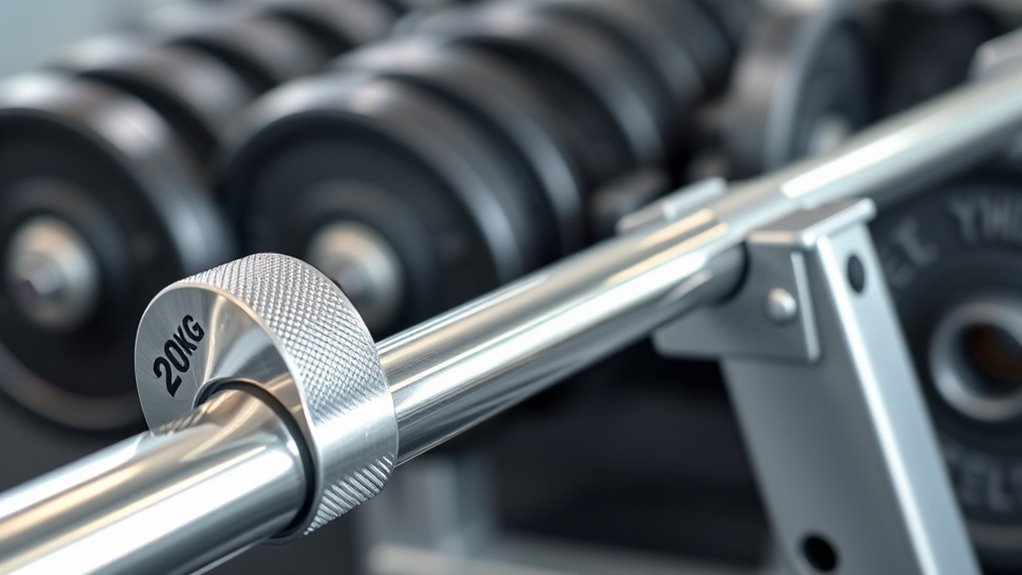
Although you might see various types of bench press bars at the gym, the standard Olympic bench press bar typically weighs 20 kilograms (44 pounds). This bar is designed to meet international competition standards, ensuring consistency for lifters worldwide.
When you pick up this bar, you’ll notice its length is about 7 feet (2.2 meters), with a diameter of 28 millimeters, providing a solid grip. The bar’s weight is built into its steel construction, balancing strength and flexibility for ideal performance.
You don’t have to guess the bar’s weight since 20 kilograms is the accepted norm, making it easy to calculate your total lifting load. Using this standard bar helps you track progress accurately and safely as you add plates.
Differences Between Men’s and Women’s Bars

When you step up to the bench press, you’ll notice that men’s and women’s bars differ in weight, length, and diameter to suit different strength levels and grip preferences.
Men’s bars typically weigh 20 kilograms (44 pounds), measure 7 feet long, and have a 28mm diameter. Women’s bars are lighter, usually 15 kilograms (33 pounds), shorter at 6.5 feet, and thinner with a 25mm diameter.
Men’s bars weigh 20 kg, are 7 feet long, and 28mm thick; women’s bars are lighter, shorter, and thinner.
These differences help you handle the bar more comfortably and safely based on your strength and hand size. It’s all about making sure the bar feels right for you.
Key distinctions include:
- Men’s bars weigh 20 kg; women’s bars weigh 15 kg
- Men’s bars are 7 feet long; women’s bars are 6.5 feet
- Men’s bar diameter is 28mm; women’s is 25mm
- Women’s bars often have knurling tailored to smaller hands
- Weight and size differences aid proper form and reduce injury risks
Specialty Bars and Their Weights

When you explore specialty bars, you’ll find they come in various types like cambered, trap, and safety squat bars, each with unique weights. Understanding these weight variations helps you adjust your workouts accurately.
Knowing how and why to use them can improve your training efficiency and target different muscle groups. It’s pretty cool how a simple change in equipment can make a big difference in your routine!
Types of Specialty Bars
Since standard bench press bars may not suit every lifter’s needs, specialty bars offer unique designs and weights tailored for specific training goals. You’ll find various specialty bars that target different muscle groups or accommodate physical limitations.
For example, some bars reduce wrist strain, while others allow for a different grip or movement path. Here are five common types you might encounter:
- Cambered Bar: Curved shape for a greater range of motion.
- Swiss Bar: Neutral grip handles to reduce shoulder stress.
- Safety Squat Bar: Padded and cambered for upper back support.
- Trap Bar: Hexagonal shape for deadlifts and shrugs.
- Football Bar: Multiple grips for varied pressing angles.
Choosing the right specialty bar can improve your bench press technique and comfort. It’s all about finding what works best for you.
Weight Variations Explained
Although specialty bars differ in design, their weights also vary considerably. Understanding these differences helps you choose the right one for your training needs.
For example, a Swiss bar typically weighs around 25 to 30 pounds. That makes it lighter than a standard 45-pound barbell.
Meanwhile, safety squat bars can weigh between 55 and 65 pounds. This means you’re adding extra load even before you add plates.
Trap bars usually fall in the 45- to 75-pound range, depending on size and manufacturer. So, it’s good to check the specs before you start.
There are also technique bars that weigh as little as 15 to 35 pounds. These are designed for beginners or rehab purposes.
Knowing these weight variations ensures you accurately track your progress. Plus, it helps you avoid unexpected jumps in resistance during your workouts.
Usage and Benefits
Understanding the specific weights and designs of specialty bars lets you tailor your workouts more effectively. These bars aren’t just about adding weight—they actually change how you target muscles and improve your technique.
For example, using a Swiss bar can reduce shoulder strain, while a cambered bar challenges your stability and range of motion. Knowing each bar’s weight helps you track progress accurately and avoid injury.
Specialty bars offer some great benefits like targeting specific muscle groups more efficiently and reducing joint stress during lifts.
They also enhance grip variation for balanced development, improve your lifting technique and form, and provide variety to help you overcome plateaus.
How to Weigh Your Bench Press Bar
To find out how much your bench press bar weighs, you can use a digital scale for an exact measurement. If you don’t have one, you can estimate based on the type of standard bar you have.
Knowing the weight helps you track your progress more accurately. It’s a simple step, but it makes a big difference in your training.
Using a Digital Scale
When you want an accurate measurement of your bench press bar’s weight, using a digital scale is one of the simplest methods you can try. First, make sure the scale can handle the bar’s length and weight.
Place the bar carefully on the scale to get a precise readout. If the bar is too long, weigh each end separately and add the numbers together. Remember to zero the scale before measuring.
Here are some tips to keep in mind:
- Use a flat, stable surface for the scale
- Ensure the scale’s weight limit exceeds the bar’s weight
- Tare the scale if needed
- Avoid weighing with collars or plates attached
- Take multiple readings for accuracy
This method guarantees you know exactly how much your bench press bar weighs. Pretty straightforward, right? Give it a try and you’ll have that precise number in no time.
Estimating With Standard Bars
Although digital scales offer precise results, you can quickly estimate your bench press bar’s weight by recognizing standard bar types and their typical weights. Most gyms use the Olympic bar, which usually weighs 45 pounds (20.4 kg).
Women’s Olympic bars generally weigh 35 pounds (15.9 kg). Standard bars, often found in home gyms, weigh around 25 pounds (11.3 kg).
If your bar has no markings, look for clues like length and thickness: Olympic bars are about 7 feet long and 2 inches in diameter, while standard bars are shorter and thinner.
Factors Affecting Bar Weight in Different Gyms
Since gyms vary widely in their equipment choices, the weight of a bench press bar can differ depending on where you train. You might assume every bar weighs 45 pounds, but some gyms use specialty bars or older models that vary in weight.
When you’re lifting, knowing these differences helps you accurately track your progress. Factors that affect bar weight include:
- Bar type (standard, Olympic, specialty)
- Material and construction quality
- Bar length and diameter
- Presence of additional features like knurling or sleeves
- Age and wear of the equipment
Before you start your bench press, always check or ask about the bar’s weight. This way, you avoid over- or underestimating your lifts and maintain consistency in your training.
Importance of Knowing Your Bar Weight for Progress Tracking
Accurately tracking your progress hinges on knowing the exact weight of the bench press bar you’re using. If you don’t factor in the bar’s weight, you might miscalculate your total load, leading to inaccurate records.
Knowing your bench press bar’s exact weight is crucial for accurate progress tracking and reliable records.
This can make it tough to see real strength gains or plateaus. By being precise, you ensure every increase in weight truly reflects your improvement.
It also helps you set realistic goals and adjust your training routine effectively. Whether you’re lifting at home or in different gyms, knowing the bar’s weight keeps your tracking consistent.
And this consistency is key to staying motivated and understanding how your strength evolves over time. Don’t let uncertainty about the bar’s weight hold back your progress or distort your achievements.
Common Misconceptions About Bench Press Bar Weight
Many lifters mistakenly assume all bench press bars weigh the same, but that’s not always true. Different bars vary in weight depending on their design, material, and purpose.
Believing every bar weighs 45 pounds can lead to inaccurate tracking and misguided progress evaluations. So, it’s important to know what kind of bar you’re using.
Here are some common misconceptions you should be aware of:
- All bars weigh 45 pounds by default.
- Olympic bars and standard bars have the same weight.
- Specialty bars like Swiss bars are as heavy as regular bars.
- Bar weight doesn’t impact your total lift calculation.
- You don’t need to check the bar weight before lifting.
Understanding these myths helps you track your strength gains accurately and avoid unexpected surprises during workouts. Always double-check your bar’s weight—it really makes a difference!
Tips for Selecting the Right Bar for Your Workout
When choosing a bar for your workout, you’ll want to take into account factors like the type of lifts you plan to do, your experience level, and the bar’s weight capacity. If you’re focused on bench pressing, pick a bar with a standard length and knurling that offers a secure grip.
Beginners should opt for lighter bars or those with less whip to maintain control. Also, check the bar’s weight rating to ensure it can handle your lifting goals safely.
Consider the bar’s diameter too—thicker bars might feel harder to grip. Finally, think about the bar’s material and finish for durability and comfort.
Selecting the right bar helps improve your form, reduces injury risk, and supports steady progress in your workouts. It’s definitely worth taking the time to choose wisely!
Frequently Asked Questions
Can the Barbell Weight Affect My Workout Form?
Yes, the barbell weight can affect your workout form. If it’s too heavy, you might compromise your technique just to lift it, which increases the risk of injury.
It’s best to start with manageable weights and really focus on your form. Then, you can gradually increase the weight to keep things safe and effective.
How Often Should I Replace My Bench Press Bar?
You might think you only substitute it when it breaks, but you should inspect your bench press bar every 6-12 months.
Replace it if you spot rust, bending, or worn knurling to ensure safety and performance.
It’s better to be safe than sorry, right? Keeping an eye on your equipment helps you avoid surprises during your workout.
What Materials Are Bench Press Bars Typically Made From?
Bench press bars are typically made from high-quality steel, often with a chrome, zinc, or black oxide finish. This helps protect the bar and gives it a nice look.
You’ll also find some bars use stainless steel for rust resistance. This ensures durability and strength during your workouts, so your bar lasts a long time.
Does Barbell Knurling Impact Grip During Bench Pressing?
Knurling on a barbell is your anchor in a stormy sea—it definitely impacts your grip during bench pressing. It prevents your hands from slipping, giving you control and confidence to push heavier and safer.
You know how important it is to feel secure when you’re lifting. That rough texture really helps you hold on tight, so you’re not just guessing if the bar will slip. It’s like having a reliable partner spotting you every rep.
Are There Adjustable Weight Bars for Bench Pressing?
Yes, you can find adjustable weight bars for bench pressing. They let you add or remove plates easily, so you control your workout intensity.
They’re perfect if you want flexibility without multiple bars cluttering your space. Makes your setup neat and keeps things simple!
Conclusion
Knowing the weight of your bench press bar boosts your benching brilliance and builds better benchmarks. Whether you’re battling with a basic barbell or selecting specialty steel, understanding its exact heft helps you hit higher goals and hone your hustle.
Don’t drift into dumb assumptions—discover details, decide diligently, and dominate your deadlifts and dips. When you know your bar’s weight, you can track your progress more accurately and push your limits with confidence.
Remember, mastering bar weight makes your muscle milestones more measurable and meaningful. It powers your progress with precision and pride. So, take the time to learn about your bench press bar’s weight—it’s a small step that leads to big gains in your strength training journey.