Author: Admin

  • How You Can Safely Walk on a Treadmill Barefoot

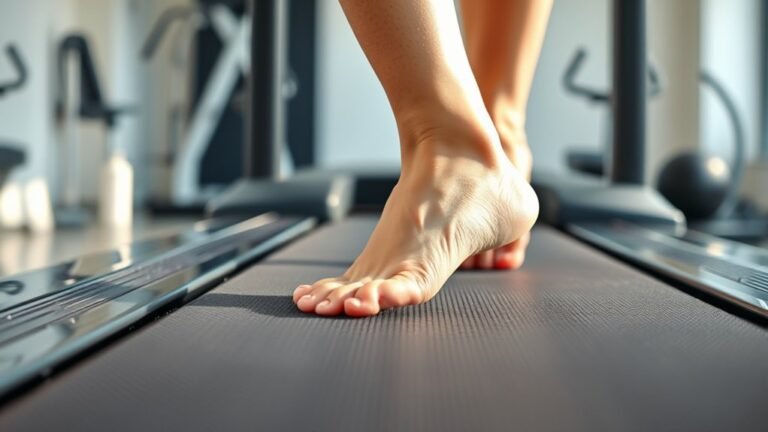
    To walk safely barefoot on a treadmill, start by checking the belt for debris or damage. Clean it regularly to keep things smooth.

    Begin at a slow speed, around 1 to 1.5 mph, and keep your sessions brief. This helps your feet get used to it without stress.

    Focus on soft, controlled steps and maintain good posture to avoid injury. Keep an eye on your feet for any discomfort or redness.

    If you notice anything off, take breaks as needed. Stick to these precautions, and barefoot treadmill walking will become safer and more effective in no time.
  • How You Can Safely Walk Barefoot on a Treadmill

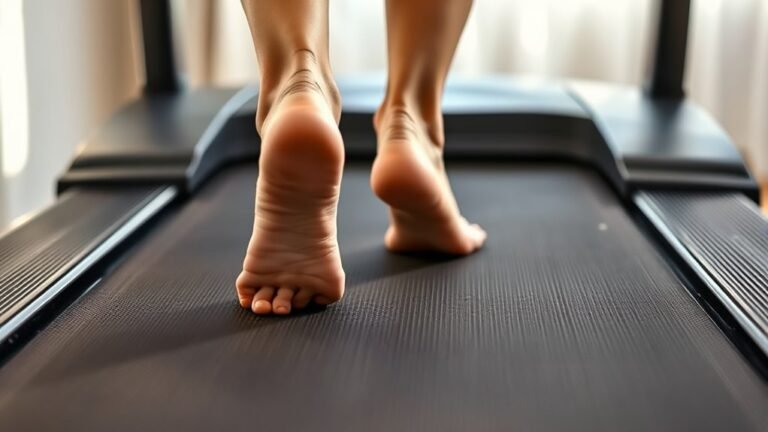
    To safely walk barefoot on a treadmill, start by preparing your feet—make sure they’re clean and dry. Also, check for any cuts or irritations before you begin.

    Set the treadmill to a low speed and incline. This helps you keep your balance and reduces the impact on your feet.

    Keep your posture upright and try to land on your midfoot. This way, you avoid unnecessary strain.

    Make sure the treadmill surface is clean and free of debris. You definitely don’t want to slip while walking barefoot.

    If you feel any discomfort or pain, stop right away. It’s important to listen to your body.

    Keep going to discover more tips on how to optimize your barefoot treadmill routine!

  • How You Can Use a Vibration Plate on Carpet Safely

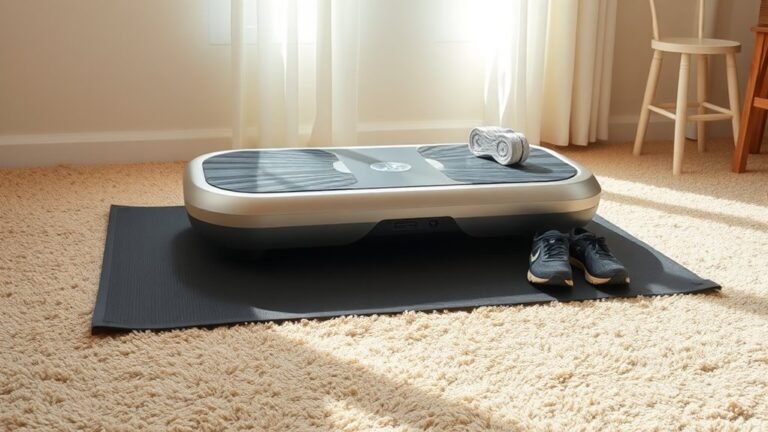
    You can safely use a vibration plate on carpet by choosing a low-pile or firm-textured carpet like Berber and placing a solid base or non-slip mat beneath the machine to stabilize it. Start with shorter sessions at lower intensities and keep your feet shoulder-width apart for balance.

    Regularly check for loose parts and ensure your carpet is even to prevent wobbling. Following these tips helps protect both your machine and carpet — and there’s more to know about maximizing safety and effectiveness.

  • How You Can Use HSA to Pay for a Gym Membership

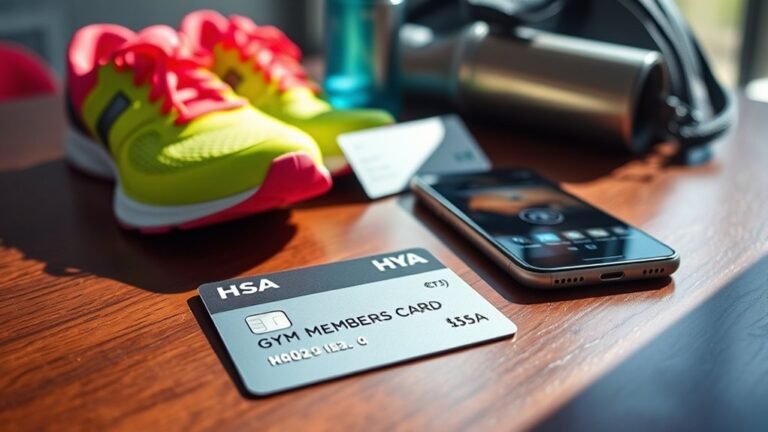
    You can use your HSA to pay for a gym membership only if your doctor prescribes it to treat a specific medical condition and provides a letter of medical necessity.

    Without this documentation, gym fees aren’t considered qualified medical expenses and may trigger penalties. So, it’s really important to keep clear records like receipts and doctor’s notes to avoid issues.

    If you want to explore which fitness costs qualify and how to maximize your HSA benefits, there are some useful strategies waiting for you. It’s worth taking the time to learn about them!

  • How You Can Use HSA for Gym Membership

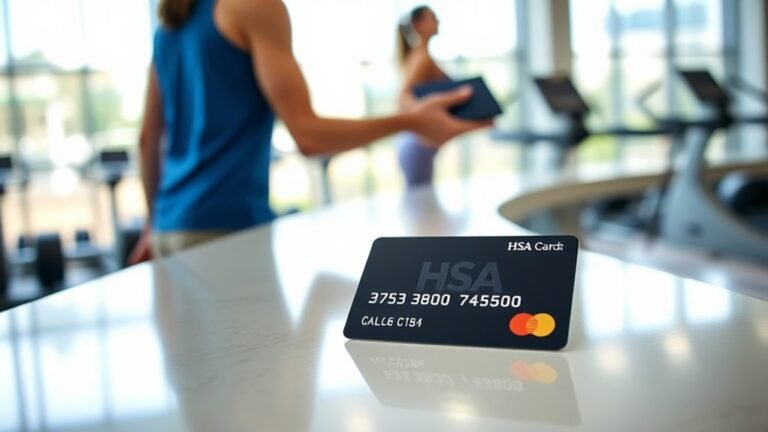
    You can use your HSA for a gym membership only if your doctor prescribes it as medically necessary for a specific condition like obesity or hypertension. Make sure to get a detailed prescription explaining the medical need and keep all receipts and documentation.

    Without this, gym fees aren’t eligible, and using HSA funds incorrectly can cause taxes and penalties. So, it’s really important to understand how to document and qualify these expenses.

    That way, you can get the most from your HSA benefits without any hassle. Just keep everything organized and follow your doctor’s advice!

  • How You Can Use Dumbbells as Parallettes for Effective Workouts

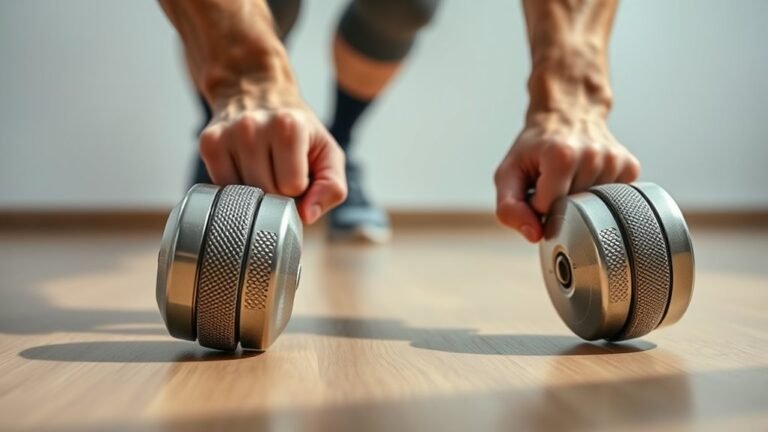
    You can turn dumbbells into effective parallettes by choosing stable, flat-based hex dumbbells for a secure grip and placing them shoulder-width apart on a non-slip surface. Use them to do push-ups, L-sits, dips, and even handstand training, which improves your strength and wrist comfort.

    Make sure to engage your core and grip firmly for stability throughout. Keeping these basics in mind will help you access new workout variations and progress safely as you explore more advanced moves.

  • How You Use Your HSA for a Gym Membership

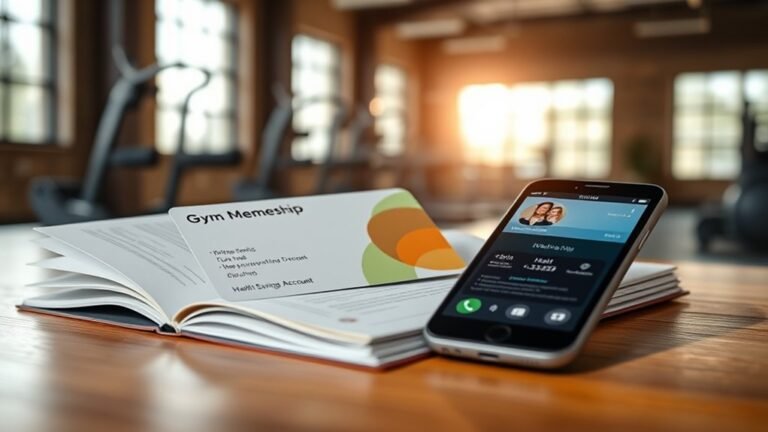
    You can use your HSA for a gym membership only if a doctor prescribes it to treat a specific medical condition. General memberships usually won’t qualify because the IRS considers them wellness expenses, not medical costs.

    Be sure to keep your doctor’s recommendation and receipts to prove eligibility. Using your HSA for approved fitness expenses lowers future healthcare costs and supports your health.

    Want to learn more? Discover which memberships qualify and how to maximize your benefits.

  • How You Can Use Your HSA to Pay for a Gym Membership

    You can use your HSA to pay for a gym membership only if a healthcare provider prescribes it to treat a specific medical condition like obesity or heart disease. Make sure to keep a written prescription and receipts as proof.

    General gym memberships for wellness aren’t eligible, so without proper documentation, you risk taxes and penalties. If you want to maximize your HSA benefits and understand the rules better, there’s more important information ahead.

  • How You Can Safely Use a Vibration Plate While Breastfeeding

    You can safely use a vibration plate while breastfeeding by starting with low intensity and short sessions (5-10 minutes) after nursing or pumping to avoid engorgement. Hydrate well and wait at least 30 minutes post-feeding before exercising.

    Make sure to maintain proper posture with your feet flat and knees slightly bent. Keep an eye out for any discomfort or changes in your milk supply and your baby’s behavior.

    It’s best to gradually build your routine, balancing exercise with your breastfeeding needs. And if you want to get the most out of it safely, there’s plenty more helpful guidance to explore.

  • How You Can Train for a Marathon on a Treadmill

    You can train for a marathon on a treadmill by setting your pace to match your target race speed and using a 1% incline to simulate outdoor running. Gradually build endurance with longer steady runs while mixing in interval training to boost speed.

    Incorporate hill workouts by increasing incline, and track your progress to adjust intensity as needed. Stay motivated by varying your workouts and listening to your body to prevent injury.

    Keep exploring to discover how to fine-tune your training plan effectively. It’s all about finding what works best for you and sticking with it!