How You Can Use HSA to Pay for a Gym Membership
You can use your HSA to pay for a gym membership, but there’s a catch. It only works if your doctor prescribes the gym membership to treat a specific medical condition and provides a letter of medical necessity.
Without this documentation, gym fees aren’t considered qualified medical expenses. That means you could face penalties if you use your HSA funds for them without the proper paperwork.
So, it’s important to keep clear records like receipts and doctor’s notes to avoid any issues down the line.
If you’re curious about which fitness costs qualify and want to get the most out of your HSA benefits, there are some useful strategies you can explore. It’s all about knowing the rules and planning smart.
Key Takeaways
- Gym memberships typically are not qualified HSA expenses unless prescribed by a doctor for a specific medical condition.
- A doctor’s prescription and a letter of medical necessity are required to use HSA funds for gym fees.
- Only the portion of the gym membership directly related to prescribed therapeutic exercise qualifies for HSA reimbursement.
- Proper documentation, including receipts and medical notes, is essential to substantiate HSA use for gym expenses.
- Without medical necessity, using HSA funds for gym memberships risks IRS penalties and tax liabilities.
Understanding Health Savings Accounts and Their Benefits

Although Health Savings Accounts (HSAs) primarily cover medical expenses, they also offer valuable tax advantages that can benefit your overall health and wellness. When you contribute to an HSA, that money is tax-deductible, lowering your taxable income.
Plus, the funds grow tax-free, and withdrawals for qualified expenses aren’t taxed either. You control your HSA, so you decide how to spend or save the money.
Unlike flexible spending accounts, your balance rolls over year to year, allowing your savings to grow. This flexibility can support long-term health goals, like fitness investments.
Using your HSA wisely means you can reduce healthcare costs while investing in activities that promote a healthier lifestyle, making your account a powerful tool beyond just covering traditional medical bills.
IRS Guidelines on Qualified Medical Expenses

When you use your HSA funds, the IRS sets specific rules about what counts as a qualified medical expense. These expenses typically include costs that diagnose, treat, or prevent illness.
You can use your HSA for things like doctor visits, prescriptions, and certain therapies. However, not everything health-related qualifies, so it’s essential to know the IRS guidelines to avoid penalties.
Here’s a quick look at common qualified and non-qualified expenses:
| Qualified Expenses | Examples | Non-Qualified Expenses |
|---|---|---|
| Medical treatments | Surgery, therapy | Cosmetic surgery |
| Prescription drugs | Insulin, antibiotics | Vitamins without Rx |
| Medical equipment | Crutches, eyeglasses | Gym memberships* |
*Note: We’ll discuss gym memberships next.
Are Gym Memberships Eligible Expenses?
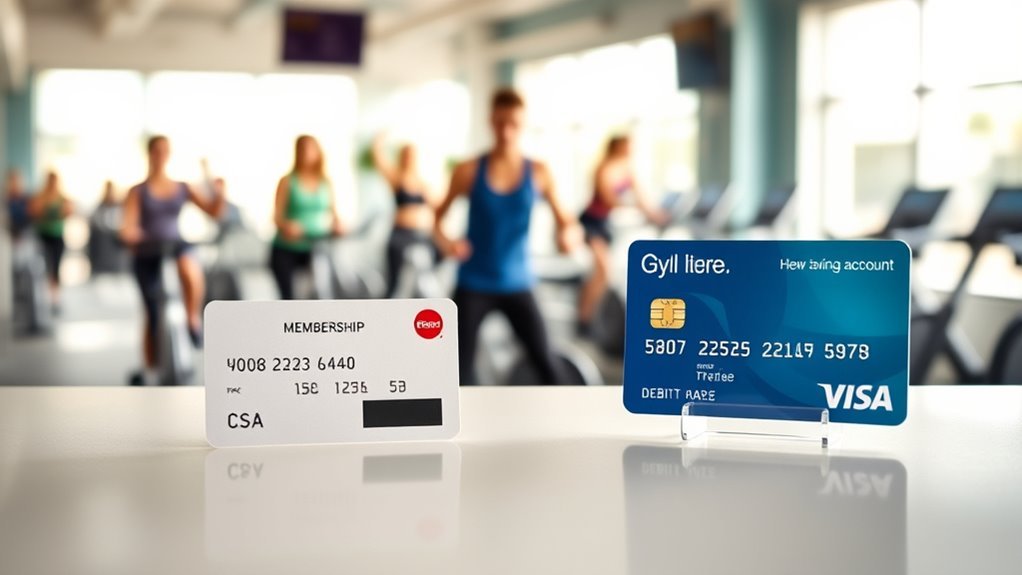
The IRS clearly excludes gym memberships from qualified medical expenses, meaning you generally can’t use your HSA funds to pay for them. While staying active is great for your health, the IRS doesn’t consider a standard gym membership a medical necessity.
This means if you try to use your HSA card for gym fees, those expenses likely won’t qualify for tax-free reimbursement. However, there are exceptions, such as if a doctor prescribes exercise as part of a treatment plan for a specific medical condition.
But in most cases, gym memberships are viewed as personal wellness expenses rather than medical care. So, before you use your HSA funds, make sure the expense fits the IRS’s strict criteria to avoid penalties or taxes.
Conditions for Using HSA Funds on Fitness Costs
If your doctor prescribes exercise to treat a specific medical condition, you can use HSA funds for certain fitness-related expenses. To qualify, your gym membership or fitness program must directly address that condition, like physical therapy for arthritis or a cardiac rehab program.
General wellness activities like weight loss or routine exercise won’t qualify unless they’re medically necessary. You’ll need a letter of medical necessity from your doctor that specifies the treatment purpose.
Remember, only costs directly related to the prescribed fitness activities are eligible. Equipment or classes that don’t relate to your condition won’t count.
How to Properly Document Gym Membership Expenses
Understanding the requirements for using your HSA on gym memberships sets the stage for proper documentation. You need to keep clear records showing the membership directly relates to a qualified medical condition or doctor’s recommendation.
Save all receipts and invoices that detail the gym name, dates, and amounts paid. If your membership covers specific therapy or rehabilitation programs, get a written statement from your healthcare provider confirming the necessity.
Use a dedicated folder or digital app to organize these documents. When you file taxes or need to justify expenses, having everything neatly compiled will save time and avoid confusion.
Alternative Fitness-Related Expenses Covered by HSAs
Although gym memberships often take the spotlight, your HSA can also cover various alternative fitness-related expenses that support your health journey. You don’t have to limit yourself to just one type of exercise when it comes to using your HSA funds.
Your HSA can fund a variety of fitness options beyond traditional gym memberships to support your health journey.
Here are a few alternative fitness-related expenses you can consider:
- Physical therapy sessions prescribed by a doctor to improve mobility or recover from injury.
- Fitness equipment like treadmills or stationary bikes, if recommended for medical reasons.
- Exercise classes such as yoga or Pilates if they’re part of a treatment plan.
- Personal training focused on rehabilitation or managing a chronic condition.
Using your HSA this way can make pursuing a healthier lifestyle more affordable and tailored to your needs. It’s pretty great when your health savings can work harder for you, right?
Tips for Maximizing Your HSA for Health and Fitness
When you want to get the most out of your HSA for health and fitness, planning your expenses strategically plays a key role. Start by confirming which gym memberships qualify under IRS guidelines to avoid surprises.
Track your medical receipts and fitness-related purchases meticulously, so you can easily submit claims or reimburse yourself. Consider pairing your HSA with a high-deductible health plan to maximize tax advantages.
Regularly contribute the maximum allowed amount to build a substantial balance over time. Use your HSA funds not just for gym fees but also for eligible fitness classes, equipment, or wellness programs.
Finally, stay informed about rule changes and IRS updates to ensure you’re always using your HSA effectively to support your health and fitness goals. It really pays off when you keep on top of these details!
Common Mistakes to Avoid When Using HSA for Gym Fees
Maximizing your HSA benefits requires more than just knowing what expenses qualify—it also means steering clear of common mistakes that can cost you time and money.
Maximize your HSA by understanding eligible expenses and avoiding costly mistakes that waste time and money.
When using your HSA for gym fees, watch out for these pitfalls:
- Paying for Non-Qualified Memberships: Only memberships prescribed by a doctor for a specific medical condition qualify. So, if you don’t have a doctor’s note, it probably won’t count.
- Skipping Documentation: Always keep receipts and any medical recommendations to prove eligibility. This little step can save you headaches later.
- Using HSA for General Fitness: Routine gym fees without a medical necessity usually aren’t eligible. So, if it’s just for staying in shape, you might want to pay out of pocket.
- Ignoring Plan Rules: Different HSAs may have unique restrictions—review your plan’s guidelines carefully. Don’t assume all HSAs work the same way!
Frequently Asked Questions
Can I Use HSA Funds for Personal Trainer Fees?
You generally can’t use HSA funds for personal trainer fees unless your doctor prescribes it as a medical treatment.
Otherwise, personal training is considered a fitness expense, which isn’t eligible for HSA reimbursement.
Are Virtual Gym Memberships Covered by HSA?
You generally can’t use HSA funds for virtual gym memberships unless your doctor prescribes it for a specific medical condition.
Check your plan’s rules carefully, as coverage varies and requires proper documentation to qualify.
How Do HSA Reimbursements Work for Gym Expenses?
You pay first, then claim later—it’s that simple. You submit your gym expense with receipts, and your HSA provider reimburses you.
Just make sure the expense is qualified to avoid denied claims or penalties. It’s a pretty straightforward process once you know what counts!
Can Family Members’ Gym Fees Be Paid With My HSA?
You generally can’t use your HSA to pay for family members’ gym fees unless they’re also covered under your HDHP.
Only qualified medical expenses for you, your spouse, or dependents count for reimbursement. So, if the gym fees don’t meet those criteria, you’re out of luck.
Basically, the HSA is pretty strict about what it covers when it comes to family members.
Is There a Tax Penalty for Using HSA on Non-Qualified Fitness Costs?
Yes, you’ll face a 20% tax penalty if you’re under 65 and use HSA funds for non-qualified fitness costs. Plus, you’ll owe income tax on that amount.
After 65, only income tax applies, no penalty. So, it’s a bit easier once you hit that age. Just keep in mind the rules to avoid extra charges!
Conclusion
Think of your HSA like a garden—when you plant the right seeds, like qualified medical expenses, it grows health and savings. Just as Sarah used her HSA to cover a prescribed gym membership after her doctor’s recommendation, you can nurture your well-being without extra costs.
By understanding IRS rules and documenting properly, you’ll avoid weeds—common mistakes—and watch your fitness investments flourish smartly and tax-free. Using your HSA for a gym membership requires a doctor’s note stating it’s for a specific medical condition.
So, if you want to boost your health and make the most of your HSA, remember to keep good records and follow IRS guidelines. This way, your gym membership becomes a smart, tax-free part of your healthcare expenses.