Blog

  • 10 Tips on How Often You Should Increase Dumbbell Weight

    You should increase your dumbbell weight when you can complete all reps with good form and minimal effort. Typically, this happens every 2-3 weeks depending on your experience.

    Track your progress closely and listen to your body. Never push through pain or fatigue—that’s a big no-no.

    Use small increments to avoid injury and allow proper recovery between sessions. It’s all about steady progress, not rushing.

    Also, try varying your reps to build both strength and endurance. And make sure to keep your training frequency consistent.

    Keep these tips in mind, and you’ll find smarter ways to optimize your gains. Trust me, your body will thank you!

  • How Often Should You Go to the Gym

    You should hit the gym about three to five times a week, depending on your goals and experience. If you’re just starting, three sessions help build consistency without overdoing it.

    For muscle gain or weight loss, leaning toward five sessions keeps progress steady while allowing recovery. Listen to your body to avoid burnout or injury, and balance workouts with rest days.

    Keep going, and you’ll find how to tailor your routine perfectly to your lifestyle and goals. It’s all about finding the right rhythm that works for you!

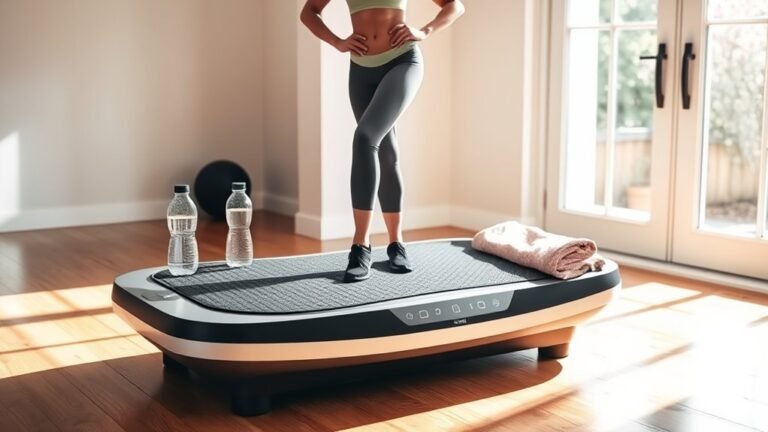
  • How Often Should I Use My Vibration Plate: A How-To Guide

    You should use your vibration plate about 2 to 4 times a week. Start with shorter sessions of 10-15 minutes if you’re new, and gradually increase as you build strength.

    Avoid daily use to prevent fatigue or soreness. It’s a good idea to mix in other exercises and prioritize recovery with rest and stretching.

    Adjust frequency based on how your body feels to stay motivated and avoid overtraining. Keep your routine consistent, and you’ll discover effective ways to optimize your vibration plate workouts.

  • How Often Should I Go to the Gym?

    You should aim to hit the gym three to five times a week, balancing strength training with cardio to build muscle and boost endurance.

    Start with full-body workouts three days a week if you’re a beginner, then adjust as you progress.

    Make sure to schedule rest days so your muscles recover and you avoid injury. Consistency is key, but listen to your body to prevent burnout.

    Keep going, and you’ll discover how to tailor your routine to your specific goals.

  • How Often Should You Go to the Gym for Best Results

    You should hit the gym 3 to 6 times a week, depending on your goals and recovery needs. For muscle gain, aim for 3-5 focused sessions with rest days to let muscles repair.

    If you want to lose weight, combine cardio and strength training 4-6 times weekly. Don’t forget rest days and proper nutrition—they’re key to progress.

    Balancing workouts with your lifestyle keeps you motivated and prevents burnout. To optimize your routine, understanding these details can make all the difference.

  • How Often Should You Go to the Gym?

    You should aim to hit the gym three to five times a week, depending on your goals and fitness level.

    If you’re focused on weight loss, a mix of cardio and strength training around 3–5 sessions works well. For muscle building, schedule workouts with rest days to let muscles recover.

    General fitness also benefits from consistent sessions balanced with recovery. Pay attention to your body to avoid overtraining.

    Keep going to discover how to adjust your routine and stay consistent.

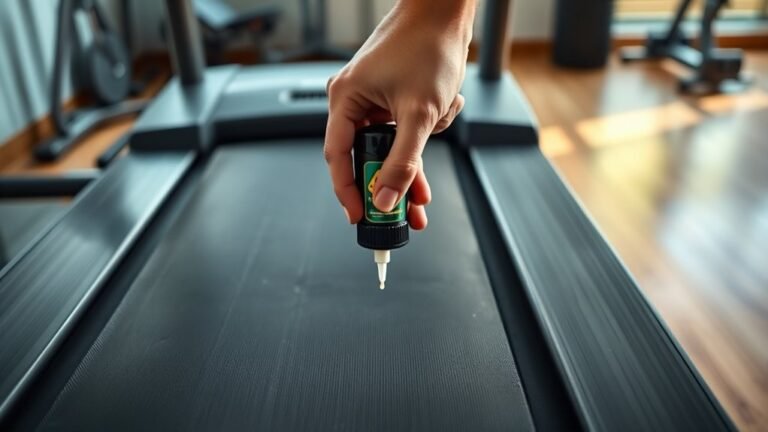
  • How Often to Lubricate Your Treadmill With Step-By-Step Instructions

    You should lubricate your treadmill every 3 to 6 months, depending on how often you use it—more frequent use means more frequent lubrication.

    Start by unplugging the machine and cleaning the belt and deck. Lift the belt to apply a silicone-based lubricant evenly under it, then slowly run the treadmill at low speed to spread the lubricant.

    Regular lubrication prevents noise, slipping, and wear, helping your treadmill last longer. Keep going to discover detailed steps and extra maintenance tips.

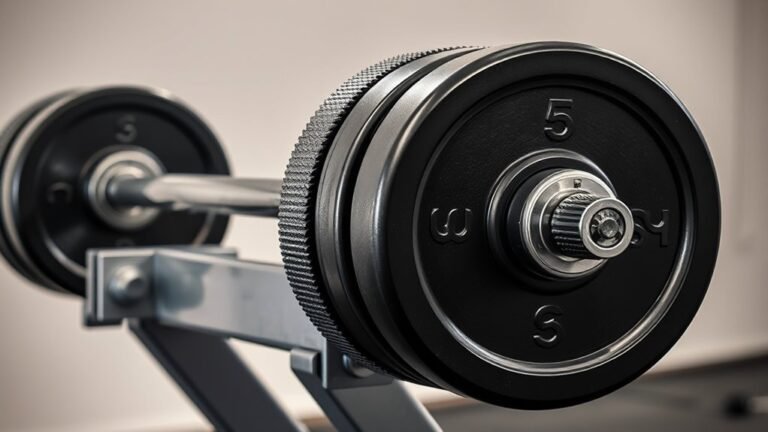
  • How Much Weight Does a Bench Press Bar Have?

    A standard Olympic bench press bar usually weighs 45 pounds (20 kilograms), but not all bars are the same. Men’s bars generally weigh 45 pounds, while women’s bars are lighter at around 33 pounds (15 kilograms).

    Specialty bars like Swiss or trap bars can vary from 25 to 75 pounds. Knowing your bar’s exact weight helps you track progress accurately and train safely.

    If you want to understand variations and pick the right bar, keep exploring these details. It’s always good to know what you’re lifting!

  • How Much Weight Does a Bench Press Bar Have?

    A standard Olympic bench press bar weighs 45 pounds, which is what you’ll find in most gyms. Women’s bars are lighter, usually around 33 pounds.

    Specialty bars can vary from 25 to 55 pounds depending on their design. It’s important to know your bar’s exact weight to load plates correctly and track progress accurately.

    If you want to understand how bar weight affects your workout and how to choose the right bar, there’s more valuable info ahead.

  • How Much Weight Does a Typical Bench Press Bar Hold?

    You can safely load a typical Olympic bench press bar with between 700 and 1,500 pounds, depending on the bar’s type and quality. Standard bars hold less weight and suit beginners, while power bars and specialty bars handle heavier loads.

    Material quality, diameter, and construction also affect how much weight the bar supports. Proper maintenance and storage help keep your bar strong and safe.

    Keep exploring to find the best bar for your training needs and how to care for it. It’s worth the effort to make sure your equipment lasts and performs well.