Blog

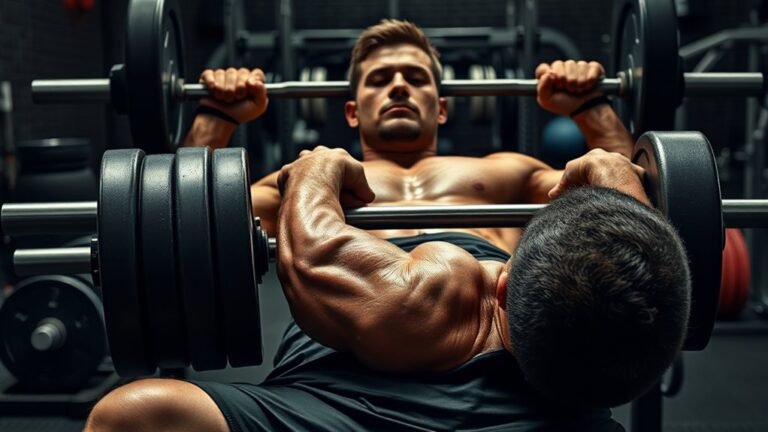
  • 7 Tips on How to Bench Press More Weight

    To bench press more weight, focus on mastering proper technique—keep your feet flat, back slightly arched, and grip just wider than your shoulders. Gradually increase weight using progressive overload, and strengthen supporting muscles like triceps and shoulders.

    Incorporate variations like incline or close-grip presses to target weak spots. Prioritize nutrition, quality sleep, and consistent warm-ups.

    Track your progress closely and adjust your workouts when needed. Stick with these strategies, and you’ll soon discover greater strength gains.

  • How to Apply Treadmill Lubricant in 10 Easy Steps

    To apply treadmill lubricant in 10 easy steps, first gather the recommended silicone lubricant and tools. Unplug your treadmill, then carefully lift the belt at the midpoint to expose the deck.

    Next, apply lubricant in a zigzag pattern along the deck’s center. Spread it evenly, then lower the belt back into place.

    Plug it in and run the treadmill at a slow speed to help distribute the lubricant. Finally, wipe off any excess.

    Follow these easy steps to keep your treadmill running smoothly and longer. There’s more helpful detail ahead for ideal care.

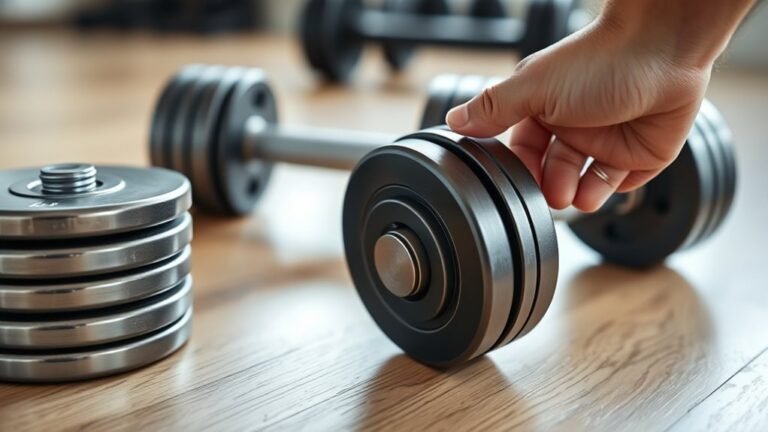
  • How to Add Weight to Dumbbells in 5 Easy Steps

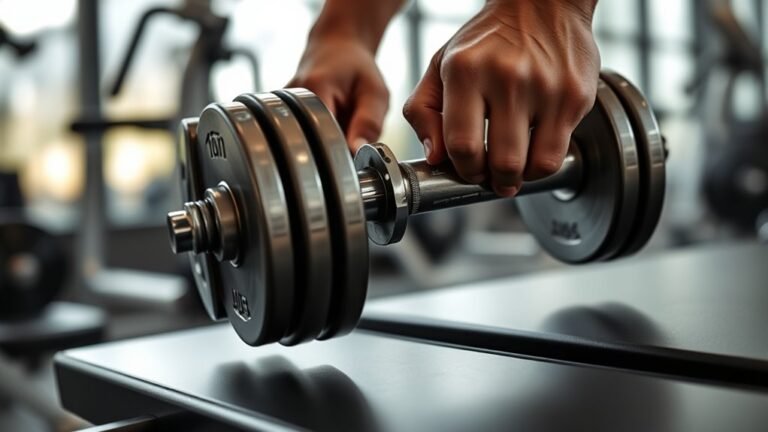
    Start by checking your dumbbells for damage and find their max weight capacity. Next, pick compatible weight plates or attachments that suit your exercise style.

    Securely fasten the weights using collars or locking mechanisms designed for your dumbbells to avoid movement. Test stability by gently moving them and doing light lifts to ensure balance.

    Finally, adjust your workout—lower reps with heavier weight and warm up well. Follow these steps, and you’ll be prepared for safer, more effective strength gains with added weight.

  • How to Add More Weight to Dumbbells Step by Step

    To add more weight to your dumbbells, first check your dumbbell bars and select compatible weight plates that fit securely. Slide the plates onto the handles, then fasten them tightly using collars or clamps to prevent slipping.

    If you have adjustable dumbbells, use weight plate adapters for easy changes. You can also use homemade inserts or resistance bands for added load, but always inspect your equipment regularly for safety.

    Keep going to discover more tips on optimizing your dumbbell setup. It’s easier than you think once you get the hang of it!

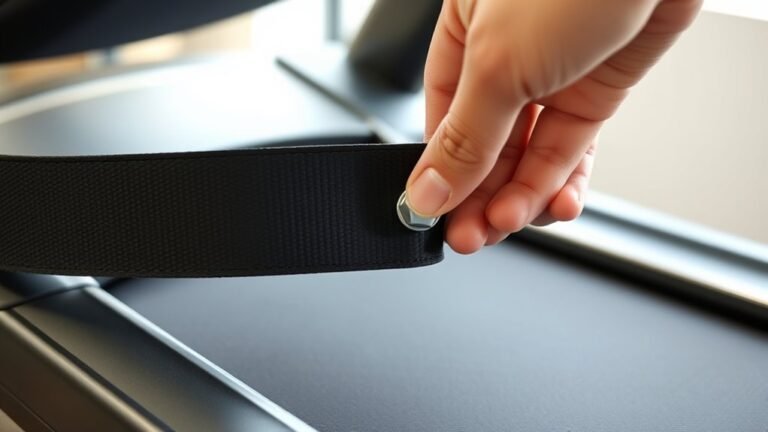
  • How Tight Should a Treadmill Belt Be and How to Adjust It

    Your treadmill belt should lift about 2 to 3 inches in the center—tight enough to prevent slipping but loose enough to glide smoothly.

    To adjust, unplug the machine, then use an Allen wrench to turn the rear tension bolts a quarter turn clockwise to tighten or counterclockwise to loosen.

    Make small adjustments, check alignment, and guarantee the belt stays centered. Keep consistent tension for safety and performance.

    Keep going to discover detailed steps and maintenance tips.

  • How Tall Is a Standard Squat Rack?

    A standard squat rack typically stands around 7 feet tall, providing enough height for most users to safely perform squats and overhead lifts. You’ll find most racks range between 60 to 84 inches, with adjustable options to fit different exercises and space constraints.

    Ceiling clearance is essential to accommodate the rack and your movements. If you want to guarantee you pick the perfect height and setup for your home gym, there’s more to think about regarding rack types and space needs.

  • How Old Do You Have to Be to Go to the Gym?

    You usually need to be at least 16 to join a gym on your own, though some gyms let younger teens in with parental consent or supervision.

    Kids under 13 mostly can’t use gyms alone and may need to participate in youth programs. Age restrictions help keep you safe and make certain you receive proper guidance.

    If you’re curious about what options and safety tips fit your age, there’s plenty more to explore about getting started the right way.

  • How Old Do You Have to Be to Go to a Gym

    You usually need to be at least 16 to join a gym on your own, though some gyms allow teens as young as 14 with parental consent or supervision.

    Younger kids often have to work out with a guardian or during special programs designed just for them. These rules help keep you safe and guarantee you use equipment properly.

    If you want to explore age-specific programs, safety tips, and alternatives like home workouts, there’s plenty more to discover.

  • How Old Do You Have to Be to Go to the Gym

    You usually need to be between 14 and 16 years old to join a gym, though rules can vary.

    If you’re younger, many gyms require parental consent and supervision while using equipment. Certain machines have age limits—for example, free weights often require you to be at least 16.

    For kids under that, there are safer, age-appropriate activities to try. Getting started early can boost your health, but it’s important to follow safety guidelines and pick the right place for you.

    More details can help you make the best choice.

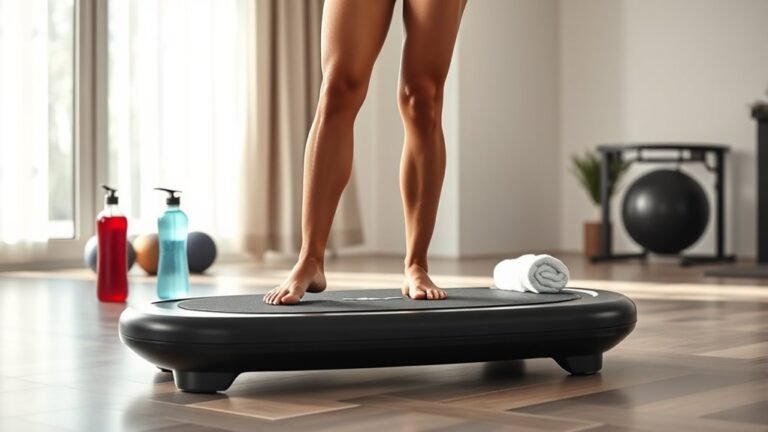
  • How Often Should You Use a Vibration Plate

    You should use a vibration plate about three to four times a week, adjusting based on your fitness level and how your body feels. Beginners should start with shorter sessions, around 10-15 minutes, and gradually increase time and intensity.

    Intermediate and advanced users often train 15-20 minutes, mixing exercises and allowing for recovery. Listening to your body to avoid soreness or fatigue is key.

    Keep going to discover how to get the most from your vibration plate safely and effectively. It’s all about finding the right balance that works for you.