
Do Peloton Bikes Require a Subscription to Use?
You don’t need a subscription to use a Peloton bike—you can ride manually and see basic metrics like cadence, resistance, and output. This means you can still get a good workout without paying extra.
However, without a subscription, you won’t have access to live and on-demand classes, personalized workouts, or community features.
The subscription unlocks the full interactive experience, expert guidance, and detailed performance tracking.
If you’re curious about how this affects your workout options, what costs are involved, or what alternatives might be available, keep exploring what Peloton offers. It’s all about finding the best way to get moving and stay motivated!
Key Takeaways
- Peloton bikes can be used without a subscription in manual riding mode with basic metrics displayed.
- But without a subscription, you won’t be able to access live or on-demand classes or personalized training plans.
- A subscription is needed to unlock Peloton’s full interactive content, which includes thousands of classes and community features.
- The Peloton All-Access Membership, which costs about $44 per month, is necessary for full bike functionality and supports multiple user profiles.
- If you’re looking for alternatives, there are free online cycling classes and third-party fitness apps that can connect via Bluetooth.
Understanding the Peloton Bike Features
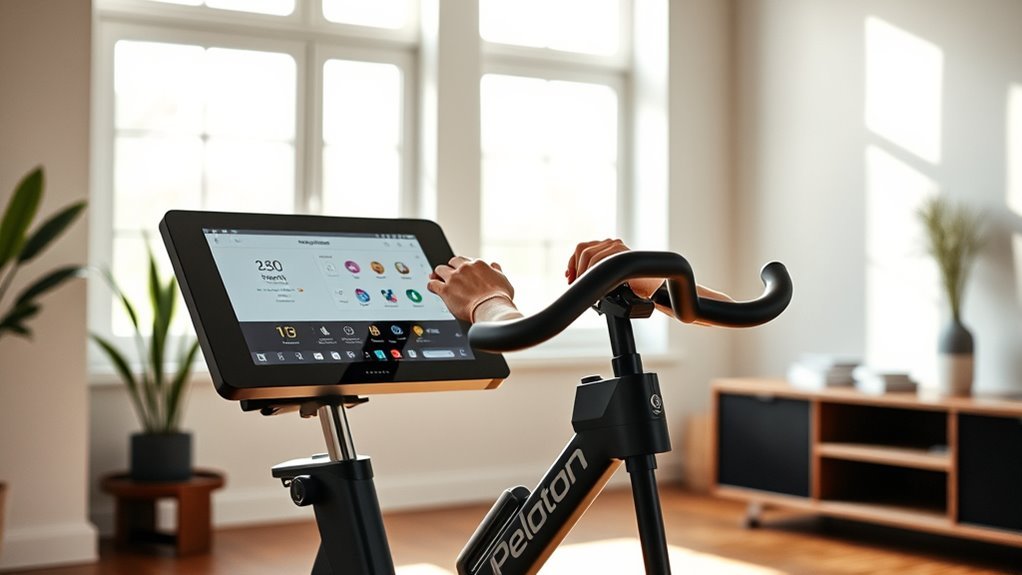
Although Peloton bikes look sleek and simple, they come packed with advanced features that enhance your workout experience. You’ll find a large touchscreen display that streams live and on-demand classes, so you can follow instructors in real time or at your own pace.
Peloton bikes combine sleek design with a large touchscreen streaming live and on-demand classes for every fitness level.
The bike’s adjustable resistance lets you customize each ride to match your fitness level and goals. Built-in metrics track your cadence, output, and heart rate, helping you monitor progress accurately.
You can also connect to Bluetooth headphones or speakers for a more immersive session. The Peloton bike’s sturdy frame and ergonomic design ensure comfort during intense workouts.
These features work together seamlessly, making your rides engaging and effective every time you hop on.
What You Get Without a Peloton Subscription

Without a Peloton subscription, you can still use the bike’s basic functions like resistance and tracking your ride. However, your workout options will be limited since you won’t have access to live or on-demand classes.
You can also use offline exercise modes, but the full interactive experience won’t be available. So, while you can get a decent workout in, some of the best features are reserved for subscribers.
Basic Bike Functions
A Peloton bike still offers several useful features even if you don’t have a subscription. You can rely on the bike’s core functionality to stay active and track your progress.
Here are three basic bike functions you get without subscribing:
- Manual Riding Mode – You can pedal freely without streaming classes. This lets you use the bike just like a standard stationary bike.
- Basic Metrics Display – The screen shows real-time stats like resistance, cadence, speed, and output. These help you keep an eye on your workout intensity.
- Built-in Workout History – The bike stores your ride data locally. That way, you can review past sessions and see how you’ve improved over time.
Limited Workout Options
What can you expect regarding workout variety if you don’t have a Peloton subscription? Without it, your options are quite limited. You’ll still be able to use the bike for basic rides, but you won’t access the vast on-demand library that Peloton offers.
This means no live classes, no varied workout lengths or music genres, and no personalized training plans.
| Feature | Without Subscription |
|---|---|
| Live Classes | Not Available |
| On-Demand Library | Limited or No Access |
| Personalized Plans | No |
You can still get a good ride in, but the engaging, diverse workouts that keep you motivated require the subscription. Without it, your sessions may get repetitive quickly.
Offline Exercise Modes
How can you stay active on your Peloton bike when you’re offline or don’t have a subscription? Without the subscription, your options are limited but still usable. You won’t have access to live or on-demand classes, but you can ride manually and track basic metrics.
Here’s what you can do offline:
- Use the “Just Ride” mode to pedal at your own pace without guided instruction.
- Access basic workout metrics like speed, distance, and resistance to monitor your effort.
- Connect to external apps or devices via Bluetooth to track your rides independently.
While these offline modes let you keep moving, subscribing unlocks a full, interactive experience. You get structured workouts and community features that make riding way more fun.
Benefits of Having a Peloton Subscription
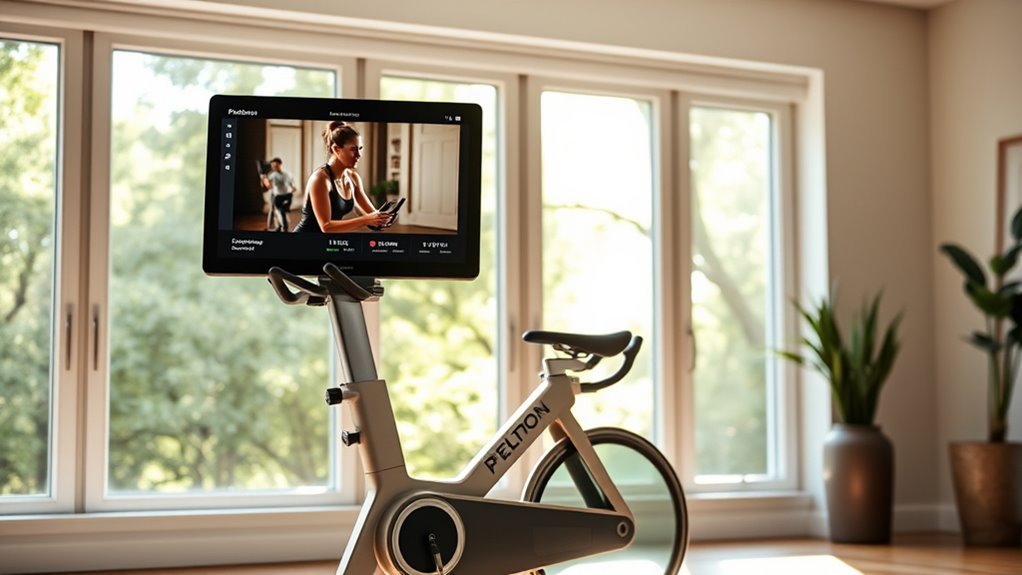
Why settle for just a bike when you can open a full fitness experience? With a Peloton subscription, you unlock access to thousands of live and on-demand classes beyond cycling, including strength training, yoga, and meditation.
You can customize workouts to fit your goals and schedule, keeping you motivated with fresh content daily. The subscription also offers performance tracking, helping you monitor progress and set new targets.
Plus, you’ll join a vibrant community where you can compete, share achievements, and get support from instructors and fellow members. This interactive aspect makes workouts more engaging and fun.
Ultimately, a Peloton subscription transforms your bike into a versatile fitness hub, maximizing your investment and helping you stay consistent on your fitness journey.
Exploring the Free Content on Peloton Bikes
While a Peloton subscription grants access to a vast array of classes and features, you don’t have to commit right away to enjoy your bike.
Peloton offers some free content that lets you explore and get a feel for the experience without a subscription. Here are three types of free content you can access:
- Introductory Classes – These help you get started with basic workouts and bike setup.
- Limited Live Classes – Occasionally, Peloton streams free live classes you can join.
- Basic Metrics Display – You’ll still see your speed, resistance, and cadence during rides.
This free content gives you a solid foundation and a taste of what Peloton offers. It’s a great way to decide if the subscription fits your fitness goals.
Comparing Subscription and Non-Subscription Experiences
When you subscribe to Peloton, you get access to a wide range of live and on-demand classes. These keep your workouts fresh and engaging, making it easy to stay motivated.
Without a subscription, you can still use the bike offline, but your options are pretty limited. You’ll mainly have basic performance tracking available.
Features With Subscription
Although you can use a Peloton bike without a subscription, subscribing grants access to a full range of features that transform your workout experience.
With a subscription, you gain a dynamic fitness platform designed to keep you motivated and engaged.
Here are three key features you get with a subscription:
- Live and On-Demand Classes – Access thousands of classes led by top instructors, available anytime to fit your schedule.
- Personalized Metrics and Tracking – Track your progress with detailed stats, helping you set goals and improve performance.
- Community and Challenges – Join leaderboards, participate in challenges, and connect with other riders to stay motivated.
These features make your workouts more interactive, personalized, and fun compared to the limited basic use without a subscription.
Using Bike Offline
Getting the most from your Peloton bike often means having a subscription, but you might wonder how it works when you’re offline. Without a subscription, your bike still functions as a stationary bike, letting you pedal and track basic stats like speed and resistance.
However, you won’t access live classes, on-demand workouts, or personalized metrics. If you have a subscription, you can download select classes ahead of time to use offline, which is perfect if your internet is spotty or you’re traveling.
This way, you won’t miss out on guided sessions or leaderboard competition. So, while you can ride without a subscription or internet, the full Peloton experience — with coaching, community, and motivation — shines when you’re connected or prepared with offline content.
Costs Associated With Peloton Membership
How much does a Peloton membership really cost? When you sign up, you’re looking at a monthly fee that gives you access to the full range of classes and features.
Here’s a quick breakdown:
Here’s a quick breakdown of Peloton membership options and costs to help you decide.
- Peloton Digital Membership: Around $12.99/month. This gives you access to the app’s workouts without needing the bike.
- Peloton All-Access Membership: About $44/month. This is required if you own the bike, and it lets you use all features on one device. Plus, you get profiles for family members.
- Initial Bike Purchase: The bike itself costs between $1,495 and $2,495, depending on the model. This is separate from the subscription.
Alternatives to Peloton Subscription for Workouts
If you want to stay active without committing to a Peloton subscription, several workout options can fit your routine and budget. You can explore free cycling classes on YouTube, where instructors offer diverse ride lengths and styles.
Apps like Zwift provide interactive cycling experiences without a mandatory subscription, letting you join virtual rides and races. Alternatively, you can use your Peloton bike with external Bluetooth devices or apps that support Bluetooth connectivity, giving you access to varied content.
Additionally, outdoor cycling or local spin classes can keep your workouts fresh and social. By mixing these alternatives, you maintain flexibility and control over your fitness journey without the recurring cost of a Peloton membership.
Is a Peloton Subscription Worth the Investment?
While alternatives to a Peloton subscription offer flexibility, you might wonder whether the official membership brings enough value to justify its cost.
Considering alternatives? The Peloton subscription’s value may outweigh its cost for committed users.
The subscription accesses a vast library of live and on-demand classes, making workouts engaging and varied. You also gain access to expert instructors who motivate and guide you through every session.
Plus, the subscription integrates performance tracking, helping you monitor progress and stay committed.
Consider these points to decide if it’s worth it for you:
- Diverse Content: Thousands of classes across cycling, running, yoga, and more keep your routine fresh.
- Community: Live leaderboards and social features connect you with others for motivation.
- Personalization: Tailored workouts adapt to your fitness level and goals.
If you value structure, variety, and motivation, the Peloton subscription is a smart investment.
Frequently Asked Questions
Can I Use Peloton App Without Owning a Peloton Bike?
Yes, you can use the Peloton app without owning a Peloton bike. Just download it on your phone, tablet, or smart TV, and you’ll have access to thousands of workouts for running, cycling, yoga, and more.
It’s super flexible! Whether you’re into strength training or meditation, there’s something for everyone. So, no bike? No problem at all.
How Often Are New Workouts Added to Peloton Classes?
You’ll find new Peloton workouts added almost daily—like they never sleep! This constant stream keeps your routine fresh, so you’re always challenged and motivated.
It makes it nearly impossible to get bored or plateau. Pretty cool, right?
Are Peloton Bikes Compatible With Third-Party Fitness Apps?
Peloton bikes aren’t fully compatible with most third-party fitness apps since their software is proprietary. However, you can use Bluetooth headphones or connect external devices for music.
But when it comes to workout tracking, that mostly stays within Peloton’s own platform. So, if you’re hoping to sync your rides with other apps, your options might be a bit limited.
What Is the Warranty Period for Peloton Bikes?
You get a one-year limited warranty covering parts and labor on your Peloton bike. If anything breaks or malfunctions during that time, Peloton will repair or replace it to keep you riding smoothly.
Can Multiple Users Share One Peloton Subscription Account?
Imagine you and your partner sharing a Peloton subscription; yes, multiple users can share one account, but only one user profile streams classes at a time.
Each can track progress separately under that shared subscription.
Conclusion
Using your Peloton bike without a subscription is like having a powerful car but only using it to drive around the block. You can still ride, but you’re missing out on the full experience.
While you can pedal and access limited features without a membership, subscribing opens up a world of live classes, personalized workouts, and community support.
If you want to get the most from your Peloton, a subscription is well worth the investment. Having a Peloton subscription not only unlocks diverse workout options but also connects you with a motivating community and expert instructors. So, although the bike itself doesn’t require a subscription to use, the full Peloton experience really shines when you subscribe.