Does Using a Vibration Plate Help Relieve Constipation?
You can use a vibration plate to help relieve constipation by stimulating your abdominal muscles and improving circulation.
This promotes better bowel movements by encouraging muscle contractions. Plus, it increases intestinal motility, making it easier for waste to move through your digestive system.
The vibrations work like a gentle nudge for your digestive tract, helping things move along more smoothly.
While it’s a safe, passive way to support digestion alongside a healthy diet and regular exercise, it’s not a cure-all.
If you want to understand how it works and when to use it safely, keep exploring the details.
Key Takeaways
- Vibration plates stimulate abdominal muscles and intestinal motility, potentially aiding bowel movement and relieving constipation. The mechanical vibrations also enhance blood circulation and digestive tract muscle tone, supporting improved gut function.
- Research indicates vibration therapy can be especially helpful for older or immobile individuals by promoting peristalsis. So, it can give your digestive system a little boost when you need it most.
- Vibration plates are generally a safe, passive method to complement dietary and lifestyle changes. But remember, they’re not a standalone treatment for constipation.
- It’s always a good idea to consult a healthcare professional before starting use. And if constipation sticks around or you develop severe symptoms, make sure to get medical attention.
Understanding Constipation and Its Causes

Although constipation is a common issue, you might not realize how many factors can cause it. When your bowel movements slow down or become difficult, it’s often due to diet, hydration, or lifestyle habits.
Constipation can stem from various factors like diet, hydration, and lifestyle habits affecting bowel movements.
If you don’t drink enough water or eat enough fiber, your stool can become hard and tough to pass. Lack of physical activity also plays a role by slowing digestion.
Stress and certain medications may interfere with your digestive system, too. Sometimes, underlying health conditions like thyroid problems or digestive disorders contribute to constipation.
Understanding these causes helps you recognize what might be affecting you and take steps to improve your digestive health. By addressing these factors, you can better manage or prevent constipation effectively.
What Is a Vibration Plate and How Does It Work?

You might be wondering what a vibration plate is and how it actually works. This device creates rapid vibrations that cause your muscles to contract and relax repeatedly.
Basics of Vibration Plates
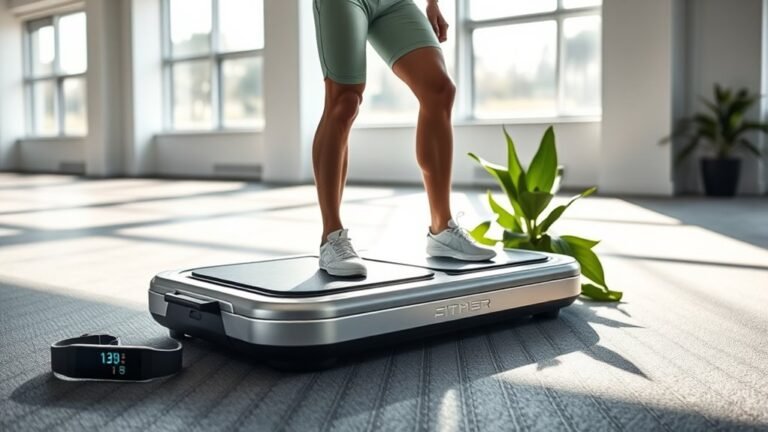
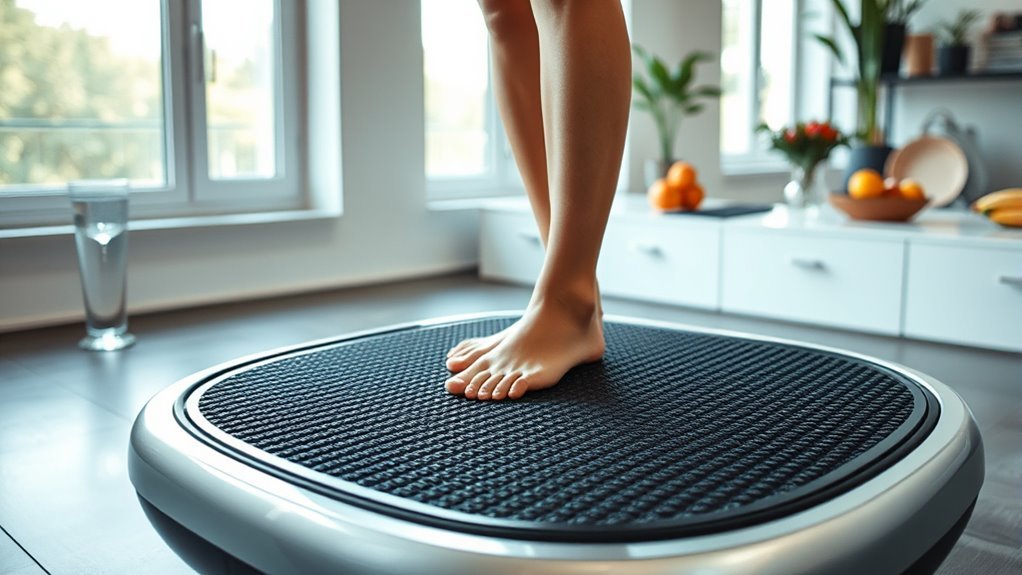
When you step onto a vibration plate, the machine sends rapid vibrations through your body. This causes your muscles to contract and relax multiple times per second.
These platforms usually have a flat surface that oscillates or vibrates at adjustable speeds. You can stand, sit, or even perform exercises on it while it’s running.
The vibrations stimulate muscle fibers and increase muscle activity without needing intense effort from you. Most vibration plates let you control frequency and amplitude, so you can tailor the experience to your comfort and goals.
The device is compact and easy to use at home or in gyms. Knowing these basics helps you understand how the vibration plate engages your body and why it’s become popular for fitness and wellness routines.
Mechanism of Action
Understanding how a vibration plate works starts with the way it sends mechanical vibrations through your body. When you stand, sit, or perform exercises on the plate, it generates rapid vibrations that activate your muscles involuntarily.
These vibrations stimulate your muscle fibers to contract and relax repeatedly, improving circulation and muscle tone. As your muscles engage, the gentle shaking also encourages movement in your digestive tract, potentially enhancing bowel motility.
This increased stimulation can help reduce constipation by promoting more regular bowel movements. Virtually, the vibration plate acts like a passive workout, boosting muscle activity and circulation without requiring intense effort from you.
The Science Behind Vibration Therapy and Digestive Health

Although vibration therapy is often associated with muscle toning and fitness, it also plays a significant role in enhancing digestive health. When you use a vibration plate, the mechanical oscillations stimulate your abdominal muscles and improve blood circulation in the digestive tract.
This stimulation can enhance the movement of your intestines, promoting better digestion and helping to reduce discomfort caused by sluggish bowel activity. Plus, the vibrations activate the parasympathetic nervous system, which supports relaxation and can positively influence gut motility.
While the exact mechanisms are still being studied, early research suggests that vibration therapy encourages smoother muscular contractions in your digestive system. This might help in more regular bowel function.
Potential Benefits of Vibration Plates for Bowel Movements
How can using a vibration plate improve your bowel movements? The gentle vibrations stimulate your abdominal muscles and digestive tract, which can help promote regularity.
By enhancing circulation and muscle activity, vibration plates may make it easier for your intestines to move waste along. Plus, they activate your core muscles, supporting better posture and digestion.
Vibration plates boost circulation and muscle activity, aiding intestinal movement and enhancing posture for improved digestion.
Here are some potential benefits you might experience:
- Increased intestinal motility, helping waste move through your colon more efficiently
- Improved blood flow to digestive organs, boosting overall gut health
- Enhanced muscle tone in your abdomen, which supports natural bowel function
Using a vibration plate regularly could be a simple, non-invasive way to support your digestive system and reduce constipation discomfort. Give it a try and see how it works for you!
Research Studies on Vibration Plates and Constipation Relief
You’ll find several clinical studies showing how vibration plates can help ease constipation. These studies explain the mechanisms behind how vibrations stimulate bowel movements and improve digestion.
Let’s explore the evidence and understand what’s happening inside your body. It’s pretty interesting how something as simple as vibration can make a difference!
Clinical Evidence Overview
When researchers examine vibration plates, they often focus on their potential to stimulate bowel movements and ease constipation. Clinical studies have provided mixed but promising results.
Some trials show that regular use of vibration plates can improve gut motility and reduce constipation symptoms, especially in older adults or those with limited mobility. However, other studies caution that evidence is still limited and more rigorous research is needed.
Here’s what clinical evidence generally highlights:
- Vibration therapy may increase abdominal muscle activity, aiding bowel movement.
- Short-term improvements in stool frequency have been reported.
- Effects vary based on vibration intensity, duration, and individual health.
You should consider these findings as preliminary, but they suggest vibration plates could be a useful complementary approach for constipation relief.
Mechanisms Behind Relief
Understanding the clinical evidence is just the first step; uncovering the biological processes behind vibration plates’ effects on constipation gives you deeper insight into their potential benefits.
Research suggests that vibration stimulates your abdominal muscles and intestinal walls, enhancing peristalsis—the wave-like contractions that move stool through your colon. These mechanical vibrations may also activate the parasympathetic nervous system, which promotes digestive activity and relaxation of the gastrointestinal tract.
Additionally, vibration plates improve blood circulation around your digestive organs, potentially speeding up metabolism and waste elimination. Studies highlight that these combined effects facilitate bowel movements, reducing constipation symptoms.
While more research is needed, the current understanding shows how vibration plates might support your digestive health by directly influencing the physiological functions responsible for regular bowel activity.
How to Use a Vibration Plate Safely for Digestive Health
Although vibration plates can boost digestive health, using them correctly is essential to avoid discomfort or injury. Start by setting the vibration intensity to a low level, especially if you’re new to this.
Use the plate for short sessions, around 5 to 10 minutes, to allow your body to adjust without strain. Maintain a proper posture—stand with knees slightly bent and core engaged—to maximize benefits and reduce risk.
Here are tips to help you use the vibration plate safely:
- Begin with low frequency and gradually increase as you become comfortable.
- Avoid standing on the plate if you have certain health conditions without consulting a doctor.
- Stay hydrated and listen to your body; stop if you feel dizzy or uneasy.
Comparing Vibration Plates With Other Constipation Remedies
Using a vibration plate safely sets the foundation for exploring how it stacks up against other constipation remedies. Unlike laxatives, which directly stimulate bowel movements, vibration plates work by enhancing muscle activity and circulation, promoting natural digestion without side effects.
Compared to dietary changes like increasing fiber and water intake, vibration plates offer a physical boost, but they shouldn’t replace healthy eating habits. Exercise routines, especially those involving abdominal engagement, often provide similar benefits by encouraging regular bowel function.
However, vibration plates can be a convenient option if traditional exercise feels challenging. While probiotics target gut flora to improve digestion, vibration plates focus on muscle stimulation.
You’ll find that combining these approaches often yields the best results for easing constipation effectively and safely.
When to Seek Medical Advice for Persistent Constipation
If your constipation lasts more than a few weeks or comes with severe pain, blood in your stool, or unexplained weight loss, you should see a doctor promptly. Persistent constipation can signal underlying health issues that need professional evaluation.
Persistent constipation with severe pain or blood requires prompt medical evaluation to rule out serious conditions.
Don’t ignore symptoms that interfere with daily life or cause discomfort. Early medical advice helps prevent complications and guides effective treatment.
You should seek medical advice if you experience:
- Severe abdominal pain or bloating
- Noticeable changes in bowel habits, like diarrhea alternating with constipation
- Blood in your stool or black, tarry stools
Frequently Asked Questions
Can Vibration Plates Help With Other Digestive Issues Besides Constipation?
Yes, vibration plates can help improve overall digestion by stimulating muscle contractions and increasing blood flow.
You’ll likely notice reduced bloating and better bowel movements. But, always consult a doctor for specific digestive concerns or conditions.
Are Vibration Plates Safe for Children Experiencing Constipation?
You shouldn’t let your child bounce on vibration plates without a doctor’s nod—they’re like a storm stirring calm seas, powerful but unpredictable.
Always check with a pediatrician to guarantee safety before starting any new treatment.
How Often Should Vibration Plate Sessions Be Done for Best Results?
You should use the vibration plate about 3 to 4 times a week for 10 to 15 minutes per session. Consistency matters, but don’t overdo it.
Listen to your body and adjust as needed for best results. It’s all about finding the right balance that works for you.
Do Vibration Plates Affect Gut Bacteria or Microbiome Health?
Vibration plates don’t directly affect your gut bacteria or microbiome health. However, they can boost circulation and muscle activity, which might indirectly support digestion.
If you’re looking for microbiome benefits, it’s better to focus on diet, probiotics, and overall lifestyle habits. Those play a much bigger role in keeping your gut healthy.
Can Vibration Plates Be Combined With Medication for Constipation Relief?
Imagine juggling two balls—medication and a vibration plate—carefully to keep balance. You can combine them for constipation relief, but always check with your doctor first.
This helps avoid any unexpected side effects or interactions. Better safe than sorry, right?
Conclusion
If you’re looking for a gentle nudge to ease your daily rhythm, a vibration plate might offer just that subtle boost. While it’s not a magic fix, it can encourage movement and support your digestive flow in a natural way.
Remember, it’s one of many tools to contemplate. If things stay a bit too quiet for comfort, don’t hesitate to chat with a healthcare professional to keep everything running smoothly.
Using a vibration plate can help relieve constipation by stimulating muscle activity and promoting circulation, which may aid digestion. However, it works best combined with other healthy habits like hydration, a fiber-rich diet, and regular exercise. So, while a vibration plate might support digestive health and ease constipation, it’s important to view it as part of a broader approach. If constipation persists, seeking advice from a healthcare provider is always a good idea to ensure your digestive system stays on track.