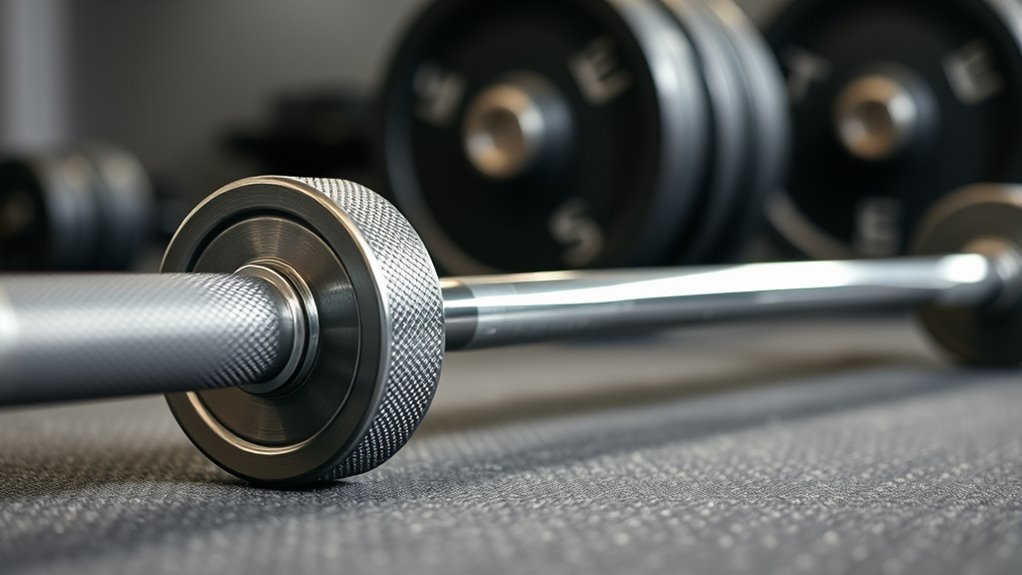
How Much Does a Bench Press Bar Weigh?
A standard bench press bar typically weighs 20 kilograms (44 pounds), which is something you’ll definitely want to consider when tracking your lifting progress. Knowing the weight of the bar is key to understanding your total lift and improving your strength over time.
Men’s bars usually measure 7 feet long with a 28-millimeter grip diameter, making them the go-to choice in most gyms. Women’s bars, on the other hand, are lighter—around 15 kilograms (33 pounds)—and a bit shorter, which can make a big difference in feel and control.
Specialty bars come in all sorts of weights and designs, so they can really change how your workout feels and what muscles you target.
Getting familiar with these details helps you pick the right bar for your goals and fine-tune your technique. Keep exploring to discover more about different bar types and some handy training tips!
Key Takeaways
- A standard men’s bench press bar typically weighs 20 kg (44 lbs) and measures about 7 feet long.
- Women’s bench press bars usually weigh 15 kg (33 lbs) and are approximately 6.5 feet long with a thinner grip.
- Specialty bars vary quite a bit: Swiss bars weigh between 15-25 lbs, cambered bars come in around 35-45 lbs, and safety squat bars are about 55 lbs.
- The bar’s weight really depends on a few things like the material, length, diameter, and design features such as knurling and rotating sleeves.
- Knowing the exact bar weight is super important to calculate the load correctly.
- This helps keep your bench press training both safe and effective.
Standard Olympic Bench Press Bar Weight
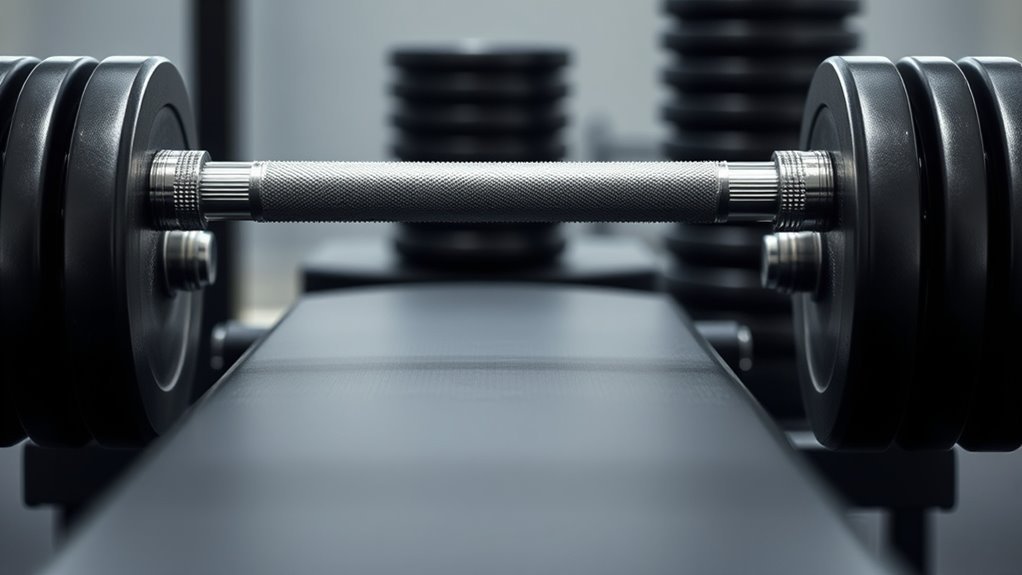
Although it might seem straightforward, knowing the exact weight of a standard Olympic bench press bar is essential for tracking your progress accurately. Typically, this bar weighs 20 kilograms (44 pounds).
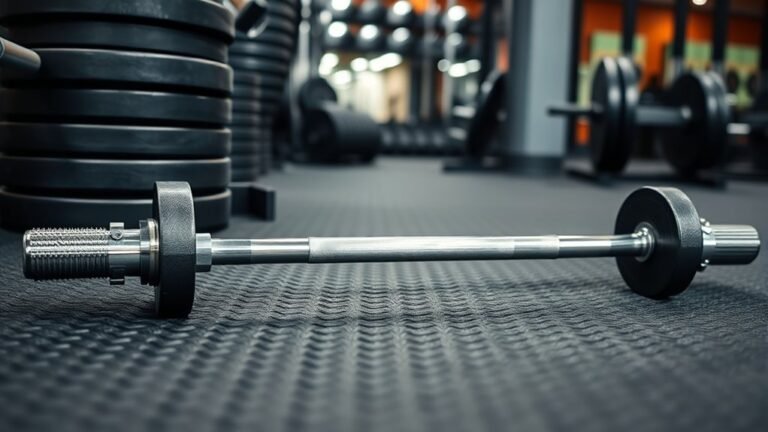
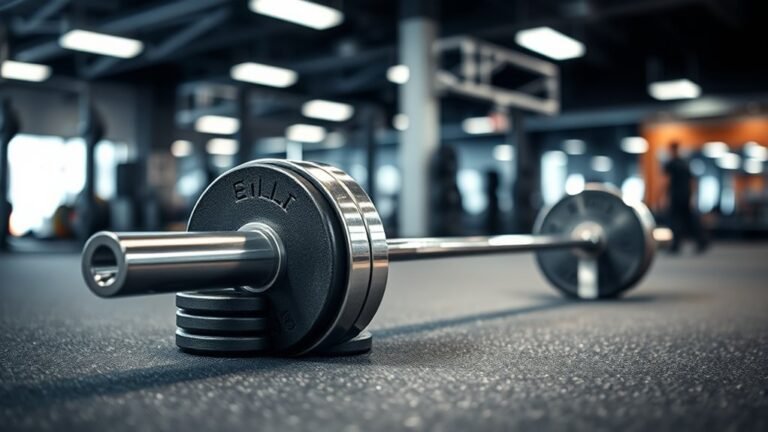
It measures about 7 feet long and has a diameter of 28 millimeters, designed to fit Olympic-sized weight plates. When you load plates onto this bar, the total weight includes the bar’s own mass, so you can’t overlook it.
Using a standard Olympic bar ensures consistency in your workouts and competitions. It’s also built to handle a high amount of weight, often rated for over 700 pounds, so durability isn’t a concern.
Keeping these details in mind helps you set realistic goals and measure your strength gains precisely every time you bench press.
Differences Between Men’s and Women’s Bars
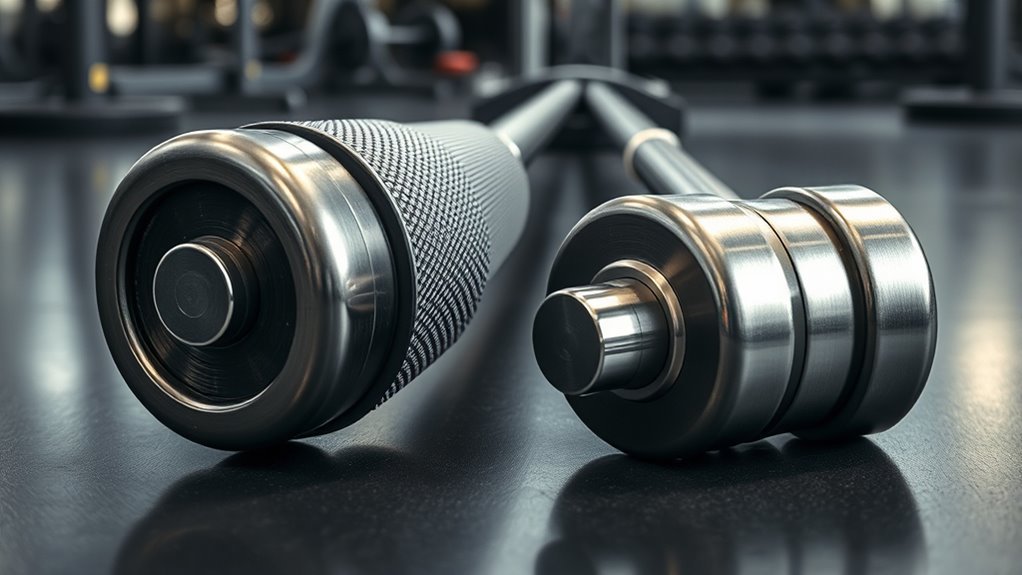
While the standard Olympic bar sets a baseline, you’ll find that men’s and women’s bench press bars differ in weight, length, and thickness to accommodate varying strength levels and body sizes.
Men’s bars typically weigh 20 kilograms (44 pounds), measure about 7 feet long, and have a thicker grip diameter around 28 millimeters.
Men’s bench press bars weigh 20 kg, are about 7 feet long, with a 28 mm grip diameter.
Women’s bars, on the other hand, usually weigh 15 kilograms (33 pounds), are shorter at roughly 6.5 feet, and have a narrower grip diameter near 25 millimeters.
These differences help you handle the bar more comfortably and safely, matching your physique and strength.
Specialty Bench Press Bars and Their Weights
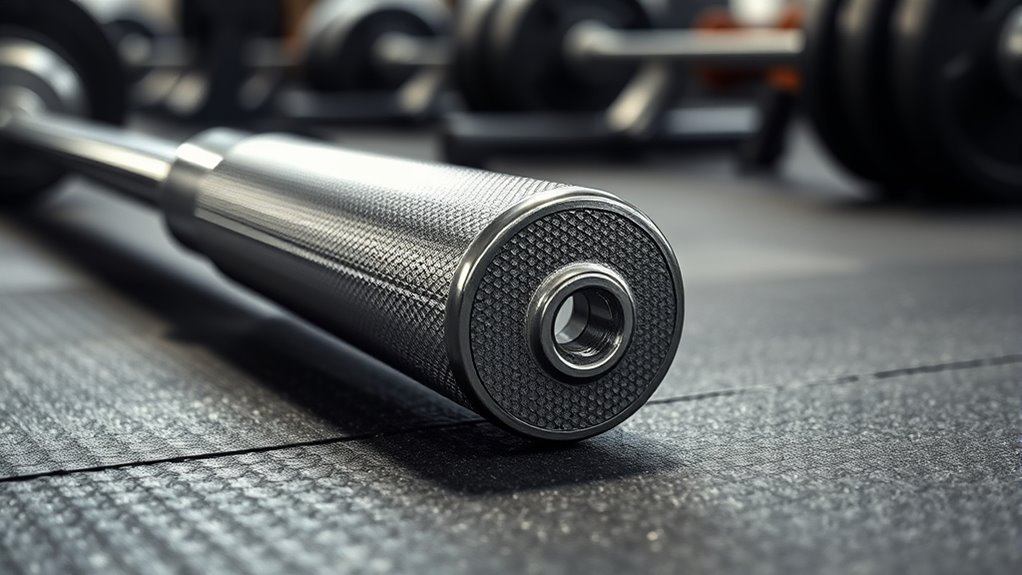
If you’re looking to target specific muscle groups or improve your bench press form, specialty bench press bars offer unique designs and weights that differ from standard bars.
For example, a Swiss bar, also known as a football bar, typically weighs between 15 to 25 pounds. Its multiple grips reduce shoulder strain while emphasizing triceps and chest.
Meanwhile, a cambered bar, which has a curved shape, usually weighs around 35 to 45 pounds and challenges your stability, engaging more stabilizer muscles.
Safety squat bars, often used for squats but sometimes adapted for bench pressing, weigh approximately 55 pounds and help maintain proper posture.
When you choose specialty bars, keep their distinctive weights in mind to ensure your training loads remain consistent and effective. It’s a small detail that can make a big difference in your progress.
Factors Affecting Bench Press Bar Weight
Specialty bench press bars bring unique weights and designs that affect your lifting experience, but several other factors also influence the overall weight of a bench press bar.
Specialty bench press bars feature distinct weights and designs that shape your lifting experience uniquely.
The material used plays a huge role—steel bars tend to be heavier than those made from aluminum or composite materials. The bar’s length and diameter impact weight too; longer or thicker bars usually weigh more.
Knurling type and thickness can add slight weight differences, as can the presence of additional features like rotating sleeves or reinforced collars. Even manufacturing standards vary, so bars labeled “standard” might differ slightly in weight between brands.
When choosing a bar, consider these factors since they can affect not only how much the bar weighs but also how it feels during your bench press sessions. It’s worth paying attention to these details to get the best fit for your workouts.
How to Weigh Your Bench Press Bar Accurately
To weigh your bench press bar accurately, start by using a digital scale for precise measurement. Make sure to calibrate the scale before placing the bar on it to avoid errors.
Taking these steps guarantees you get an exact weight reading every time. It’s really that simple when you follow the right process!
Use a Digital Scale
When you want the most precise measurement of your bench press bar, using a digital scale is your best bet. Place the bar carefully on the scale, ensuring it’s centered and stable to avoid inaccurate readings.
Digital scales offer clear, easy-to-read displays, making it simple to get an exact weight. If your bar is too long to fit on the scale, try weighing just the main shaft and then add estimated weight for collars or sleeves separately.
Remember to note the unit of measurement on the scale, whether pounds or kilograms, so you interpret the result correctly. Using a digital scale removes guesswork, giving you confidence in your bar’s true weight every time you measure it.
Calibrate Before Measuring
Although weighing your bench press bar seems straightforward, calibrating your scale beforehand guarantees you get an accurate measurement. Start by placing the scale on a flat, stable surface and turning it on.
Most digital scales have a calibration mode—check the manual to activate it. Use a known weight, like a dumbbell or calibration weight, to set the scale properly.
If you don’t have a calibration weight, you can often use household items with a consistent weight, but be sure to verify their accuracy first. Once calibrated, zero the scale before placing your bench press bar on it.
This step eliminates any baseline errors, ensuring the weight you read is precise. Skipping calibration can lead to incorrect data and affect your training progress.
Impact of Bar Weight on Workout Progress
Since the weight of the bench press bar forms the foundation of your lift, it directly affects your workout progress. Knowing the bar’s weight helps you accurately track improvements and set realistic goals.
Using a heavier or lighter bar without accounting for its weight can skew your progress measurement. So, it’s important to keep that in mind when you’re training.
Here’s how bar weight impacts your training:
| Bar Weight | Impact on Workout | Progress Tracking |
|---|---|---|
| Standard | Consistent baseline | Accurate load calculation |
| Lighter | Easier start | May overestimate progress |
| Heavier | Increased challenge | Requires adjusted expectations |
Common Misconceptions About Bench Press Bar Weight
Understanding how bar weight affects your workout progress sets the stage for clearing up common misconceptions about bench press bar weight. You might think all bench press bars weigh exactly 45 pounds, but that’s not always true. Some bars can be lighter or heavier depending on their design and materials.
Another misconception is that bar weight doesn’t matter—that only the plates count. In reality, the bar’s weight contributes to the total load, so ignoring it can lead to inaccurate tracking of your progress.
You may also assume that Olympic bars and standard bars are interchangeable, but their weights and dimensions often differ. Knowing these facts helps you train smarter and avoid over- or underestimating your lifts.
Choosing the Right Bench Press Bar for Your Training
You’ll want to pick a bench press bar that fits your training goals, whether it’s a standard, Olympic, or specialty bar. Keep the bar’s weight, material, and grip texture in mind, as these factors affect your comfort and performance.
Understanding these details helps you choose a bar that matches your strength level and workout style. It’s all about finding the right fit for what you want to achieve in your training.
Bar Types Overview
Although all bench press bars look similar, choosing the right one can considerably impact your training effectiveness and safety. You’ll encounter several bar types, each designed for specific needs.
Standard bars are great for beginners and casual lifters, offering straightforward use. Olympic bars are the most common in gyms, built to handle heavier loads with better durability and whip.
Specialty bars, like the Swiss or cambered bars, provide unique grips or angles to reduce shoulder strain and target muscles differently. If you’re into powerlifting, you’ll want a power bar that’s stiffer and thicker for maximal load.
Understanding these distinctions helps you pick a bar that matches your goals, comfort, and training style, ensuring you lift safely and efficiently every session.
Weight Considerations
Picking the right bench press bar goes beyond its type; the bar’s weight plays a big role in how your training feels and progresses. Standard bars usually weigh around 20 kilograms (44 pounds), which adds a solid baseline to every lift.
If you’re just starting out, that extra weight might challenge you more than the plates themselves. So, consider lighter bars to build technique without overexerting.
On the other hand, if you’re experienced, a heavier bar can help you handle more weight and improve strength gains. Remember, knowing the bar’s weight lets you accurately track your progress and avoid plate-loading errors.
Always factor in the bar’s weight when calculating your total lift. This way, your training stays effective and your goals stay clear.
Material and Grip
Since the bar’s material and grip directly affect your comfort and performance, choosing the right bench press bar means paying close attention to these features. Different materials influence the bar’s durability and feel, while grip design impacts your control and safety during lifts.
You want a bar that won’t slip yet feels comfortable in your hands.
Consider these key points when selecting your bar:
- Material: Steel bars offer strength and longevity; some have coatings like chrome or zinc to resist rust.
- Knurling: The texture etched into the bar should balance grip and comfort.
- Diameter: A thinner bar may improve grip, while thicker bars challenge your forearms.
- Center Knurl: Some bars have a knurled center for extra grip, which can help stabilize the bar on your back.
Choose wisely to enhance your bench press experience.
Frequently Asked Questions
Can I Use a Bench Press Bar for Deadlifts?
Yes, you can use a bench press bar for deadlifts, but it’s not ideal. Bench press bars are usually thinner and less sturdy than deadlift bars, so you might want to use a proper deadlift bar for safety and performance.
That said, if a bench press bar is all you have, it can work in a pinch. Just be careful and pay attention to how it feels during your lifts.
How Often Should I Replace My Bench Press Bar?
You should replace your bench press bar when you notice bending, rust, or worn knurling affecting grip.
Regularly inspect it every few months, especially if you train frequently or lift heavy weights. This helps guarantee safety.
Does Temperature Affect the Bar’s Weight or Performance?
Like a chameleon, temperature subtly influences your bar’s performance but not its weight.
Extreme heat or cold might affect grip or steel flexibility, so keep your bar in a stable environment to lift confidently every time.
Are There Bench Press Bars Designed for Beginners?
Yes, you’ll find bench press bars designed for beginners—they’re lighter and easier to handle. These bars help you focus on form and build strength gradually without overwhelming you with heavy, competition-standard weights.
It’s all about getting comfortable first. Once you nail the technique, you can move up to heavier bars at your own pace.
How Do Barbell Knurling Patterns Affect Grip?
Barbell knurling patterns either enhance or hinder your grip—aggressive knurling boosts traction but can irritate your hands, while subtle knurling feels gentler yet risks slipping.
You’ll want to balance comfort with control during lifts. It’s all about finding what works best for you.
Conclusion
Now that you know a standard Olympic bench press bar typically weighs 45 pounds, with variations for men’s, women’s, and specialty bars, you can lift smarter, not just harder. Think of the bar’s weight as the foundation of a building—solid and essential.
By understanding these differences and weighing your bar accurately, you’ll build stronger workouts and avoid common pitfalls. Choosing the right bench press bar is key to making consistent progress.
So, whether you’re using a men’s, women’s, or specialty bar, knowing how much your bench press bar weighs helps you plan your lifts better. Keep this in mind, and watch your strength and confidence rise like a well-constructed tower.