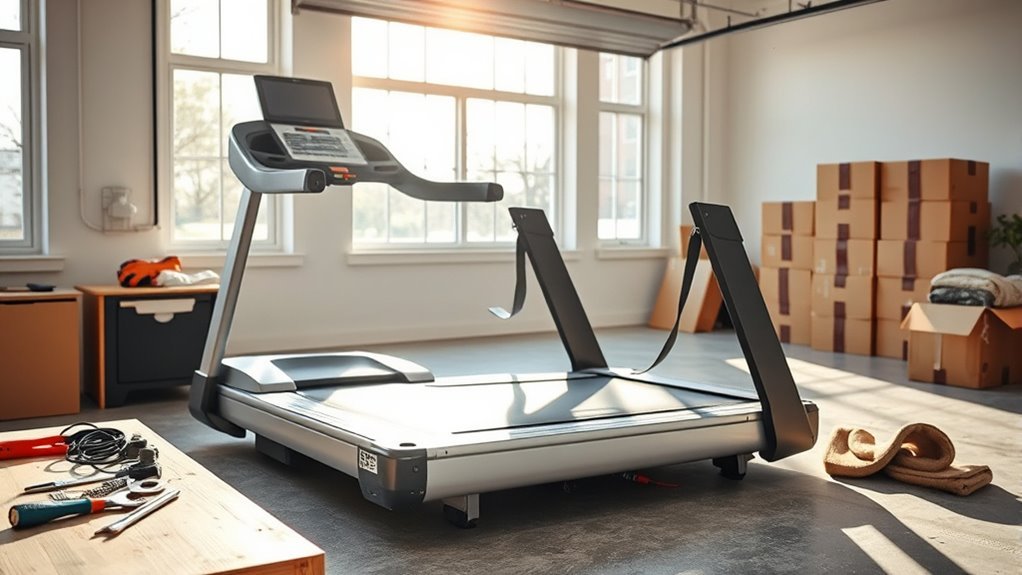
How Do I Get Rid of a Treadmill Step by Step
Start by checking if your treadmill works well and note any damage. This will help you decide the best way to get rid of your treadmill, whether that’s selling, donating, or recycling it. Knowing its condition upfront saves you time and effort.
Next, unplug your treadmill and give it a good clean. Dirt and sweat build-up can make moving it messy.
Then, fold or disassemble it if possible—that makes it easier to handle and transport without straining yourself.
After that, look for local buyers, donation centers, or recycling programs that accept fitness equipment. Scheduling a pickup or drop-off depends on what option you choose.
Don’t forget to sort out any electronic parts or components that can’t be recycled and dispose of them safely.
Keep reading to uncover detailed tips for each step and make the process smooth and hassle-free!
Key Takeaways
- Assess the treadmill’s condition by checking power, belt, frame, and motor for functionality and damage.
- Decide to sell, donate, recycle, or dispose based on its usability and local options.
- Prepare the treadmill by unplugging, cleaning, securing parts, folding if possible, and padding for transport.
- Locate appropriate channels such as online marketplaces, charities, or certified recycling centers for disposal or donation.
- Separate non-recyclable parts like electronics, batteries, and rubber belts, then follow local regulations for responsible disposal.
Assess the Condition of Your Treadmill
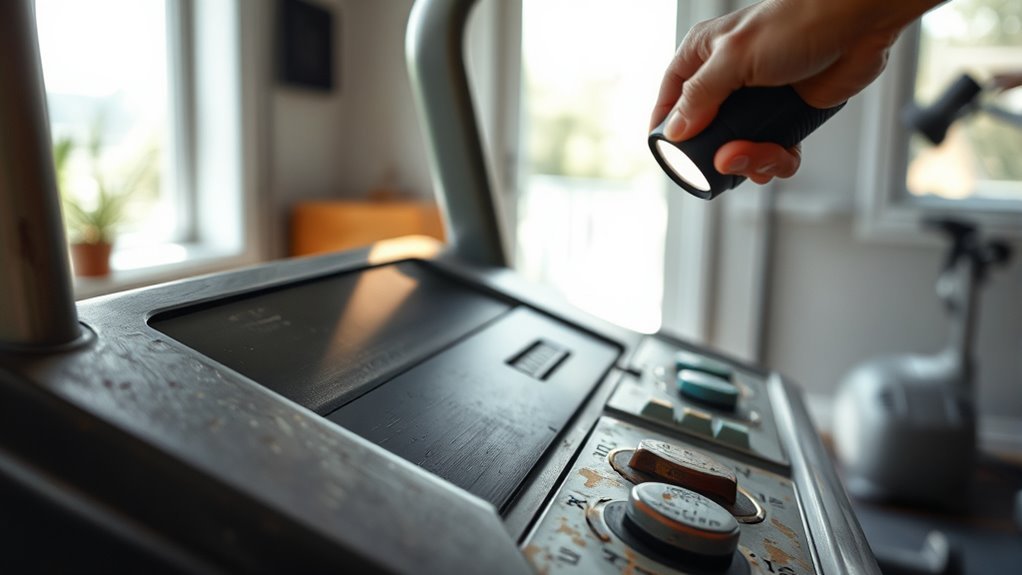
Before you decide how to get rid of your treadmill, you need to assess its condition carefully. Start by checking if it powers on and if all functions work properly.
Assess your treadmill’s condition first—check if it powers on and all functions operate correctly before deciding what to do next.
Inspect the belt for wear, tears, or fraying. Look over the frame for any rust, cracks, or structural damage.
Test the motor and listen for unusual noises that could indicate mechanical issues. Consider how old the treadmill is and whether replacement parts are still available.
If it’s in good shape, you might have more options later. If it’s broken beyond repair, you’ll need to handle disposal differently.
Taking a close look now helps you figure out the best next steps and ensures you don’t waste time or resources on something unusable.
Decide Between Selling, Donating, or Recycling
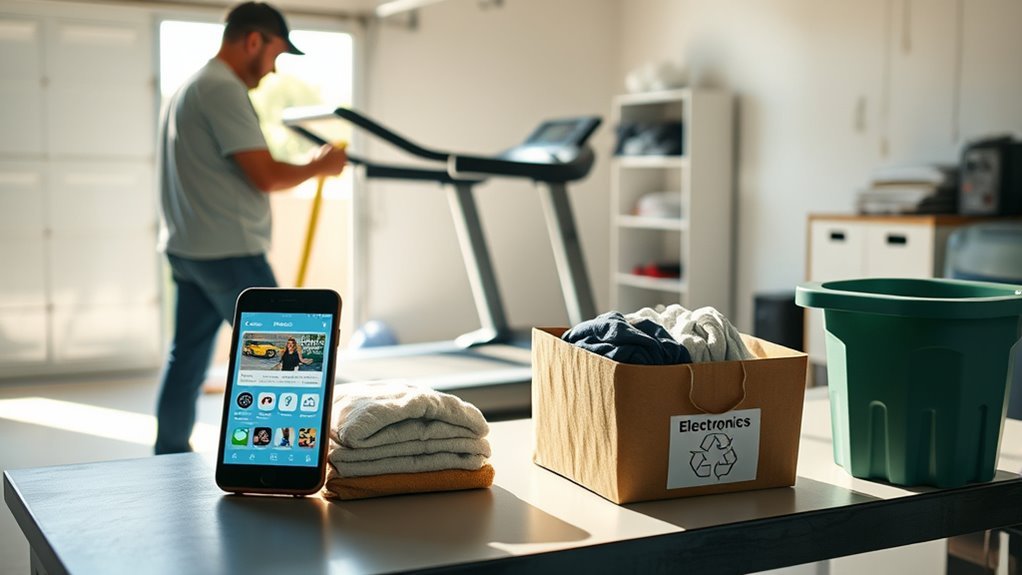
Once you know your treadmill’s condition, you can decide whether to sell it, donate it, or recycle it.
If it’s in good shape and works well, selling it online or locally can earn you some cash. Platforms like Craigslist or Facebook Marketplace make this easy.
Donating is a great option if you want to help others and avoid hassle. Charities, gyms, or community centers might accept it, especially if it’s still functional.
If the treadmill is broken or too old, recycling is the responsible choice. Check with local recycling centers or electronic waste programs to dispose of it properly.
Avoid tossing it in the trash, as treadmills contain parts that shouldn’t end up in landfills. Choosing the right option depends on your treadmill’s condition and your priorities.
Prepare the Treadmill for Transport
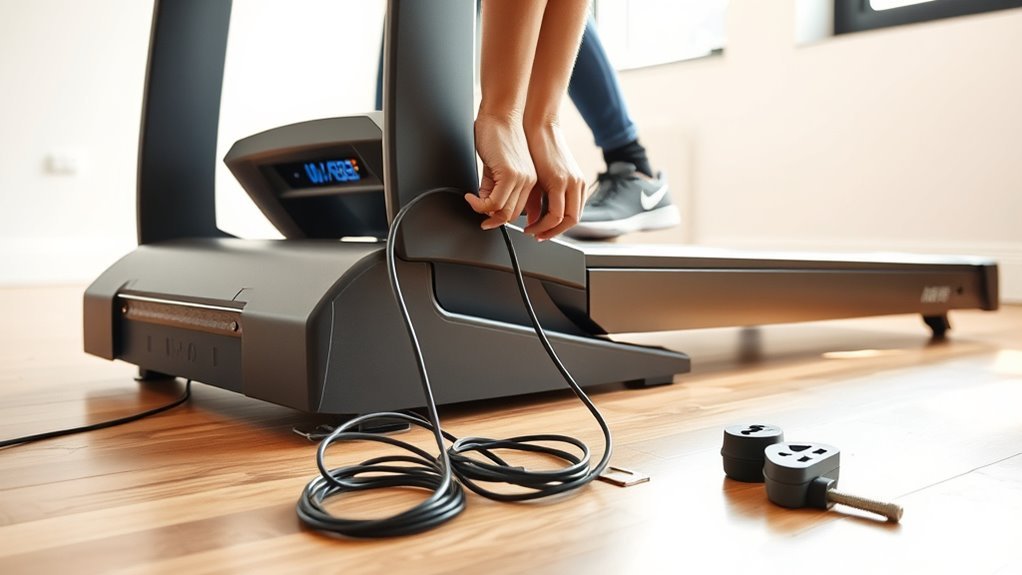
Although moving a treadmill can be challenging, you can make the process smoother by preparing it properly. Start by unplugging the treadmill and wiping down any dust or sweat to avoid messes during transport.
Moving a treadmill is easier when you unplug it and clean off dust and sweat first.
Next, secure any loose parts to prevent damage or loss.
Follow these steps:
- Fold or collapse the treadmill frame if it has a folding feature; this reduces size and makes carrying easier.
- Use moving blankets or padding around the treadmill to protect its surfaces and reduce scratches.
- Secure the treadmill with straps or rope to keep it stable during the move.
Taking these preparation steps will save you time and effort, making the treadmill easier to handle and less likely to get damaged.
Find Local Buyers or Donation Centers
After you’ve prepped your treadmill for transport, the next step is finding a new home for it. Start by checking online marketplaces like Facebook Marketplace, Craigslist, or OfferUp where local buyers often search for fitness equipment.
Take clear photos and write an honest description to attract interest quickly. If selling isn’t your preference, consider donating it to local charities, community centers, or shelters that accept used exercise gear.
Call ahead to confirm they can take a treadmill and ask about any specific drop-off instructions. You can also contact gyms or rehab centers, as they might welcome a donation.
Finding a local buyer or donation center not only helps you get rid of the treadmill efficiently but also ensures it continues to be used rather than wasted.
Explore Recycling Options for Electronic Equipment
If you can’t find a buyer or donation center for your treadmill, consider recycling it as electronic equipment. Treadmills contain electronic components that shouldn’t end up in landfills.
Here’s how you can explore recycling options:
- Check Local E-Waste Programs: Many communities have drop-off sites or special collection events for electronics.
- Visit Manufacturer or Retailer Programs: Some treadmill makers or stores offer take-back or recycling services.
- Search for Certified E-Waste Recyclers: Look for facilities certified by organizations like e-Stewards or R2, ensuring responsible handling.
Recycling your treadmill properly helps protect the environment and recovers valuable materials. Just remember to remove any batteries or personal items before recycling.
Schedule a Pickup or Drop-off Service
Recycling your treadmill is a responsible choice, but you might find it easier to have the equipment picked up or dropped off through a dedicated service. Many local waste management companies and specialty recyclers offer scheduled pickups for bulky items like treadmills. You can contact them to arrange a convenient date and time.
Some fitness equipment retailers also provide trade-in or disposal programs that include pickup options. If you prefer to drop it off yourself, check for designated recycling centers or donation facilities accepting treadmills.
Before scheduling, confirm any fees or requirements to avoid surprises. By using these services, you save time and effort while ensuring your treadmill is handled properly and doesn’t end up in a landfill.
Disassemble the Treadmill if Necessary
If your treadmill is too big to move as is, you’ll need to disassemble it first. Gather basic tools like screwdrivers and wrenches to make the process easier.
Take it step-by-step to safely take it apart without damaging any parts. It’s not as hard as it sounds once you get started!
Tools Required
To safely disassemble your treadmill, you’ll need a few essential tools on hand. Having the right gear makes the process smoother and prevents damage.
Here are the top tools you’ll want:
- Socket Wrench Set – Ideal for removing bolts and screws of various sizes.
- Screwdrivers (Phillips and Flathead) – Useful for detaching panels and smaller screws.
- Allen Wrenches (Hex Keys) – Often needed for specialized screws found in treadmill frames.
Make sure these tools are within reach and organized before you start. Avoid using makeshift tools, as they can strip screws or damage parts.
With these essentials ready, you’ll be prepared to carefully take apart your treadmill when needed.
Step-by-Step Process
With your tools ready and organized, you can begin disassembling the treadmill step by step. First, unplug the treadmill to guarantee safety. Remove the safety key and any batteries from the console.
Next, detach the handrails by unscrewing the bolts that hold them in place. Carefully lower the console and disconnect any wiring harnesses. Unscrew the motor cover and set it aside.
If the belt or deck needs removal, loosen the tension screws and slide the belt off. Keep all screws and small parts in a container to avoid losing them.
Disassembling makes the treadmill easier to transport and recycle. Just be sure to follow the manufacturer’s manual for specific instructions, and work slowly to prevent damage or injury.
Safely Dispose of Non-Recyclable Parts
You’ll want to identify which parts of your treadmill can’t be recycled, like certain plastics or electronic components. Check your local disposal regulations to make certain you’re following the right procedures.
Then, take those non-recyclable parts to authorized waste facilities for safe disposal. It’s the best way to keep things safe and environmentally friendly!
Identify Non-Recyclable Components
Although many treadmill parts can be recycled, some components contain materials that require special handling or disposal.
To avoid environmental harm and comply with safety standards, you need to identify these non-recyclable parts before disposal. Focus on these three common components:
- Electronics and Circuit Boards – These contain hazardous substances like lead and require special e-waste recycling.
- Batteries – Often found in consoles or remote controls, batteries must be taken to designated recycling points.
- Rubber Belts and Mats – These are typically not accepted by standard recycling centers due to their mixed materials and need proper disposal.
Check Local Disposal Regulations
After sorting out the non-recyclable parts like electronics, batteries, and rubber belts, your next step is to check local disposal regulations. Rules vary by area, so it’s essential you understand what your municipality allows and requires.
Visit your city or county’s official website or call their waste management office to get accurate information on disposing of these items safely. Some components may need special handling to prevent environmental harm.
Ignoring regulations can lead to fines or improper disposal that damages the environment. Knowing these rules upfront helps you plan the disposal process correctly and avoid complications.
Take note of any specific drop-off locations, collection schedules, or restrictions on certain materials. This way, you can handle your treadmill’s non-recyclable parts responsibly and legally.
Use Authorized Waste Facilities
When disposing of non-recyclable treadmill parts, use authorized waste facilities to guarantee safety and environmental compliance. These specialized centers handle hazardous materials like electronics, lubricants, and heavy metals properly. This helps prevent harm to the environment and your community.
To make the process easy, follow these steps:
- Locate a certified facility near you by checking local government websites or waste management services.
- Prepare the parts by removing any recyclable components and securely packaging hazardous items.
- Transport your treadmill parts directly to the facility or arrange for a scheduled pickup if available.
Frequently Asked Questions
How Do I Maintain a Treadmill to Extend Its Lifespan?
You should regularly clean the belt and deck, and lubricate the belt as recommended. It’s also important to check for loose bolts to keep everything tight and secure.
Make sure to keep your treadmill in a dry place to prevent any moisture damage. Don’t forget to inspect the motor and electronics periodically.
Doing these simple steps will help guarantee your treadmill lasts longer and runs smoothly. It’s all about regular care to get the best performance!
What Are Common Treadmill Troubleshooting Tips?
You should check the power source, tighten loose bolts, lubricate the belt, clean the motor, and reset the machine.
If the treadmill stops suddenly or makes noise, consult the user manual or contact customer support. It’s always better to be safe and get professional help when needed.
Can I Upgrade Parts on My Old Treadmill?
You can upgrade parts on your old treadmill, but it depends on compatibility and availability. Before you start, research model-specific components.
Also, consider professional help to make certain the upgrades enhance performance without causing damage. It’s always better to be safe than sorry!
How Do I Safely Use a Treadmill for Exercise?
You should start slowly, use the safety clip, keep your posture straight, and stay focused.
Don’t forget to warm up, wear proper shoes, and gradually increase speed to avoid injury while using the treadmill safely.
What Are the Benefits of Using a Treadmill Regularly?
You’ll boost cardiovascular health, burn calories, and improve endurance by using a treadmill regularly. It’s also low-impact, helping protect your joints while letting you exercise indoors regardless of weather or time constraints.
Plus, working out on a treadmill means you don’t have to worry about traffic or finding a safe route outside. It’s super convenient for fitting in a quick session whenever you have a few minutes to spare.
Conclusion
Getting rid of your treadmill doesn’t have to feel like climbing Mount Everest. Start by evaluating its condition to figure out the best next step.
Decide whether you want to sell, donate, or recycle it. Preparing it carefully makes the whole process much smoother.
Think of it like a well-planned workout—each step gets you closer to a clutter-free space. Whether you arrange a pickup or choose to disassemble it yourself, the finish line is within reach.
Soon enough, you’ll be free from that bulky machine and ready for your next adventure. By following this step-by-step approach, you can get rid of your treadmill efficiently and with minimal hassle. Taking the time to plan ahead ensures you handle your treadmill responsibly, making the whole experience easier and more rewarding.