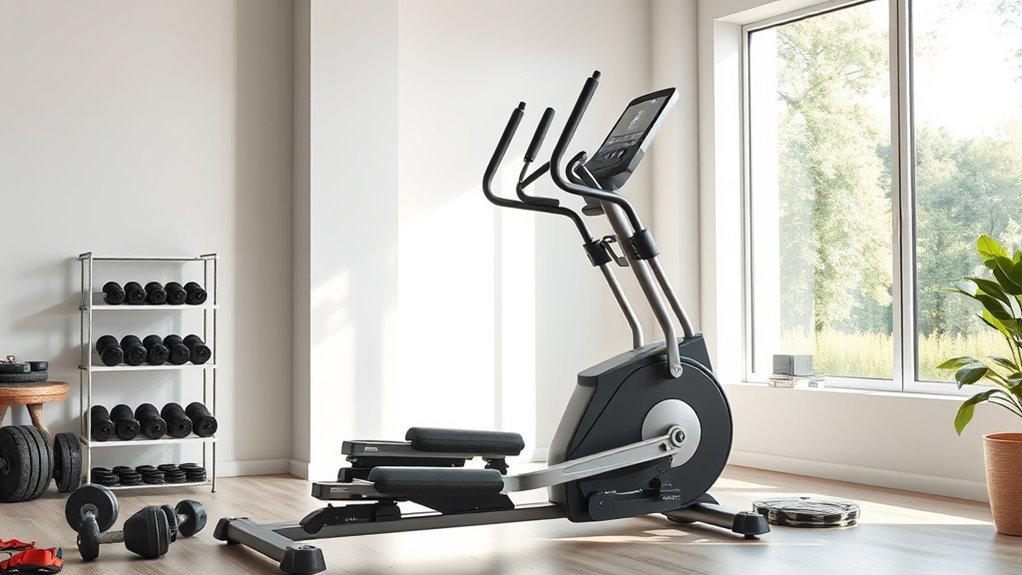
How Much Does an Elliptical Weigh: 7 Key Factors
An elliptical typically weighs between 50 and 150 pounds, depending on seven key factors that influence its overall weight and performance.
One major element is the frame material and build quality—whether it’s made from steel or aluminum, this affects both the weight and durability of the machine.
Size and dimensions also play a big role, impacting how much floor space it occupies and how heavy it feels.
Then, there’s the resistance mechanism and flywheel weight, which add to the total mass.
Additional features, like built-in monitors or adjustable pedals, can also contribute.
Don’t forget whether the elliptical is motorized or manual; this changes the internal components and, in turn, the weight.
Finally, user weight capacity is important for safety and stability, often influencing the machine’s design and heft.
Keep reading to see how each factor can affect your choice when picking the perfect elliptical.
Key Takeaways
- Frame material and build quality significantly influence elliptical weight. Steel frames tend to be heavier but more durable compared to aluminum ones.
- The size and dimensions, including length, width, and height, directly affect the elliptical’s overall weight and the amount of space it needs.
- Resistance mechanisms like magnetic, air, or hydraulic systems add different amounts of weight depending on their components and design.
- Flywheel weight and placement also impact the machine’s heft. Heavier flywheels usually provide smoother operation but increase the total weight.
- Additional features such as built-in fans, monitors, and adjustable inclines contribute extra weight. This can affect both portability and how much room you need.
Frame Material and Build Quality
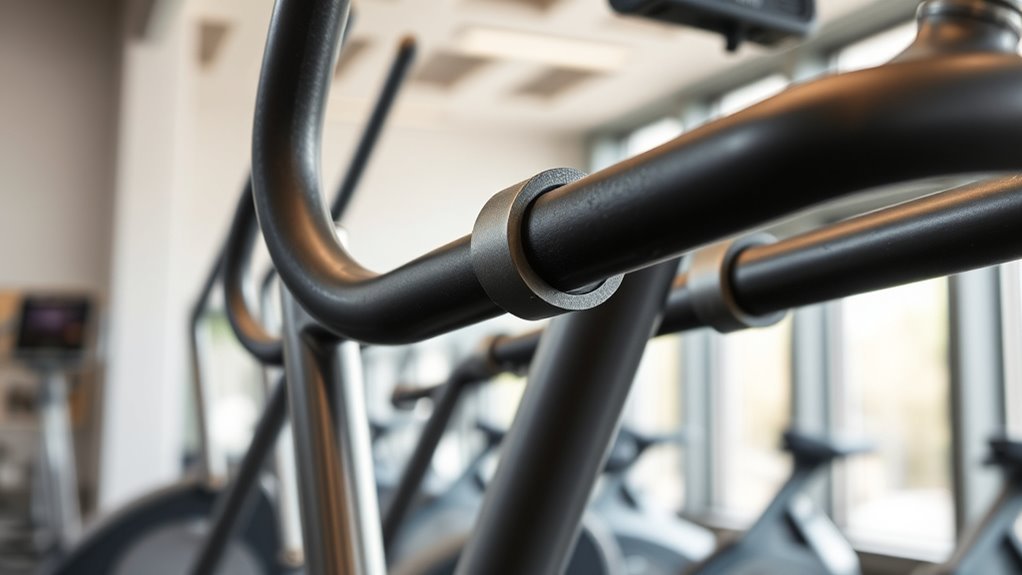
Although the weight of an elliptical depends on several factors, the frame material and build quality play a crucial role. When you choose an elliptical with a heavy-duty steel frame, you’ll notice it weighs more but offers greater durability and stability during intense workouts.
On the other hand, aluminum frames reduce weight markedly, making the machine easier to move but sometimes less sturdy. High-quality construction means manufacturers often add reinforcements or thicker tubing, which also increases weight but enhances longevity.
When you inspect an elliptical, pay attention to welds and joints; solid craftsmanship usually means a heavier, more reliable machine. By understanding how frame materials and build quality affect weight, you can better match your elliptical to your workout needs and space.
Size and Dimensions of the Elliptical
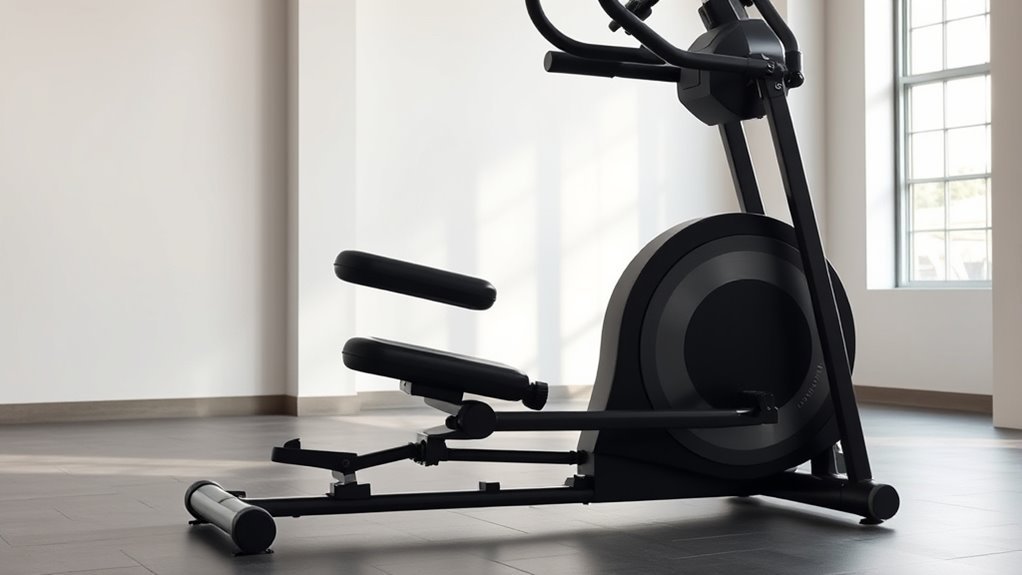
How much space will your elliptical take up in your home? Knowing the size and dimensions helps you plan your workout area effectively.
Ellipticals vary greatly, so you’ll want to check these key measurements before buying:
- Length: Most ellipticals range from 4 to 7 feet long, affecting how much floor space you need.
- Width: Usually between 2 to 3 feet wide, ensuring you have enough clearance on the sides.
- Height: Typically 5 to 6 feet tall, important if you have low ceilings or overhead fixtures.
Keep in mind, larger ellipticals often weigh more due to bigger frames and components.
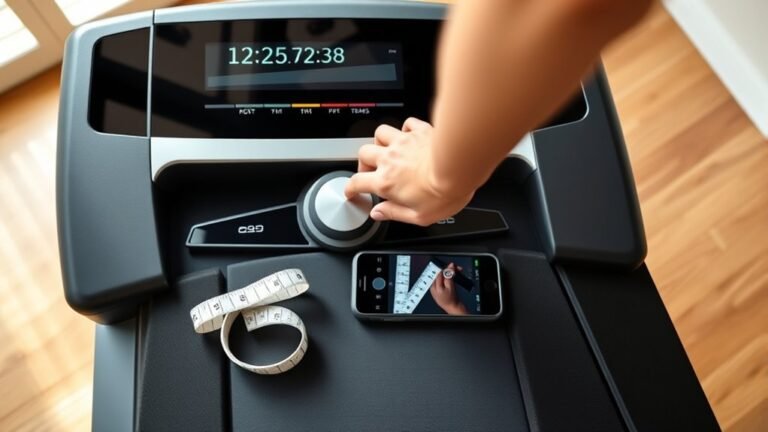
Measuring your available space makes certain your elliptical fits comfortably and won’t crowd your room.
Type of Resistance Mechanism
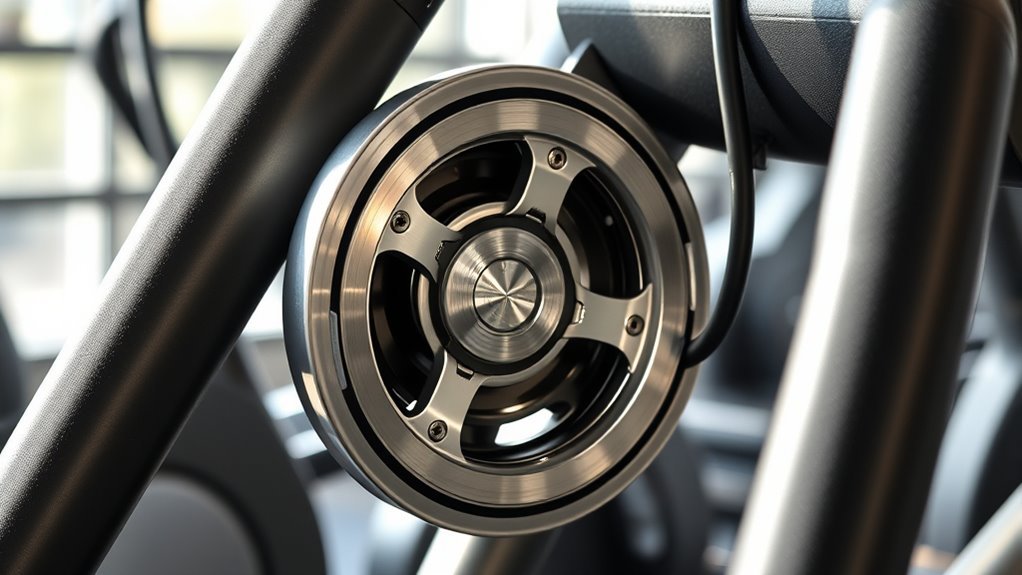
You’ll notice that the type of resistance mechanism plays a big role in an elliptical’s weight. Magnetic resistance tends to add less bulk, while air resistance systems usually make the machine heavier.
Understanding this difference helps you choose the right elliptical for your space and workout style. It’s all about finding what fits best for you and your home gym setup.
Magnetic vs. Air Resistance
When choosing an elliptical, you’ll notice that the type of resistance mechanism—magnetic or air—plays a big role in both performance and weight. Magnetic resistance uses magnets to create smooth, quiet tension, while air resistance relies on a fan blade that intensifies resistance as you pedal faster.
Each offers unique advantages depending on your workout style and space.
Consider these differences:
- Magnetic Resistance: Quieter operation, consistent tension, often lighter components.
- Air Resistance: Natural feel, self-adjusts with effort, usually heavier parts due to the fan.
- Maintenance: Magnetic systems require less upkeep compared to air resistance fans.
Understanding these will help you pick an elliptical that fits your needs without surprises in noise or feel.
It’s all about what suits you best!
Impact on Elliptical Weight
The type of resistance mechanism directly affects the overall weight of an elliptical machine. Different systems require varying components, which influence the machine’s heft.
Magnetic resistance, for example, uses magnets and a flywheel, adding moderate weight. Air resistance relies on a fan, often making the elliptical lighter but bulkier.
Hydraulic resistance uses pistons, which are compact and lightweight but less durable. Understanding these differences helps you choose an elliptical that fits your space and stability preferences.
| Resistance Type | Key Components | Weight Impact |
|---|---|---|
| Magnetic | Magnets, flywheel | Moderate |
| Air | Fan blades, housing | Light but bulky |
| Hydraulic | Pistons | Lightweight |
| Electro-magnetic | Electromagnets, motor | Heavier |
Flywheel Weight and Design
How does the flywheel’s weight and design impact your elliptical workout? The flywheel plays a vital role in the machine’s overall feel and performance.
A heavier flywheel usually provides smoother, more consistent resistance, making your workout feel natural and less jerky. The design also affects how noise levels and durability hold up over time.
Consider these points when evaluating flywheels:
- Weight: Heavier flywheels (15-30 lbs) ensure fluid motion and stable momentum.
- Design: Balanced and well-engineered flywheels reduce vibration and improve control.
- Placement: Rear or front placement influences stride smoothness and machine stability.
Additional Features and Accessories
Although the core mechanics of an elliptical determine its weight and performance, additional features and accessories can considerably enhance your workout experience. These extras may add weight but also improve convenience and functionality.
For example, built-in fans, tablet holders, and heart rate monitors not only boost comfort but also add to the machine’s overall mass. Knowing how each feature impacts weight helps you choose the right model.
| Feature | Purpose | Weight Impact |
|---|---|---|
| Built-in Fan | Keeps you cool during workouts | Slight increase |
| Tablet Holder | Holds your device securely | Minimal increase |
| Heart Rate Monitor | Tracks your pulse | Negligible |
| Water Bottle Holder | Easy access to hydration | Minimal |
| Adjustable Incline | Varies workout intensity | Moderate increase |
Motorized vs. Manual Ellipticals
When choosing an elliptical, you’ll notice that the presence of motorization considerably affects both the machine’s weight and functionality. Motorized ellipticals tend to be heavier because they include a motor and electronic components that enhance workout options, like adjustable resistance and pre-set programs.
Manual ellipticals, on the other hand, are lighter and simpler, relying solely on your effort to control resistance. Here’s what you should consider:
- Motorized ellipticals weigh more but offer diverse workout settings and smoother resistance changes.
- Manual ellipticals are lighter, more portable, and usually less expensive.
- Your choice depends on whether you prioritize advanced features or portability and simplicity.
Understanding these differences helps you pick an elliptical that fits your space and fitness needs. It’s all about what works best for you!
Intended User Weight Capacity
You need to take into account the intended user weight capacity when choosing an elliptical. If your weight exceeds the machine’s limit, it can affect performance and safety.
Knowing this helps you pick a model that supports you properly. It’s important to feel secure and comfortable while working out, right? So, always check that weight limit before making your choice.
Weight Limit Importance
Understanding the weight limit of an elliptical is essential for guaranteeing your safety and prolonging the machine’s lifespan. When you choose an elliptical, you want it to support your weight comfortably without risking damage or injury.
Ignoring this limit can lead to equipment failure or even accidents.
Here’s why weight limits matter:
- Safety First: Exceeding the weight limit increases the risk of mechanical breakdowns that can cause injury.
- Durability: Staying within the limit helps maintain the elliptical’s structural integrity over time.
- Performance: Proper weight support ensures smooth, effective workouts without strain on the machine’s components.
User Weight Impact
How does your weight affect the elliptical you choose? Your weight directly influences the elliptical’s intended user weight capacity.
When selecting a machine, you need one that safely supports your body weight. Using an elliptical beyond its weight limit can lead to structural damage and unsafe workouts.
Manufacturers design ellipticals with specific weight capacities, often ranging from 200 to 350 pounds or more. If you weigh close to the maximum limit, opt for a robust, commercial-grade model.
This ensures durability and smooth performance. Choosing an elliptical with a higher user weight capacity not only protects the machine but also provides stability and longevity.
Always check the weight specifications before buying, so you get a model tailored to your needs and avoid potential issues down the line.
Frequently Asked Questions
How Do I Safely Move a Heavy Elliptical Machine?
You should get help from a friend, lift with your legs not your back, and use a dolly or furniture sliders.
Secure the elliptical to avoid tipping, clear the path, and move slowly to prevent injury or damage.
Moving heavy equipment can be tricky, but taking your time really helps. Just be careful and stay safe!
Does Elliptical Weight Affect Workout Intensity?
Yes, elliptical weight affects workout intensity because heavier machines often have stronger resistance systems.
You’ll feel more challenge during your workout, helping you build strength and endurance more effectively compared to lighter models.
Can an Elliptical Be Used on Carpeted Floors?
Yes, you can use an elliptical on carpeted floors, but it might reduce stability and increase wear on both the carpet and machine.
Using a mat underneath helps protect the carpet and keeps your elliptical steady during workouts.
It’s a simple fix that can make your exercise routine more comfortable and your equipment last longer.
How Often Should I Lubricate Elliptical Parts?
You should lubricate your elliptical parts every three to six months, depending on usage. If you work out daily, aim for every three months.
Regular lubrication keeps your machine running smoothly and extends its lifespan. It’s a simple step that really helps your elliptical last longer.
Are Heavier Ellipticals More Durable Over Time?
Picture a sturdy oak tree—heavier ellipticals often feel just as solid.
Yes, they tend to be more durable over time, thanks to robust materials and better stability. This lets you enjoy smoother workouts for years.
Conclusion
Choosing an elliptical is like planting a tree—you want roots strong enough to support growth and branches that reach your goals. Just as sturdy soil and sunlight shape a thriving tree, the frame, flywheel, and features shape your workout experience.
Remember, the elliptical’s weight isn’t just a number; it’s the foundation of your fitness journey. A heavier elliptical often means a sturdier frame and smoother ride. So, when you’re deciding how much does an elliptical weigh, think beyond the scale.
Pick wisely, and you’ll build strength that stands tall through every season. The right elliptical weight ensures stability, durability, and an effective workout every time. In the end, your elliptical’s weight plays a key role in how enjoyable and long-lasting your fitness routine will be.