7 Factors That Determine How Much a Bar at the Gym Costs
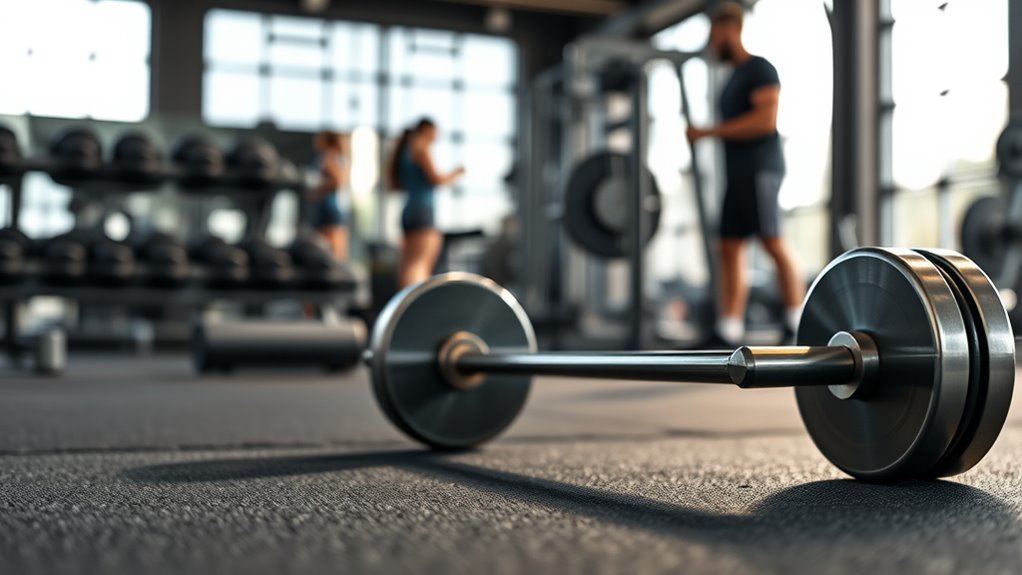
When choosing a barbell at the gym, the cost depends on several key factors that affect both performance and durability. Material and build quality play a big role in how strong and long-lasting the bar will be. You also want to consider the weight capacity to make sure it can safely handle your heaviest lifts.
The type of barbell you pick influences the price and how well it functions for different exercises. Knurling, or the grip texture, is important too—it helps you hold onto the bar securely during lifts. Plus, the coatings used protect the bar from rust and wear, which adds to its lifespan.
Brand reputation matters as well, since well-known brands usually offer better quality and warranty support. Don’t forget about additional features like sleeve rotation and accessories—they can really enhance your lifting experience.
Keep these factors in mind to find the best barbell that fits your needs and budget.
Key Takeaways
– Material quality and finish coatings like chrome or zinc affect durability, rust resistance, and overall cost of a gym bar.
They play a big role in how long your bar lasts and how it holds up against sweat and sweat-induced rust. So, better materials usually mean a higher price tag.
– Weight capacity and build strength determine the bar’s suitability for heavy use, impacting price and longevity.
If you plan on lifting heavy, you want a bar that can handle it without bending or breaking. That kind of sturdiness often costs more.
– Barbell type (standard, Olympic, specialty) and additional features like sleeve rotation influence cost and training compatibility.
Different types fit different workouts, and extras like rotating sleeves can make lifting smoother but also bump up the price.
– Brand reputation and warranty coverage reflect product reliability and reduce long-term expenses, affecting initial price.
Trusted brands often charge more upfront, but their bars tend to last longer and come with warranties that save you money down the road.
– Grip texture, knurling, and included accessories contribute to safety, comfort, and value, influencing the bar’s market price.
A good grip means better control and less slipping, which is crucial for safety. Plus, bars with nice knurling and extras might cost a bit more but offer better value overall.
Material and Build Quality
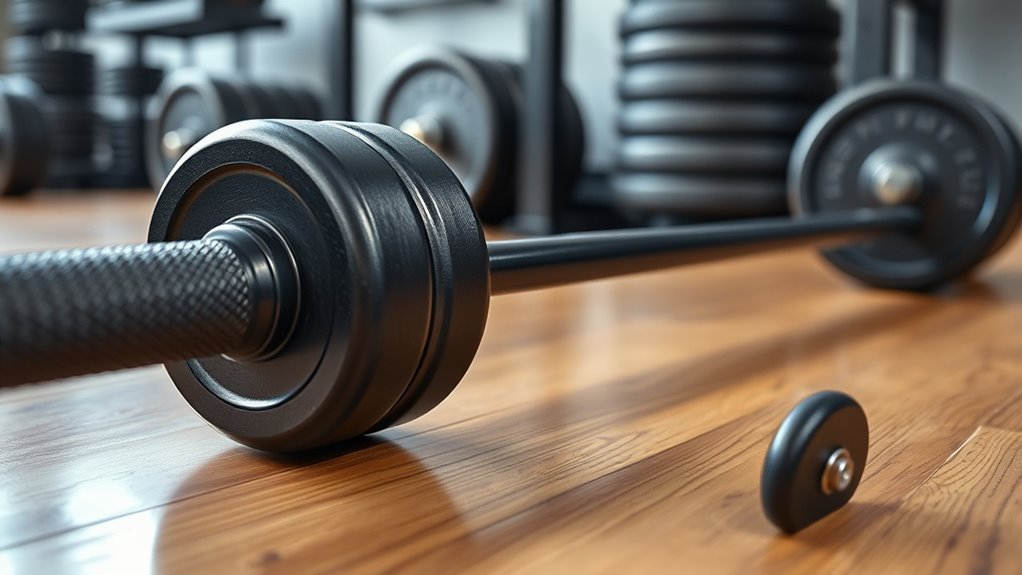
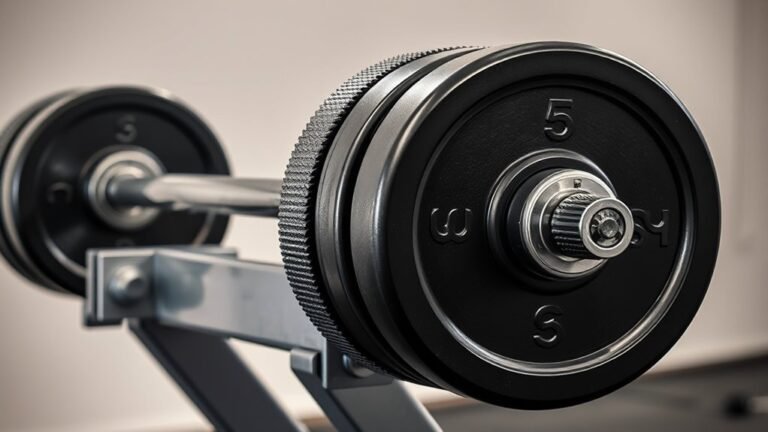
Because the material and build quality directly affect durability and performance, you should pay close attention to these factors when choosing a gym bar. Bars made from high-grade steel offer better strength and resistance to bending, which means they’ll last longer and perform consistently under heavy loads.
The finish on the bar also matters; coatings like zinc or chrome protect against rust and wear, keeping the bar looking and functioning well over time. Additionally, the quality of the knurling—the textured grip on the bar—impacts your hold and safety during lifts.
Well-crafted knurling prevents slipping without being too harsh on your hands. By focusing on solid materials and precise manufacturing, you ensure the bar meets your training needs and stands up to frequent use.
Weight Capacity and Durability
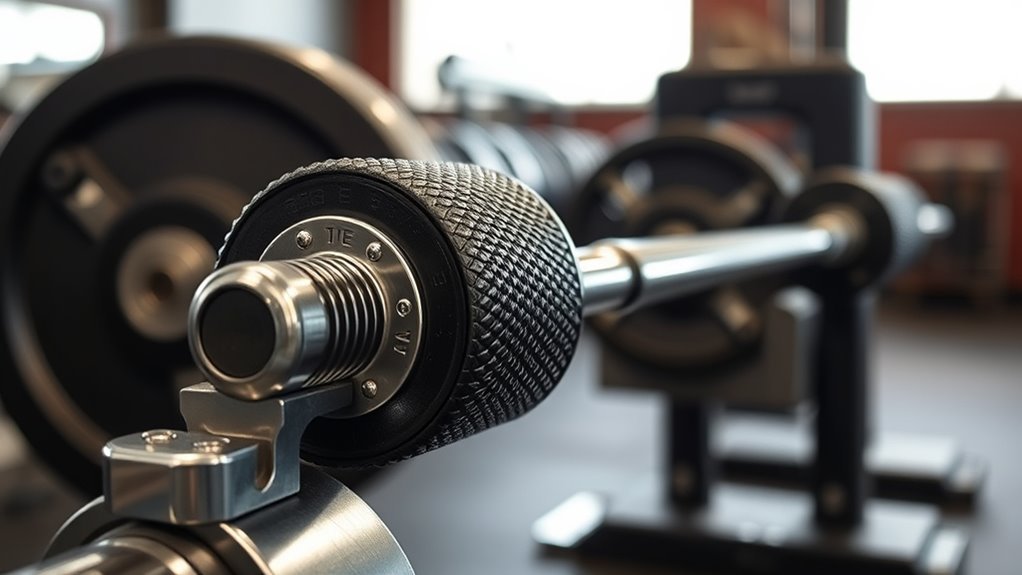
You’ll want to check the maximum load limit of a gym bar to make certain it can handle your lifting needs. The strength and quality of the materials directly affect how durable the bar will be over time.
Choosing a bar with a higher weight capacity means it’s built to last through heavy use. So, it’s a smart idea to pick one that can handle more than you think you’ll lift. That way, you get both safety and longevity.
Maximum Load Limit
When choosing a gym bar, understanding its maximum load limit is crucial to guarantee safety and performance. This limit tells you the heaviest weight the bar can handle without bending or breaking.
If you regularly lift heavy, picking a bar with a higher load limit protects you from accidents and equipment damage. Even if you’re just starting out, consider future progress; a bar with a solid maximum load limit ensures your investment lasts as your strength grows.
Keep in mind that bars with higher load capacities often cost more, but the added safety and durability are worth it. Always check the manufacturer’s specifications and avoid exceeding the stated limit to maintain the bar’s integrity and your safety during workouts.
Material Strength and Quality
Alongside the maximum load limit, the material strength and overall quality of a gym bar play a key role in its weight capacity and durability. When you choose a bar made from high-grade steel or alloy, you’re guaranteeing it can handle heavy loads without bending or breaking.
Bars with superior material quality resist wear, corrosion, and fatigue, extending their lifespan. You’ll also find that bars with reinforced welds and precise machining maintain their integrity under repeated stress.
While higher-quality materials often come with a higher price tag, they offer better safety and long-term value. So, when you invest in a gym bar, prioritize material strength and build quality to avoid frequent replacements and ensure consistent performance during your workouts.
Type of Barbell
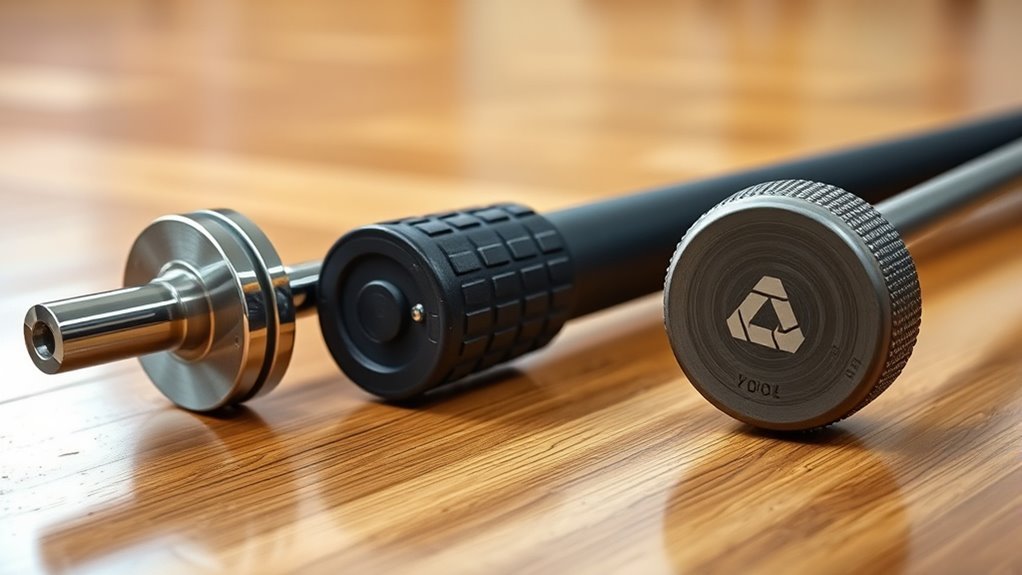
Although various factors influence the price of gym bars, the type of barbell plays a crucial role in determining cost. When you choose between a standard barbell, Olympic barbell, or specialty bars like trap bars or curl bars, you’ll notice price differences.
Olympic barbells, designed for heavy lifting and competitions, usually cost more due to their durable construction and precise specifications. Standard barbells tend to be more affordable but might lack the advanced features and strength of Olympic bars.
Specialty bars designed for specific exercises often come with unique engineering, pushing their prices higher. Knowing which barbell suits your training needs helps you invest wisely without overspending on features you don’t require.
Knurling and Grip Texture
Because your grip directly affects performance and safety, knurling and grip texture considerably impact gym bar costs. When choosing a bar, you’ll notice variations in knurl depth, pattern, and placement. Each of these influences your lifting experience and the price you pay.
Consider these three key factors:
- Knurl Depth: Deeper knurling offers a more secure grip but can be harsh on your hands. It often increases costs due to precision manufacturing.
- Knurl Pattern: Different patterns like aggressive or subtle knurling cater to various lifting styles and preferences. This affects production complexity.
- Knurl Placement: Bars with strategically placed knurling (e.g., center knurl or sleeves-only knurl) provide specialized grip zones. This adds to the bar’s value.
Understanding these details helps you pick a bar that matches your grip needs. Plus, it explains why some bars come with a higher price tag.
Bar Coating and Finish
You’ll want to contemplate the type of coating and finish on a gym bar since it affects both durability and grip.
Different finishes offer varying levels of protection against rust and wear. Plus, the coating can change how the bar feels in your hands during lifts.
Types of Coatings
When choosing a gym bar, the type of coating plays a crucial role in its durability and grip. You’ll encounter several coatings, each with its unique feel and maintenance needs.
Here are the three main types you should know:
- Chrome: It offers a smooth finish and resists rust well. It’s easier to clean but might feel slippery during heavy lifts.
- Zinc: Provides moderate grip and decent rust resistance. It’s affordable and common in many gyms.
- Cerakote: A ceramic-based coating that delivers excellent grip and corrosion resistance. It’s popular for its durability and vibrant colors.
Understanding these coatings helps you pick a bar that matches your lifting style and environment. This way, your workouts can be safer and more effective.
Durability and Protection
Although the type of coating affects grip, it also plays a vital role in protecting your gym bar from wear and tear. You want a bar that withstands constant use, moisture, and sweat without rusting or chipping.
Bars with durable finishes like black oxide or zinc plating offer solid resistance against corrosion, extending the bar’s lifespan. Chrome and stainless steel coatings add extra protection while maintaining a sleek look, but they can vary in durability depending on quality.
If you train frequently or in humid environments, investing in a bar with a robust coating saves money long-term by reducing maintenance and replacement costs. Ultimately, the finish you choose guarantees your bar stays functional and visually appealing, which directly influences how much you’ll pay upfront.
Impact on Grip
The coating on your gym bar doesn’t just protect it—it also affects how well you can grip it during workouts. When choosing a bar, consider these key factors:
- Texture: A matte or knurled finish usually offers better grip than a smooth, polished surface, reducing slippage.
- Material: Zinc or chrome coatings feel slicker, while black oxide or cerakote finishes provide a tackier grip, enhancing control.
- Sweat Resistance: Some finishes repel moisture better, so your hands won’t slip even during intense sessions.
Understanding how the bar’s coating impacts your grip can help you pick a bar that feels secure, boosts your confidence, and improves performance.
Don’t overlook this subtle but critical detail when weighing the cost versus value of your gym bar.
Brand Reputation and Warranty
Because you want a gym bar that lasts and performs well, considering brand reputation and warranty is essential. Established brands often use higher-quality materials and undergo stricter quality control, which means their bars are more reliable and durable.
You’re less likely to experience issues like bending or rusting with a reputable brand. Plus, a solid warranty shows the manufacturer stands behind their product, giving you peace of mind.
If defects or damage occur within the warranty period, you can get repairs or replacements without extra cost. While bars from lesser-known brands might be cheaper upfront, they often come with limited or no warranty, increasing your risk.
Investing in a trusted brand with a good warranty saves you money and frustration in the long run. It’s definitely worth it to choose quality and support over a quick bargain.
Additional Features and Accessories
Choosing a reputable brand with a solid warranty sets a strong foundation. But you’ll also want to think about the additional features and accessories that come with a gym bar.
These extras can affect both cost and functionality, so it’s worth considering what suits your workout needs best. Here are three key features to look out for:
- Knurling texture and grip options: Enhanced grip patterns improve safety and comfort during lifts.
- Sleeve rotation technology: High-quality bearings or bushings reduce friction and allow smoother barbell rotation.
- Collar compatibility and included clips: Some bars come with collars or locking mechanisms, which secure weights and add convenience.
Frequently Asked Questions
How Do Shipping Costs Affect the Total Price of a Gym Bar?
Shipping costs directly increase the total price of a gym bar because you’ve got to pay for transporting it from the manufacturer or seller to your location.
Higher shipping fees mean you’ll spend more overall. It’s pretty straightforward: the more it costs to ship, the higher the final price you pay.
Are There Seasonal Discounts or Promotions on Gym Bars?
Yes, you’ll often find seasonal discounts or promotions on gym bars, especially during holidays or New Year sales.
Keep an eye out for deals around Black Friday or summer sales to save money on your purchase.
Does the Country of Manufacture Influence the Bar’s Cost?
Yes, the country of manufacture can influence the bar’s cost. You’ll find bars made in countries with higher labor expenses often cost more, while those from regions with lower manufacturing costs might be cheaper but vary in quality.
It really depends on where the bar is made. Places with higher wages tend to have pricier products. On the other hand, bars from countries with lower production costs might be easier on your wallet, but the quality can be a mixed bag.
How Does the Gym’s Location Impact Bar Pricing?
You’ll feel the weight of the city’s pulse in the price you pay; gyms in bustling urban centers often charge more for bars due to higher rent and demand.
On the other hand, rural spots keep costs lighter and friendlier. It’s all about location, location, location!
Can Bulk Purchasing Reduce the Price per Bar?
Yes, you can reduce the price per bar by buying in bulk. Suppliers often offer discounts for larger orders, so purchasing multiple bars at once lowers your overall cost compared to buying them individually.
It’s a smart way to save money if you need a lot. Just be sure to check the storage conditions so your bars stay fresh!
Conclusion
When choosing a gym bar, remember it’s more than just metal—it’s the backbone of your workout journey. Each factor, from build quality to brand reputation, shapes your lifting experience and investment.
Don’t let a cheap bar weigh down your progress; instead, pick one that feels like a trusted partner in your fitness story. After all, the right barbell can turn every lift into a symphony of strength and confidence.
Considering factors like durability, grip, weight capacity, and brand can help you find the perfect barbell. Investing in a quality gym bar ensures it lasts longer and supports your goals effectively. So, when deciding how much a bar at the gym costs, remember that value is about more than price—it’s about enhancing your performance and safety every step of the way.