Are Vibration Plates Bad for Kidneys and How to Use Them Safely?
You’re generally safe using vibration plates without harming your kidneys if you follow guidelines. These machines can be a great addition to your fitness routine when used properly.
Keep sessions to 10-15 minutes at low to moderate intensity, stay hydrated, and maintain good posture.
Avoid overusing them, especially if you have kidney issues or other health concerns—always consult your doctor first. It’s important to listen to your body and watch for signs like unusual fatigue or changes in urination.
Using vibration plates wisely supports your fitness goals without putting your kidneys at risk. Plus, there are plenty of other ways to protect your kidneys and stay fit.
So, take care and enjoy your workouts safely!
Key Takeaways
- Proper use of vibration plates is generally safe for healthy kidneys, with no scientific evidence of harm. Just make sure to follow guidelines to keep things safe.
- Limit your sessions to 10-15 minutes at low to moderate intensity. This helps protect your kidney function while still getting the benefits.
- Keep good posture during use and stay hydrated. These simple steps reduce mechanical stress on your kidneys.
- If you have pre-existing kidney conditions or stones, it’s a good idea to check with your healthcare provider before jumping on a vibration plate.
- Also, be mindful of any symptoms like fatigue, swelling, or changes in urination. If you notice anything unusual, stop using the vibration plate and talk to your doctor.
Understanding How Vibration Plates Work
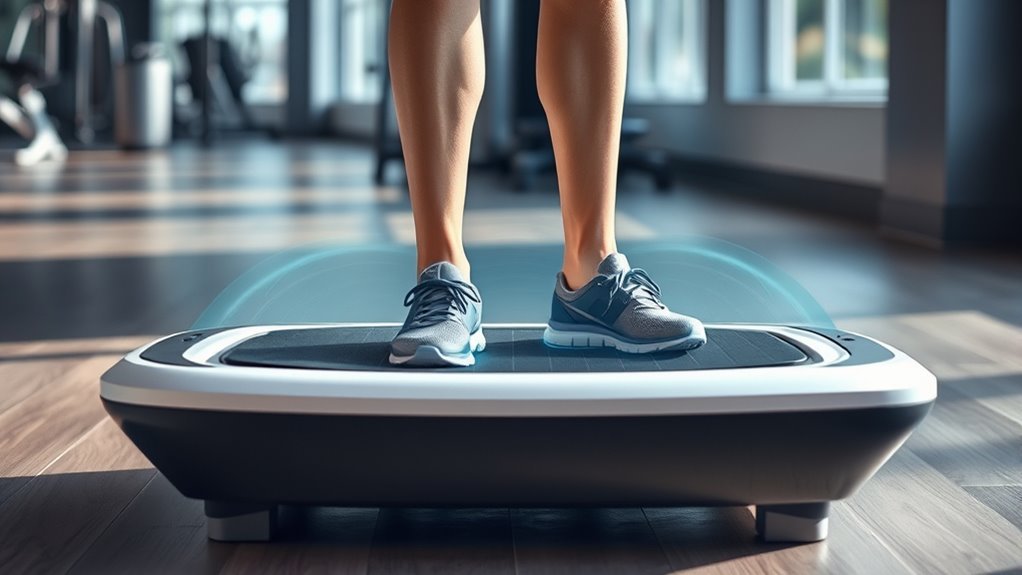
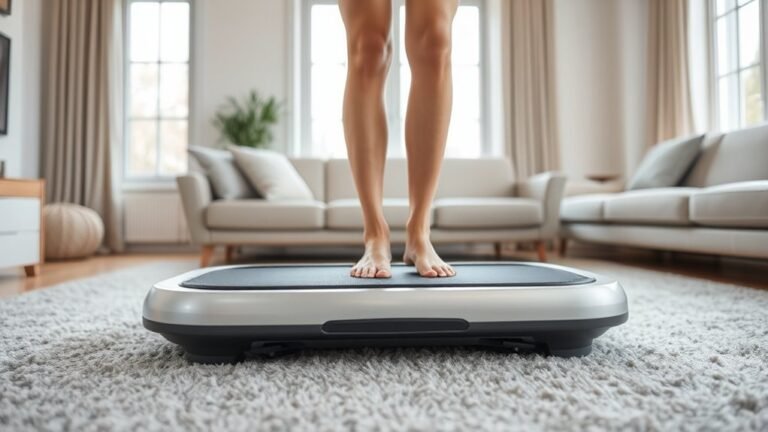
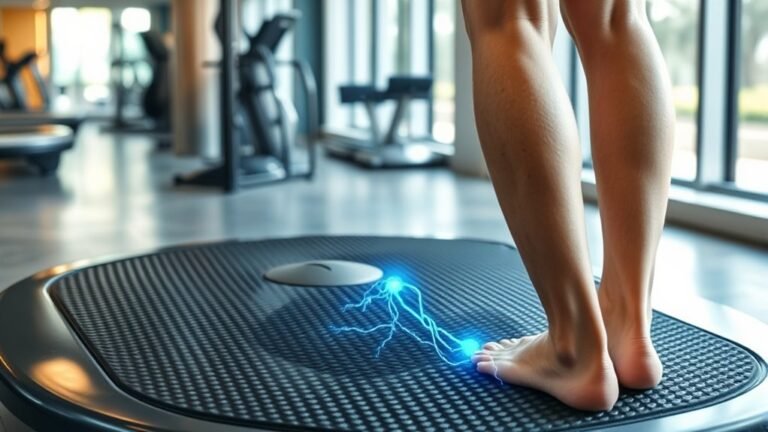
Although vibration plates might seem like simple exercise tools, they use advanced technology to create rapid oscillations that stimulate your muscles. When you stand, sit, or perform exercises on the vibrating platform, these oscillations cause your muscles to contract and relax repeatedly.
You’ll experience increased muscle activation because your body works to maintain balance and stability during the vibrations. The frequency and amplitude of the vibrations can usually be adjusted, allowing you to tailor the intensity to your fitness level.
This mechanical stimulation reaches deep muscle fibers, promoting muscle engagement that traditional workouts might not achieve as efficiently. By understanding this, you can see how vibration plates provide a unique way to engage muscles without high-impact movements, making them accessible for many users.
Common Health Benefits of Vibration Plates
When you use vibration plates regularly, you can enjoy a range of health benefits that go beyond muscle toning. These devices stimulate your muscles through rapid vibrations, which can improve your overall fitness and well-being.
Here are four common benefits you might notice:
- Enhanced muscle strength and tone, helping you build a firmer body.
- Improved circulation, which supports better oxygen and nutrient delivery.
- Increased flexibility and range of motion, reducing stiffness.
- Boosted metabolism, aiding in weight management and fat loss.
Potential Impact of Vibration on Kidney Function
You might wonder how vibration plates affect your kidneys since they respond to physical stimuli differently.
It’s important to understand how your kidneys handle vibration and what safety measures you should take when using these devices.
Let’s explore what current knowledge says about protecting your kidney function during vibration plate workouts.
Kidney Response to Vibration
How does exposure to vibration affect your kidneys? When you use vibration plates, your body experiences mechanical oscillations that can influence internal organs, including your kidneys.
Here’s how your kidneys might respond:
- Increased Blood Flow: Vibration can temporarily boost circulation, potentially enhancing kidney perfusion.
- Mechanical Stress: Repeated vibration may exert stress on kidney tissues, possibly affecting their function over time.
- Fluid Movement: Vibrations might influence fluid dynamics within your body, impacting waste filtration efficiency.
- Nervous System Interaction: Vibration can stimulate autonomic nerves that regulate kidney activity, altering filtration rates.
Understanding these responses helps you appreciate how vibration plates interact with your kidneys. While short sessions are unlikely to cause harm, it’s important to monitor how your body reacts to avoid potential issues.
Safety Measures for Use
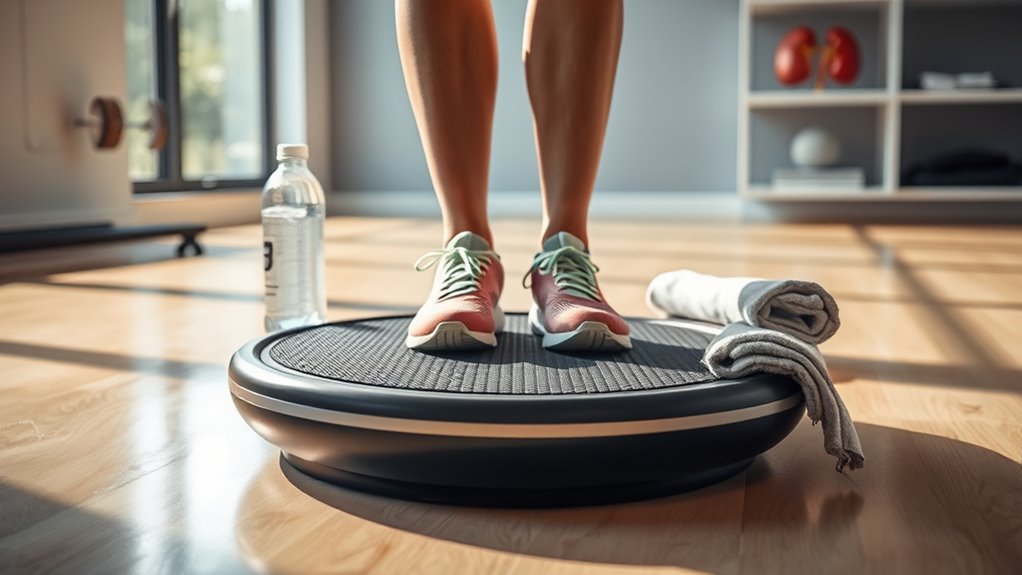
Since vibration plates can influence kidney function through increased blood flow and mechanical stress, taking safety measures helps protect your kidneys from potential harm. Start by limiting your sessions to 10-15 minutes, allowing your body to adjust gradually.
Use the plates at low to moderate intensity to avoid excessive strain. Stay well-hydrated before and after use to support kidney function.
Avoid vibration plates if you have pre-existing kidney conditions or consult your doctor first. Pay attention to your body’s signals—stop immediately if you experience pain, discomfort, or unusual symptoms around your lower back or abdomen.
Ultimately, combine vibration plate use with proper exercise techniques and rest days to reduce any cumulative stress on your kidneys. Following these steps keeps your kidneys safe while benefiting from vibration training.
Myths and Facts About Vibration Plates and Kidney Health
Although vibration plates have gained popularity for fitness and rehabilitation, many people wonder if they impact kidney health. Let’s clear up some common myths and facts so you can use vibration plates confidently.
1. Myth: Vibration plates damage kidneys.
Fact: No scientific evidence supports kidney harm from vibration plates when used properly.
2. Myth: Vibration causes kidney stones to worsen.
Fact: Vibration plates don’t affect kidney stones directly, but you should definitely consult your doctor if you have stones.
3. Myth: Vibration increases toxin buildup in kidneys.
Fact: Actually, vibration enhances circulation, which might help your body remove toxins rather than cause them to build up.
4. Myth: Everyone can use vibration plates without risk.
Fact: Most people can use them safely, but if you have kidney conditions, it’s best to get medical advice first.
Who Should Avoid Using Vibration Plates?
If you have certain medical conditions or concerns, you should refrain from using vibration plates without consulting a healthcare professional first. People with kidney diseases, kidney stones, or any condition affecting kidney function should be cautious, as vibrations may exacerbate symptoms.
Also, if you have cardiovascular issues, recent surgeries, implants like pacemakers, or are pregnant, vibration plates might pose risks. Those with joint problems or osteoporosis should also steer clear, since intense vibrations could worsen their condition.
If you experience dizziness, balance problems, or severe back pain, using these machines isn’t advisable without expert guidance. Always prioritize your health and get personalized advice before starting vibration plate exercises to prevent complications and ensure safe use tailored to your medical status.
Tips for Using Vibration Plates Safely
When using vibration plates, you need to maintain proper posture to avoid unnecessary strain on your body. Keep your sessions short and controlled to prevent overexertion, especially if you have kidney concerns.
Following these simple tips can help you use vibration plates safely and effectively. Just take it slow and listen to your body!
Proper Posture Techniques
Mastering proper posture on vibration plates guarantees you maximize benefits while safeguarding your kidneys and overall health. To maintain safe posture:
- Stand with your feet shoulder-width apart and knees slightly bent to absorb vibrations effectively.
- Keep your back straight and avoid leaning forward or backward to prevent undue strain on your lower back and kidneys.
- Engage your core muscles throughout the session to support your spine and maintain stability.
- Position your hands lightly on the handles or by your sides without gripping tightly to avoid unnecessary tension.
Following these posture techniques helps distribute vibrations safely, reducing stress on your body’s organs.
Session Duration Limits
Although vibration plates offer numerous health benefits, you should limit each session to avoid overloading your body and kidneys. Staying within recommended time frames helps prevent undue stress and potential harm.
Generally, start with shorter sessions and gradually increase as your body adapts. Avoid exceeding 15 minutes per session to maintain safety.
| Session Length | Recommended Frequency | Key Considerations |
|---|---|---|
| 5 minutes | Daily | Beginner-friendly |
| 10 minutes | 3-4 times per week | Moderate intensity |
| 15 minutes | 2-3 times per week | Maximum recommended duration |
| >15 minutes | Not recommended | Risk of overexertion |
| Rest Days | At least 1 per week | Allow kidney recovery |
Stick to these limits to use vibration plates safely and protect your kidneys effectively. It’s all about balance and listening to your body!
Signs of Kidney Stress to Watch For During Use
If you notice unusual fatigue, swelling, or changes in urination while using vibration plates, these could be signs your kidneys are under stress. It’s important to pay attention to your body and stop using the device if symptoms appear.
Here are key signs to watch for:
- Decreased urine output or dark-colored urine
- Persistent swelling in your hands, feet, or face
- Unexplained nausea or vomiting
- Persistent lower back or flank pain
If you experience any of these symptoms, it’s wise to consult a healthcare professional promptly. Early detection helps prevent further kidney issues and keeps your vibration plate routine safe and effective.
Alternative Exercises for Kidney Health and Fitness
When you want to protect your kidneys while staying active, choosing the right exercises matters. Low-impact activities like walking, swimming, and cycling keep your body moving without putting undue strain on your kidneys. These exercises improve circulation and support overall kidney function.
Yoga and stretching also help by promoting flexibility and reducing stress, which benefits kidney health indirectly. Avoid overly intense workouts that cause dehydration or excessive fatigue, as they can stress your kidneys.
Instead, focus on consistent, moderate activity that fits your fitness level. Always stay hydrated and listen to your body’s signals. By incorporating these safer alternatives, you maintain fitness and support your kidneys, ensuring you stay healthy without risking unnecessary damage.
Frequently Asked Questions
Can Vibration Plates Improve Overall Blood Circulation?
Yes, vibration plates can improve your overall blood circulation by stimulating muscle contractions and enhancing blood flow.
Just make sure to start slowly, stay hydrated, and listen to your body to avoid any discomfort or injury. Taking it easy at first really helps.
How Long Should a Typical Vibration Plate Session Last?
You should keep a typical vibration plate session between 10 to 20 minutes. Start with shorter sessions, around 5 minutes, and gradually increase as your body adapts.
Always listen to your body’s signals to avoid overdoing it. It’s all about finding the right balance for you!
Are Vibration Plates Suitable for Children or Teenagers?
You shouldn’t let children or teenagers use vibration plates without consulting a doctor first. Their growing bodies might be sensitive, so it’s best to obtain professional advice to ensure safe and appropriate use.
It’s really about making sure they’re protected and using the equipment in a way that won’t harm them. So, before letting them jump on a vibration plate, check with a healthcare professional. Better safe than sorry!
Do Vibration Plates Help With Weight Loss?
Yes, vibration plates can help with weight loss by boosting your metabolism and increasing muscle activity.
But you’ll get better results combining them with a balanced diet and regular exercise. It’s all about creating an effective, sustainable weight loss routine.
Can Vibration Plates Be Used During Pregnancy?
Like steering a delicate dance, you shouldn’t use vibration plates during pregnancy without consulting your doctor first.
They can affect blood flow and balance, so it’s best to prioritize safety and avoid unnecessary risks.
Conclusion
You might think vibration plates could harm your kidneys, but the truth is they’re generally safe when used correctly. Just like how a gentle shake wakes you up without causing harm, proper use won’t stress your kidneys.
Still, if you have kidney issues, it’s best to check with your doctor first. By following safety tips, you can enjoy the benefits without worry—turning your workout into a smart, kidney-friendly routine.
Using vibration plates safely means starting slow and listening to your body. Avoid overdoing it, especially if you have underlying health concerns. Remember, when used properly, vibration plates are not bad for kidneys.
So, if you’re wondering, “Are vibration plates bad for kidneys?” the answer is no, as long as you use them wisely. Incorporate these devices into your fitness plan carefully, and you can enjoy their benefits without risking kidney health.