Are Vibration Plates Eligible for FSA?
You can use your FSA funds for a vibration plate only if your doctor prescribes it as medically necessary to treat a specific condition like muscle rehab or circulation issues.
General fitness or wellness use won’t qualify. So, if it’s just for staying fit, your FSA probably won’t cover it.
To get reimbursed, keep all documentation, including the prescription and receipts, and submit a claim.
Planning around your FSA timeline helps avoid losing funds.
Want to explore eligibility criteria, submission tips, and alternative funding options? Let’s dive into the details to make sure you get the most out of your FSA benefits!
Key Takeaways
- Vibration plates may be FSA-eligible only if prescribed by a doctor for a specific medical condition or rehabilitation purpose.
- General fitness or wellness use of vibration plates typically does not qualify as an eligible FSA expense.
- A doctor’s note or prescription documenting medical necessity is essential for FSA claim approval for vibration plates.
- Keep original receipts and medical documentation to submit with your FSA claim for reimbursement consideration.
- Contact your FSA administrator to verify eligibility and coverage specifics before purchasing a vibration plate.
Understanding Flexible Spending Accounts
How can you make the most of your healthcare expenses? By understanding Flexible Spending Accounts (FSAs), you can save money on medical costs. An FSA lets you set aside pre-tax dollars from your paycheck to pay for eligible healthcare expenses.
This reduces your taxable income, so you keep more of your earnings. You don’t have to worry about reimbursement delays since you can use an FSA debit card for qualified expenses.
However, remember that FSAs have a “use-it-or-lose-it” rule—funds generally must be spent within the plan year or you lose them. Also, your employer typically administers the FSA with set contribution limits, so plan carefully.
Knowing how FSAs work helps you budget health costs smartly and maximize your savings. It’s a handy way to manage healthcare expenses without breaking the bank.
What Qualifies as an Eligible Medical Expense
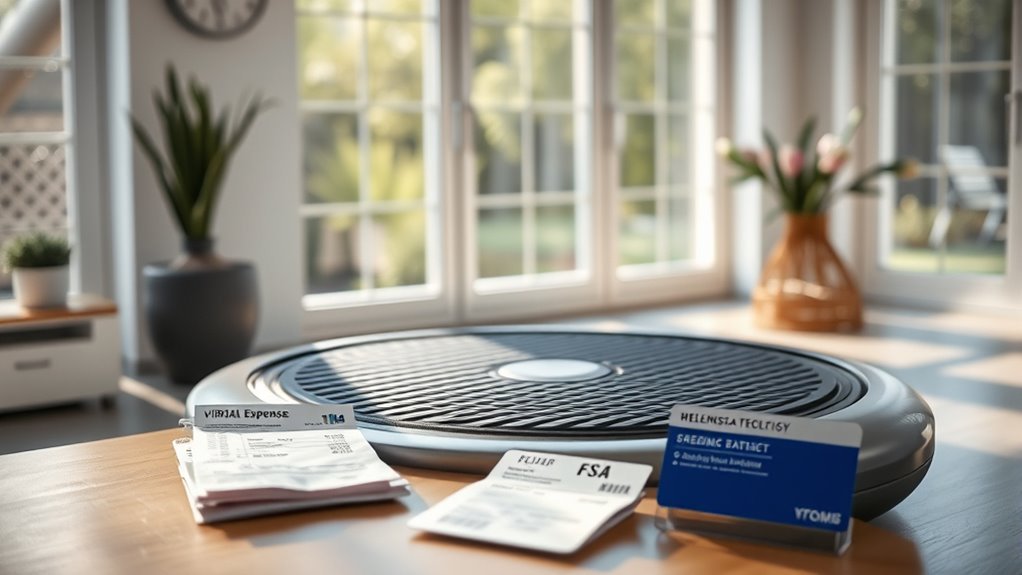
You’ll want to know which expenses qualify for FSA reimbursement before making a purchase. Generally, the expense must be medically necessary and prescribed by a healthcare provider.
Let’s explore how these criteria apply to vibration plates and other medical equipment. It’s important to understand what counts so you can make the most of your FSA funds.
FSA Eligible Expenses
Although vibration plates offer health benefits, not all related expenses qualify as eligible medical expenses under an FSA. To use your FSA funds, the expense must primarily treat or prevent a specific medical condition.
For example, if a doctor prescribes a vibration plate to aid muscle rehabilitation or improve circulation after an injury, that purchase might qualify. However, using an FSA for general fitness or wellness purposes, like weight loss or general exercise, typically isn’t allowed.
Remember, over-the-counter items usually need a doctor’s note or prescription to qualify. Keep documentation handy to prove the medical necessity if you want to claim vibration plate expenses.
Always check with your FSA administrator to confirm whether your specific purchase meets eligibility requirements before spending your funds.
Medical Necessity Criteria
What makes a vibration plate purchase medically necessary for FSA eligibility? You need a doctor’s prescription or recommendation showing that the device treats or alleviates a specific medical condition.
Simply wanting one for general fitness won’t cut it. Your healthcare provider must document how the vibration plate aids your recovery or management of conditions like muscle atrophy, osteoporosis, or circulation issues.
Here’s a quick look at what qualifies:
| Condition | Documentation Needed | Purpose |
|---|---|---|
| Muscle Atrophy | Doctor’s prescription | Muscle stimulation |
| Osteoporosis | Medical diagnosis | Bone density improvement |
| Circulatory Issues | Physician’s note | Enhance blood flow |
Make sure to keep all medical records and prescriptions when submitting FSA claims for a vibration plate. It really helps to have everything organized and ready.
The Purpose and Benefits of Vibration Plates
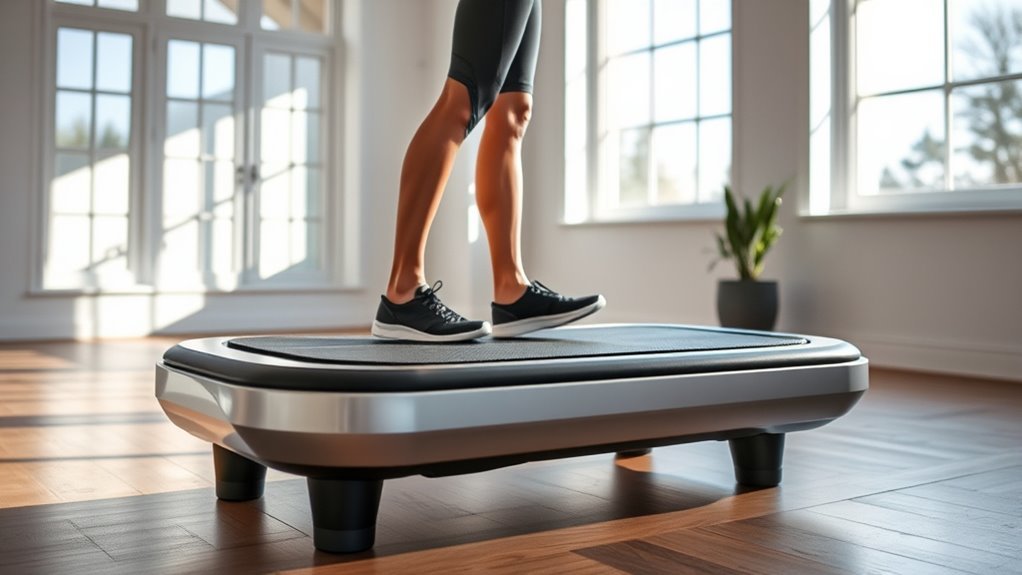
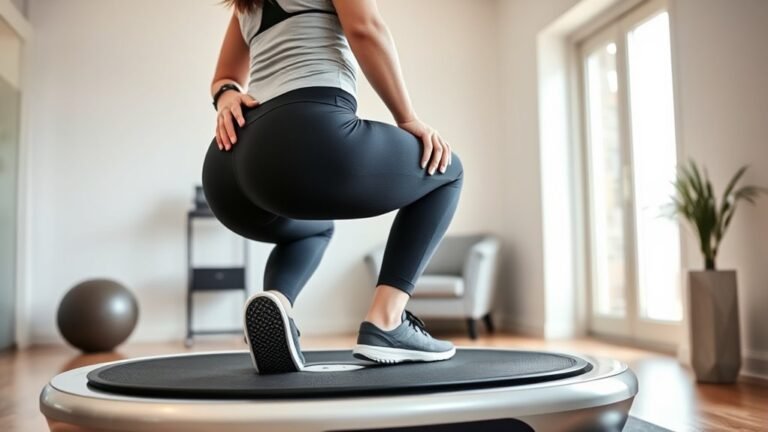
You’ll find vibration plates offer a range of health benefits, from improving circulation to boosting muscle strength. They’re often used in fitness routines and rehabilitation programs to enhance recovery and flexibility.
Understanding these uses can help you see why they might qualify as an eligible medical expense. It’s pretty interesting how something so simple can have multiple health perks, right?
Health Benefits Overview
A vibration plate can boost your fitness routine by stimulating muscle contractions through rapid vibrations. This stimulation helps improve your muscle strength and flexibility without requiring intense effort.
Using a vibration plate regularly may also enhance your circulation, promoting better oxygen and nutrient delivery throughout your body. Plus, it can aid in reducing muscle soreness and stiffness, which means you recover faster after physical activity.
Some people find that vibration plates help improve their balance and coordination, supporting overall body stability. While these health benefits are promising, they complement a well-rounded fitness and wellness plan rather than replace traditional exercise or medical treatments.
Understanding these advantages helps you decide if a vibration plate fits your personal health goals. It’s all about finding what works best for you!
Fitness and Rehabilitation Uses
Although vibration plates might seem like simple exercise tools, they serve important roles in both fitness and rehabilitation. You can use them to enhance your workout and help recover from injuries more effectively.
Here’s how vibration plates benefit you:
- Improve Muscle Strength: The rapid vibrations cause your muscles to contract multiple times per second, boosting strength and endurance without heavy lifting.
- Enhance Circulation and Flexibility: Using a vibration plate increases blood flow, which aids flexibility and reduces muscle stiffness.
- Support Injury Rehabilitation: They provide low-impact therapy to help you regain mobility and reduce pain during recovery.
Criteria for FSA Eligibility of Fitness Equipment
Since fitness equipment can vary widely, understanding the specific criteria that determine FSA eligibility is essential before making a purchase. Generally, for fitness equipment like vibration plates to qualify, it must be primarily used to treat or alleviate a medical condition.
The item should be considered medically necessary, not just for general fitness. Additionally, the equipment usually needs to be prescribed or recommended by a healthcare professional to meet FSA requirements. Items solely for enhancing general health or wellness typically aren’t eligible.
Furthermore, the equipment should directly relate to a specific treatment plan or therapy. Knowing these guidelines helps you avoid unexpected FSA denials and ensures your investment supports your health needs effectively. Always verify eligibility before buying to make the most of your FSA funds.
Medical Necessity and Doctor’s Recommendation
Understanding the basic criteria for FSA eligibility sets the stage for recognizing the importance of medical necessity and a doctor’s recommendation.
To qualify for FSA coverage, you’ll need a clear diagnosis or medical condition that vibration plates can help treat, such as muscle atrophy or balance issues.
You’ll also need a written recommendation or prescription from your healthcare provider stating that the vibration plate is medically necessary.
Plus, having documentation supporting how the device directly addresses your specific health needs is key. This helps differentiate it from general fitness equipment.
Without these elements, your FSA claim for a vibration plate is unlikely to succeed.
How to Submit Vibration Plate Expenses for FSA Reimbursement
Submitting vibration plate expenses for FSA reimbursement requires careful preparation to guarantee your claim is approved. First, verify you have a doctor’s recommendation stating the medical necessity for the vibration plate. Keep the original purchase receipt and any documentation that explains the product’s therapeutic benefits.
Next, fill out your FSA provider’s claim form completely, attaching all supporting documents. Submit your claim online or via mail, depending on your FSA administrator’s process. Track your submission to confirm it’s received and processed.
If your claim is denied, review the reason carefully and provide any additional information requested. Staying organized and proactive will help you navigate the reimbursement process smoothly and increase your chances of getting your vibration plate expenses covered under your FSA.
Alternative Options for Funding Vibration Plate Purchases
If your Flexible Spending Account doesn’t cover vibration plates, don’t worry—you still have several funding options to contemplate. Here are three alternatives you can consider:
- Health Savings Account (HSA): If you have an HSA, check if your vibration plate qualifies as a medical expense, allowing tax-free withdrawals.
- Payment Plans: Many retailers offer installment plans, letting you spread out the cost without needing upfront cash.
- Personal Loans or Credit: Low-interest personal loans or credit cards can help you purchase a vibration plate now and pay over time.
Exploring these options can make it easier to afford your equipment while managing your budget effectively. Just be sure to verify eligibility and terms before committing.
Tips for Maximizing Your FSA Benefits
While alternative funding options can help you secure a vibration plate, getting the most from your Flexible Spending Account can save you money upfront. First, check if your vibration plate qualifies as a medical expense with a doctor’s prescription.
Keep all receipts and documentation organized for easy reimbursement. Use your FSA card to pay directly when possible, avoiding out-of-pocket costs.
Plan your purchases around your FSA’s timeline to prevent losing unused funds at year-end. If you’re unsure about eligibility, contact your FSA administrator before buying.
Finally, explore combining your FSA with Health Savings Accounts (HSAs) if applicable, to maximize your healthcare spending power. Following these tips helps you use your benefits efficiently and avoid unnecessary expenses.
Frequently Asked Questions
Can Vibration Plates Improve Muscle Recovery After Workouts?
Yes, vibration plates can improve muscle recovery after workouts by increasing blood flow and reducing soreness.
You’ll find they help relax muscles and speed up healing, making your post-exercise routine more effective and comfortable.
Are There Age Restrictions for Using Vibration Plates Safely?
Think of vibration plates as a powerful engine; you shouldn’t jump in without caution. While there’s no strict age limit, you should consult your doctor, especially if you’re elderly or have health issues, to use them safely and effectively.
It’s all about making sure it’s the right fit for your body. So, a quick chat with your healthcare provider can help you get the most out of it without any risks.
How Long Should a Typical Vibration Plate Session Last?
You should aim for 10 to 15 minutes per vibration plate session. If you’re new to it, start with shorter periods.
Listen to your body and gradually increase the time as you get more comfortable. This helps you avoid overexertion or injury.
Can Vibration Plates Help With Balance and Stability Issues?
You can improve balance and stability using vibration plates—studies show they boost muscle strength by up to 15%.
Just 10-15 minutes a day can enhance coordination, helping you stay steadier and reduce fall risks effectively.
It’s a simple way to give your muscles and balance a helpful boost!
What Are the Common Side Effects of Using Vibration Plates?
You might experience muscle soreness, dizziness, or nausea when using vibration plates. Some users feel joint discomfort or headaches, especially if you overuse the machine or have underlying health issues.
Always start slow and listen to your body. It’s better to take it easy at first and see how you feel. That way, you can avoid pushing yourself too hard and reduce the chance of side effects.
Conclusion
If you’re considering a vibration plate, check if your FSA covers it by confirming medical necessity with your doctor. While these devices are often fitness-focused, they usually don’t qualify unless prescribed.
To maximize your money, make sure to meticulously manage your medical documents and submit your claims quickly. Staying savvy about your spending can save you stress and help strengthen your savings.
Remember, regularly reviewing FSA requirements guarantees you’re ready to reap the rewards of your flexible spending account. Being proactive about understanding what’s eligible, like vibration plates when prescribed, ensures you make the most of your FSA funds. Keep an eye on your documentation and deadlines, and you’ll be well-prepared to benefit from your account without any surprises.