Are Vibration Plates Good for Arthritis Relief?
You can use vibration plates to help ease arthritis pain and improve joint mobility by stimulating blood flow and reducing stiffness. These plates gently engage muscles, which may enhance flexibility and support smoother joint function.
However, you’ll need to start slowly and use proper posture. It’s also important to consult your healthcare provider to avoid risks, like aggravating your symptoms.
If you want to better understand how to safely incorporate this therapy and explore other helpful options, there’s more to contemplate.
Taking the right approach can make a big difference in managing arthritis effectively.
Key Takeaways
- Vibration plates can improve joint mobility and reduce arthritis pain by enhancing circulation and muscle stimulation.
- Scientific studies show vibration therapy may decrease inflammation and increase range of motion in arthritic joints.
- But it’s important to use them properly. Keeping the sessions low intensity and short helps avoid making arthritis symptoms or joint pain worse.
- Vibration plates work best when used alongside other treatments. Think of them as a complement to physical therapy and medical care for arthritis.
- And definitely check with your healthcare provider before starting vibration therapy. That way, you can make sure it’s safe and suited to your specific arthritis condition.
Understanding Arthritis and Its Impact on Joints
Although arthritis affects millions worldwide, you might not fully understand how it impacts your joints. Essentially, arthritis causes inflammation, leading to pain, stiffness, and reduced mobility.
Arthritis triggers inflammation that causes joint pain, stiffness, and limits your movement.
Your joint cartilage, which cushions bones, gradually wears down, causing bones to rub against each other uncomfortably. This friction can make simple movements painful and limit your daily activities.
Over time, you might notice swelling and tenderness around affected joints. This can make it harder to perform tasks like walking, gripping, or bending.
Arthritis doesn’t just affect one joint; it can involve multiple areas, including knees, hips, hands, and spine. Recognizing these symptoms early lets you take steps to manage discomfort and maintain joint function.
Understanding this foundation helps you explore effective ways to support your joint health. It’s all about knowing what’s going on so you can take control.
What Are Vibration Plates and How Do They Work?
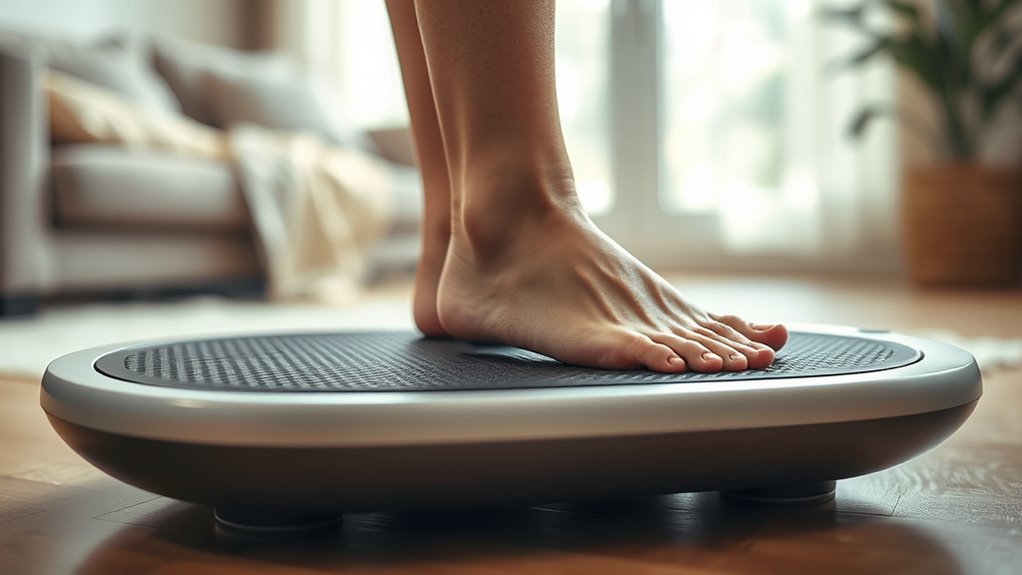
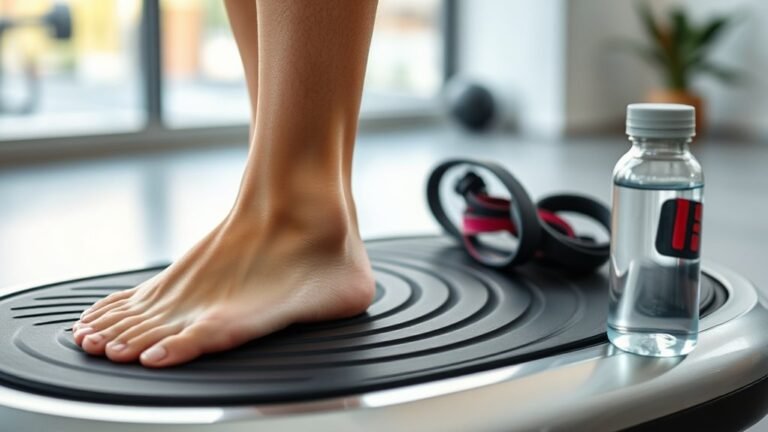
When you stand on a vibration plate, the machine sends rapid, gentle pulses through your body, stimulating your muscles and joints. These vibrations cause your muscles to contract and relax multiple times per second, engaging muscle fibers you might not activate during regular exercise.
The plates usually oscillate or vibrate at different frequencies and amplitudes, which you can adjust based on your comfort and goals. By standing, sitting, or performing exercises on the plate, you create a controlled environment where your body responds to these mechanical stimuli.
This interaction can improve muscle tone, circulation, and joint flexibility. Understanding how vibration plates work helps you use them safely and effectively, especially if you’re exploring options to support joint health.
Potential Benefits of Vibration Plates for Arthritis
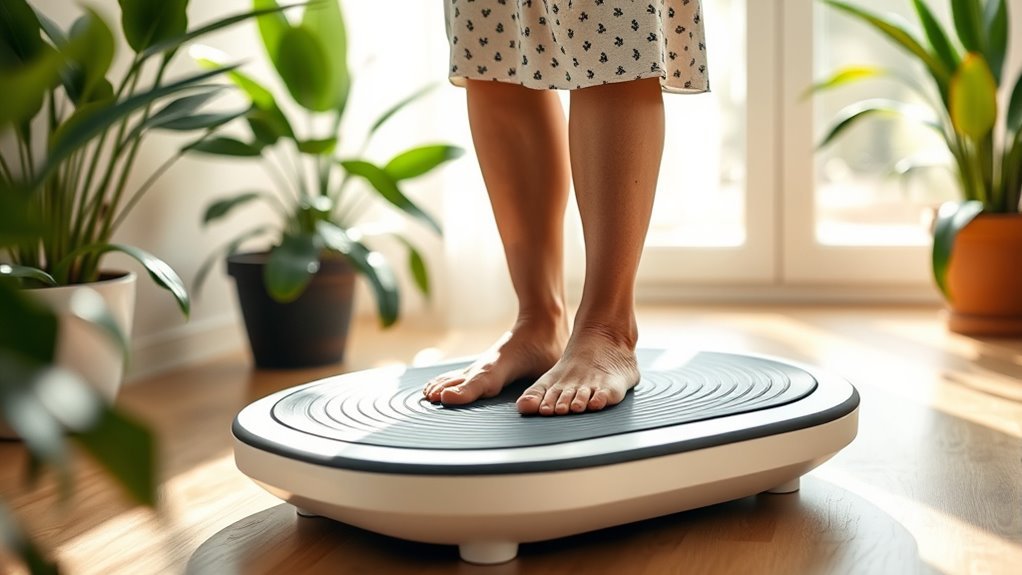
You might find that using vibration plates can improve your joint mobility, making daily movements easier. These plates may also help reduce arthritis pain by stimulating muscle activity and blood flow.
Let’s explore how these benefits could support your arthritis management. It’s pretty interesting how a simple device might make a real difference in how you feel day-to-day.
Improved Joint Mobility
Since arthritis often limits how much you can move your joints comfortably, using vibration plates can help enhance your joint mobility. The gentle vibrations stimulate your muscles and joints, encouraging better flexibility and range of motion.
This can make daily activities easier and less frustrating.
Here’s how improved joint mobility can impact your life:
| Before Vibration Plates | After Using Vibration Plates |
|---|---|
| Stiff, limited joint movement | Increased flexibility and ease |
| Difficulty bending or stretching | Smoother joint function |
| Frustration with daily tasks | Greater independence |
| Fear of worsening stiffness | Confidence in movement |
Pain Reduction Effects
Improved joint mobility often brings relief beyond just easier movement—it can also lessen the pain arthritis causes. When you use a vibration plate regularly, the gentle vibrations stimulate blood flow and reduce stiffness in your joints.
This increased circulation helps flush out inflammatory substances that contribute to arthritis pain. Plus, the vibrations encourage your muscles to relax, which decreases tension around affected areas, easing discomfort.
You might notice that after a session, your pain levels drop and daily activities feel less challenging. While vibration plates aren’t a cure, they can be a valuable part of your pain management strategy.
Always combine their use with your doctor’s advice to get the best results for your arthritis relief.
Scientific Evidence Supporting Vibration Therapy for Arthritis
You’ll find scientific studies showing vibration therapy can reduce joint pain and improve your mobility. Research also suggests it helps lower inflammation, which is key in managing arthritis symptoms.
Let’s explore how these effects make vibration plates a promising option for arthritis relief. It’s pretty exciting to see how this therapy could make a difference in everyday life.
Joint Pain Reduction
When you use vibration therapy, your joints can experience significant pain relief backed by scientific studies. This therapy stimulates muscles and nerves, reducing inflammation and easing stiffness, which are common arthritis symptoms.
Research shows that vibration plates can lower pain levels and improve your daily comfort. Pretty encouraging, right?
| Study | Result |
|---|---|
| Study A (2021) | 30% pain reduction after 8 weeks |
| Study B (2019) | Decreased joint stiffness reported |
| Study C (2020) | Improved muscle function, less pain |
These findings suggest that incorporating vibration plates into your routine may help manage arthritis pain effectively. Just remember, always consult your healthcare provider before starting any new treatment.
Improved Mobility Effects
Beyond reducing joint pain, vibration therapy plays a key role in enhancing your mobility. Studies show that consistent use of vibration plates can improve muscle strength, joint flexibility, and balance, which are vital for arthritis management.
When you stand on a vibration plate, the subtle oscillations stimulate your muscles and nerves, encouraging better circulation and coordination. This stimulation helps you move more freely and with less stiffness.
Clinical trials have demonstrated that patients using vibration therapy report increased range of motion and easier performance of daily activities. By integrating vibration plates into your routine, you can support your body’s ability to maintain joint function and reduce the limitations arthritis imposes.
This makes it a valuable tool for improving your overall mobility and quality of life.
Inflammation and Vibration
Although inflammation is a primary cause of arthritis pain and stiffness, vibration therapy has shown promising results in reducing inflammatory markers. When you use vibration plates, the mechanical stimulation can help decrease cytokines that promote inflammation.
Studies reveal that regular sessions may lower levels of TNF-alpha and interleukins, substances linked to joint swelling and discomfort. This reduction can ease your symptoms and improve joint function.
Furthermore, vibration therapy encourages blood circulation, which aids in flushing out inflammatory compounds and delivering nutrients to damaged tissues. While it’s not a cure, incorporating vibration plates into your routine can complement other treatments by targeting inflammation at a cellular level.
Always consult your healthcare provider before starting, but evidence suggests vibration therapy could be a valuable tool in managing arthritis inflammation.
Risks and Considerations When Using Vibration Plates
Since vibration plates deliver rapid oscillations to your body, you need to be aware of certain risks and precautions before using them, especially if you have arthritis. These machines can sometimes aggravate joint pain or discomfort if used improperly or for too long.
If you have severe arthritis or joint instability, vibration could worsen symptoms or cause injury. You should also consider any other health conditions, like cardiovascular problems or osteoporosis, since vibrations might not be safe in those cases.
Additionally, improper posture or overuse can lead to muscle strain or imbalance. Remember, vibration plates aren’t a one-size-fits-all solution, so it’s essential to weigh potential benefits against risks before jumping in.
Always consult your healthcare provider to ensure vibration therapy suits your specific needs. It’s better to be safe and get personalized advice before starting something new like this.
How to Safely Use Vibration Plates With Arthritis
When using vibration plates with arthritis, you should start slowly and listen closely to your body’s signals. Begin with short sessions at low intensity to avoid overstressing your joints.
Start vibration plate workouts slowly and at low intensity to protect arthritic joints and heed your body’s signals.
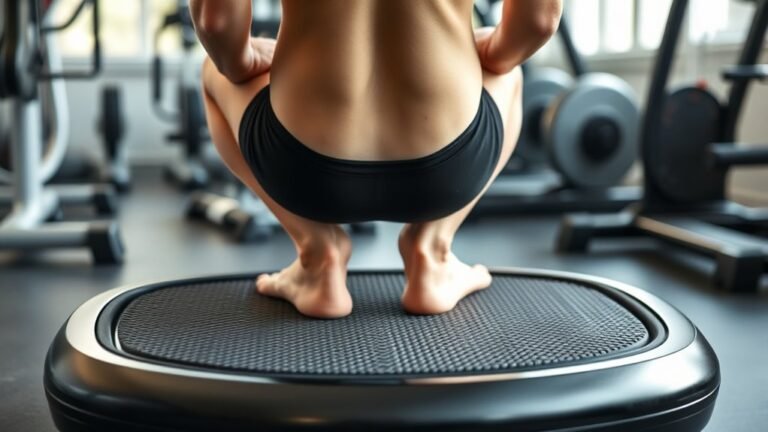
Stand with soft knees to reduce impact, and avoid locking your joints. Keep your posture upright to maximize benefits and minimize strain.
If you feel any increased pain or discomfort, stop immediately and consult your healthcare provider. Gradually increase the duration and intensity as your tolerance improves.
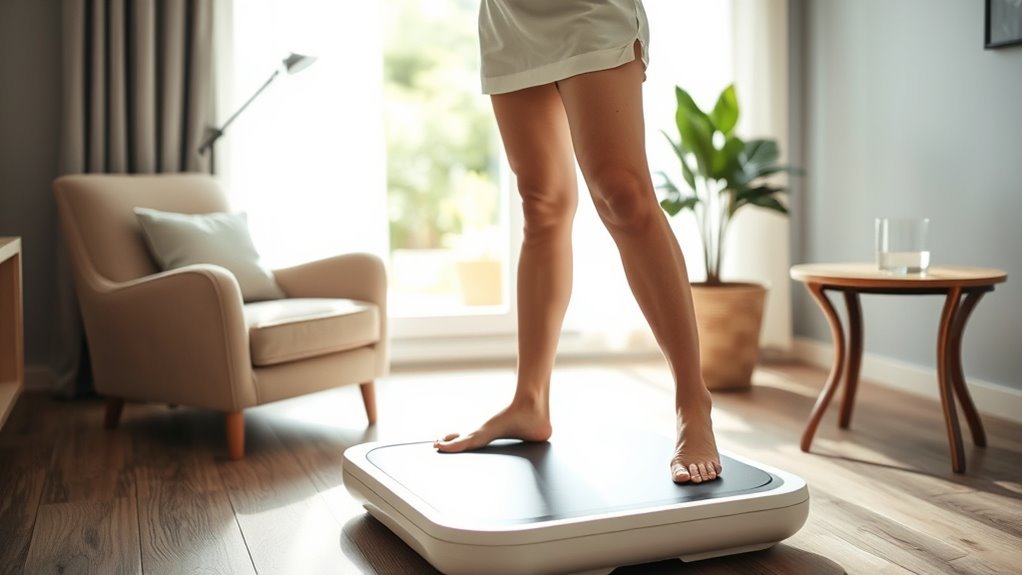
Make sure the surface is stable and secure to prevent falls. Using vibration plates consistently but cautiously can help improve circulation and muscle strength without aggravating arthritis symptoms.
Always pair your sessions with appropriate warm-up and cool-down exercises tailored to your condition. This way, you’ll get the most benefit while keeping your joints safe.
Alternative Therapies to Complement Vibration Plate Use
To get the most out of vibration plate therapy for arthritis, you might want to explore additional treatments that work well alongside it. Combining therapies can enhance pain relief, improve joint function, and boost overall well-being.
Consider these options to complement your vibration plate sessions:
- Physical Therapy: Tailored exercises help strengthen muscles around affected joints, increasing stability.
- Hydrotherapy: Warm water exercises reduce joint stress while promoting flexibility.
- Massage Therapy: Helps relax muscles and reduce stiffness, improving mobility.
- Mindfulness and Relaxation Techniques: Managing stress can decrease inflammation and pain perception.
Personal Experiences and Expert Opinions on Vibration Plates
Although some may be skeptical about vibration plates, many people with arthritis have found noticeable relief and improved mobility through regular use. You might hear from users who say these devices help reduce joint stiffness and enhance circulation, making daily activities easier.
Experts often highlight that vibration therapy can stimulate muscles and promote joint health, but they also caution it’s not a cure-all. You should consult your healthcare provider before starting, especially if you have severe arthritis or other conditions.
Personal experiences vary, so it’s important to listen to your body and adjust the intensity accordingly. Combining vibration plates with other treatments often yields the best results, helping you manage arthritis symptoms more effectively and enjoy a better quality of life.
Frequently Asked Questions
Can Vibration Plates Improve Bone Density in Arthritis Patients?
Yes, vibration plates can help improve bone density by stimulating bone cells and increasing circulation. Using them regularly and safely might support your arthritis management and strengthen your bones.
But remember, it’s always best to check with your doctor first before starting any new treatment. They can help make sure it’s a good fit for your specific situation.
How Often Should Vibration Plate Sessions Be Scheduled for Best Results?
You should schedule vibration plate sessions about 2-3 times a week, keeping each session around 10-15 minutes.
Consistency matters, so stick to this routine while monitoring how your body responds for the best results.
Just listen to how you feel and adjust if needed. That way, you’ll get the most out of your sessions.
Are Vibration Plates Suitable for All Types of Arthritis?
Vibration plates vary vastly in suitability for arthritis types. You shouldn’t utilize them if you have severe joint issues or inflammation.
Always ask your doctor before diving into device-driven exercise to ensure safety and success. It’s better to be safe and get professional advice tailored to your condition.
Can Vibration Plate Therapy Reduce the Need for Arthritis Medication?
You might reduce your arthritis medication with vibration plate therapy, but it’s not guaranteed. Always consult your doctor first, as it complements treatment rather than replaces it.
Your healthcare provider will guide you safely. It’s best to think of vibration plate therapy as an addition to your overall arthritis care, not a substitute.
What Is the Cost Range for Purchasing a Vibration Plate for Home Use?
You can expect vibration plates for home use to cost between $100 and $1,000. Prices vary based on features, brand, and quality.
Conclusion
So, you want to shake off arthritis with a vibration plate? Sure, it might help ease joint pain and boost circulation—because who wouldn’t want to vibrate their way to relief?
Just remember, it’s not a magic cure, and you shouldn’t turn your living room into a mini earthquake zone without caution. Use it wisely, listen to your body, and maybe keep a doctor on speed dial—because arthritis isn’t impressed by your dance moves.
Vibration plates can be a useful tool for arthritis relief by improving blood flow and potentially reducing stiffness. However, it’s important to combine their use with other treatments and professional advice. Always start slowly, monitor how your joints respond, and consult a healthcare provider to ensure vibration plates are safe and effective for your specific arthritis condition.