Are Vibration Plates Eligible for HSA?
You can use HSA funds to buy a vibration plate only if your healthcare provider prescribes it to treat a specific medical condition and documents its medical necessity.
Without that, vibration plates are seen as general fitness equipment and aren’t eligible for reimbursement.
Make sure you keep all receipts and doctor’s notes to support your claim.
If you want to understand how to verify eligibility and maximize your HSA benefits, there’s more important info to contemplate.
Key Takeaways
- Vibration plates qualify for HSA only if prescribed by a healthcare provider for a specific medical condition.
- You’ll need detailed medical documentation proving the necessity to be eligible for HSA reimbursement.
- If you’re using a vibration plate just for general fitness or wellness, it won’t qualify for HSA funds.
- The IRS requires that the equipment must be used to treat or prevent a medical condition to be considered HSA-eligible.
- Make sure to keep your receipts and medical records.
- These documents help prove the medical purpose of your vibration plate purchase if you want to use HSA funds.
Understanding Health Savings Accounts
Although Health Savings Accounts (HSAs) might seem complex at first, they offer a straightforward way for you to save money on medical expenses. You can contribute pre-tax dollars to your HSA, which then grow tax-free.
When you use these funds for qualified medical costs, you won’t pay taxes on withdrawals either. This triple tax advantage makes HSAs a powerful tool to manage healthcare expenses.
To open an HSA, you need to be enrolled in a high-deductible health plan. You control your HSA funds, and unused money rolls over year after year, unlike flexible spending accounts.
Criteria for HSA Eligible Expenses
What expenses qualify for HSA funds? To use your HSA, the expense must be primarily to treat or prevent a medical condition. This includes doctor visits, prescription medications, and certain medical devices like crutches or blood pressure monitors.
Over-the-counter items qualify only if prescribed by a healthcare professional. You can’t use HSA money for general wellness products or fitness equipment unless a doctor specifically prescribes them for a medical condition.
The expense should be deemed medically necessary, not just for convenience or general health. Keep receipts and documentation proving the medical purpose in case you need to verify eligibility.
Overview of Vibration Plates and Their Uses
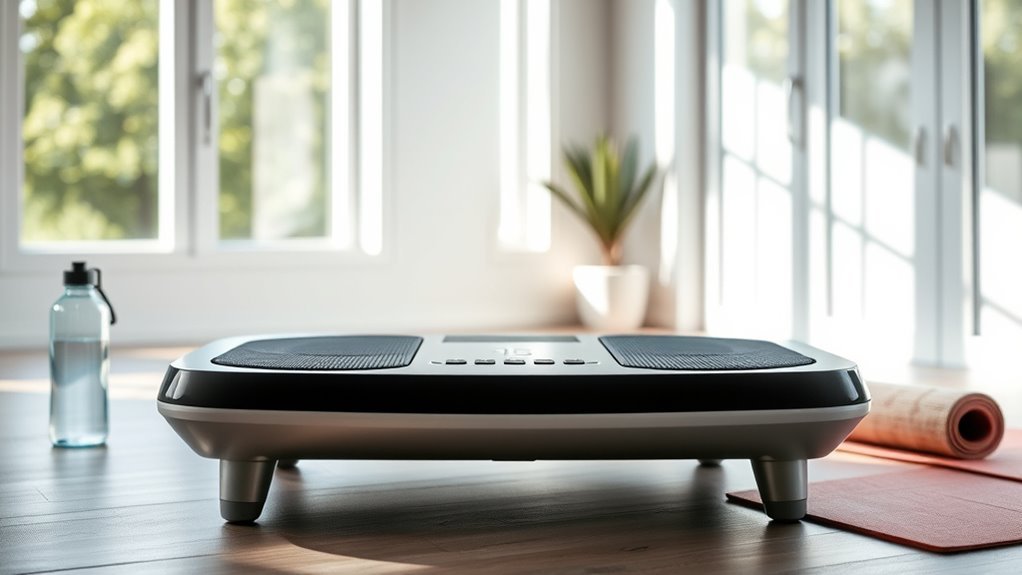
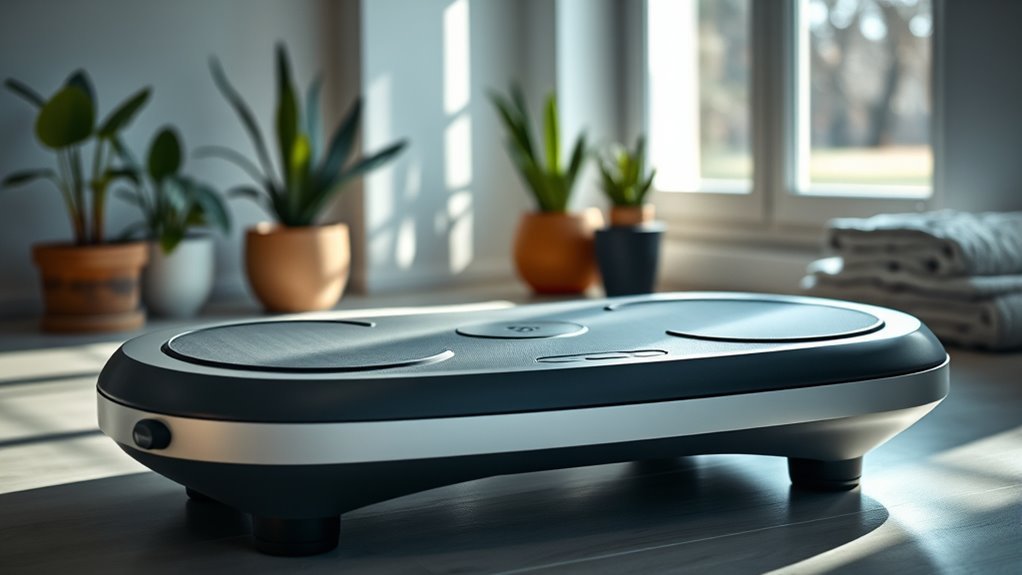
Since vibration plates stimulate muscles through rapid vibrations, they offer a unique way to enhance strength, balance, and circulation. When you stand, sit, or perform exercises on a vibration plate, the machine sends gentle pulses that activate your muscles more intensely than regular workouts.
You can use these plates for various fitness goals, including muscle toning, flexibility improvement, and even recovery after exercise. Many people incorporate vibration plates into their routines to complement strength training or help with warming up.
They’re popular in gyms and home setups because they’re easy to use and time-efficient. While they’re versatile tools for fitness, it’s important to understand their role and limitations before considering them for health-related expenses like HSAs.
Medical Benefits of Vibration Plates
When you use vibration plates regularly, you can experience several medical benefits that go beyond basic fitness improvements. They help increase bone density, which is vital if you’re dealing with osteoporosis or want to prevent it.
Vibration plates can improve circulation, helping your body deliver nutrients and oxygen more efficiently. You might also notice reduced muscle soreness and faster recovery after workouts or injuries.
For those managing chronic pain or arthritis, these plates offer gentle stimulation that can ease stiffness and improve joint mobility. Plus, they support better balance and coordination, which lowers your risk of falls, especially as you age.
Incorporating vibration plates into your routine can be a valuable part of managing certain health conditions and enhancing overall wellness. It’s definitely worth considering if you want to boost your health in a simple, effective way.
IRS Guidelines on Fitness Equipment and HSAs
You need to understand the IRS rules before using your HSA for fitness equipment like vibration plates. The IRS has specific criteria that equipment must meet to qualify for HSA spending.
Let’s look at what those guidelines mean for your purchase. It’s important to know whether your equipment is considered a medical expense or just a general fitness item. That way, you can avoid any surprises when it comes to eligible expenses.
IRS Rules Overview
Although vibration plates can boost your fitness routine, the IRS has specific rules about whether you can use your Health Savings Account (HSA) funds to buy them. The IRS allows HSA money to cover expenses that treat or prevent medical conditions.
However, fitness equipment generally isn’t considered a qualified medical expense unless prescribed by a doctor for a specific health issue. You can’t just use your HSA for general health improvements or fitness goals.
When you purchase something like a vibration plate, you need clear documentation showing it’s medically necessary. Without that, your HSA spending might be disallowed, and you could face taxes or penalties.
Fitness Equipment Criteria
Since the IRS sets strict criteria for using HSA funds on fitness equipment, understanding their guidelines is vital before making a purchase. You can only use HSA money for fitness equipment if it’s prescribed by a doctor to treat a specific medical condition.
The equipment must primarily serve a medical purpose, not just general fitness or wellness. For example, if your doctor recommends a vibration plate to improve circulation or aid rehabilitation, it might qualify.
However, if you buy it solely to enhance your workout routine, your HSA funds likely won’t cover it. Always get a prescription and keep documentation to support your claim, as the IRS may require proof.
Staying informed ensures you don’t risk disallowed expenses or penalties. So, make sure you check everything carefully before you spend.
Comparing Vibration Plates to Other Eligible Medical Devices
When evaluating vibration plates alongside other eligible medical devices, you’ll find that each offers distinct benefits depending on your health goals and medical needs.
Vibration plates promote muscle stimulation and circulation, while devices like TENS units target pain relief and mobility improvement.
Understanding these differences helps you choose what fits best with your treatment plan.
| Device Type | Primary Benefit |
|---|---|
| Vibration Plate | Muscle stimulation, circulation |
| TENS Unit | Pain relief, nerve stimulation |
| CPM Machine | Joint mobility, post-surgery recovery |
| Blood Pressure Monitor | Cardiovascular health tracking |
How to Determine if Your Vibration Plate Purchase Qualifies
To know if your vibration plate purchase qualifies for HSA use, check the IRS eligibility criteria carefully. You’ll also need proper medical necessity documentation from your healthcare provider.
Making sure both requirements are met can help you avoid issues when filing your claim. So, it’s a good idea to double-check everything before you buy. That way, you won’t run into any surprises later.
IRS Eligibility Criteria
Although vibration plates offer various health benefits, not every purchase qualifies for Health Savings Account (HSA) reimbursement. To determine if your vibration plate is eligible under IRS guidelines, you need to focus on specific criteria.
The IRS generally allows HSA funds to cover items that treat or prevent a medical condition. Here’s what you should consider:
- The device must be prescribed by a healthcare professional for a diagnosed medical condition.
- It should primarily serve a medical purpose rather than general fitness or wellness.
- You must keep detailed records, including receipts and any relevant documentation, to justify the expense if audited.
Understanding these IRS rules will help you decide if you can confidently use your HSA for a vibration plate purchase.
Medical Necessity Documentation
A clear and thorough medical necessity document can make all the difference in getting your vibration plate purchase approved for HSA reimbursement. You’ll need a detailed letter from your healthcare provider explaining why a vibration plate is essential for your specific medical condition.
This document should outline how the device helps treat or manage your illness or injury, avoiding general fitness claims. Be sure your doctor includes your diagnosis, treatment plan, and how the vibration plate supports that plan.
Keep in mind, the IRS requires this documentation to prove the expense is for medical care. Without it, your HSA provider may deny the claim. So, before purchasing, ask your healthcare provider for this documentation to ensure your vibration plate qualifies for HSA funds.
Alternative Ways to Use HSA Funds for Fitness and Health Equipment
When you want to enhance your fitness routine but find that certain equipment like vibration plates isn’t directly eligible for HSA spending, exploring alternative uses for your HSA funds can help. You can still invest in your health by focusing on items that qualify under IRS guidelines, ensuring your HSA contributions work effectively.
Consider these options: purchase durable medical equipment prescribed by your doctor, such as orthopedic supports or blood pressure monitors. You might also use HSA funds for fitness-related therapies or treatments that improve medical conditions, like physical therapy sessions.
Another idea is to buy health monitoring devices like glucometers or pulse oximeters that track chronic conditions and support your wellness plan. These alternatives let you stay proactive about your health while maximizing your HSA benefits without risking ineligible expenses.
Frequently Asked Questions
Can Vibration Plates Improve Mental Health Conditions?
Yes, vibration plates can improve mental health by reducing stress and anxiety, boosting mood, and enhancing relaxation.
You’ll feel more energized and mentally clear after regular use, which can positively impact your overall well-being. It’s a simple way to give your mind a little boost. Give it a try and see how it works for you!
How Often Should I Use a Vibration Plate for Best Results?
You should use a vibration plate about 3 times a week for 10-15 minutes per session. Consistency matters, so don’t overdo it—rest days help your muscles recover and maximize your results.
Taking breaks is important. Your muscles need time to bounce back, and that’s how you get the best benefits. So, stick to a routine but give yourself some downtime too.
Are Vibration Plates Safe for Elderly Users?
Yes, vibration plates can be safe for elderly users if you start slowly, use low settings, and consult your doctor first. They’ll help improve balance and circulation.
But remember, it’s important not to overdo it. Taking it easy helps prevent injury and keeps things safe.
What Maintenance Do Vibration Plates Require?
You’ll want to wipe down your vibration plate after every use like it’s a precious diamond.
Also, check screws, lubricate moving parts, and keep it dust-free to guarantee it hums smoothly and lasts for ages.
Can Vibration Plates Help With Weight Loss?
Yes, vibration plates can help with weight loss by boosting your metabolism and increasing muscle activity.
But don’t rely on them alone; combine with proper diet and regular exercise for the best results.
Conclusion
While vibration plates offer impressive health benefits, they typically aren’t HSA-eligible because the IRS classifies them as fitness equipment, not medical devices.
However, if your doctor prescribes one for a specific medical condition, you might qualify for reimbursement with proper documentation. Always check your HSA plan’s rules and get a letter of medical necessity to support your claim.
This way, you can enjoy your vibration plate while making the most of your HSA funds. Remember, understanding whether vibration plates are HSA-eligible can save you money and ensure you use your health savings account correctly. So, before purchasing, verify eligibility and keep all necessary paperwork handy to maximize your benefits.