Does Goodwill Take Treadmills and How to Donate Yours
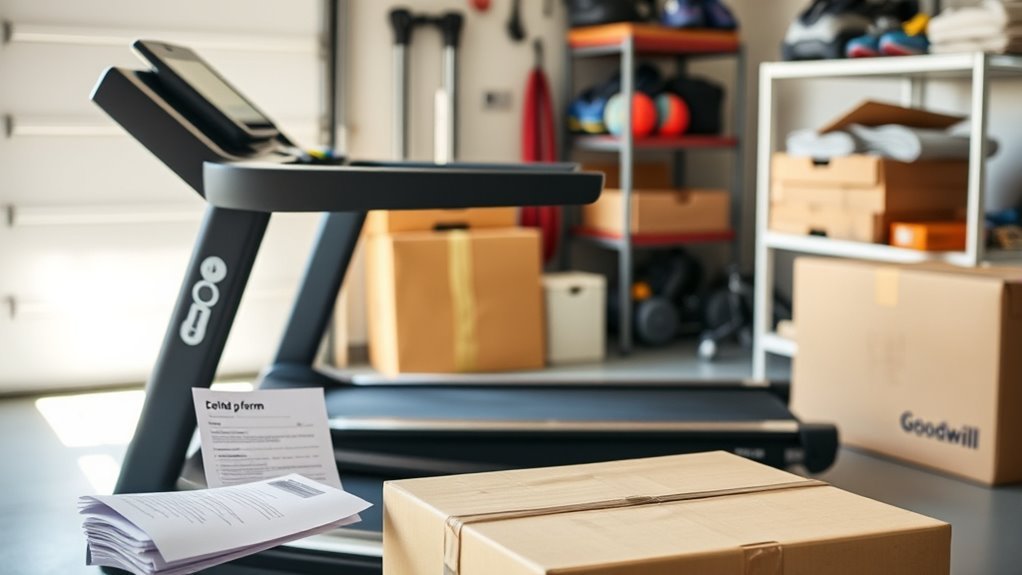
You can donate your treadmill to Goodwill if it’s clean, fully working, and meets their size and safety rules. These requirements can vary by location, so it’s a good idea to check first.
Before you drop off your treadmill, contact your local Goodwill center to confirm they accept treadmills and whether they offer pickup services.
Make sure to clean and test your machine beforehand. Also, remove any detachable parts and gather the manuals if you have them. Proper preparation helps make the donation process smoother and easier for everyone involved.
Keep reading to learn about other donation options, recycling possibilities, and tips to ensure a hassle-free donation experience. Donating your treadmill responsibly not only helps others but also keeps your space clutter-free!
Key Takeaways
- Goodwill accepts treadmill donations based on location, store capacity, and size restrictions. Always check with your local center first to be sure.
- Treadmills must be clean, fully operational, safe, and structurally sound before donation. It’s important they’re in good working condition to help others.
- Prepare your treadmill by cleaning it and removing any detachable parts. You might also want to disassemble foldable components and gather manuals and accessories.
- Confirm if your local Goodwill offers pickup services to make the donation process easier for you. Sometimes they can handle the heavy lifting!
- If your treadmill isn’t usable, consider recycling options or other donation centers. Goodwill may not accept it if it’s not in good shape.
Understanding Goodwill’s Donation Policies for Large Fitness Equipment

Although donating large fitness equipment like treadmills to Goodwill can be a generous way to declutter, you need to understand their specific donation policies first. Goodwill typically accepts large items based on location and store capacity, so it’s essential to check with your local donation center before bringing your treadmill.
Many centers have size restrictions or limited space for bulky equipment. You’ll also want to confirm if they offer pickup services for heavy items or if you’ll need to arrange transportation yourself.
Additionally, Goodwill encourages donations that are clean and in working condition, but details vary by location. By contacting your nearest Goodwill, you can ensure your treadmill meets their guidelines and avoid unnecessary trips or rejected donations.
Condition Requirements for Treadmill Donations
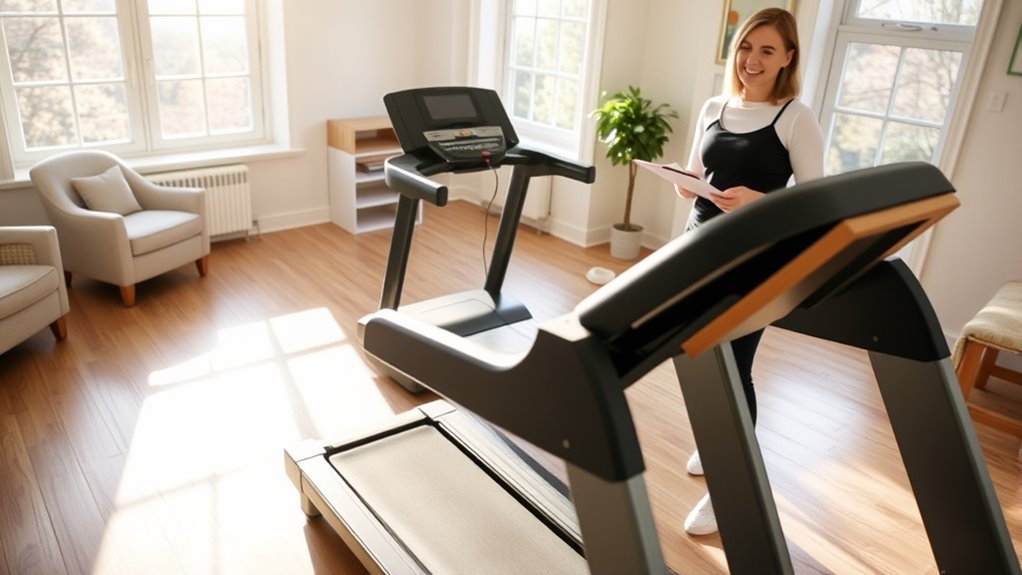
Since Goodwill wants to make certain their donated treadmills are safe and functional for others, you’ll need to verify your equipment is in good working order before donating. Check that the treadmill powers on without issues and the belt runs smoothly without any jerks or unusual noises.
Ensure all buttons, displays, and safety features like the emergency stop work properly. It’s also important that the treadmill is structurally sound—no broken parts, loose screws, or cracked frames.
Goodwill typically won’t accept treadmills that require significant repairs or have missing components. By meeting these condition requirements, you help ensure your treadmill can be safely used by someone else and that the donation process goes smoothly without unnecessary delays or refusals.
How to Prepare Your Treadmill for Donation
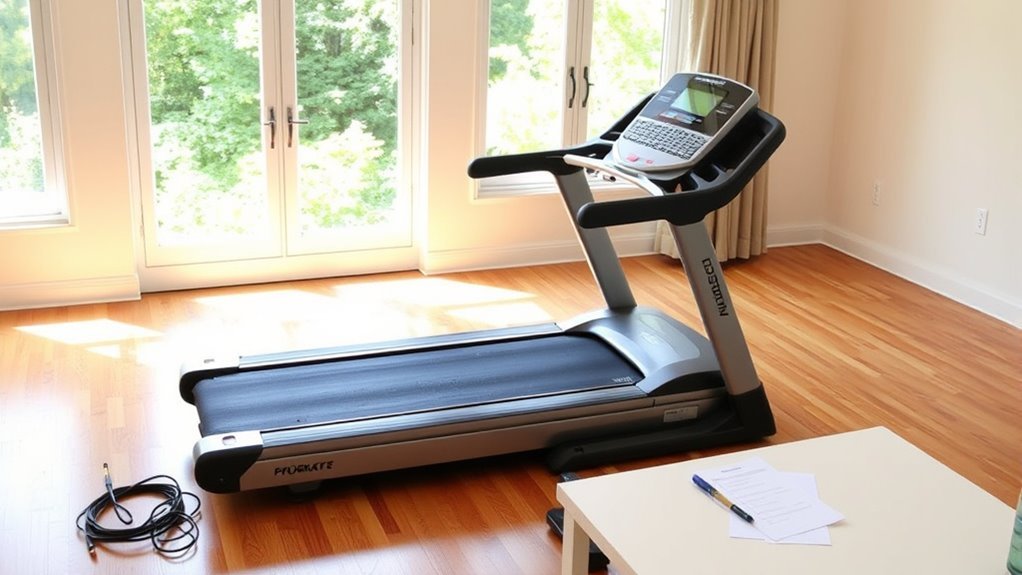
Before donating your treadmill, make sure you clean it thoroughly and disassemble any removable parts.
Test its functionality and safety to guarantee it’s in good working order.
Don’t forget to gather all accessories and manuals to include with your donation.
Clean and Disassemble
When you prepare your treadmill for donation, cleaning and disassembling it properly guarantees it’s safe and ready for its next user. Start by unplugging the treadmill and wiping down all surfaces with a damp cloth to remove dust, sweat, and grime. Pay close attention to the belt and console area.
Next, remove any detachable parts like the safety key, water bottle holder, or tablet stand. If your treadmill folds, fold it securely to save space during transport. Use basic tools to loosen bolts or screws if needed, but don’t fully dismantle complex components.
Label any removed parts to keep track. This careful cleaning and partial disassembly helps Goodwill staff handle the treadmill safely and efficiently, ensuring a smooth donation process.
Check Functionality and Safety
After cleaning and partially disassembling your treadmill, make sure it works properly and is safe to use. Testing its functionality ensures the next owner gets a reliable machine.
Here’s what you should do:
- Plug it in and turn it on, checking for any unusual noises or vibrations.
- Test the belt’s movement at different speeds to confirm smooth operation.
- Inspect the treadmill frame and handles for stability and tighten loose bolts.
- Verify that the emergency stop button works correctly and the display panel functions.
Addressing these points will help you avoid donating a faulty treadmill and increase the chance Goodwill accepts it without issues. Safety and functionality checks are essential steps before you donate.
Gather Accessories and Manuals
Why gather all the accessories and manuals before donating your treadmill? Including these items makes the treadmill more user-friendly and increases the chances it’ll be accepted.
Accessories like safety keys, power cords, and any attachments ensure the new owner can safely and fully use the machine. Manuals provide important setup, operation, and maintenance instructions, which helps recipients avoid confusion or misuse.
Before donation, collect all these components in one place. Check for any missing parts or damaged items and replace them if possible.
Packaging the accessories neatly with the treadmill shows you care about its condition and usability. This small effort can make a big difference in finding a good home for your treadmill and supporting those who’ll benefit from it.
Alternative Donation Centers That Accept Treadmills
Wondering where else you can donate a treadmill besides Goodwill? You’ve got several options that gladly accept fitness equipment. These centers often help guarantee your treadmill goes to someone who truly needs it.
Here are four alternative donation centers to contemplate:
- Local community centers – Many welcome treadmills for their fitness programs.
- Charity thrift stores – Some specialize in larger items and accept exercise machines.
- Nonprofit organizations – Groups focused on health and wellness may take your treadmill.
- Recycling centers with donation programs – They refurbish and provide equipment to underserved areas.
Check each center’s acceptance policies and condition requirements before donating. This way, you make sure your treadmill finds a good home.
Selling or Giving Away Your Treadmill Locally
If you’re looking to sell or give away your treadmill locally, check out online platforms like Facebook Marketplace or Craigslist. These sites make it super easy to connect with buyers in your area.
You can also explore nearby donation centers that accept fitness equipment. It feels good to give it a second life and help someone else get moving.
Don’t forget to join community exchange groups where neighbors often share or trade items for free. It’s a great way to clear out space and maybe find something new in return!
Local Selling Platforms
When you decide to part with your treadmill, local selling platforms offer a quick and convenient way to reach buyers or find someone who can give it a new home. These platforms connect you directly with people nearby, making transactions smoother and faster.
Here are four popular options to contemplate:
- Facebook Marketplace – Easy to list and communicate with local buyers.
- Craigslist – Widely used for selling bulky items like fitness equipment.
- OfferUp – User-friendly app focused on local sales and pickups.
- Nextdoor – Connects you with neighbors interested in your treadmill.
Using these platforms, you can set your price, negotiate directly, and arrange pickup times. They’re excellent alternatives if you want to avoid shipping hassles or donation restrictions.
Give them a try—it’s often faster and more rewarding to sell locally!
Donation Centers Near You
Although selling your treadmill locally is a great option, donating it to nearby centers can simplify the process and benefit your community. You can start by checking local charities, thrift stores, or nonprofit organizations that accept fitness equipment.
Many donation centers will even offer pickup services, saving you time and effort. Before donating, call ahead to confirm they accept treadmills and understand any condition requirements.
Donating your treadmill guarantees it gets reused or refurbished, helping people who might not afford new equipment. Plus, you may qualify for a tax deduction.
Community Exchange Groups
Donating your treadmill to local centers is a great way to support your community, but you can also explore community exchange groups to sell or give it away directly. These groups connect you with neighbors who might need your treadmill, making the process faster and more personal.
Here’s how you can effectively use community exchanges:
- Join local Facebook Marketplace or neighborhood groups to list your treadmill.
- Use apps like Nextdoor to reach people nearby interested in fitness equipment.
- Clearly describe your treadmill’s condition and include photos to attract serious buyers or takers.
- Arrange safe, convenient pickup or delivery options to close the deal smoothly.
Recycling Options for Unusable Treadmills
If your treadmill is beyond repair or donation, you still have responsible options to dispose of it through recycling. Many local recycling centers accept large appliances and exercise equipment, breaking them down to salvage metals and plastics.
Check your municipality’s guidelines to find the nearest facility that handles electronic and mechanical waste. Some companies specialize in fitness equipment recycling, removing hazardous materials and repurposing usable parts.
You can also contact the manufacturer; some offer take-back or recycling programs. Avoid sending your treadmill to a landfill, as it contains components that harm the environment.
By choosing recycling, you reduce waste and support sustainable resource use. Always disassemble the treadmill if required, and remove batteries or electronic parts for separate recycling.
This keeps the process efficient and eco-friendly.
Tax Benefits of Donating Exercise Equipment
When you give your exercise equipment to a qualified organization, you can often claim a tax deduction that lowers your taxable income.
To maximize your benefits, keep in mind these important steps:
- Confirm the organization is a registered nonprofit eligible for tax-deductible donations.
- Get a receipt or written acknowledgment specifying the item donated and its condition.
- Determine the fair market value of your equipment, which is the amount you can deduct.
- Itemize your deductions on your tax return instead of taking the standard deduction.
Following these guidelines helps you take full advantage of tax savings while supporting a good cause.
Tips for Scheduling Treadmill Pickups and Drop-offs
Although scheduling treadmill pickups and drop-offs can seem tricky, planning ahead makes the process much smoother. First, contact your local Goodwill to confirm if they accept treadmill donations and ask about their pickup services. Many Goodwill locations offer free pickups but require advance notice.
Next, measure your treadmill and entryways to ensure it fits through doors; this helps avoid delays. When scheduling, choose a time when you’ll be home to assist with moving the equipment. Clear a path for easy access, and disconnect the treadmill safely beforehand.
If you’re dropping it off yourself, call ahead to confirm drop-off hours and any specific instructions. Staying organized and proactive guarantees your treadmill donation goes smoothly, benefiting both you and Goodwill.
Frequently Asked Questions
Can Goodwill Pick up My Treadmill From My Home?
Goodwill usually doesn’t offer treadmill pickup from your home. You’ll need to drop it off at a nearby donation center.
It’s a good idea to check your local Goodwill’s website or give them a call to confirm their specific donation and pickup policies. That way, you’ll know exactly what to expect before you head out.
Are There Size Limits for Treadmill Donations at Goodwill?
Did you know Goodwill accepts over 100,000 donations weekly?
Yes, they have size limits—treadmills must fit through doors and into donation areas.
Make sure yours meets these to avoid donation hassles.
Does Goodwill Accept Treadmill Accessories Like Mats or Weights?
Goodwill doesn’t typically accept treadmill accessories like mats or weights separately. You should call your local store first to confirm.
If they don’t take them, consider donating accessories to other fitness centers or charitable organizations instead. It’s always great to find a place where your gear can actually get used!
How Soon Will My Treadmill Donation Be Resold by Goodwill?
Goodwill usually resells your treadmill within a few weeks, depending on demand and condition.
You can expect it to move fairly quickly since fitness equipment is popular. But the exact timing varies by location and season.
Can I Request a Receipt for My Treadmill Donation?
You can ask, you can request, and you should get a receipt for your treadmill donation.
Just make sure to ask the staff when you drop it off, so you have proper documentation for tax purposes.
Conclusion
Donating your treadmill is like passing on a spark that keeps someone else’s fitness journey alive. When you prepare it well and choose the right place—whether Goodwill or another center—you’re not just clearing space, you’re lighting a path for health and hope.
Even if it’s time to recycle, you’re closing the loop responsibly. So, take that step today; your treadmill’s next chapter could inspire a new beginning.
If you’re wondering, “Does Goodwill take treadmills?” the answer can vary by location, so it’s best to check with your local Goodwill first. Other donation centers and charities might also welcome your treadmill if it’s in good condition.
By donating or recycling your treadmill thoughtfully, you’re contributing to a healthier community and a greener planet. Your treadmill’s journey doesn’t have to end when you’re done using it—it can help someone else start theirs.