How to Use a Vibration Plate Safely for Kids
To use a vibration plate safely for kids, it’s best to start when they’re at least 10 years old. Begin with low settings and keep the sessions short—around 1 to 2 minutes at a time. This helps their bodies adjust without any risk.
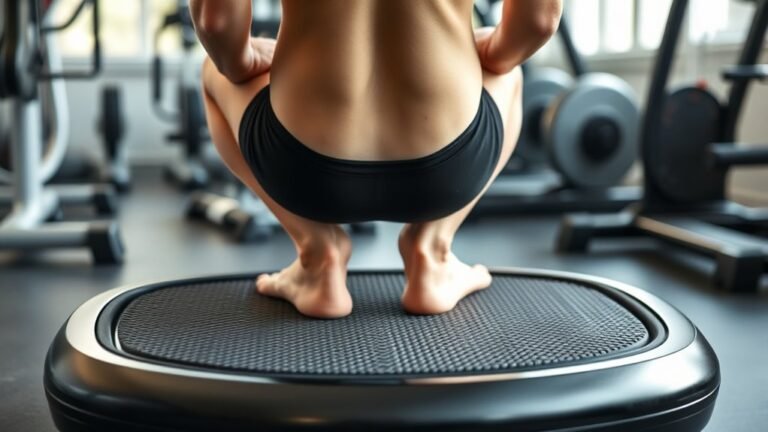
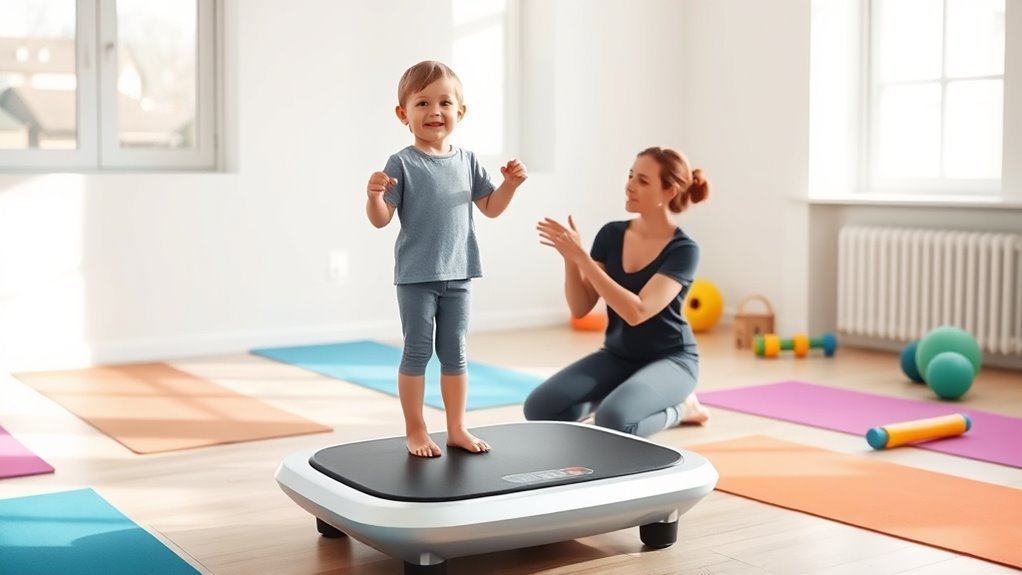
Have them stand with knees slightly bent and feet flat on the plate to keep their balance. It’s important to avoid sudden movements or jumping while on the machine. Always supervise them closely during use to make sure they’re safe.
Limit the total session time to under 10 minutes and ensure your child wears proper footwear for good grip. Choosing a child-friendly vibration plate model with built-in safety features is also a smart move.
If you want to help your child get the best benefits while staying safe, there’s definitely more to consider beyond just these basics.
Key Takeaways
- Only allow children aged 10 and above to use vibration plates. Start with low frequency and short sessions, always under adult supervision.
- Make sure kids stand with knees slightly bent, feet flat, and keep a relaxed posture. This helps promote balance and prevents injury.
- Limit sessions to 10-15 minutes daily. Begin with 1-2 minute intervals and gradually increase based on how comfortable they feel.
- Use vibration plates designed specifically for children. Look for safety features like non-slip surfaces, adjustable settings, and child-lock functions.
- Always supervise their use closely. Watch for any discomfort, ensure they wear proper footwear, and stop immediately if they feel pain or behave unusually.
Recommended Age for Children Using Vibration Plates
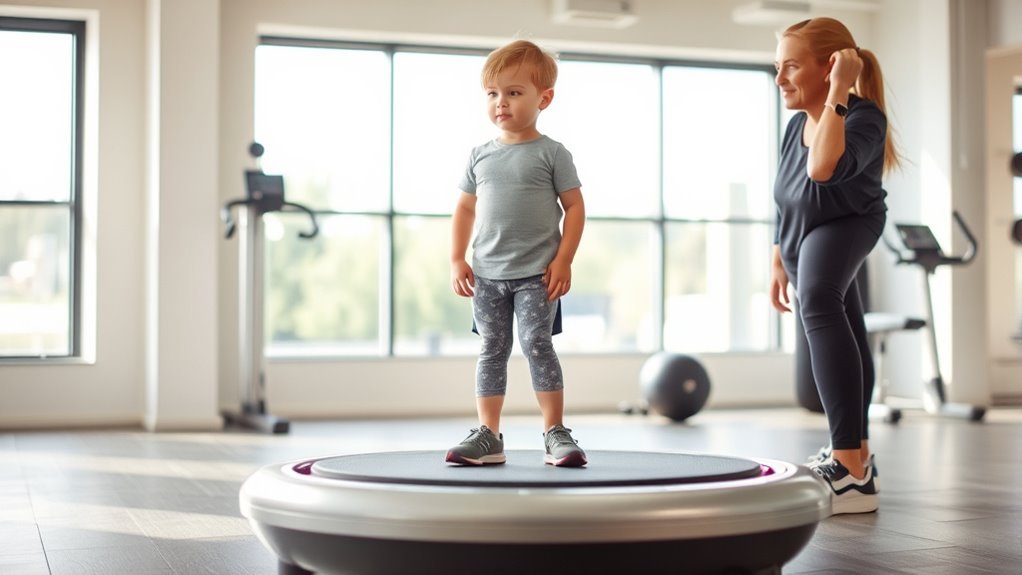
Although vibration plates can offer benefits, you should wait until your child is at least 10 years old before letting them use one. At this age, their bones and muscles are more developed, reducing the risk of injury.
Younger children’s bodies are still growing rapidly, and exposing them to vibration plates too early might interfere with natural growth processes. Once your child reaches this recommended age, you can introduce vibration plate sessions gradually, ensuring the machine’s intensity is low and the duration is short.
Always supervise your child closely and consult a pediatrician before starting vibration plate exercises, especially if your child has any pre-existing health conditions. By following these guidelines, you help ensure your child’s safety and promote responsible use of vibration plates.
Health Benefits of Vibration Plates for Kids
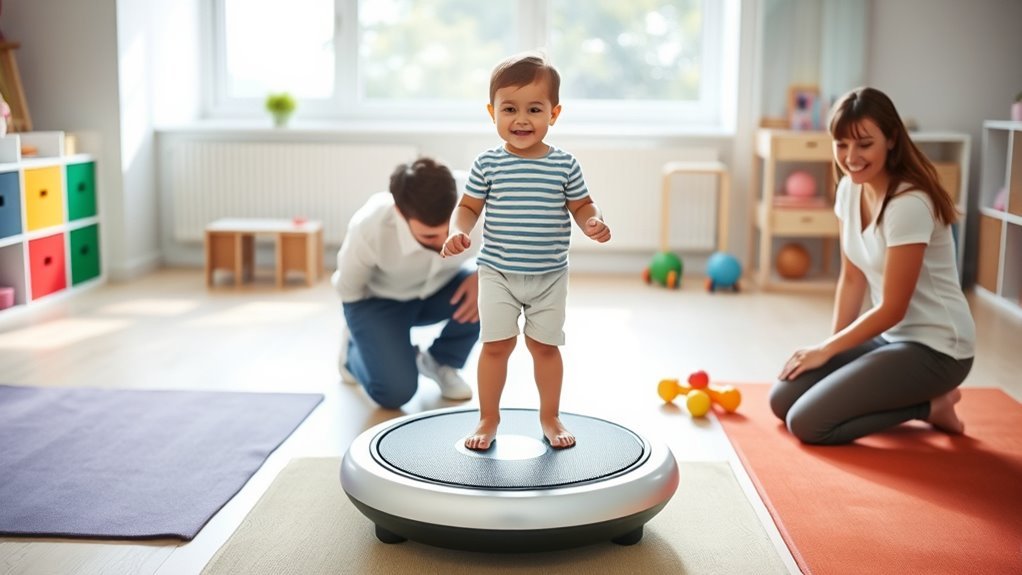
When your child uses a vibration plate properly, they can experience several health benefits that support their overall development. These benefits can enhance their physical and mental well-being in a fun, engaging way.
Using the vibration plate regularly may help your child improve muscle strength and coordination. It can also boost circulation and cardiovascular health.
Plus, it can enhance bone density and support healthy growth. And don’t forget, it helps increase balance and flexibility for better motor skills.
Potential Risks and Precautions
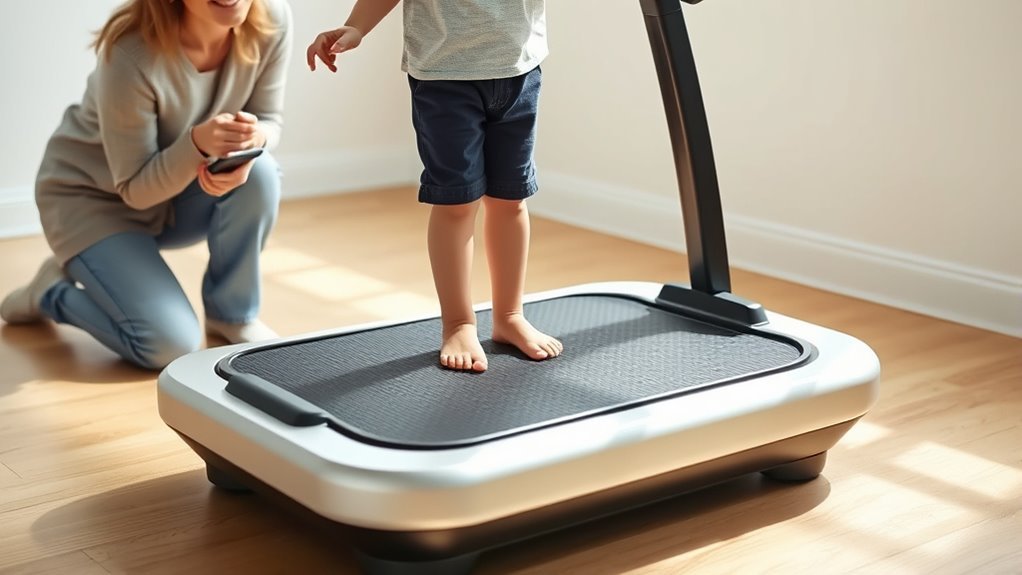
Before letting your child use a vibration plate, you’ll want to follow age-appropriate guidelines and keep an eye on them during sessions. Limiting the time spent on the device helps prevent overuse or injury.
Also, consider any existing health conditions that might make vibration plates unsafe for your child. It’s always better to be cautious and check with a healthcare provider if you’re unsure.
Age-Appropriate Usage Guidelines
Since kids’ bodies are still developing, you need to follow specific age-appropriate guidelines to guarantee they use vibration plates safely. Younger children have more sensitive muscles and bones, so adapting the settings to their age is essential.
Here are some guidelines to keep in mind:
- For kids under 6, avoid vibration plates altogether to prevent strain.
- Children aged 6-12 should use low-frequency settings and shorter sessions.
- Teens can handle moderate settings but should start slow and increase gradually.
- Always encourage proper posture and avoid high-impact exercises on the plate.
Supervision and Time Limits
Though vibration plates offer benefits, you need to supervise kids closely to prevent overuse and injury. Always stay nearby and watch their movements to ensure they use the equipment correctly.
Kids can get excited and lose focus, increasing their risk of falls or muscle strain. Limit their sessions to short durations—generally no more than 10 to 15 minutes per day—to avoid overstimulation or fatigue.
Take breaks between sessions and observe how your child responds to the vibration. If you notice any discomfort or unusual behavior, stop immediately.
Setting clear time limits and maintaining constant supervision helps create a safe environment, letting kids enjoy the benefits without unnecessary risks. Your vigilance is key to keeping their experience positive and injury-free.
Health Conditions to Consider
What health conditions should you be aware of when letting kids use a vibration plate? Some health issues can make vibration plates unsafe or require extra caution.
Before allowing your child to use one, consider these potential risks:
- Bone or joint problems: Conditions like fractures, osteoporosis, or joint pain can worsen with vibration.
- Heart conditions: Kids with heart issues should avoid vibration since it may increase heart rate and blood pressure.
- Neurological disorders: Seizures or balance problems can be triggered or aggravated by vibration.
- Growth plate concerns: Young children’s developing bones might be sensitive to intense vibrations.
Always consult your child’s pediatrician before starting vibration plate sessions to ensure their safety. It’s better to be safe and get professional advice!
Choosing the Right Vibration Plate for Children
When selecting a vibration plate for your child, make sure it’s designed for their age group and includes essential safety features. Check the size and weight limits to guarantee it’s a perfect fit.
Choosing the right model helps keep your kid safe while they enjoy the benefits. It’s all about finding something that matches their needs and keeps them comfortable.
Age-Appropriate Design
Because children’s bodies are still developing, you’ll want to choose a vibration plate designed specifically for their size and strength. Picking an age-appropriate design ensures your child uses the machine safely and effectively without strain.
Look for features that cater to younger users, such as a smaller platform size for better balance and lower vibration intensity settings. Also, simplified controls make it easy for kids to operate, and a lightweight design helps with easy movement and storage.
Selecting a vibration plate with these characteristics helps protect your child’s growing muscles and bones while encouraging consistent use. Make sure the model matches your child’s age and physical development level to maximize benefits and minimize risks.
This thoughtful choice sets the foundation for safe, enjoyable vibration plate sessions.
Safety Features Included
Although vibration plates offer many benefits for children, you need to prioritize safety by choosing models equipped with specific protective features. Look for plates with non-slip surfaces to prevent accidental slips during use.
It’s essential the device has sturdy handrails or handles to help your child maintain balance. Automatic shut-off timers can prevent overuse, ensuring your kid doesn’t stay on the plate too long.
Also, opt for models with adjustable intensity settings so you can tailor the vibration strength to your child’s comfort and safety. Some plates include child-lock functions, which help avoid unintended starts or changes in settings.
Size and Weight Limits
Choosing a vibration plate with the right size and weight limits is essential to guarantee your child’s safety and comfort. If the plate is too small or can’t support your child’s weight, it could lead to accidents or damage.
To pick the best vibration plate, consider these key factors:
- Check the maximum weight capacity to ensure it fits your child’s current and near-future weight.
- Look for a platform size that accommodates your child’s foot placement comfortably.
- Opt for adjustable settings suited to children’s smaller frames and strength.
- Verify the manufacturer’s recommendations specifically for kids or lightweight users.
Proper Techniques for Kids on Vibration Plates
When introducing kids to vibration plates, you should focus on techniques that guarantee their safety and comfort. Start by having them stand with knees slightly bent to absorb vibrations gently.
Introduce kids to vibration plates by having them stand with knees slightly bent for gentle vibration absorption.
Encourage them to keep their feet flat and evenly spaced to maintain balance. Avoid letting them lock their joints or stand rigidly, as this can increase the risk of injury.
You can also guide them to perform simple poses like squats or gentle lunges, but always supervise closely to ensure correct form. Make sure they hold onto handles if the machine has them to prevent falls.
Remind kids to keep their core engaged and breathe normally throughout the session. By following these proper techniques, you’ll help them get the most benefit without compromising their safety.
Duration and Frequency of Use
Since kids’ bodies respond differently to vibration plates than adults’, you should limit their sessions to short durations at first. Start with just 1 to 2 minutes per session to help their muscles adapt.
Gradually increase the time but keep it under 10 minutes to avoid overexertion. For frequency, aim for no more than 2 to 3 times a week to allow proper recovery.
Watch how your child reacts and adjust accordingly. Remember these key points:
- Begin with short sessions (1-2 minutes)
- Limit total time to under 10 minutes
- Use the vibration plate 2-3 times weekly
- Increase duration gradually based on comfort and response
Supervision and Safety Measures
Although vibration plates can offer benefits for kids, you should always supervise their use closely to prevent accidents and guarantee proper technique.
Stay nearby to help your child maintain balance and ensure they follow safety guidelines. Teach them to stand with knees slightly bent and avoid jumping on the plate.
Here’s a quick checklist to guide your supervision:
| Safety Measure | Why It’s Important | Your Role |
|---|---|---|
| Close Supervision | Prevents falls and misuse | Stay within arm’s reach |
| Proper Footwear | Enhances grip and stability | Ensure shoes are worn |
| Limited Session Time | Avoids overexertion and fatigue | Use a timer or watch the clock |
Incorporating Vibration Plate Exercises Into Kids’ Routines
Keeping safety in mind, you can start integrating vibration plate exercises into your child’s daily routine to promote their physical development. Begin with short sessions, gradually increasing duration as your child adapts.
Make the exercises fun and engaging to keep their interest high. Here are some tips to help you incorporate these exercises effectively:
- Schedule sessions during playtime or after school for consistency.
- Combine vibration exercises with stretching or balance activities.
Encourage your child to maintain proper posture while on the plate. Always supervise to ensure correct usage and prevent accidents.
Frequently Asked Questions
Can Vibration Plates Help Improve Children’s Balance and Coordination?
Yes, vibration plates can help improve your child’s balance and coordination by stimulating muscles and nerves.
Just make sure they use it properly and under supervision to avoid any risks or overexertion during their sessions.
Are Vibration Plates Safe for Children With Sensory Processing Disorders?
You might worry vibration plates could overwhelm kids with sensory processing disorders, but they can be safe if you start slow, monitor reactions closely, and adjust settings for comfort.
Always consult a healthcare professional first. It’s all about taking it step by step and paying attention to how your child responds.
How Do Vibration Plates Affect Children’s Muscle Development?
Vibration plates can stimulate muscle growth in children by activating muscle fibers and improving strength.
You’ll want to keep sessions short and supervise closely to guarantee the vibrations support healthy development without causing strain or discomfort.
It’s important to make sure the experience is safe and comfortable for them. That way, they get the benefits without any risks.
Can Using a Vibration Plate Aid in Children’s Rehabilitation From Injuries?
Yes, using a vibration plate can boost children’s rehabilitation, with studies showing a 20% faster muscle recovery.
Just make sure you supervise sessions, keep vibrations gentle, and consult a pediatric specialist before starting.
It’s all about making sure the process is safe and effective for the kids.
What Is the Best Age to Start Vibration Plate Training for Kids?
You should wait until your child is at least 7 or 8 years old before starting vibration plate training. Always consult a pediatrician first.
Keep sessions short, gentle, and supervised to guarantee safety and effectiveness. It’s really important to make sure everything is done right.
Conclusion
You want your kids to enjoy the benefits of vibration plates, but you also want to keep them safe—and that’s where balance comes in. By choosing the right plate, setting proper limits, and staying close to supervise, you create a space where fun meets safety.
When you combine care with consistency, kids can thrive on vibration plates without risk. So, trust your judgment, follow the guidelines, and watch them grow stronger, one vibration at a time.
Using a vibration plate safely for kids means paying attention to their age, duration of use, and proper positioning. Always start with low intensity and short sessions.
Keep an eye on them to make sure they’re comfortable and not overdoing it. By following these simple steps, you’ll help your children enjoy the benefits of vibration plates while keeping safety a top priority.