How Long Does a Treadmill Stress Test Typically Take?
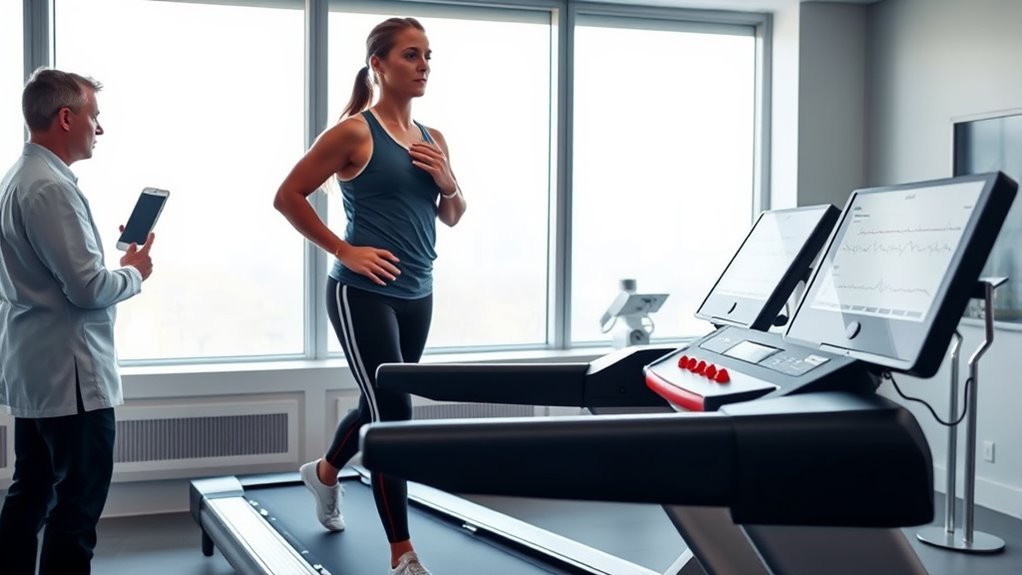
A treadmill stress test typically takes about 30 to 60 minutes from start to finish. This includes everything—from preparation and exercise to recovery.
First, electrodes and monitors are attached to you to keep track of your heart’s activity.
Then, you’ll walk or jog on the treadmill for about 8 to 12 minutes. The intensity gradually increases during this time to challenge your heart.
Once you reach peak effort, the treadmill slows down for a cool-down period while your heart rate is closely monitored.
The total time can vary depending on your fitness level, health status, and the specific protocol your doctor uses.
It’s a good idea to understand what happens before, during, and after the test, so you know what to expect. Keep reading to learn more about the treadmill stress test process!
Key Takeaways
- A treadmill stress test generally lasts between 30 to 60 minutes. This includes preparation, exercise, and recovery phases.
- The active treadmill exercise portion usually takes about 8 to 12 minutes. It depends on the protocol used.
- Test duration varies with individual fitness, health status, and the chosen testing protocol like the Bruce or modified protocols.
- Safety measures and monitoring, including heart rate and ECG, continue throughout and after exercise. This influences the total time.
- Post-exercise recovery and observation usually last a few minutes. This is to ensure patient safety before the test is completed.
Purpose of a Treadmill Stress Test
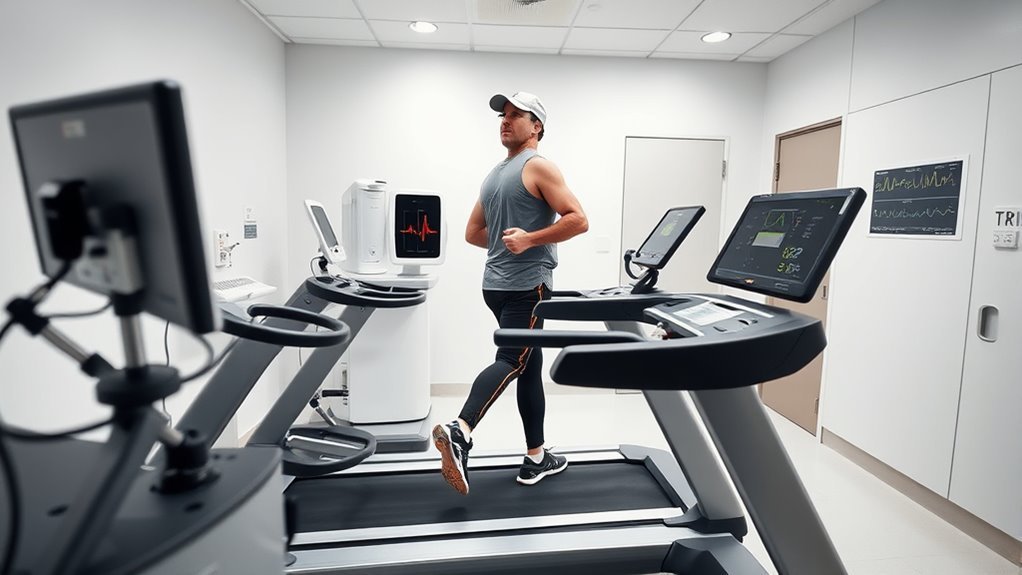
Although you might feel nervous, a treadmill stress test helps your doctor see how your heart responds to physical activity. When you walk or jog on the treadmill, your heart works harder, increasing its demand for oxygen.
This test reveals if your heart receives enough blood and oxygen during exertion. It can detect issues like blocked arteries or irregular heart rhythms that might not show when you’re resting.
Your doctor can also assess your exercise tolerance and overall cardiovascular fitness. By monitoring your heart rate, blood pressure, and ECG during the test, they get a clear picture of how well your heart functions under stress.
This information is vital for diagnosing heart conditions and deciding the best treatment for you. It’s a simple but powerful way to keep your heart health in check.
Preparing for the Test
Before you head to your treadmill stress test, you’ll want to follow a few simple steps to guarantee accurate results and your comfort during the procedure. Dress in comfortable clothes and shoes suitable for exercise.
Avoid heavy meals, caffeine, and smoking for at least three hours before the test. Bring a list of your medications, as some may affect the results.
| Preparation Step | Why It Matters | Tips |
|---|---|---|
| Clothing | Ensures comfort and movement | Wear breathable, flexible attire |
| Food & Drink | Prevents interference | Skip caffeine and heavy meals |
| Medication Info | Affects test accuracy | Inform your doctor about all meds |
These preparations help the test run smoothly and provide reliable data about your heart’s health. It’s all about making sure you’re comfortable and your results are spot on.
Typical Duration of the Procedure
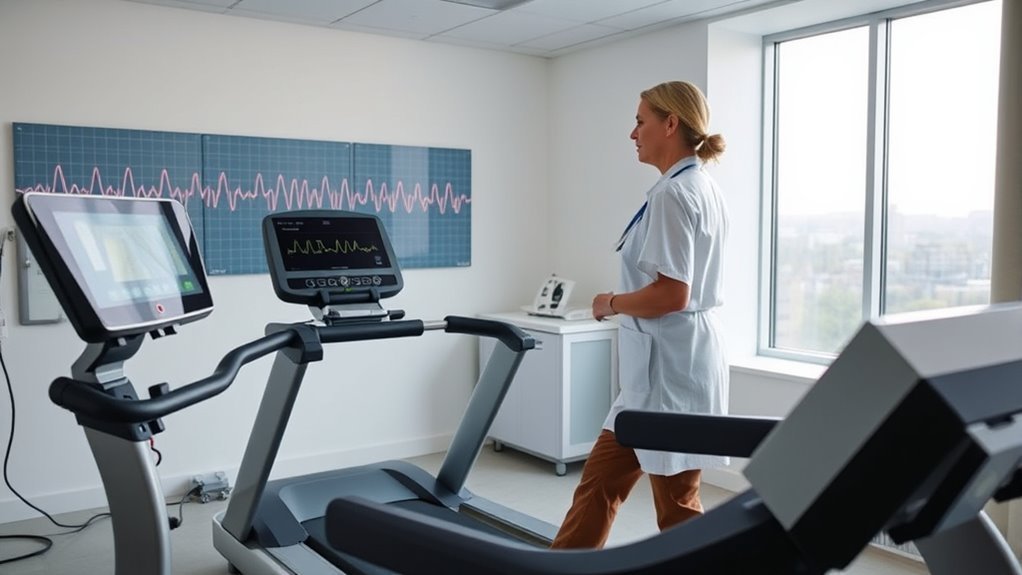
When you arrive for your treadmill stress test, the whole procedure usually takes about 30 to 60 minutes from start to finish. Once you’re set up with electrodes to monitor your heart, you’ll begin walking on the treadmill.
The speed and incline gradually increase every few minutes, pushing your heart to work harder. This active phase typically lasts around 8 to 15 minutes, depending on your fitness level and how your heart responds.
After you finish exercising, the technician will continue to monitor your heart for several minutes during recovery. This allows them to observe how your heart rate returns to normal.
What Happens Before the Test
A few important steps take place to prepare you for the treadmill stress test. First, a healthcare professional will review your medical history and explain the procedure.
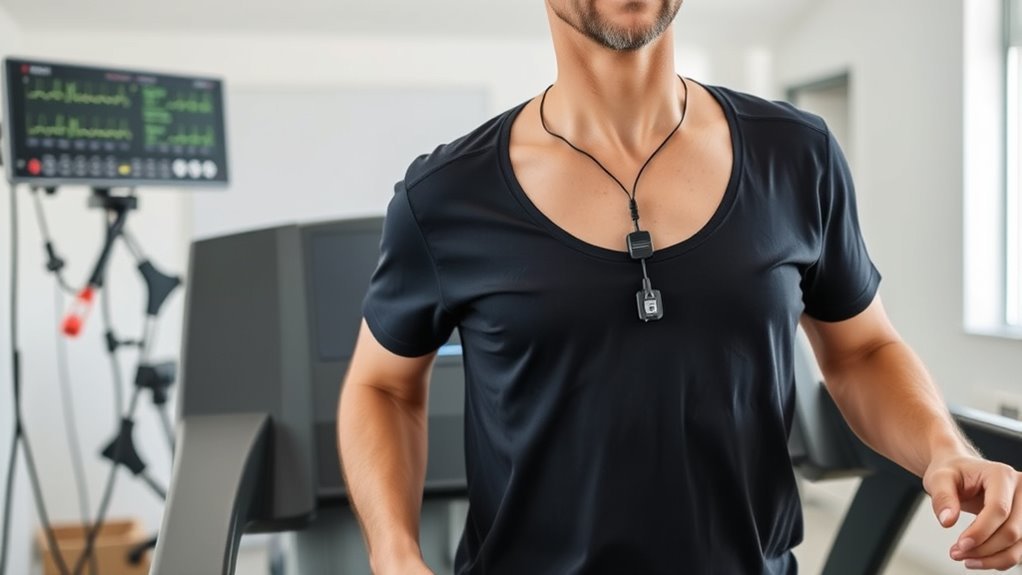
You’ll be asked to change into comfortable clothing and avoid heavy meals, caffeine, or smoking beforehand. Electrodes will be attached to your chest to monitor your heart’s activity.
Blood pressure cuffs might be applied to track changes during the test.
| Step | Purpose | What You Do |
|---|---|---|
| Medical Review | Assess health status | Answer questions honestly |
| Clothing Change | Ensure comfort and safety | Wear athletic attire |
| Electrode Placement | Monitor heart rhythms | Stay still during setup |
| Blood Pressure Setup | Track cardiovascular response | Remain relaxed |
| Instructions | Understand the procedure | Listen carefully |
Getting ready like this helps make sure the test goes smoothly. And if you have any questions, don’t hesitate to ask before we start.
During the Treadmill Stress Test
Although the test may seem challenging, you’ll walk on the treadmill while the speed and incline gradually increase to raise your heart rate. You’ll start at a slow pace, giving your body time to adjust.
You’ll begin walking slowly as the treadmill’s speed and incline gradually increase to elevate your heart rate.
As the test progresses, the treadmill becomes steeper and faster, pushing your heart to work harder. You’ll be asked to keep walking until you reach a target heart rate or feel any discomfort.
Throughout the test, you’ll stay focused on maintaining your pace and breathing steadily. Once you reach the peak effort or your doctor advises, the treadmill will slow down for a cool-down phase.
This part helps your heart rate return to normal. The entire exercise portion usually lasts about 8 to 12 minutes, depending on your fitness level.
Monitoring and Safety Measures
During your treadmill stress test, medical staff continuously monitor your heart in real time to spot any irregularities. They’re trained to respond immediately if any emergency arises, ensuring your safety throughout.
This close watch helps keep the test both effective and secure. It’s all about making sure you’re safe while getting the information your doctor needs.
Real-Time Heart Monitoring
Because your heart’s response to exercise is essential, real-time monitoring plays a key role in a treadmill stress test. During the test, you’ll wear electrodes attached to your chest that continuously track your heart rate, rhythm, and electrical activity.
This live data helps your healthcare provider observe how your heart handles increasing physical stress. If your heart shows any irregularities or abnormal changes, they can adjust the test immediately or stop it to safeguard your health.
The continuous monitoring also ensures accurate results, as it captures your heart’s response at every stage of exercise. Knowing that your heart is being watched closely can help you feel more secure throughout the test, allowing you to focus on maintaining the pace as directed.
Emergency Response Protocols
Alongside real-time heart monitoring, emergency response protocols are in place to keep you safe throughout the treadmill stress test. Medical staff closely watch your essential signs and symptoms, ready to act immediately if any abnormal changes occur.
You’ll have quick access to emergency equipment like defibrillators and oxygen tanks. If you feel dizzy, chest pain, or severe discomfort at any point, don’t hesitate to tell the technician right away—they’ll stop the test and provide care.
The testing area is staffed by trained professionals who regularly rehearse emergency procedures, ensuring a swift, organized response if needed. These protocols are designed to minimize risks and handle any unexpected events efficiently.
What to Expect After the Test
Once the treadmill stress test ends, medical staff will help you cool down and monitor your heart rate as it returns to normal. You’ll likely spend a few minutes resting while they watch for any unusual symptoms.
After the treadmill test, staff will help you cool down and monitor your heart rate during recovery.
Here’s what to expect next:
- Heart Rate Monitoring: Staff continuously track your heart rate and blood pressure.
- Symptom Check: You’ll be asked about how you feel—any chest pain or dizziness should be reported immediately.
- Removal of Electrodes: The sticky electrodes will be gently removed from your chest.
- Results Discussion: A healthcare provider will explain when and how you’ll receive your test results.
Afterward, you can usually resume normal activities unless otherwise advised. Just make sure to follow any specific instructions they give you.
Factors That Can Affect Test Duration
How long your treadmill stress test takes can depend on several factors. Your fitness level plays a big role, as does the specific test protocol your doctor chooses.
Additionally, the complexity of your medical condition might require adjustments that affect the test duration. So, it’s not always the same for everyone. It really varies based on your individual situation.
Patient Fitness Levels
Because your fitness level directly influences how long you can sustain physical exertion, it plays a key role in determining the duration of a treadmill stress test. If you’re in good shape, you’ll likely handle the increasing intensity longer, resulting in a longer test.
Conversely, lower fitness might mean you reach your limit sooner. Here are some fitness-related factors that affect test duration:
- Cardiovascular endurance: Better endurance helps you sustain activity longer.
- Muscle strength: Stronger muscles support prolonged exercise without fatigue.
- Body composition: Excess weight can increase strain, shortening test time.
- Previous exercise experience: Familiarity with exercise can improve your performance and tolerance.
Understanding your fitness level helps set realistic expectations for how long your treadmill stress test might take. It’s always good to know where you stand before the test!
Test Protocol Variations
Although your fitness level plays a major role, the specific test protocol your healthcare provider chooses can also affect how long your treadmill stress test takes. Different protocols vary in speed and incline increments, which directly influence test duration.
For example, the widely used Bruce protocol increases treadmill intensity every three minutes, typically lasting between 8 to 12 minutes. Alternatively, the modified Bruce or Naughton protocols use smaller, more gradual increases, extending the test time to accommodate those with limited exercise capacity.
Your doctor selects the protocol based on your health status and the diagnostic goals. Understanding these variations helps you anticipate the test length and prepare accordingly, ensuring you complete the assessment effectively while providing reliable data for your healthcare provider.
Medical Condition Complexity
When your medical condition is more complex, your treadmill stress test may take longer to complete. Your doctor needs to monitor your heart’s response carefully, which can extend the test duration.
Here are four factors related to medical complexity that can affect the length of your test:
- Pre-existing heart conditions – If you have arrhythmias or heart disease, the test may proceed more cautiously.
- Medications – Certain drugs can influence your heart rate, requiring adjustments in the test protocol.
- Physical limitations – Conditions like arthritis or respiratory issues may slow down your exercise pace.
- Symptom monitoring – If you experience chest pain or dizziness, the test might pause or stop for safety.
Understanding these factors helps you anticipate how your condition impacts the treadmill stress test timing.
Frequently Asked Questions
Can a Treadmill Stress Test Detect All Types of Heart Problems?
No, a treadmill stress test can’t detect all heart problems. It mainly identifies issues with blood flow and rhythm during exercise.
You’ll need other tests to diagnose structural or electrical heart conditions accurately. So, it’s just one part of the bigger picture when checking your heart health.
Is the Treadmill Stress Test Painful or Uncomfortable?
You usually won’t find a treadmill stress test painful; about 85% of patients report only mild discomfort like shortness of breath or leg fatigue.
You’ll feel some effort, but it’s generally safe and well-tolerated throughout the test.
How Accurate Is a Treadmill Stress Test Compared to Other Heart Tests?
You’ll find a treadmill stress test pretty accurate for detecting heart problems during exercise, but it’s less detailed than imaging tests like echocardiograms or nuclear scans.
Combining tests often gives the best results. It’s kind of like getting a fuller picture when you use more than one method.
Are There Any Risks Associated With Undergoing a Treadmill Stress Test?
While you’re pushing your limits on the treadmill, risks like irregular heartbeats or chest pain can occur, but they’re rare.
You’ll be closely monitored, so any problem is spotted quickly, keeping you safe throughout the test.
Can I Eat or Drink Anything Immediately After the Test?
Yes, you can eat and drink normally after the test. Just avoid heavy meals or caffeine right away to let your body recover properly.
Drinking water is a good idea to stay hydrated after the exercise. It helps you feel better faster and keeps things running smoothly.
Conclusion
Remember, “time and tide wait for no man,” and neither does your heart health. A treadmill stress test usually takes about 10 to 15 minutes, but your whole appointment might last up to an hour with preparation and recovery.
Knowing what to expect helps you stay calm and focused. By understanding the process and the factors that affect duration, you’re better prepared to take this important step toward monitoring your heart’s strength and resilience.
So, when thinking about a treadmill stress test, remember it’s a relatively quick procedure but important for assessing your cardiovascular health. Being informed about how long it typically takes can ease any anxiety and help you plan your day. Taking this test seriously is a great move toward maintaining your heart health and overall well-being.