How Much Does a Bench Bar Weight
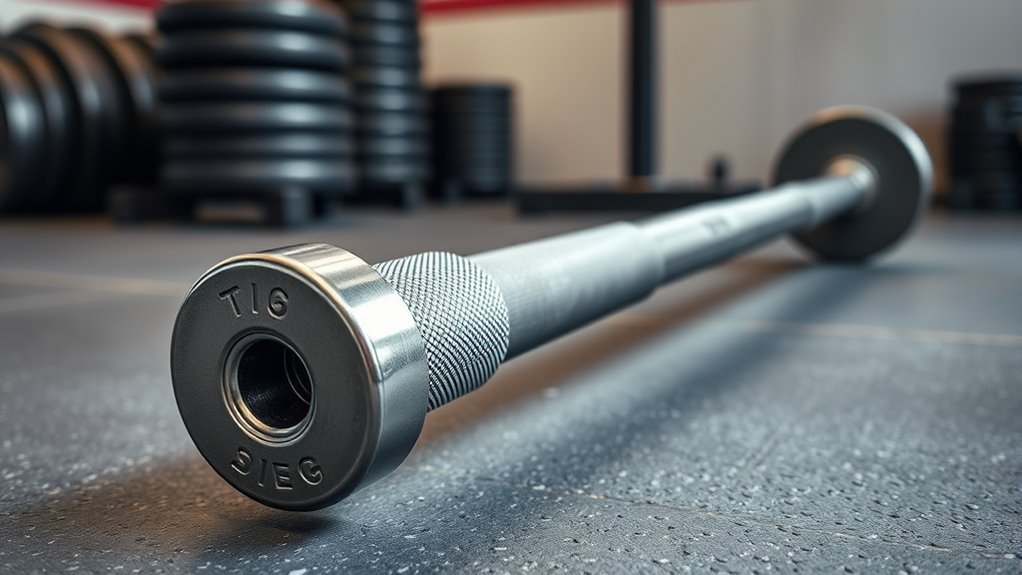
A standard bench bar usually weighs 45 pounds (20 kilograms), but this can vary based on type and material. Knowing how much a bench bar weighs is important for planning your workouts effectively.
Women’s bench bars often weigh between 15 to 35 pounds, designed for smaller grips and lighter loads.
Specialty bars like cambered or safety squat bars can range from 25 to 60 pounds. The bar’s weight impacts your workout intensity and progression, so choosing the right bar is key.
Keep exploring to find out which bar suits your fitness goals best.
Key Takeaways
- Standard Olympic bench bars typically weigh 20 kg (44 lbs) and measure 7 feet in length with a 28 mm diameter.
- Women’s bench bars usually weigh between 15 to 35 lbs, designed for lighter grip and training needs.
- Specialty bench bars vary widely, from about 25 lbs (Swiss bars) up to 60 lbs (safety squat bars).
- Bar material affects weight: steel is heavier and durable, aluminum is lighter and corrosion-resistant.
- Knowing the bar’s weight is crucial for workout safety, accurate load calculation, and effective training progress.
Understanding Different Types of Bench Bars
Although bench bars may seem similar at first glance, they actually come in various types that serve different purposes. When you choose a bench bar, you’ll notice differences in length, diameter, and knurling patterns.
Some bars are designed specifically for powerlifting, offering extra stiffness to handle heavy loads without bending. Others cater to bodybuilding, featuring more aggressive knurling for a better grip during multiple reps.
You might also find specialty bars like cambered or safety squat bars, which alter your lifting mechanics. Understanding these types helps you pick the right bar for your training goals.
Standard Olympic Bench Bar Weight
A standard Olympic bench bar typically weighs 20 kilograms (44 pounds), which is the norm you’ll encounter in most gyms. This bar is designed for versatility and durability, supporting a wide range of exercises beyond just bench pressing.
Its 7-foot length and 28-millimeter diameter fit most Olympic weight plates, ensuring compatibility with your existing gear. The bar’s knurled grip provides a secure hold, helping you maintain control during heavy lifts.
Knowing the bar’s weight is essential because it lets you accurately calculate your total lift, avoiding surprises during workouts or competitions. When you load plates, you add to the bar’s 44 pounds, so always factor that in to track your progress and set realistic goals.
Weight Variations in Women’s Bench Bars
When choosing a women’s bench bar, you’ll find standard weights typically lower than men’s bars to suit different strength levels. You can also opt for lightweight bars designed for easier handling and better control.
Plus, the material used in the bar’s construction can markedly affect its overall weight. So, it’s worth considering what the bar is made from when making your choice.
Standard Weights Overview
Women’s bench bars typically weigh less than standard men’s bars, ranging between 15 to 35 pounds. You’ll find these lighter bars designed to accommodate smaller grip sizes and reduce overall lifting weight, making them ideal for many female lifters.
The exact weight depends on brand, material, and intended use. Here’s a quick look at common weights and their characteristics:
| Bar Type | Weight (lbs) | Typical Use |
|---|---|---|
| Women’s Standard | 15 | General fitness |
| Competition | 33 | Powerlifting meets |
| Training Bar | 25 | Technique and conditioning |
| Specialty Bar | 35 | Advanced strength training |
| Hybrid Bar | 20 | Versatile gym use |
Understanding these options helps you pick the right bar for your goals.
Lightweight Bar Options
Though lightweight bars may seem less intimidating, they offer excellent options for lifters seeking manageable weights without sacrificing quality. Women’s bench bars often weigh between 15 to 25 pounds, lighter than the standard 45-pound bars, making them ideal if you’re new to bench pressing or prefer controlled progression.
These bars still maintain proper dimensions and knurling, so you won’t compromise your grip or technique. Using a lighter bar helps you focus on form, reducing injury risk while building strength steadily. Plus, they’re easier to handle during warm-ups or rehab sessions.
When selecting a lightweight bar, ensure it suits your training goals and fits your gym’s setup. This way, you can train confidently without feeling overwhelmed by heavy equipment.
Material Impact on Weight
Because different materials have distinct densities, the weight of bench bars can vary markedly depending on what they’re made from. If you’re choosing a women’s bench bar, knowing these material differences helps you pick the right bar for your strength and workout style.
Here’s how common materials impact weight:
- Steel: The most common material, offering durability but heavier weight—typically around 15-25 lbs.
- Aluminum: Lightweight and corrosion-resistant, usually 10-15 lbs, making your lifts feel easier.
- Titanium: Strong yet light, but expensive, generally around 12-18 lbs.
- Composite Materials: Sometimes used in specialty bars, providing a balance of lightness and strength, often 8-14 lbs.
Understanding these options ensures you select a bar that fits your training goals perfectly. So, take a moment to think about what feels right for you and your routine!
Specialty Bench Bars and Their Weights
When choosing a specialty bench bar, you’ll find different types like Swiss bars, cambered bars, and safety squat bars, each with unique weight ranges. Understanding these variations helps you think about the right bar for your training needs.
Let’s explore how their weights differ and what to consider when selecting one. It’s all about matching the bar to your goals and comfort level.
Types of Specialty Bars
If you’re looking to diversify your bench press routine, specialty bench bars offer unique designs and weights tailored to specific training goals. These bars aren’t one-size-fits-all; they vary to help you target muscles differently or improve technique.
Here are four common types you might encounter:
- Swiss Bar – Weighs around 25-30 lbs; features multiple grips for reduced shoulder strain.
- Cambered Bar – Usually 35-45 lbs; has a curved middle section to increase range of motion.
- Safety Squat Bar – Approximately 45 lbs; includes padded handles for better control and comfort.
- Trap Bar – Around 45-55 lbs; hexagonal shape allows for a neutral grip, often used for deadlift variations.
Choosing the right bar really depends on your training focus and what feels most comfortable for you. So, give a few a try and see which one fits your style best!
Weight Variations Explained
Specialty bench bars come in various weights that can substantially impact your lifting experience and results. Understanding these weight variations helps you tailor your workouts and avoid surprises during training.
For example, some bars are lighter for speed work, while others are heavier to increase stability. Here’s a quick look at common specialty bench bars and their typical weights:
| Specialty Bar Type | Approximate Weight (lbs) |
|---|---|
| Swiss Bar | 25-35 |
| Cambered Bar | 35-45 |
| Safety Squat Bar | 50-60 |
| Trap Bar (Hex Bar) | 45-55 |
| Multi-Grip/Football Bar | 30-40 |
Knowing these ranges allows you to plan your training loads more accurately. It really helps to know what you’re lifting, so you can get the most out of every session.
Choosing Based on Weight
Because bench bars come in a range of weights, choosing the right one depends on your training goals and strength level. Specialty bench bars vary, so consider these points when selecting:
- Standard Bars (45 lbs): Ideal for general strength training and competitions.
- Technique Bars (15-25 lbs): Perfect if you’re focusing on form or rehab.
- Safety Squat Bars (35-60 lbs): Useful if you want to reduce shoulder strain while still challenging your legs.
- Cambered Bars (35-45 lbs): Great for adding variety and increasing range of motion during presses.
Match the bar’s weight to your experience and workout plan. Don’t underestimate lighter bars—they’re excellent for beginners or those recovering from injury.
It’s all about what fits your current needs and helps you progress safely. So take your time and pick the bar that feels right for you!
How Bar Weight Affects Your Workout
Although the weight of the bench bar might seem like a small detail, it considerably impacts your workout effectiveness and safety. When you lift, the bar’s weight adds to the total load, influencing how much effort you exert.
If you underestimate the bar’s weight, you might push yourself too hard, risking injury or poor form. Conversely, knowing the exact weight helps you gauge your progress accurately and plan your sets efficiently.
The bar’s weight also affects muscle fatigue and endurance. Heavier bars demand more strength and control, while lighter ones allow for higher reps and focus on technique.
Choosing the Right Bench Bar for Your Fitness Level
How do you know which bench bar suits your fitness level best? Start by evaluating your current strength and goals. Then, consider these four key factors:
- Bar Weight: Beginners should opt for lighter bars, around 15-20 lbs, to focus on form. Intermediate lifters can handle standard 45 lbs bars.
- Bar Thickness: Thicker bars require more grip strength, so choose thinner bars if you’re still building hand endurance.
- Material Quality: High-quality steel bars offer better durability and less whip, ideal as you progress.
- Bar Length: Shorter bars are easier to control for newcomers, while longer bars provide more balance for experienced lifters.
Tips for Lifting Safely With Bench Bars
Once you’ve selected the right bench bar for your fitness level, focusing on safe lifting techniques will help you maximize your workouts and prevent injury. Always start with a proper warm-up to prepare your muscles and joints.
Use a spotter when lifting heavy to ensure safety. Maintain a firm grip on the bar and keep your wrists straight to avoid strain.
Position your feet flat on the floor and keep your back slightly arched but pressed against the bench. Lower the bar slowly and with control, then push upward steadily, engaging your chest and arms.
Don’t rush your reps; prioritize form over speed or weight. Finally, listen to your body — if something feels off, stop and reassess your technique or weight choice.
Comparing Bench Bar Weights Across Brands
When choosing a bench bar, you’ll notice that weights can vary considerably between brands. This difference affects your lifting experience and progress tracking.
Here’s what to take into account when comparing bench bars:
- Standard Weight: Some brands offer bars weighing 15–20 lbs, while others go up to 45 lbs.
- Material and Build: Heavier bars often use solid steel, while lighter ones might include aluminum or hollow designs.
- Length and Diameter: Longer or thicker bars generally weigh more, impacting stability and grip comfort.
- Additional Features: Some brands add knurling or sleeves that add weight but improve handling.
Frequently Asked Questions
How Do I Clean and Maintain My Bench Bar?
You should clean your bench bar regularly with a mild detergent and water, then dry it thoroughly.
Applying a light coat of oil afterward helps prevent rust. It’s also a good idea to check for any damage or wear.
That way, you keep it safe and functional for your workouts.
Can Bench Bars Be Used for Exercises Other Than Bench Pressing?
Yes, you can use bench bars for exercises beyond bench pressing. Try rows, curls, overhead presses, or even squats.
Just guarantee proper form and weight management to avoid injury while diversifying your workout routine. It’s all about mixing things up safely to keep your workouts effective and fun!
What Materials Are Bench Bars Typically Made From?
Think of bench bars as the backbone of your workout, usually forged from solid steel or stainless steel for durability.
Some even blend in chrome or zinc coatings to resist rust, keeping your lifts smooth and strong.
This way, your bench bar stays reliable and ready for your toughest sessions.
How to Tell if a Bench Bar Is Genuine or Counterfeit?
You can tell if a bench bar is genuine by checking for official branding, serial numbers, and quality craftsmanship.
Compare it to trusted sources, test its weight, and avoid deals that seem too good to be true.
Always trust your gut—if something feels off, it might be a counterfeit.
Are There Bench Bars Specifically Designed for Beginners?
Absolutely, you’ll find bench bars tailored for beginners, making it a walk in the park to start lifting.
These bars are lighter and easier to handle, helping you build confidence and proper form without feeling overwhelmed.
Conclusion
Now that you know bench bars can weigh anywhere from 15 to 45 pounds, you’re better equipped to choose the right one for your workouts. While a standard Olympic bar might feel heavy at first, a lighter women’s or specialty bar offers a different kind of challenge.
Balancing these variations sharpens your strength and technique, proving that sometimes, the heaviest bar isn’t always the best choice for progress or safety. Choose wisely and lift smart.
Understanding how much a bench bar weighs helps you tailor your training to your goals. Whether you’re lifting a 15-pound bar or a 45-pound one, the key is using the right weight to improve your form and build strength effectively. So, when considering bench bar weight, remember it’s not just about lifting the heaviest bar but finding what works best for your fitness journey.