Author: Admin

  • How Long Do Treadmills Last and How to Maximize Their Lifespan

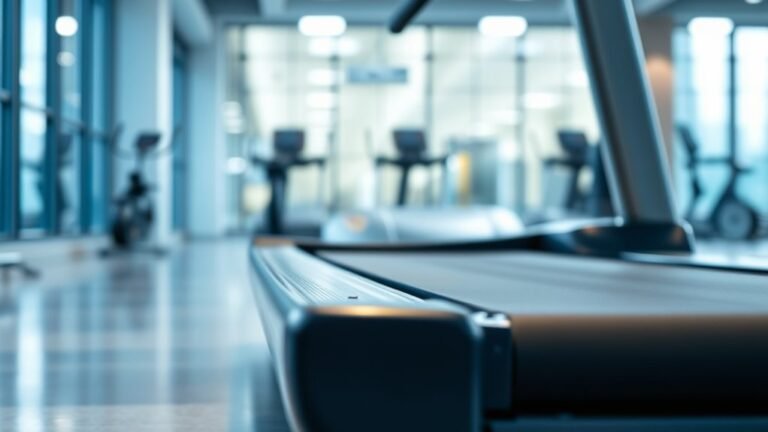
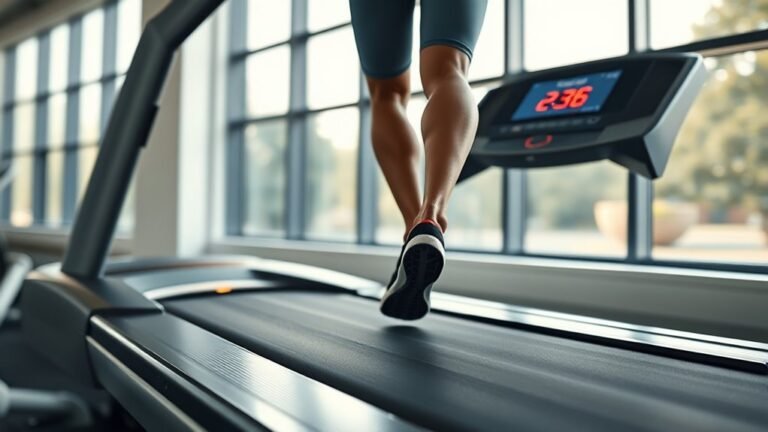
    You can expect your treadmill to last between 5 and 15 years, depending on whether it’s manual, motorized, or commercial-grade.

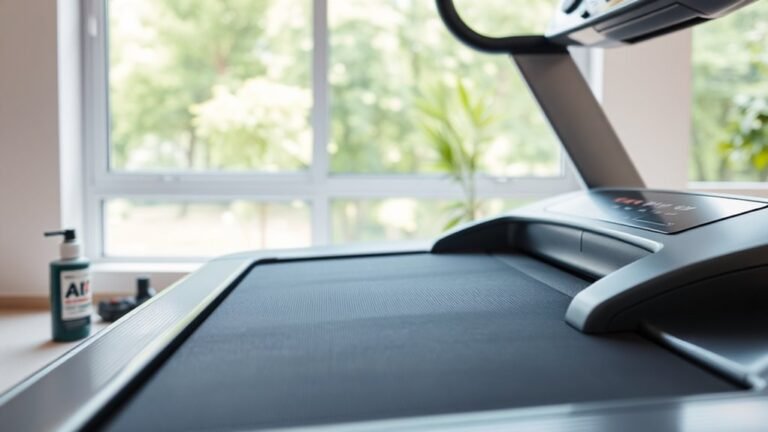
    To maximize its lifespan, use it within weight limits, keep the belt centered and lubricated regularly, and perform routine maintenance like tightening bolts and cleaning.

    Watch for unusual noises or wear to catch issues early.

    Taking these steps helps your treadmill run smoothly longer—and there’s plenty more to learn about keeping it in top shape.
  • How Long Do Gym Pumps Last?

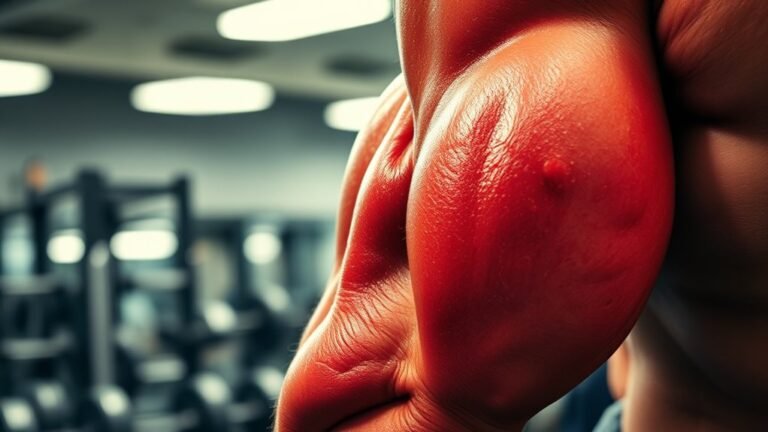
    You can expect your gym pump to last between 30 minutes and two hours after your workout. It really depends on factors like the muscle size you’re targeting, how hydrated you are, and how intense your session was.

    Smaller muscles usually hold the pump for less time, while bigger muscles keep it longer. Staying well-hydrated and fueling your body properly can extend that feeling of fullness.

    If you want to learn the best ways to maximize and prolong your pump, keep exploring these tips. There’s a lot you can do to make that pumped-up feeling stick around!

  • How Heavy Is a Standard Gym Bar?

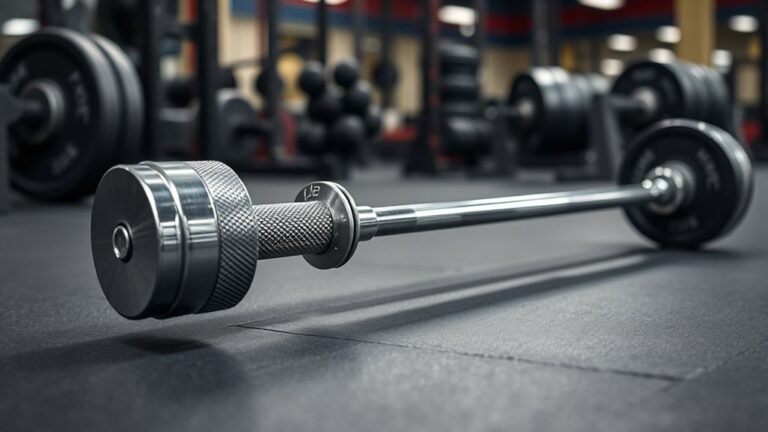
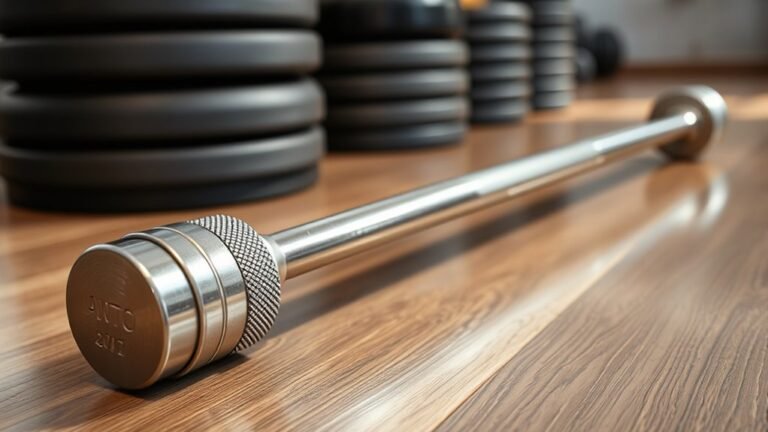
    A standard gym bar you’ll find in most gyms typically weighs between 15 to 25 pounds, depending on the type and design.

    Olympic bars, which are common, weigh about 44 pounds (20 kg) and measure roughly 7 feet long. Women’s bars tend to be lighter, around 33 pounds with a smaller diameter.

    Specialty bars vary widely in weight. Understanding these differences helps you pick the right bar for your workouts and lifting goals—there’s plenty more to explore about bar types and their uses.

  • 3 Key Factors That Determine How Heavy a Treadmill Is

    You’ll find a treadmill’s weight mainly depends on three key factors: the frame material, motor size, and added features.

    Steel frames make your treadmill heavier but sturdier, while aluminum keeps it lighter but less durable.

    Bigger motors with stronger components add significant weight for smooth performance.

    Plus, extra features like incline systems and touchscreens contribute additional mass.

    Keep these in mind if you want the perfect balance between portability and durability, and there’s more to explore about each factor.

  • What Is the Standard Heavy Gym Barbell Weight?

    When you lift with a standard heavy gym barbell, you’re usually handling a 20-kilogram (44-pound) Olympic bar—the go-to choice for strength training. This bar is about 7.2 feet long with a 28 mm diameter, designed for durability and smooth rotation during lifts.

    Women’s bars weigh less and are slimmer for easier grip. Choosing the right barbell weight helps you stay safe and make steady progress.

    Keep exploring to understand how different barbells and materials impact your workout.

  • 7 Heavy Dumbbells You’ll Lift in Fitness Porn

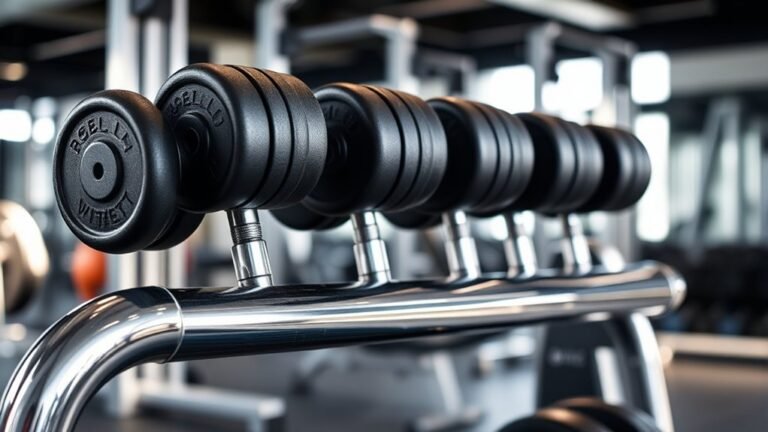
    You’ll push your strength limits using these seven heavy dumbbells designed for serious lifters: a 100-pound adjustable set for versatile workouts, 120-pound hex dumbbells that won’t roll, and 150-pound competition dumbbells built for precision.

    You’ll also find 90-pound rubber-coated options protecting floors, solid 110-pound cast iron weights, 130-pound Olympic dumbbells for adjustable progress, and 140-pound neoprene dumbbells with a secure grip. Keep going to discover which suits your toughest routines.

  • What Is the Standard Weight of Heavy Gym Bars?

    You’ll typically use a standard Olympic barbell weighing 45 pounds (20 kilograms) as your heavy gym bar. Men’s bars usually weigh around 20 kg and are longer, while women’s bars are lighter at 15 kg with a shorter length.

    Specialty bars like trap or safety squat bars can vary from 45 to 55 pounds depending on design. Picking the right bar affects your workout performance and safety.

    And maintaining it properly keeps it in top shape. Explore further to find which bar fits your training best.

  • How Fast Do Treadmills Go – A Complete Speed Guide

    Treadmills typically range from 0.5 to 12 mph for home use, letting you walk, jog, or run at your own pace. Commercial models go faster, often up to 15-20 mph for high-intensity training.

    Beginners usually start walking around 2-3 mph, while experienced runners may hit 8-10 mph or more. You can adjust speeds to fit your fitness level and goals safely, with built-in controls and safety features.

    Keep exploring to find the best speed for your workout style and needs. It’s all about what feels right for you!

  • How Fast Can a Treadmill Go?

    You can typically set most treadmills to speeds between 0.5 mph for walking up to around 12 mph for running. Some high-end or commercial models go faster, reaching 15 mph or even beyond, ideal for intense sprints.

    Your treadmill’s motor power and belt size influence its top speed, so heavier users or different workout goals might require sturdier machines. Keep in mind, adjusting speed safely helps improve your fitness.

    If you want to understand speed ranges and safety tips better, there’s more to explore.

  • How Do You Turn On a NordicTrack Treadmill in 7 Easy Steps

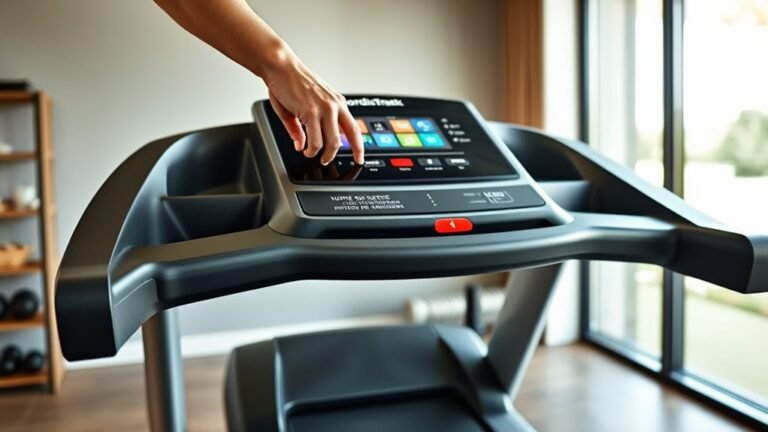
    To turn on your NordicTrack treadmill in 7 easy steps, first plug in the power cord securely to a grounded outlet. Locate the power switch near the treadmill base and flip it on.

    Next, attach the safety key firmly into the console slot. Press the power button to activate the display.

    Choose your workout mode, then start the belt carefully while holding the handrails for stability. Stay tuned to learn how to keep your treadmill running smoothly and safely.