How Fast Do Treadmills Go – A Complete Speed Guide
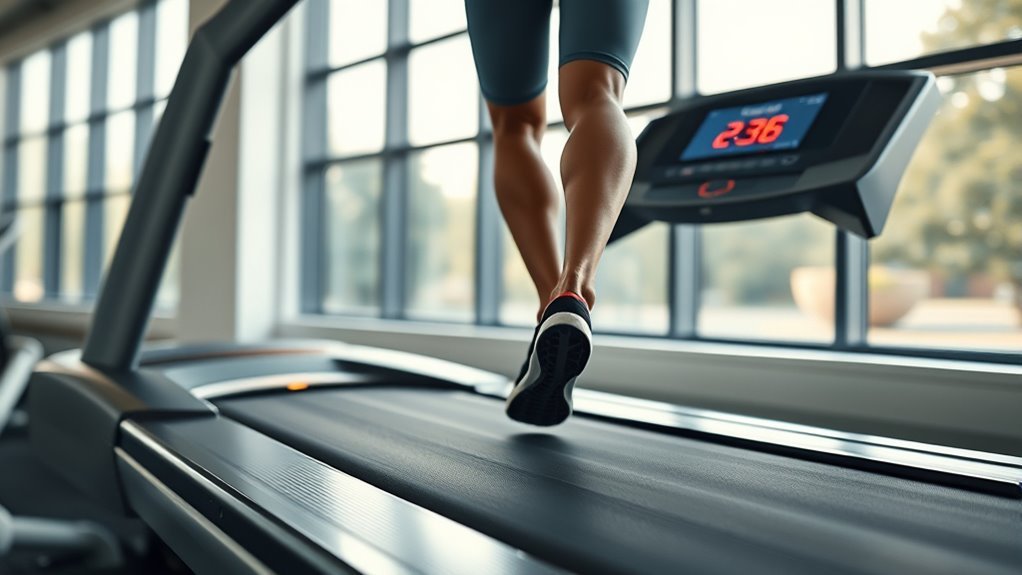
Treadmills typically range from 0.5 to 12 mph for home use, letting you walk, jog, or run at your own pace. This speed range is perfect for most fitness levels, whether you’re just starting out or looking to amp up your routine.
Commercial models can go even faster, often reaching speeds between 15 and 20 mph, which is great for high-intensity training sessions or sprint workouts.
Beginners usually start walking around 2-3 mph, which feels comfortable and safe. Meanwhile, experienced runners may push the treadmill to 8-10 mph or even faster, depending on their fitness goals and training plans.
You can easily adjust speeds to fit your fitness level and goals safely, using the built-in controls and safety features.
Keep exploring to find the best speed that matches your workout style and personal needs!
Key Takeaways
- Home treadmills typically range from 0.5 to 12 mph, suitable for walking, jogging, and running workouts.
- Commercial treadmills can reach speeds of 15 to 20 mph, designed for high-intensity and professional training.
- Walking speeds on treadmills usually vary between 2 to 4 mph depending on fitness level and goals.
- Jogging and running speeds range from 4 to 9 mph, with sprinting often exceeding 9 mph for short bursts.
- Safe speed selection depends on user fitness, balance, treadmill motor power, and gradual increases to prevent injury.
Typical Speed Ranges of Home Treadmills
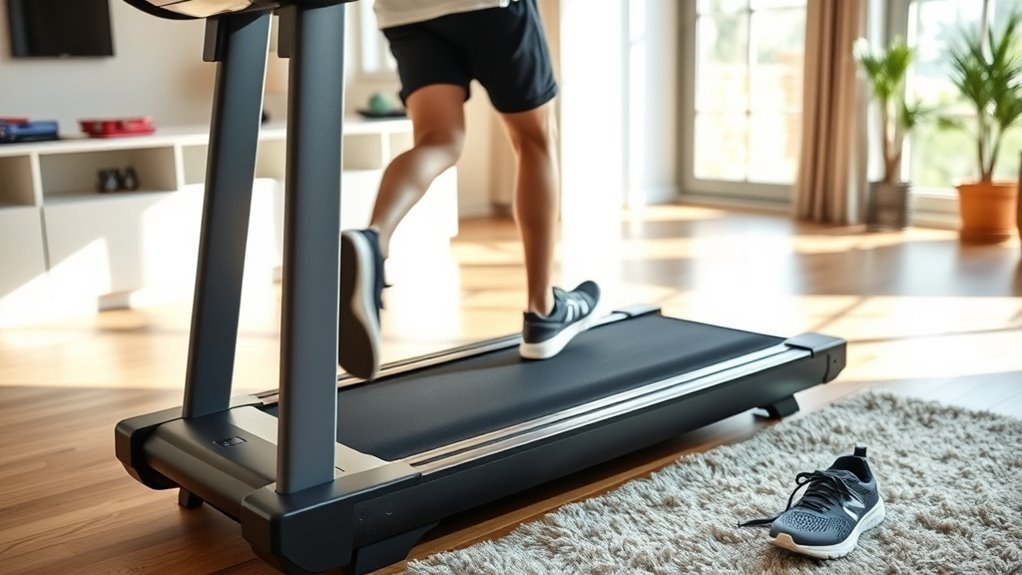
Although treadmill models vary, most home treadmills offer speed settings that range from about 0.5 to 12 miles per hour. This lets you adjust the pace to your fitness level and workout goals.
You can start walking slowly at 0.5 mph to warm up or recover. Then, gradually increase your speed as you feel more comfortable.
For most users, speeds between 3 and 6 mph are ideal for walking and light jogging. Running typically starts around 6 mph.
If you’re training for sprints or high-intensity intervals, some home treadmills let you push closer to 12 mph. Just keep in mind your treadmill’s maximum speed depends on its motor power and design, so always check the specs before attempting faster paces.
Maximum Speeds on Commercial Treadmills
When you step into a gym, you’ll notice commercial treadmills can reach much higher speeds than home models, often topping out between 15 and 20 miles per hour. These machines are built for durability and performance, designed to accommodate professional athletes and high-intensity training.
If you’re a serious runner or training for races, the ability to ramp up speed quickly and maintain it is essential. Commercial treadmills also feature powerful motors that handle sustained high speeds without overheating.
Plus, their advanced cushioning systems make running at these speeds safer and more comfortable. Keep in mind, though, that not everyone needs to push a treadmill to its maximum speed—commercial models provide that extra range to suit a variety of training goals and fitness levels.
Ideal Walking Speeds for Different Fitness Levels
You’ll want to adjust your walking speed based on your fitness level to get the best results. Beginners should start with a comfortable, slower pace.
If you have moderate fitness, you can pick up the speed to get a better workout. And if you’re advanced, pushing to faster walking rates can really challenge your endurance and strength.
Beginner Walking Pace
Since everyone’s fitness level varies, finding the right beginner walking pace is essential to building endurance without overexertion. For most beginners, a treadmill speed between 2.0 to 2.5 mph works well.
This range lets you move comfortably while allowing your body to adapt to regular exercise. Start at the lower end and focus on maintaining good posture and steady breathing.
As you feel more confident, you can gradually increase your pace without pushing too hard. Walking at this beginner speed helps improve cardiovascular health, burns calories, and builds stamina.
Moderate Fitness Speed
Although beginner speeds focus on building comfort, moderate fitness paces challenge your body to improve endurance and strength. When you walk at a moderate treadmill speed—typically between 3.0 to 4.0 mph—you engage more muscles and elevate your heart rate, boosting cardiovascular health.
This pace feels brisk but sustainable, perfect for daily workouts that push you just enough without overexertion. By maintaining this speed, you enhance calorie burn and overall fitness efficiently.
You can adjust the treadmill incline slightly to increase intensity without upping speed. Remember, moderate speeds suit those comfortable with walking but aiming to progress.
Stick to this range consistently, and you’ll build stamina and muscle tone, setting a solid foundation before moving on to more advanced workout levels.
Advanced Walking Rates
Once you’ve mastered moderate walking speeds, it’s time to challenge yourself with advanced rates that suit different fitness levels. If you’re a beginner aiming to boost endurance, try walking between 3.5 to 4 mph. This pace pushes your cardiovascular system without overwhelming you.
For intermediate walkers, 4 to 4.5 mph offers a brisk workout that improves stamina and muscle tone. If you’re highly fit, walking at speeds above 4.5 mph can simulate a power walk, increasing calorie burn and enhancing aerobic capacity.
Recommended Jogging Speeds for Beginners
If you’re new to jogging on a treadmill, starting at a manageable speed is key to building endurance without risking injury. Begin with a speed between 4 and 5 mph, which allows you to focus on form and breathing.
This range is comfortable enough to maintain a steady pace while challenging your cardiovascular system. Gradually increase your speed by 0.1 to 0.2 mph as you feel more confident and your stamina improves.
Avoid pushing too hard too soon; listen to your body and take breaks if needed. Consistency matters more than speed at this stage, so aim for regular sessions rather than fast runs.
This approach helps you develop a solid foundation for future progress without overexertion or burnout. Just keep at it, and you’ll see improvements over time!
Running Speeds for Experienced Athletes
When you’ve built a solid running base, you can push your treadmill speed to 7 mph or higher to challenge your endurance and speed. Experienced athletes often run between 7 and 10 mph, depending on their fitness level and goals.
If you’re training for races or aiming to improve your pace, speeds above 8 mph help build cardiovascular strength and muscle power. You might find yourself comfortably sustaining 8.5 mph for several miles or sprinting at 10 mph for shorter bursts.
Remember to listen to your body and gradually increase speeds to avoid injury. Using these faster speeds will enhance your running efficiency and prepare you for outdoor runs or competitions.
How to Adjust Speed for Interval Training
How do you effectively adjust treadmill speed for interval training? Start by selecting a comfortable warm-up pace to prepare your muscles.
Then, increase the speed for your high-intensity bursts, pushing close to your maximum effort. Slow down to a recovery pace that allows you to catch your breath without stopping.
Repeat this cycle based on your workout plan. Here’s how to visualize it:
- Warm-up jog at 3-4 mph
- Sprint intervals at 7-9 mph
- Recovery walk or slow jog at 2-3 mph
Alternate speeds every 30 seconds to 2 minutes. And don’t forget to cool down at an easy pace for 5 minutes.
Safety Tips When Using High Speeds on Treadmills
Although high speeds can boost your treadmill workouts, you need to prioritize safety to prevent injuries. Always start at a slower pace and gradually increase the speed to let your body adjust.
Use the treadmill’s safety key or clip it to your clothing so it stops immediately if you fall. Keep your eyes forward and avoid distractions like phone use while running fast.
Maintain proper posture and stay centered on the belt to reduce the risk of slipping. Wear suitable running shoes with good grip and cushioning.
If you feel dizzy or overly fatigued, slow down or stop. Finally, make sure the treadmill is on a stable surface and properly maintained before attempting high-speed workouts to ensure smooth, safe operation.
Factors That Influence Treadmill Speed Selection
Why you choose a certain treadmill speed depends on several key factors. You need to take into account your fitness level, workout goals, and physical condition to pick the right pace.
For example, if you’re recovering from injury, slower speeds are safer. On the other hand, if you’re aiming for high-intensity training, faster speeds will challenge you more. Also, the treadmill’s maximum speed and your comfort with balance play roles.
Here are five crucial factors influencing your speed choice:
- Your current cardiovascular fitness and endurance
- Specific training goals like fat loss or speed building
- Any existing injuries or physical limitations
- The treadmill’s features and maximum speed capacity
- Your confidence and stability while running or walking
Taking these into account helps you select a speed that’s both effective and safe.
Frequently Asked Questions
How Does Treadmill Speed Affect Calorie Burn?
Treadmill speed directly impacts calorie burn; the faster you go, the more calories you burn. Increasing speed boosts your heart rate and intensity, helping you burn fat quicker and improve fitness more efficiently during your workout.
It’s pretty simple—speed up, and your body works harder. That means you’re burning more calories without having to do anything extra. Plus, mixing up your pace can keep things interesting and challenge your muscles in different ways.
Can Treadmill Speed Impact Joint Health?
If you blast your treadmill speed like a rocket, your joints might scream!
But if you pace yourself, you’ll protect your joints, reduce impact, and keep running pain-free for years.
What Is the Average Lifespan of Treadmill Motors at High Speeds?
You can expect treadmill motors running at high speeds to last around 5 to 7 years with proper maintenance.
Overworking them without breaks might shorten their lifespan, so regular care is essential to keep them running smoothly.
It’s like giving your motor a little breather—it really helps in the long run!
How Do Treadmill Inclines Influence Speed Training?
Inclines can boost your calorie burn by up to 30%, making speed training tougher and more effective. They force your muscles to work harder, improving endurance and power.
Plus, inclines naturally slow your pace to help you maintain proper form. So, while it feels challenging, it’s actually helping you get stronger and faster in the long run.
Are There Speed Differences Between Belt and Motor Types?
Yes, you’ll notice speed differences between belt and motor types. Motor-driven treadmills offer smoother, consistent speeds, which can be great for steady workouts.
Manual belt treadmills depend on your effort, often limiting speed. So, it really comes down to what you want from your training and what feels best for you. Choose based on your goals and preferences.
Conclusion
Now that you know how fast treadmills can go, you’re ready to find the perfect speed for your workouts. Whether you’re walking, jogging, or sprinting, adjusting your pace is like tuning a radio—finding the right frequency keeps your fitness journey smooth and enjoyable.
Remember to listen to your body and prioritize safety, especially when pushing for higher speeds. It’s important to start slow and gradually increase your treadmill speed to avoid injury.
With the right approach, every step on the treadmill brings you closer to your goals. Finding the ideal treadmill speed not only boosts your endurance but also helps in burning calories effectively. So, keep experimenting with your pace until you hit that sweet spot for a rewarding workout every time.