How Many Calories Do I Burn on a Treadmill?
You burn calories on a treadmill depending on your weight, speed, incline, and how long you exercise. If you weigh more, you’ll burn more calories doing the same workout compared to someone lighter. It’s pretty straightforward, right?
Running faster or increasing the incline also boosts calorie burn. This happens because more muscles get involved and your heart rate goes up.
Plus, longer sessions naturally use more energy.
Mixing up your speeds or inclines helps prevent plateaus. So don’t stick to the same routine every time. Keep adjusting your workout, and you’ll find even more ways to maximize your calorie burn and fitness results.
Key Takeaways
- Calorie burn depends on treadmill speed, incline, workout duration, and intensity. Higher settings usually mean you’ll burn more energy.
- Your body weight also plays a big role. Heavier people tend to burn more calories doing the same treadmill workout as lighter folks.
- Mixing things up with intervals, incline changes, and varied speeds can really help maximize your calorie burn. Plus, it keeps your workouts from getting boring or hitting a plateau.
- It’s a good idea to track your calories burned using the treadmill’s display or a fitness app. This way, you can better optimize and adjust your exercise routines.
- Longer and consistent treadmill sessions, along with gradually increasing the intensity, usually lead to burning more calories overall. So stick with it and keep challenging yourself!
Factors That Influence Calorie Burn on a Treadmill
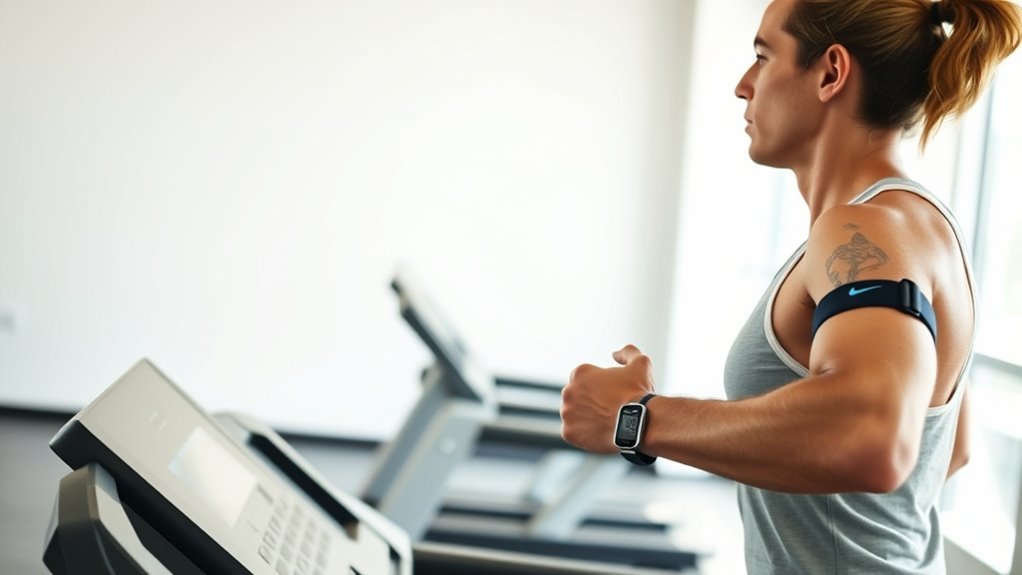
Although using a treadmill is an effective way to burn calories, the number of calories you burn depends on several key factors. Your workout intensity plays a huge role—running fast burns more calories than walking slowly.
The duration matters too; the longer you keep moving, the more energy you’ll expend. Incline also increases calorie burn by engaging more muscles as you climb.
Your fitness level impacts how efficiently your body uses energy, so beginners might burn more initially than seasoned runners. Additionally, your treadmill’s settings, like speed and incline, directly influence energy use.
How Weight Affects Calories Burned During Treadmill Workouts
Because your body requires more energy to move a heavier mass, your weight directly affects how many calories you burn on a treadmill. This means if you weigh more, you’ll generally burn more calories during the same workout compared to someone lighter.
Here’s a simple comparison to illustrate:
| Weight (lbs) | Calories Burned (30 min walk) | Calories Burned (30 min jog) |
|---|---|---|
| 120 | 120 | 240 |
| 160 | 160 | 320 |
| 200 | 200 | 400 |
Impact of Speed and Intensity on Calorie Expenditure

When you increase your treadmill speed, you naturally burn more calories because your body works harder.
Pushing up the intensity, like adding incline or sprint intervals, boosts energy expenditure even further.
Understanding how speed and intensity affect calorie burn can help you tailor your workouts for better results.
It’s all about finding the right balance that challenges you without overdoing it. Keep experimenting, and you’ll see the benefits!
Speed Effects on Calories
If you want to maximize the calories you burn on a treadmill, adjusting your speed is one of the most effective ways to do it. When you increase your pace, your body works harder, which boosts your calorie burn.
Walking at 3 mph burns fewer calories compared to running at 6 mph because running demands more energy. Even small speed increments can make a notable difference.
For example, going from a slow jog to a moderate run can considerably raise your calorie expenditure. However, it’s important to choose a speed that challenges you without causing injury or excessive fatigue.
Intensity and Energy Burn
Increasing your speed on the treadmill definitely raises the number of calories you burn, but intensity goes beyond just pace. When you increase the incline or add intervals, your body works harder, boosting calorie expenditure even more.
High-intensity workouts challenge your cardiovascular system and muscles, making your body burn more energy during and after exercise. For example, alternating sprints with walking or jogging spikes your heart rate and metabolism, leading to greater fat loss.
On the other hand, steady, moderate-paced sessions burn calories too, but less efficiently. To maximize energy burn, vary your treadmill workouts by adjusting speed, incline, and duration.
This keeps your body adapting and prevents plateaus, helping you reach your fitness goals faster while torching more calories each session.
The Role of Incline in Increasing Calorie Burn
When you add incline to your treadmill workout, your metabolism ramps up and you engage more muscles, especially in your legs and glutes. This extra effort means you’ll burn more calories compared to walking or running on a flat surface.
Let’s explore how adjusting the incline can boost your calorie burn and improve your overall workout. It’s a simple tweak that makes a big difference!
Incline and Metabolism
Though walking or running on a flat surface already burns calories, adding an incline challenges your muscles and boosts your metabolism considerably. When you increase the treadmill’s incline, your body works harder to overcome gravity, which elevates your heart rate and oxygen consumption.
This increased effort triggers a higher metabolic rate, meaning you burn more calories not just during your workout but afterward as your body recovers. The incline effectively turns your session into a more intense cardiovascular exercise, pushing your metabolism into a higher gear.
Muscle Engagement Benefits
Because adding an incline forces your muscles to work harder, you engage more muscle groups compared to walking or running on a flat surface. This increased engagement not only boosts calorie burn but also strengthens key muscle areas.
When you use an incline, you primarily activate:
- Glutes and hamstrings – They work harder to propel you upward.
- Calves – They stabilize your movement with each step.
- Core muscles – They maintain your balance and posture on the slope.
Calorie Burn Comparison
How much more effective is walking or running on an incline for burning calories compared to a flat surface?
When you increase the treadmill’s incline, your body works harder to overcome gravity, which boosts calorie burn considerably. Even a moderate incline of 5% can raise your calorie expenditure by 20-30% compared to walking or running on flat ground.
This happens because your muscles, especially in your glutes, hamstrings, and calves, engage more intensely. Plus, your cardiovascular system ramps up to meet the increased demand.
Calculating Calories Burned Based on Workout Duration
When can you expect to see the number of calories burned rise during your treadmill workout? The answer is simple: the longer you exercise, the more calories you burn.
To calculate calories burned based on duration, keep these key points in mind:
- Estimate your calorie burn rate per minute: This depends on your weight and workout intensity.
- Multiply by your total workout time: For example, if you burn 10 calories per minute and exercise for 30 minutes, you’ll burn about 300 calories.
- Adjust for breaks or changes in pace: If you pause or slow down, your calorie burn will decrease accordingly.
Using Treadmill Machines and Apps to Track Calorie Burn
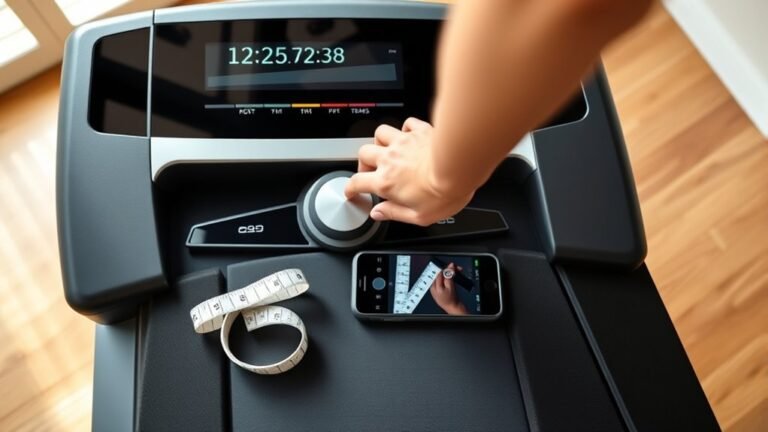
Although estimating calories burned manually can be effective, using treadmill machines and fitness apps makes tracking your workout more accurate and convenient. Most modern treadmills come equipped with built-in calorie counters that adjust calculations based on your speed, incline, and sometimes your weight and age.
This real-time feedback helps you stay informed without needing extra tools. Plus, fitness apps sync with treadmills or wearable devices, offering detailed insights on your calorie burn, distance, and heart rate.
They can store your data over time, helping you monitor progress and set personalized goals. By relying on these technologies, you eliminate guesswork and get a clearer picture of your workout’s effectiveness.
That way, it’s easier to adjust your routine for better results.
Tips to Maximize Calorie Burn on the Treadmill
Tracking your calorie burn with treadmill machines and apps gives you valuable data, but you can boost those numbers even more by tweaking how you use the treadmill.
To maximize your calorie burn, try these strategies:
1. Increase Incline: Walking or running uphill forces your muscles to work harder, raising your heart rate and calorie expenditure.
It’s a simple change that makes a big difference.
2. Incorporate Intervals: Alternate between high-intensity sprints and moderate-paced recovery periods to keep your metabolism elevated.
This keeps things interesting and really ramps up the burn.
3. Add Resistance: Use hand weights or a weighted vest to engage more muscle groups and increase overall effort.
A little extra weight goes a long way in boosting your workout.
Comparing Treadmill Workouts With Other Cardio Exercises
You’ll find that treadmill workouts offer unique benefits compared to other cardio exercises like cycling, swimming, or rowing. When you run or walk on a treadmill, you engage your lower body muscles intensely, which can lead to higher calorie burn, especially at increased speeds or inclines.
Unlike cycling, which is lower impact on joints, treadmills provide weight-bearing exercise that strengthens bones. Swimming, while excellent for full-body conditioning and low joint stress, typically burns fewer calories per hour than running at a moderate pace.
Treadmills offer weight-bearing exercise that strengthens bones, unlike low-impact cycling or lower-calorie-burning swimming.
Rowing combines upper and lower body work but may not reach the calorie burn levels of intense treadmill sessions. Ultimately, your choice depends on your fitness goals, joint health, and personal preferences.
But treadmill workouts remain a versatile and effective calorie-burning option.
Frequently Asked Questions
Can Treadmill Workouts Help Improve Mental Health?
Yes, treadmill workouts can boost your mental health by releasing endorphins, reducing stress, and improving your mood.
You’ll also enhance focus and sleep quality, making exercise a powerful tool for your emotional well-being. It’s pretty amazing how moving your body on a treadmill can lift your spirits and clear your mind.
What Types of Shoes Are Best for Treadmill Running?
You’ll want running shoes with good cushioning, support, and a snug fit to prevent slipping. Look for lightweight, breathable materials and durable soles that absorb impact well.
This helps you stay comfortable and injury-free on the treadmill. It’s all about finding the right balance so your feet feel supported without feeling weighed down.
How Often Should I Clean and Maintain My Treadmill?
You should clean and maintain your treadmill weekly by wiping down surfaces and checking for dust buildup.
Lubricate the belt every three to six months, depending on usage, to keep it running smoothly and extend its lifespan.
Keeping up with these simple steps really helps your treadmill last longer and perform better!
Is It Safe to Use a Treadmill Every Day?
Yes, you can use a treadmill every day, but listen to your body.
Mix up intensity, include rest days, and stretch properly to avoid injury.
Consistency is great, but overdoing it can lead to burnout or strain.
Can Treadmill Workouts Reduce Joint Pain or Injury Risk?
Like a knight wielding a trusty lance, you can reduce joint pain and injury risk with treadmill workouts. They strengthen muscles, improve flexibility, and offer low-impact exercise.
This makes your joints happier and less prone to harm. It’s a smart way to stay active without putting too much stress on your body.
Conclusion
Picture yourself finishing a treadmill session, sweat glistening, heart pounding. You know you’ve torched calories tailored to your effort.
Whether you’re speeding up, adding incline, or simply walking steady, every step counts toward your goals. By understanding how weight, speed, and duration influence your burn, you can make each workout your own fiery journey.
Keep tracking, keep challenging yourself, and watch those calories melt away with every powerful stride you take. Remember, the calories you burn on a treadmill depend on factors like your body weight and workout intensity. So, customize your treadmill routine to maximize calorie burn and reach your fitness goals faster.