How Much Does a Dumbbell Bar Weigh?
You can expect a dumbbell bar to weigh anywhere from 5 to 20 pounds, depending on its type and size. Standard bars usually weigh around 5 to 10 pounds, while Olympic-style bars can reach up to 20 pounds.
Material and length also affect the weight, so adjustable bars might vary more widely.
Choosing the right bar weight helps you train safely and effectively.
Keep going to find out what factors influence these differences and how to pick the best bar for your workouts.
Key Takeaways
- Standard dumbbell bars typically weigh between 5 to 10 pounds (2.3 to 4.5 kg). This range covers most basic home gym setups.
- Olympic dumbbell bars usually weigh around 15 to 20 pounds (6.8 to 9 kg). They’re built for heavier lifting and more serious training sessions.
- Adjustable or collapsible dumbbell bars vary widely in weight depending on design and materials. So, you might want to check the specs before buying.
- Material composition and bar length significantly influence the weight of a dumbbell bar. Steel bars, for example, tend to be heavier than aluminum ones.
- Lighter bars are ideal for beginners, while heavier bars suit advanced strength training needs. It really depends on your fitness level and goals.
Standard Weights of Dumbbell Bars

Although dumbbell bars come in various sizes and materials, most standard bars weigh between 2 to 5 pounds. When you pick up a typical dumbbell bar, you can expect it to fall within this range. This makes it manageable to add weight plates without drastically altering the feel.
If you’re new to weightlifting, knowing this helps you plan your workouts better. It ensures you account for the bar’s weight in your total load.
Some shorter or smaller bars may weigh closer to 2 pounds, while longer or thicker bars can reach up to 5 pounds. This range suits most home gyms and commercial settings, balancing durability and ease of handling.
Understanding these standard weights helps you choose the right dumbbell bar for your strength level and workout goals. It’s all about finding what works best for you!
Materials Used in Dumbbell Bars

When you choose a dumbbell bar, the material it’s made from greatly affects its weight, durability, and grip. Most dumbbell bars are crafted from steel because it’s strong and holds up well under heavy loads.
If you want something lighter, aluminum bars are an option—they’re easier to handle but might not be as durable. Chrome or stainless steel bars add corrosion resistance, so they last longer and stay looking good.
Some bars feature knurled grips or rubber coatings to improve your hold during workouts. Keep in mind, the material also influences the bar’s feel and balance, which can impact your performance.
Differences Between Fixed and Adjustable Bars
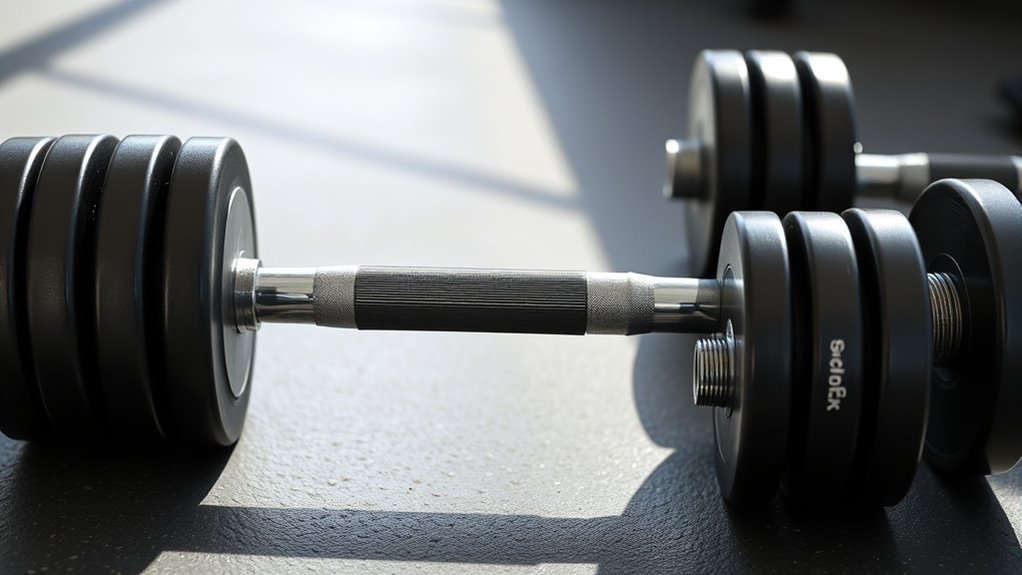
Since dumbbell bars come in different styles, understanding the differences between fixed and adjustable bars helps you choose the right one for your workout needs. Fixed bars have a set weight and are ready to use immediately, which means you don’t have to spend time adjusting plates.
They’re durable and often balanced well, making them perfect if you want consistency and simplicity during your workout. On the other hand, adjustable bars let you customize the weight by adding or removing plates.
This flexibility saves space and money but requires a bit more effort to change weights between sets. Knowing these differences helps you decide whether convenience or versatility fits your routine best.
Both types have their place depending on your goals and available space. So, think about what matters most to you before picking one!
Weight Variations by Length and Diameter
Understanding how the length and diameter of a dumbbell bar affect its weight can help you pick the right equipment for your workouts. Longer bars naturally weigh more because they use more material, while thicker bars add weight by increasing the bar’s cross-sectional area.
Here’s what you should keep in mind:
- Standard dumbbell bars are usually 14 to 18 inches long.
- Longer bars (20+ inches) can weigh several pounds more.
Diameter typically ranges from 25mm to 32mm. Thicker bars add sturdiness but increase weight.
Olympic bars (larger diameter) tend to be heavier than standard bars. So, if you want something heavier or more durable, going with an Olympic bar might be the way to go.
Impact of Bar Weight on Workout Performance
Although the weight of the dumbbell bar might seem minor compared to the plates you add, it considerably influences your workout performance. When you lift, every pound matters—especially during high-rep sets or when focusing on precise form.
If the bar is heavier than expected, you might fatigue faster or struggle to maintain proper technique. Conversely, a lighter bar lets you focus more on the plates’ weight, giving you better control over progression.
Additionally, uneven or inconsistent bar weight can throw off balance, making exercises less effective or increasing injury risk. Understanding the bar’s weight helps you plan your workouts accurately, ensuring you hit your strength goals without surprises.
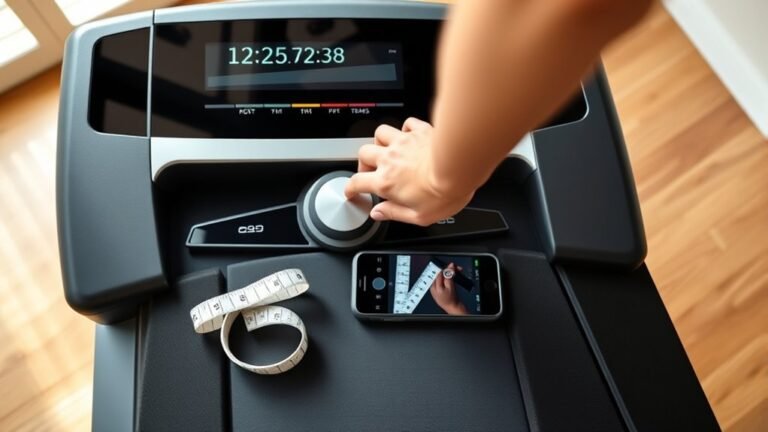
How to Measure Your Dumbbell Bar’s Weight
When you want to know the exact weight of your dumbbell bar, using a reliable method guarantees accuracy. It also helps you track your progress better.
Here’s how you can measure it effectively:
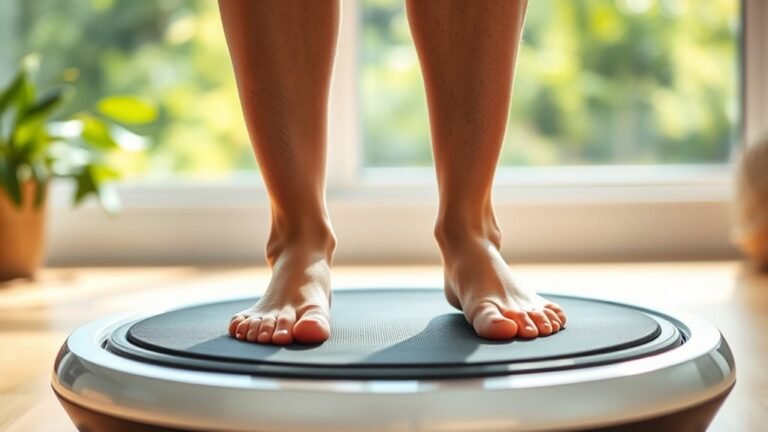
- Use a digital scale with a suitable weight range.
- Place the dumbbell bar alone on the scale for a direct reading.
- Ensure the scale is on a flat, stable surface to avoid errors.
If you don’t have a digital scale, try a balance scale for an approximate weight.
Also, subtract any collars or clips if you’re measuring the bar with them attached. That way, you get the true weight of just the bar.
Choosing the Right Dumbbell Bar for Your Needs
When choosing a dumbbell bar, you’ll want to consider the material since it affects both weight and durability.
Pay attention to grip styles, too, because comfort can impact your workout performance. Picking the right combination ensures you get the best fit for your needs.
Material Types and Weights
Since dumbbell bars come in various materials, choosing the right one can substantially impact your workout experience. Each material affects the bar’s weight, durability, and feel. Knowing these differences helps you select a bar that suits your strength and training style.
Consider these common materials:
- Steel: Heavy, durable, and ideal for serious lifters; typically weighs around 2-3 pounds. This one’s great if you want something sturdy that lasts.
- Aluminum: Lighter than steel and corrosion-resistant. Perfect for beginners or home use since it’s easier to handle.
- Chrome-plated steel: Offers durability with a smooth finish. It’s slightly heavier than aluminum, so you get a nice balance.
- Plastic or vinyl-coated: Lightweight and budget-friendly but less durable. Good if you’re just starting out or need something simple.
- Rubber-coated: Adds grip and protects floors, but weighs more than bare steel bars. Plus, it feels nice in your hands.
Pick a material that matches your lifting goals and environment. That way, you’ll have the best experience possible!
Grip Styles and Comfort
Although the material affects the weight and durability of your dumbbell bar, the grip style plays a crucial role in your comfort and control during workouts. You’ll find options like knurled grips, which provide extra traction to prevent slipping, especially when your hands get sweaty.
Some bars have smooth grips, offering comfort but less grip security. Others feature rubber or foam padding, which can reduce hand fatigue and protect your skin during heavy lifting.
When choosing a dumbbell bar, consider how it feels in your hand and whether it supports your training style. If you plan intense sessions or high reps, a textured grip might suit you better.
Ultimately, selecting the right grip helps you maintain proper form and avoid injuries while lifting. It’s all about finding what works best for you!
Common Dumbbell Bar Brands and Their Weights
If you’re shopping for dumbbell bars, you’ll notice that different brands offer varying weights and designs to suit your workout needs. Knowing the weight of each brand helps you plan your exercises better.
Here are some common dumbbell bar brands and their typical weights:
- CAP Barbell: Around 5 lbs, known for durability and knurled grips
- Bowflex SelectTech: Approximately 4.5 lbs, adjustable and compact
- Rogue Fitness: About 7 lbs, made from high-quality steel with aggressive knurling
- AmazonBasics: Roughly 4.5 lbs, budget-friendly and straightforward design
- PowerBlock: Close to 6 lbs, unique square design for space-saving
Choosing the right brand depends on your preference for weight, grip, and overall feel during workouts. So, think about what feels best to you when you’re lifting.
Frequently Asked Questions
Can Dumbbell Bars Rust Over Time?
Yes, dumbbell bars can rust over time if you don’t keep them dry and clean. Moisture and sweat cause corrosion, so you’ll want to wipe them down regularly and store them in a dry place to prevent rust.
It’s really about staying on top of it. Just a quick wipe after your workout can make a big difference. Trust me, your dumbbell bars will thank you!
How Do I Clean My Dumbbell Bar Safely?
To clean your dumbbell bar safely, swiftly swipe it with a soft, slightly soapy cloth, scrubbing stubborn spots gently.
Then, dry thoroughly to deter dampness and prevent pesky rust from ruining your reliable routine.
Are Dumbbell Bars Compatible With All Weight Plates?
Dumbbell bars aren’t compatible with all weight plates. You’ll need to check the bar’s sleeve diameter and plate hole size to make certain they match.
Most bars fit standard or Olympic plates, so verify before buying or mixing. It’s always a good idea to double-check to avoid any surprises when you’re ready to lift!
Can I Use Dumbbell Bars for Outdoor Workouts?
You can definitely use dumbbell bars for outdoor workouts; they become your trusty anchors, grounding your strength amid nature’s wild rhythm.
Just protect them from moisture and rough surfaces to keep your gains shining bright.
It’s all about a little care, you know? Keep them dry and maybe lay down a mat or towel. That way, your dumbbells stay in great shape, and your workouts stay strong!
How Do I Store Dumbbell Bars Properly?
You should store dumbbell bars in a dry, cool place to prevent rust. Use a rack or wall hooks to keep them off the floor.
And don’t forget to wipe them down after workouts to keep them in good condition. It really helps maintain their quality over time.
Conclusion
Now that you know a standard dumbbell bar typically weighs between 2 to 5 pounds, you can better tailor your workouts. Remember, even a small difference in bar weight can impact your performance and progress.
Choosing the right bar—whether fixed or adjustable—ensures you’re lifting efficiently and safely. Keep this in mind next time you pick up a dumbbell; that extra 3 pounds could make all the difference in your gains!
Understanding how much a dumbbell bar weighs helps you track your total lifting weight more accurately. This knowledge is key for designing effective workout routines and avoiding injury. So, whenever you’re planning your next session, consider the bar’s weight as part of your overall dumbbell weight to maximize your strength training results.