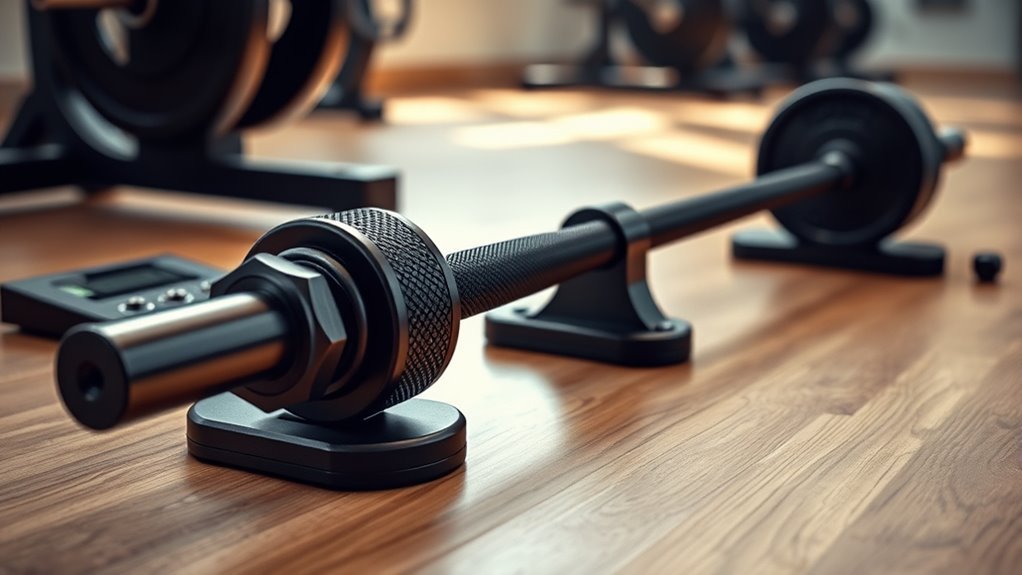
How Much Does a Bench Bar Weigh: A Simple Guide
A typical bench bar weighs about 20 kg (44 lbs), especially standard Olympic bars designed for heavy lifting. This weight is pretty common and works well for most bench press workouts.
However, the weight can vary based on the type, length, and material. Steel bars are the most common, but you’ll also find aluminum or titanium versions that are lighter and easier to handle.
Power bars or specialty bars might weigh more or less depending on their design and purpose. So, picking the right bar really depends on your strength level and fitness goals.
Keep going, and you’ll find helpful tips on choosing, handling, and caring for the perfect bench bar that fits your needs.
Key Takeaways
- Standard Olympic bench bars typically weigh about 20 kg (44 lbs) and are around 7 feet long.
- Powerlifting bars often weigh heavier, around 25 kg (55 lbs), designed for heavy lifting.
- Material affects weight: steel bars weigh 20-25 lbs, aluminum bars are lighter at 15-20 lbs.
- Specialty bars like Swiss bars vary in weight, often lighter or heavier depending on design.
- Bar length influences weight; longer bars weigh more, shorter bars range between 15-35 lbs.
Common Types of Bench Bars

When choosing a bench bar, you’ll encounter several common types designed for different lifts and preferences. The standard bench press bar is your go-to, usually straight with knurling for grip.
If you’re into powerlifting, you might prefer a power bar, which is stiffer and has more aggressive knurling to prevent slipping during heavy lifts. Olympic bench bars are another popular choice, often lighter and designed to fit Olympic plates.
You’ll also find specialty bars like the Swiss bar, which features multiple grip options to reduce strain on your wrists. Each type offers unique benefits depending on your training goals, so understanding these varieties helps you pick the right bar for your bench press routine.
Standard Weight of Olympic Bench Bars
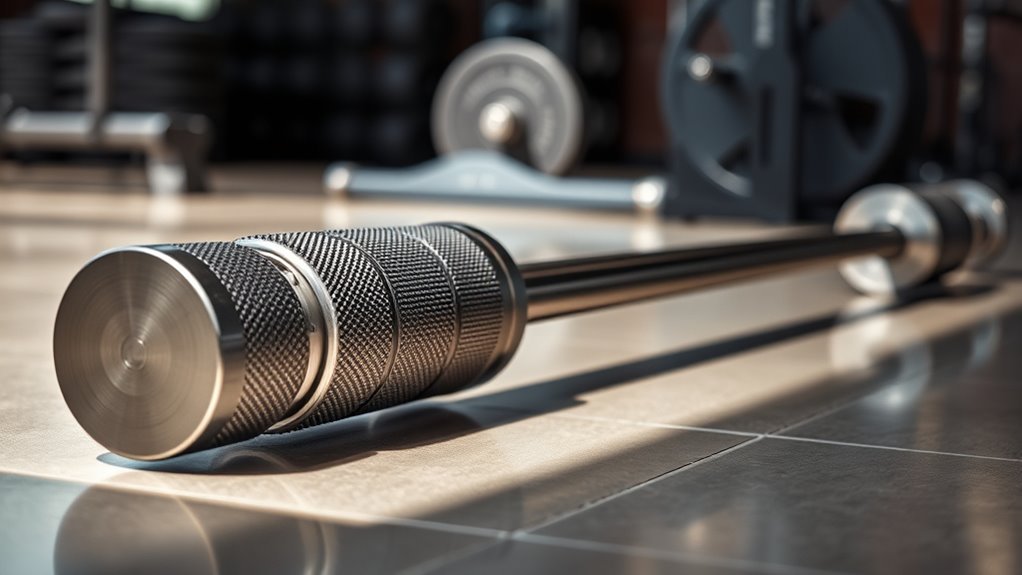
Although Olympic bench bars vary slightly between manufacturers, you can expect most to weigh around 20 kilograms (44 pounds). This standard weight aligns with the widely accepted specifications for Olympic bars used in competitive and gym settings.
The 20 kg weight provides a consistent baseline for lifters, ensuring that when you add plates, you know exactly how much total weight you’re handling. These bars are typically around 7 feet long and designed to fit standard Olympic-sized plates with a 2-inch diameter hole.
Their weight and dimensions are regulated to maintain uniformity in training and competition. When you choose an Olympic bench bar, you’re getting a reliable, standardized piece of equipment that helps you track progress and measure strength accurately.
Weight Variations in Specialty Bench Bars

When you pick up a specialty bench bar, you’ll notice its weight can differ from the standard Olympic bar. Powerlifting bars, for example, often weigh more due to their design and materials.
Understanding these variations helps you choose the right bar for your specific training needs. It’s all about matching the bar to what you want to achieve in your workouts.
Olympic Bench Bar Weight
Wondering how much an Olympic bench bar weighs? Typically, these bars weigh around 20 kilograms (about 44 pounds). This standard weight suits most training and competition settings, letting you focus on your lifts without guessing.
Unlike regular bars, Olympic bench bars have a slightly different design to accommodate the Olympic plates and fit standard Olympic benches. Keep in mind, some specialty Olympic bench bars may vary slightly in weight, often between 15 to 25 kilograms, depending on the manufacturer and intended use.
If you want an accurate measurement for your specific bar, check the manufacturer’s details or weigh it yourself. Understanding the Olympic bench bar weight helps you plan your workouts better and track progress precisely.
Powerlifting Bar Differences
Since powerlifting demands precise standards, specialty bench bars often differ in weight from typical Olympic bars. You’ll find that powerlifting bench bars usually weigh around 25 kilograms (55 pounds), matching standard Olympic bars, but some federations allow bars up to 20 kilograms (44 pounds) for women’s divisions.
These bars are built to handle heavier loads and provide better grip, often featuring more aggressive knurling. Unlike standard bars, powerlifting bench bars might have less whip or flex, giving you more control during your lift.
If you compete, you’ll also notice variations in bar length and diameter, tailored to meet specific federation rules. Understanding these differences helps you choose the right bar for your training or competition needs.
Specialty Material Impacts
Although many bench bars stick to traditional steel, specialty materials like aluminum or titanium can markedly change the bar’s weight and feel. If you choose an aluminum bench bar, you’ll notice it’s considerably lighter—often around 10 to 15 pounds compared to the standard 20.
This lighter weight makes it easier to maneuver, especially for beginners or those focusing on speed and technique. Titanium bars, on the other hand, offer a unique balance: they’re lighter than steel but stronger, typically weighing between 15 and 18 pounds.
This means you get durability without the extra heft. Keep in mind, specialty materials usually cost more, but they can improve your lifting experience by reducing fatigue and increasing control.
Materials That Affect Bench Bar Weight
When choosing a bench bar, you’ll notice the material plays a big role in its weight. Common options include steel, aluminum, and sometimes even titanium, each with distinct weight differences.
Understanding these materials helps you pick a bar that fits your workout style and strength needs. It’s all about finding what feels right for you and your routine.
Common Barbell Materials
Materials play an essential role in determining the weight and durability of a bench bar. You’ll find most bars made from steel, which offers excellent strength and longevity.
Some bars use stainless steel, prized for its corrosion resistance and sleek appearance. Others feature chrome or zinc coatings to protect against rust and wear. You might also come across bars with a black oxide finish, which adds a layer of protection without much extra weight.
For specialized uses, some bars incorporate materials like aluminum, which is lighter but less common due to lower strength. Understanding these materials helps you choose a bench bar that suits your needs, balancing durability, maintenance, and overall feel during your workouts.
Material Weight Comparisons
Because the weight of a bench bar impacts your lifting experience, understanding how different materials compare is essential. You’ll find that steel, aluminum, and titanium bars vary considerably in weight and feel.
Steel bars, commonly used, offer durability and a heavier mass, while aluminum bars are lighter but less robust. Titanium bars provide a balance of strength and lightness but come at a higher cost. Here’s a quick comparison:
| Material | Approximate Weight (lbs) | Durability |
|---|---|---|
| Steel | 20-25 | Very High |
| Aluminum | 15-20 | Moderate |
| Titanium | 18-22 | High |
| Stainless Steel | 22-26 | Very High |
| Chrome | 20-23 | High |
Choose based on your lifting style and preference. It really depends on what feels best for you and your workout goals.
How Bar Length Influences Weight
Although bar length isn’t the only factor affecting weight, it plays a significant role you should consider. Longer bars naturally weigh more because they require additional material to maintain structural integrity.
For example, a standard Olympic barbell measures about 7 feet and weighs around 45 pounds. Shorter bars, like those used for bench pressing, often range from 4 to 6 feet and weigh less, sometimes between 15 and 35 pounds.
When you choose a bar length, keep in mind that longer bars can accommodate more weight plates and allow for a wider grip, but they also add bulk and weight. On the other hand, shorter bars are lighter and easier to handle but might limit your exercise options.
Understanding this balance helps you select a bar that fits your workout needs without unnecessary weight. So, it’s really about finding what works best for you and your routine.
Choosing the Right Bench Bar Weight for Your Workout
When selecting the right bench bar weight for your workout, consider your strength level and training goals first. Choosing a bar that’s too heavy can hinder your form, while one that’s too light may not challenge you enough.
Start with a manageable weight and gradually increase as you build strength. Pay attention to your technique to avoid injury and maximize gains.
Here are key points to guide your choice:
- Assess your current lifting capacity to pick a bar weight that complements your strength.
- Align the bar weight with your workout goals, whether it’s endurance, hypertrophy, or power.
- Factor in the bar’s length and material, as they influence overall weight and handling.
Tailoring your bench bar weight ensures effective and safe workouts. So, take your time picking the right one—it really makes a difference!
Safety Tips for Handling Heavy Bench Bars
Handling heavy bench bars requires proper technique and focus to prevent injury and maintain control. Always guarantee your grip is secure and your posture is stable before lifting.
Use a spotter when handling weights beyond your comfort level. Avoid sudden movements and keep the bar close to your body.
Here’s a quick safety checklist:
| Tip | Why It Matters | How to Apply |
|---|---|---|
| Secure Grip | Prevents slipping | Use chalk or gloves |
| Stable Posture | Reduces strain | Feet flat, back tight |
| Use a Spotter | Enhances safety | Have someone assist |
| Controlled Movements | Avoids injury | Lift and lower slowly |
Stick to these tips to keep your bench pressing safe and effective.
Maintaining Your Bench Bar for Longevity
Keeping your bench bar in good condition goes hand in hand with safe handling practices. You want your bar to last, perform well, and stay safe over time.
Simple maintenance steps can make a big difference. Regularly inspect the bar for rust, cracks, or loose parts. Clean it after each use to remove sweat and debris.
Applying a light coat of oil helps prevent corrosion, especially if you live in a humid area. It’s a small step that goes a long way in protecting your equipment.
Here are key maintenance tips to follow:
- Wipe down your bench bar with a dry cloth after workouts
- Use a wire brush to clean knurling and sleeves occasionally
- Store the bar in a dry place, off the floor, to avoid moisture buildup
Taking these simple actions keeps your bench bar in great shape and ready for your next workout.
Frequently Asked Questions
How Do Bench Bar Weights Compare to Dumbbell Weights?
Bench bars usually weigh more than individual dumbbells, often around 15-45 pounds. Dumbbells vary widely in weight, so you’ll find a broad range.
They can be lighter or heavier depending on your needs. But bench bars generally provide a consistent, fixed weight for your workouts.
That consistency can be great when you’re focusing on specific exercises and want to track your progress easily. Dumbbells offer more flexibility if you want to switch up weights quickly.
Can Bench Bars Be Customized With Different Grip Textures?
When Sarah wanted better control, she customized her bench bar with a knurled grip texture.
Yes, you can change grip textures on bench bars to improve comfort and guarantee a secure hold during your workouts.
It’s a simple way to make your lifting sessions safer and more effective. Plus, customizing your grip can really boost your confidence while lifting.
Are There Specific Bench Bars Designed for Home Gyms?
Yes, you’ll find bench bars designed specifically for home gyms—they’re usually lighter and more compact. Sometimes, they even have removable sleeves to make storage easier.
These bars fit smaller spaces without sacrificing functionality or safety during your workouts. So, you can get a great workout at home without needing a ton of room.
How Does Temperature Affect Bench Bar Material Performance?
Temperature affects bench bar materials by making them expand or contract, which can impact durability and grip.
You’ll notice colder temps might make bars brittle, while heat can soften coatings—always store and use them in ideal conditions.
What Is the Average Cost of a Standard Bench Bar?
You’ll shell out about $50 to $150 for a standard bench bar—because lifting weights is cheaper than therapy, but don’t expect it to double as a magic wand for instant gains.
Choose wisely!
Conclusion
Now that you know how much a bench bar weighs and the factors that affect it, you’re ready to pick the perfect one for your workout. Remember, it’s not just about lifting heavy but lifting smart—don’t bite off more than you can chew.
With the right weight and proper care, your bench bar will serve you well for years to come. Choosing the right bench bar weight helps you avoid injury and maximize your workout efficiency. Stay safe, lift wisely, and keep crushing those goals!