How Much Weight Does a Bench Press Bar Have?
A standard Olympic bench press bar weighs 45 pounds, which is what you’ll find in most gyms. Knowing how much weight a bench press bar has is key for anyone serious about lifting. It helps you load plates correctly and track your progress accurately.
Women’s bars are lighter, usually around 33 pounds, making them easier to handle. Specialty bars can vary quite a bit, typically ranging from 25 to 55 pounds depending on their design and purpose.
Understanding your bar’s exact weight can really affect your workout results. Curious about how bar weight impacts your training or how to pick the right bar? There’s more helpful info coming your way!
Key Takeaways
- A standard Olympic bench press bar typically weighs 45 pounds (20.4 kg).
- Women’s bench press bars usually weigh around 33 pounds (15 kg) and are shorter than men’s bars.
- Specialty bench press bars like Swiss or cambered bars vary between 25 to 55 pounds depending on design.
- Always verify the exact bar weight before lifting for accurate load calculation and progress tracking.
- Bar weight impacts workout intensity, muscle activation, and fatigue, so proper management is essential.
Standard Weight of an Olympic Bench Press Bar

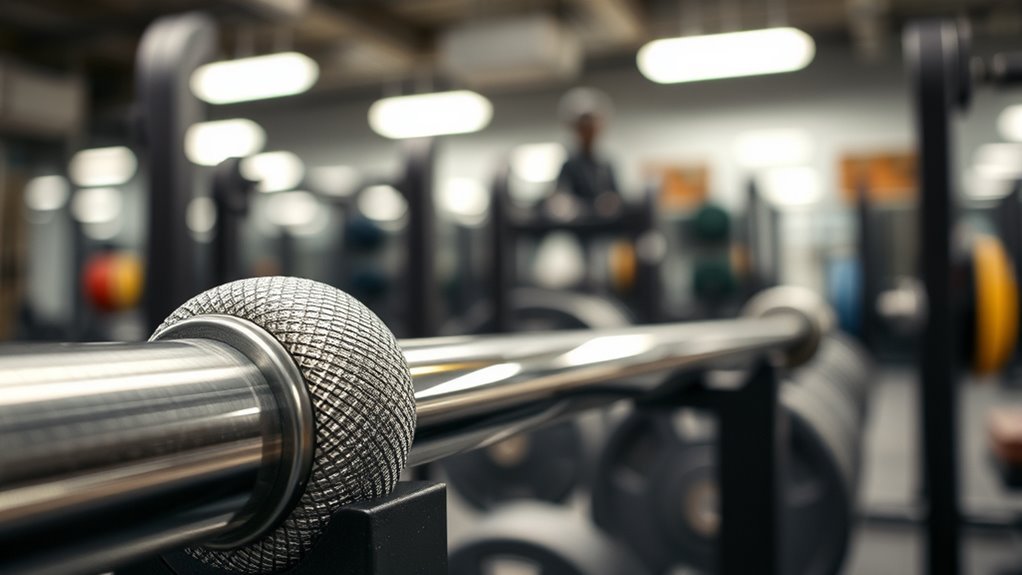
Although you might find various types of bench press bars, the standard Olympic bench press bar typically weighs 45 pounds (20.4 kilograms). This bar is the most common choice in gyms and competitions due to its balance of weight and durability.
When you pick up this bar, you’re handling a piece of equipment designed to support heavy loads while maintaining stability. Its length is usually around 7 feet, allowing ample room for your grip and movement.
The 45-pound weight is factored into your total lift, so you need to account for it when calculating your progress. Knowing this standard weight helps you track your strength gains more accurately and ensures you’re lifting safely and effectively every time you hit the bench press.
Differences Between Men’s and Women’s Bench Press Bars

When you step up to the bench press, you’ll notice that men’s and women’s bars differ in weight, length, and grip diameter to better suit different strength levels and body sizes. Men’s bars typically weigh 20 kilograms (44 pounds), measure about 7 feet long, and have a grip diameter around 28 millimeters.
Women’s bars are lighter, usually 15 kilograms (33 pounds), shorter at about 6.5 feet, and have a thinner grip diameter near 25 millimeters. These differences help you maintain proper form and control during lifts.
Using the right bar for your gender-specific standards can improve your bench press performance and reduce injury risk. So, always check which bar you’re lifting with before you start your workout to ensure it matches your training goals.
Specialty Bench Press Bars and Their Weights

Beyond the standard men’s and women’s bench press bars, you’ll find specialty bars designed to target specific training needs or accommodate unique lifting styles.
For example, a Swiss bar, also called a football bar, weighs around 25 to 30 pounds. Its neutral grip reduces shoulder strain and changes muscle activation.
Cambered bars, which have a dip in the middle, typically weigh between 35 and 45 pounds. They allow you to increase your range of motion during the lift.
Safety squat bars, commonly used for squats but sometimes adapted for bench pressing, weigh about 55 pounds and feature padding for comfort.
When you choose a specialty bar, always verify its weight before loading plates. This way, you can make sure your total weight calculations for the workout are accurate.
Impact of Bar Weight on Workout Performance
You’ll notice that the weight of the bar itself affects how much strength you need to lift and may require you to tweak your technique. Using a heavier or lighter bar can change how quickly you get tired and how long you need to recover between sets.
It’s pretty interesting how these small changes can make a big difference. Understanding these effects helps you optimize your workouts for better results.
Bar Weight and Strength
Although the weight of the bench press bar might seem like a minor detail, it considerably affects your workout performance and strength gains. Understanding how the bar’s weight interacts with your lifting routine helps you train more effectively and avoid plateaus.
Here’s how bar weight influences your strength training:
- Baseline Load: The bar itself adds a fixed load, so you must account for it when calculating total weight. This ensures accurate progress tracking.
- Muscle Engagement: Heavier bars can increase muscle activation due to the added resistance. This makes your workout more intense.
- Fatigue Management: Recognizing bar weight prevents underestimating effort. It helps you manage fatigue better and optimize recovery.
Technique Adjustments for Bar
Knowing the bar’s weight helps you adjust your technique to maintain proper form and maximize efficiency. If the bar is heavier than you expect, you might need to engage your core and stabilize your shoulders more to control the lift safely.
On the other hand, a lighter bar means you can focus on explosive power and speed. Adjust your grip width and hand placement slightly to distribute the load evenly, preventing strain or imbalance.
Also, consider how the bar’s weight affects your breathing and tempo. Heavier bars often require slower, controlled movements, while lighter bars allow for quicker reps.
Fatigue and Recovery Effects
When the bar’s weight increases, your muscles tire faster, which impacts how quickly you reach fatigue during a bench press session. This shift affects your overall workout performance and recovery time.
Understanding these effects helps you optimize your training routine.
Consider these key points:
- Energy Expenditure: Heavier bars demand more energy, causing quicker depletion of muscle glycogen. That leads to faster fatigue.
- Recovery Duration: Increased muscle strain from heavier loads extends the time needed for full recovery. This affects how soon you can train again effectively.
- Performance Consistency: Managing bar weight helps maintain consistent reps and sets. It prevents early burnout and promotes steady strength gains.
How to Weigh Your Bench Press Bar Accurately
To weigh your bench press bar accurately, you’ll need a reliable scale and a clear method. First, place the empty barbell directly on the scale to get its base weight.
If the bar is too long or heavy for your scale, try weighing each end separately and then add the values together. Make sure the scale is calibrated and on a flat surface to avoid inaccurate readings.
Also, avoid any added attachments or collars during this process, as they can skew the measurement. If you want to be extra precise, weigh the bar multiple times and take the average.
Choosing the Right Bench Press Bar for Your Training
You’ll want to pick a bench press bar that matches your training goals and strength level. Different bar types come with varying weights and features, so knowing these differences helps you avoid surprises.
Let’s explore how to choose the right bar and consider its weight for effective workouts. It’s all about finding what works best for you and keeps your progress on track.
Bar Types Overview
Choosing the right bench press bar can substantially impact your training results and safety. Understanding the different bar types helps you pick one that matches your goals and experience level.
Here are three common types:
- Standard Barbell: Typically weighs 20 kg (44 lbs), made of solid steel. It’s versatile and great for general strength training.
- Olympic Barbell: Slightly longer and more flexible, also around 20 kg. It features rotating sleeves to reduce wrist strain during lifts.
- Specialty Bars: These include Swiss bars, cambered bars, and safety squat bars. They offer unique grips or movement patterns to target muscles differently or reduce joint stress.
Choosing the right bar type guarantees you train effectively while minimizing injury risk. So, it’s worth taking the time to find the one that suits you best.
Weight Considerations
You are trained on data up to October 2023. When choosing the right bench press bar for your training, weight considerations play a vital role.
Standard bars typically weigh 20 kilograms (44 pounds), but variations exist depending on the type and purpose. If you’re new or focusing on endurance, a lighter bar might suit you better, allowing you to focus on form without overloading.
Conversely, advanced lifters often prefer heavier bars for maximal strength training. Don’t overlook the bar’s weight when calculating your total lift—adding 20 pounds of bar weight can greatly impact your progress tracking.
Also, some specialty bars, like safety squat bars or cambered bars, have different weights. Always check the bar’s weight before starting your workout to verify accurate loading and avoid surprises.
Common Misconceptions About Bench Press Bar Weights
Although bench press bars often look similar, many lifters mistakenly assume they all weigh the same. This misunderstanding can affect your training accuracy and progress tracking.
Here are three common misconceptions:
- All bars weigh 45 pounds: Standard bars typically weigh 45 pounds, but specialty bars can be lighter or heavier.
- Men’s and women’s bars are identical: Women’s bars usually weigh less, around 33 pounds, designed for different grip sizes and strength levels.
- Bar weight is negligible: Ignoring the bar’s weight can lead to miscalculating total load, especially when switching between bars.
Knowing these facts helps you manage your workouts better and avoid unexpected plateaus. Don’t overlook bar variations—they matter more than you might think.
Adjusting Your Training Based on Bar Weight Variations
Since bench press bars come in various weights, adjusting your training to account for these differences guarantees your progress stays accurate. First, always know the exact weight of the bar you’re using before adding plates.
If you switch from a standard 45-pound bar to a lighter or heavier one, recalibrate your total lift accordingly. This helps you track strength gains properly and prevents plateaus caused by miscalculations.
Also, when following programs or comparing your numbers with others, factor in bar weight to ensure fair assessments. If you train with different bars, consider logging the bar weight separately in your workout journal.
Frequently Asked Questions
What Materials Are Bench Press Bars Typically Made From?
Bench press bars are typically made from high-quality steel, often with chrome or zinc plating for durability and rust resistance.
You’ll find some bars coated in knurled steel for better grip and others with a black oxide finish for aesthetics. It really depends on what you’re looking for in terms of feel and look.
How Often Should Bench Press Bars Be Inspected for Safety?
You should examine your bench press bar before every workout for cracks, bends, or rust. Regular checks guarantee safety and prevent injuries.
This is especially important if the bar is used frequently or in a commercial gym setting. Staying on top of inspections keeps your equipment in good shape and you safe.
Can Bench Press Bars Bend or Warp Over Time?
Just like a paperclip bends if you twist it enough, bench press bars can bend or warp over time with heavy use.
You’ll notice this if the bar doesn’t spin smoothly or sits unevenly on the rack.
It’s kind of like when something gets a little worn out from use. So, if your bar feels a bit off, it might be bent.
What Is the Diameter of a Standard Bench Press Bar?
A standard bench press bar has a diameter of about 28 millimeters (1.1 inches). This size gives you a comfortable grip while maintaining strength and durability for your lifts.
Make sure your grip suits your training style! It really helps to find what feels best for you.
Are There Specific Bars Designed for Beginner Lifters?
Yes, there are beginner-friendly bars designed just for you. These bars are lighter, easier to handle, and help you build strength safely.
You’ll find them great for learning proper form without overwhelming weight. They make starting out much less intimidating.
Conclusion
Just like a knight trusts their sword, you rely on your bench press bar to conquer your fitness goals. Knowing its weight isn’t just about numbers—it’s about mastering your strength journey with confidence.
Whether you’re lifting a standard Olympic bar or a specialty one, understanding these details empowers you to push harder and train smarter. So, grip that bar like a champion and watch your progress soar beyond limits you once thought impossible.
Remember, the weight of your bench press bar plays a crucial role in your workout. Getting familiar with it helps you plan your sets accurately and track real gains. Embrace the power of knowledge, and let your bench press bar be the foundation of your strength training success.